The post Phase Inspections for New Construction in Tulsa, OK appeared first on Tulsa Home Inspections - Residential and Commercial Inspection Services in Tulsa, Oklahoma.
]]>
The most expensive problems in a new home are the ones sealed inside the walls. Once the drywall goes up, the framing, wiring, and plumbing behind it are out of reach, and builders miss more than buyers expect. We have walked brand-new homes with no cutouts for the AC vents, rooms with no outlets, missing nail plates over wiring, crushed or disconnected ducts, and more.
Most buyers assume the city inspector catches everything. However, a code inspector only spends a few minutes per house confirming the legal minimum, not the quality of the work. A joist hanger with three nails passes code, even when the manufacturer calls for ten.
If you build in the country there may be no inspector at all. Across much of rural Oklahoma, homes in unincorporated areas go up with no permit and no inspection of any kind, so an independent phase inspection is your only insurance.
A new-construction phase inspection reviews the home at each stage, while problems are still visible, still cheap to fix, and still the builder’s problem to solve. Whether you are building in Tulsa, Broken Arrow, Bixby, Jenks, Owasso, Glenpool, Sand Springs, or Claremore, the reasons to get one add up quickly.
| Why a New Home Still Needs an Independent Phase Inspection |
 Dozens of subcontractors work under tight schedules and deadlines Dozens of subcontractors work under tight schedules and deadlines |
| The next trade covers critical work before anyone reviews it |
| City code inspections verify minimums, not workmanship |
| Oklahoma soils shift and settle, which stresses foundations and slabs |
| Oklahoma disclosure law exempts brand-new, unoccupied homes |
In this guide we will cover what phase inspections are, the four phases that protect you, what we commonly find, and one Oklahoma-specific reason new-home buyers should pay extra attention. If you are ready to talk it through, request a free quote or call or text us at 918.853.5113.
Table of Contents
- What Are New-Construction Phase Inspections?
- The Four Phases of a New-Construction Inspection
- Why Brand-New Homes Still Have Defects
- The Value of Catching Problems Early
- City Inspections vs. a Private Phase Inspection
- Oklahoma Disclosures and Why a Phase Inspection Still Matters
- Free Phase-Inspection Buyer Checklist (Tulsa, OK)
- Who Benefits Most From Phase Inspections?
- FAQs: Phase Inspections in Tulsa, OK
- Schedule Your New-Construction Phase Inspection (AHI)
What Are New-Construction Phase Inspections?
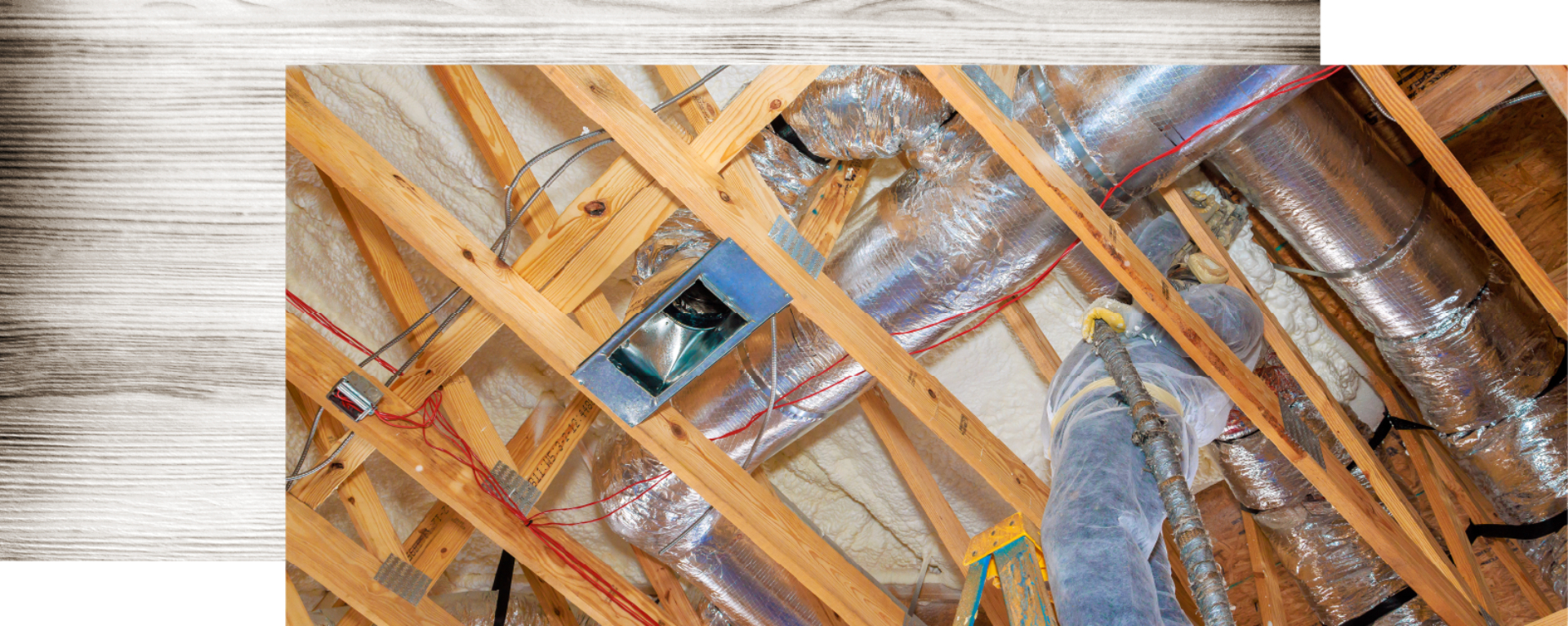
A phase inspection is simply an inspection we complete during construction rather than at the very end. A certified inspector reviews the home or commercial building at key milestones to catch problems before the next stage of construction.
This is different from the inspections the city performs. Municipal building officials verify minimum code compliance, and they work on behalf of the jurisdiction. A private phase inspection works for you, the buyer, focusing on workmanship, installation quality, and the conditions that affect how the building performs, holds up, and keeps your family, tenants or employees safe.
In Oklahoma, home and commercial inspectors carry a license from the Construction Industries Board under Title 158, Chapter 70. Those rules set the standards of practice as the minimum scope for a general home inspection and they let the inspector and client arrange additional services. Phase inspections fall into that category. We agree on the scope up front, so you know exactly what we check at each stage.
The Four Phases of a New-Construction Inspection
Ideally, we review a new build at four points. Each phase shows you something that becomes difficult or impossible to see later.
Pre-Pour Foundation Inspection
We inspect before the crew pours the slab. Once the concrete goes down, it seals and hides everything beneath it. If you have a defect after the pour, it becomes one of the most expensive fixes in the entire build. We review:
| Pre-Pour Foundation: What We Review |
| Site preparation and form layout |
| Reinforcing steel placement |
| Post-tension cable installation, when applicable |
| Plumbing rough-ins beneath the slab |
| Vapor and moisture barriers |
Here is what we most often catch before the pour, and what each issue means for you:
| Common Findings | Severity | Description | Recommended Action |
| Misplaced or Missing Rebar | Moderate to Severe | 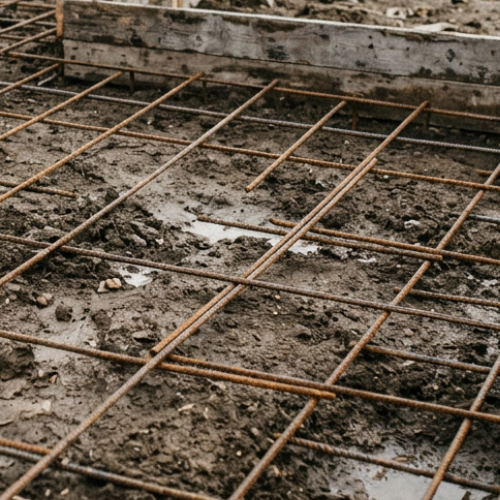 Rebar spaced too far apart, or too few bars.
 |
Correct spacing and support, and verify against the engineered plan before the pour. |
| Damaged or Mislocated Plumbing | Moderate to Severe | 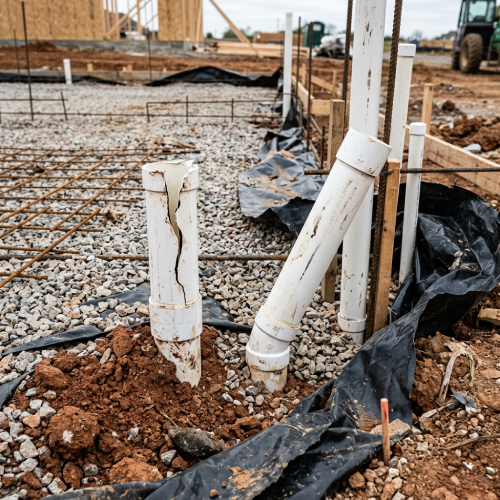 Supply or drain lines mislocated, unsupported, or damaged.
 |
Reroute or repair and confirm every location before concrete. |
| Torn or Missing Vapor Barrier | Moderate | 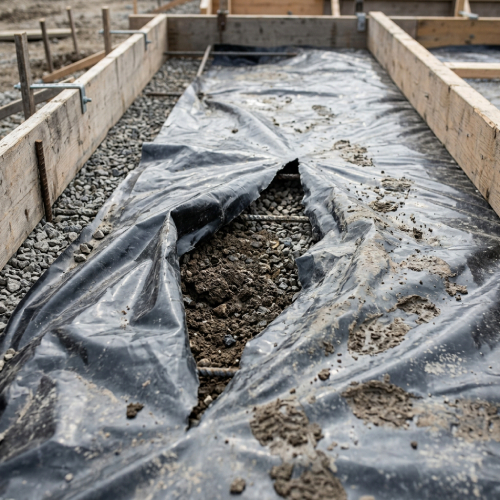 Gaps, tears, or missing sections that let ground moisture wick up into the slab.
 |
Patch or replace the barrier before the pour. |
| Misplaced Post-Tension Cables | Severe | 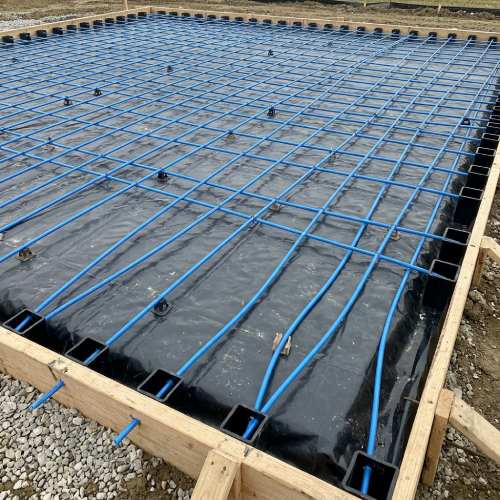 Cables positioned or spaced incorrectly, which weakens a post-tensioned slab.
 |
Reposition to the engineered layout before tensioning. |
| Out-of-Square Forms or Poor Grade | Minor to Moderate | 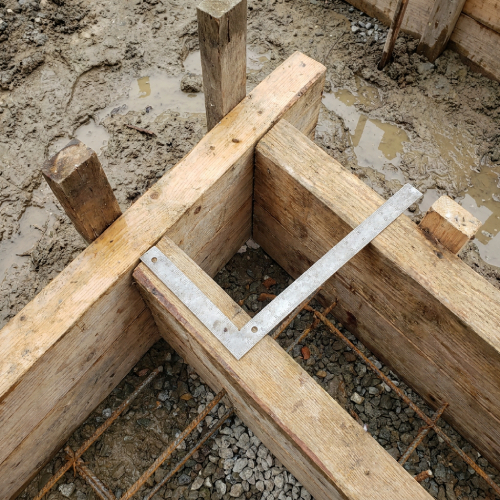 Forms out of square, level, or grade that will not drain away from the home.
 |
Reset forms and correct the grade before the pour. |
Pre-Drywall Inspection
We inspect after the crews finish the framing, electrical, plumbing, and HVAC rough-ins but before they install insulation and drywall. This phase often delivers the most value because the bones of the home are in plain view. According to InterNACHI’s pre-drywall standards of practice, this rough-in stage is your window to catch material defects before drywall covers them. We review:
| Pre-Drywall: What We Review |
| Wall framing and sheathing |
| Roof framing and trusses |
| Plumbing supply, drain, and vent installation |
| Electrical rough-in |
| HVAC ductwork and equipment |
| Window and door installation and flashing |
| Moisture management details and safety items |
These are the issues we see most often once the home is framed and roughed in:
| Common Findings | Severity | Description | Recommended Action |
| Framing & Connector Defects | Moderate to Severe | 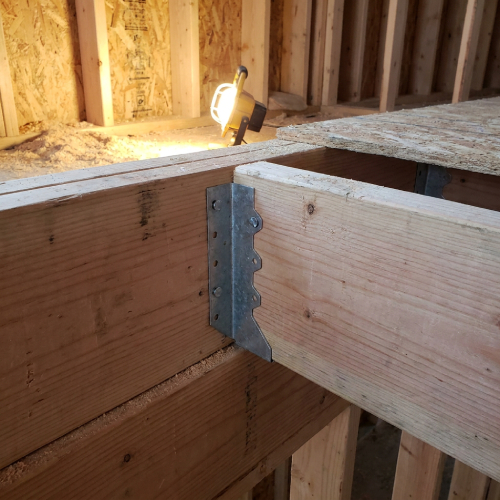 Cut or over-notched studs, missing connectors, joist hangers with too few nails, poorly supported beams.
 |
Builder corrects to plan and manufacturer specs before insulation. |
| Unprotected or Damaged Plumbing | Moderate | 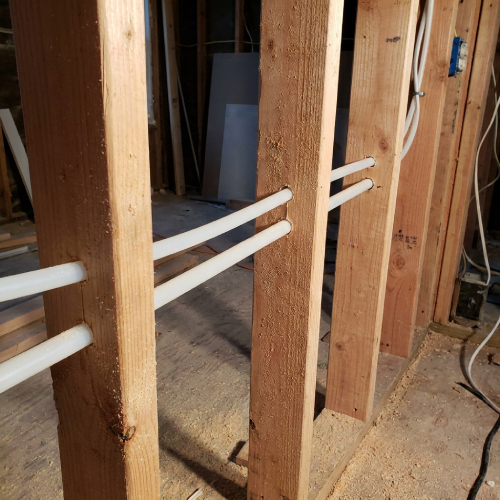 Damaged drain lines, improper venting, missing nail plates, inadequate pipe support.
 |
Repair and add nail plates before drywall covers the lines. |
| Unprotected or Damaged Wiring | Moderate to Severe | 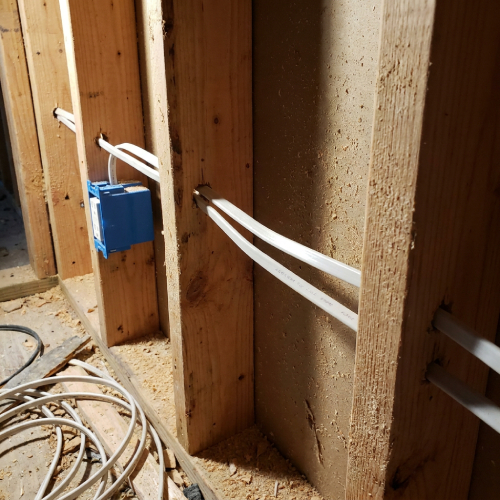 Missing nail plates, damaged wiring, improper cable routing, missing bonding.
 |
Correct and protect cables before they get covered. |
| Crushed or Disconnected Ducts | Moderate | 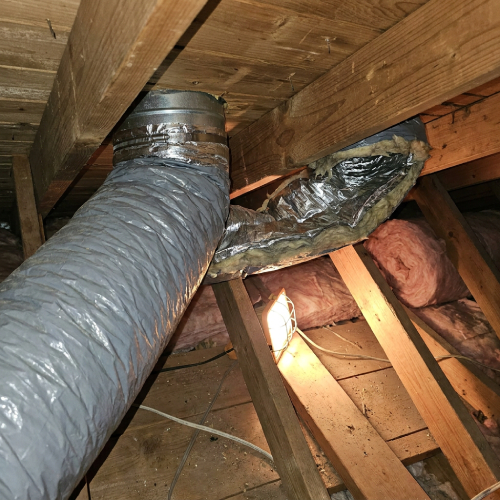 Crushed or disconnected ducts, poor support, weak return-air design.
 |
Reconnect, support, and correct the duct runs. |
| Poor Window Install or Flashing | Moderate | 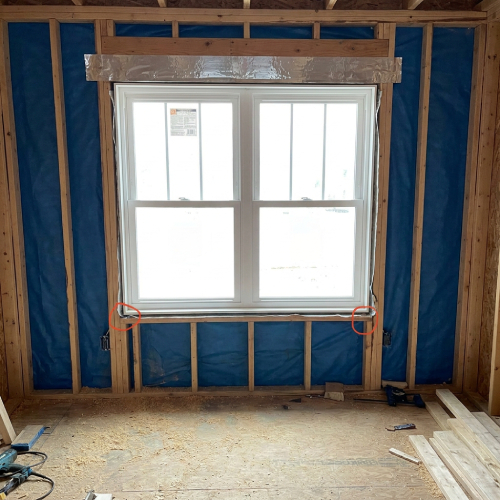 Improper installation or missing flashing that invites future leaks.
 |
Reinstall and flash per manufacturer instructions. |
Final Inspection
We inspect again once construction wraps up. This looks much like a standard home or commercial inspection, covering roofing, exterior, electrical, plumbing, HVAC, interior finishes, appliances, safety items, and general operation. It gives you a documented punch list to address before you close and before the builder’s warranty clock starts.
| Final Inspection: What We Review |
| Roof, flashing, and exterior finishes |
| Grading, drainage, and downspouts |
| Windows, doors, and weather seals |
| Electrical service, outlets, and fixtures |
| Plumbing fixtures, supply, and drain lines |
| HVAC operation and airflow |
| Interior finishes, insulation, and safety items |
Even a finished home can hide items worth addressing before you sign. Here is what we commonly find:
| Common Findings | Severity | Description | Recommended Action |
| Missing Caulk & Sealant | Minor | 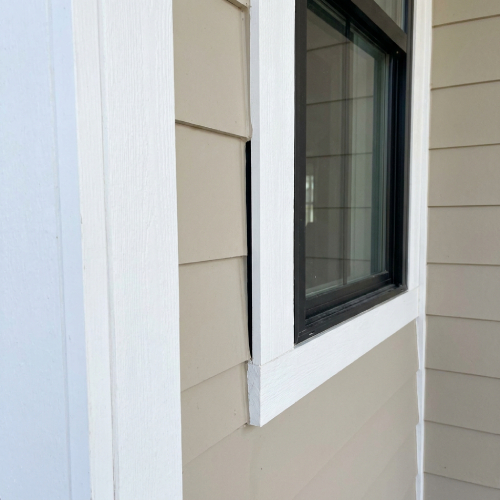 Gaps at trim, siding, windows, and wet areas that let air, water, and pests into the home.
 |
Builder seals before closing. A quick punch-list fix. |
| Roof & Flashing Defects | Moderate | 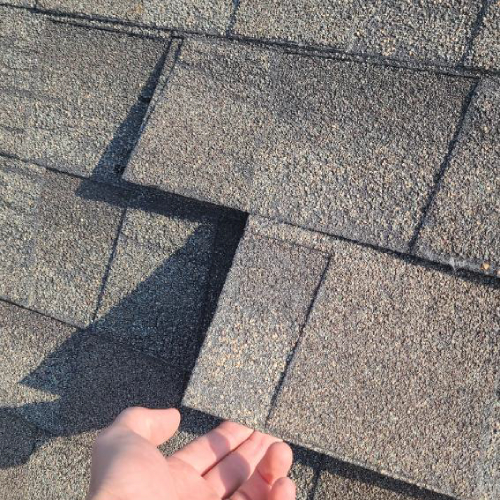 Loose shingles, exposed fasteners, or gaps in the flashing at valleys, vents, and the chimney.
 |
Builder repairs before closing to head off future leaks. |
| Grading & Drainage | Moderate | 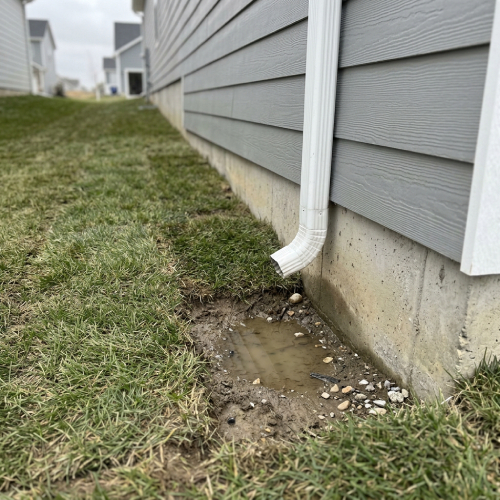 Soil that slopes toward the home or incomplete grading that sends water at the foundation.
 |
Re-grade to slope away from the home and confirm downspout extensions. |
| HVAC & Plumbing | Moderate to Severe | 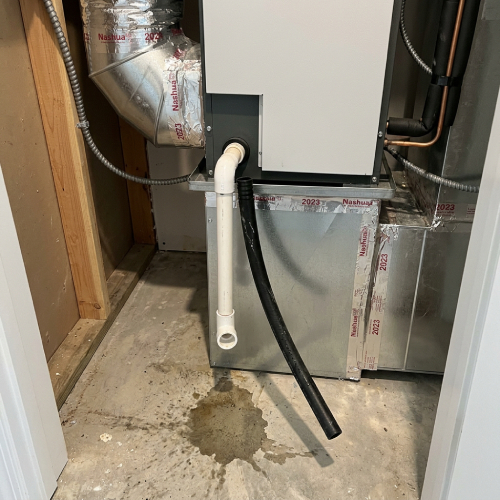 Weak airflow, uneven temperatures, or leaks at fixtures, supply lines, and connections.
 |
Builder corrects the issue and retests the affected system. |
| Damaged or Inoperative Components | Minor to Moderate | 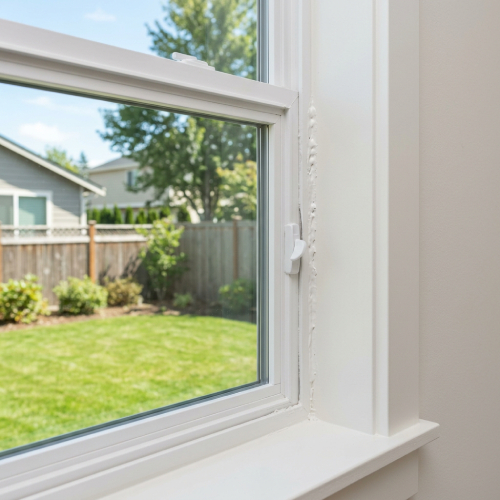 Scratched finishes, doors and windows that stick, or fixtures that do not operate.
 |
Document each item for the builder to repair or replace. |
| Missing Insulation | Moderate | 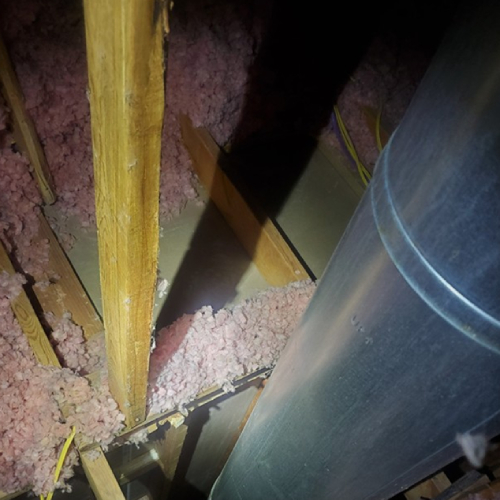 Thin or missing coverage in attics and walls that raises energy bills and hurts comfort.
 |
Builder adds insulation to spec before closing. |
Most builders appreciate receiving a clear, documented punch list before closing so they can handle everything efficiently in one pass.
11-Month Builder-Warranty Inspection
We inspect when the home is roughly eleven months old, just before the typical one-year builder warranty expires. The inspector evaluates the home the same way as the final inspection, but now after the new build has weathered Oklahoma’s seasons and a year of daily use. Settling, seasonal movement, and everyday wear can reveal additional problems. Our Builder-Warranty Inspection protects you and gives you one last opportunity to make the builder fix covered defects at no cost to you.
| 11-Month Builder-Warranty Inspection: What We Review |
| Foundation, slab, and settling cracks |
| Drywall, trim, and interior finishes |
| Grading and drainage after a year of settling |
| Roof, flashing, and exterior seals |
| Electrical, plumbing, and HVAC operation |
| Doors, windows, and hardware |
| Any warranty items from earlier phases |
After a year of settling and everyday use, these are the items we look for before the warranty ends:
| Common Findings | Severity | Description | Recommended Action |
| Settling & Foundation Cracks | Moderate | 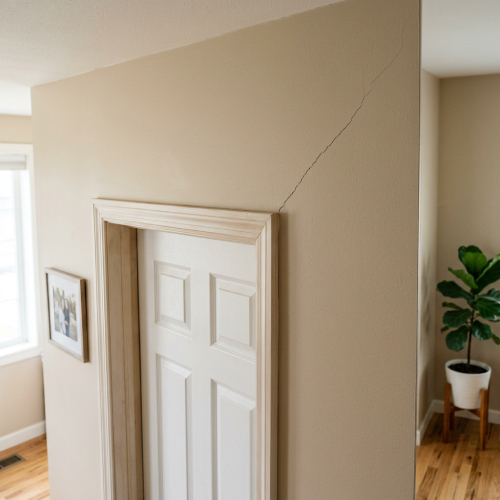 Cracks in drywall, brick, or the slab that appear after a year of soil movement.
 |
Document and submit to the builder before the warranty ends. |
| Drywall & Trim Separation | Minor to Moderate | 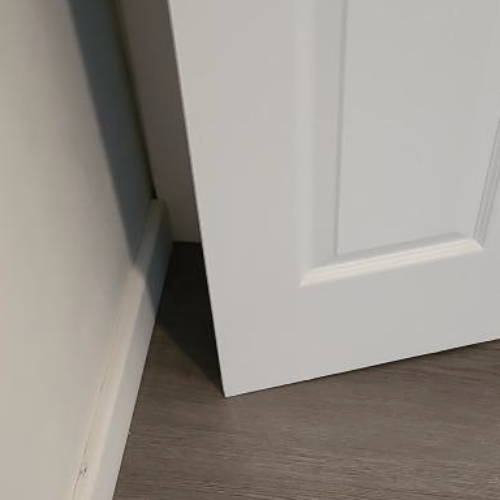 Nail pops, seam cracks, and gaps at trim from seasonal movement.
 |
Builder repairs under the warranty. |
| Grading & Drainage Shifts | Moderate | 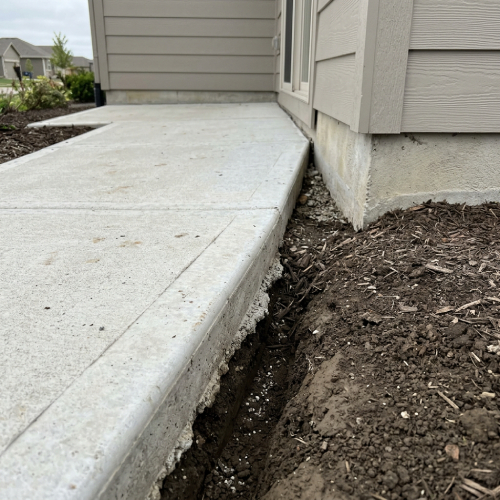 Soil that has settled and now directs water back toward the foundation.
 |
Re-grade and extend downspouts before water causes damage. |
| System Failures & Leaks | Moderate | 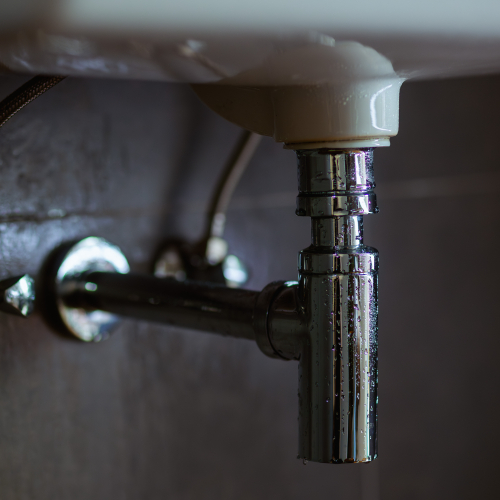 Performance problems, leaks, or fixtures that have failed during the first year.
 |
Builder repairs covered items before the deadline. |
| Exterior & Roof Wear | Minor to Moderate | 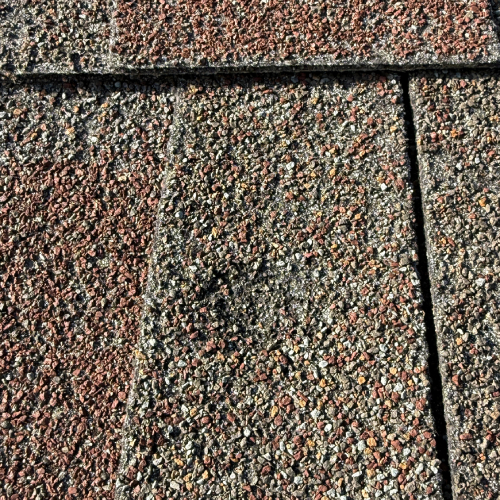 Caulk failure, flashing gaps, or seal failures revealed by a full season of weather.
 |
Builder addresses before the one-year mark. |
Not sure what to look for at each phase?
Download our Phase-Inspection Buyer Checklist and bring it to every site visit and walkthrough.
Why Brand-New Builds Still Have Defects
You would expect a brand-new home to be flawless. Very few are, and it has little to do with your builder. A single house passes through a dozen specialized crews on a tight timeline, from the excavators and concrete crew to the framers, roofers, electricians, plumbers, HVAC techs, insulators, drywallers, and finish carpenters, and each trade builds on the work of the one before it. Human error, scheduling pressure, material shortages, and simple miscommunication all set the stage for a missed connector or a crushed duct. None of that makes your builder a bad one. It just means a second, independent review at the right moment is cheap insurance.
The Value of Catching Problems Early
The earlier you catch a defect, the cheaper it is to fix, and some you can only catch early. Each phase has its own short window: what is open and visible at the pour, at rough-in, or at the final walkthrough gets covered or settled soon after. For example, a missing connector caught at pre-drywall phase inspection, while the framing is open, takes the builder minutes to add. Once drywall and paint hide it, no later inspection can catch it, and the fix, if it fails, means tearing out drywall, repainting, and paying for the labor.
Phase inspections pay for themselves. You catch mistakes while they are still cheap to fix and still the builder’s responsibility, and you get an expert second set of eyes and real peace of mind.
City Inspections vs. a Private Phase Inspection
One of the most common questions we get from new-build buyers is whether the city inspections make a private inspection unnecessary. They are not the same. City inspections matter, but they are built to check minimum code, not to protect your interests.
| City Building Inspection | Private Phase Inspection (AHI) |
| Verifies minimum code compliance |
Reviews workmanship and installation quality |
| Works on behalf of the jurisdiction |
Works on behalf of you, the buyer |
| Limited time per property |
Focused, documented review with photos |
| Cannot review every component |
Reports the material defects we observe for you |
The two work best together. The city inspector confirms the build meets minimum code on behalf of the jurisdiction, while your private inspector digs into workmanship and installation quality on behalf of you. Paired, they give you the most protection you can get on a new build.
Oklahoma Disclosures and Why a Phase Inspection Still Matters
When you buy an existing home, the seller generally must provide a disclosure under the Residential Property Condition Disclosure Act (RPCDA). That form tells you what the seller knows about defects in the home. However, new construction is different. The RPCDA specifically exempts newly constructed, previously unoccupied homes from that disclosure requirement. In other words, the buyer of a brand-new home often receives less documented protection up front than someone buying a thirty-year-old house. The builder’s warranty is valuable, but it covers only what you report, on the builder’s terms and timeline.
| Why New-Build Risk Still Exists, Even With a Builder Warranty |
| Oklahoma exempts new construction from seller disclosures |
| Crews seal defects behind concrete, framing, and drywall |
| Warranties cover only what you report, on the builder’s timeline |
| The buyer bears the repair risk once the warranty expires |
| An independent record gives you leverage to ask for corrections |
A phase inspection is how you create your own record. It gives you independent, photo-documented evidence of conditions at each stage, so you can ask for corrections with confidence instead of hoping every crew got it right where you could not look.
Free Phase-Inspection Buyer Checklist (Tulsa, OK)

What to watch for, photograph, and ask about at every stage of your build. Download our Phase-Inspection Buyer Checklist to help you:
- Know what to look for at pre-pour, pre-drywall, final, and the 11-month mark
- Document conditions with the right photos at the right time
- Ask your builder the right questions before crews cover each stage
- Protect your position before closing and before the warranty expires
Who Benefits Most From Phase Inspections?
- First-Time and Move-Up Buyers
Building a home is one of the largest investments most people ever make. Phase inspections help you understand the quality of construction and surface concerns before you close. - Relocation and Out-of-State Buyers
If you cannot visit the site regularly, phase inspections give you independent, documented eyes on progress and conditions at each milestone. - Investors
Catching issues before completion helps reduce future maintenance costs, warranty disputes, and surprises that eat into returns. - Realtors
Agents who recommend phase inspections protect their clients and keep deals from unraveling late, leaving time for corrections while the builder is still responsible. - Custom-Home and Commercial Buyers
Even high-end custom homes and new commercial builds have defects. Phase inspections verify that the workmanship matches what you are paying for, and on a commercial scale the savings can be even larger.
FAQs: New-Construction Phase Inspections in Tulsa, OK
Schedule Your New-Construction Phase Inspection (AHI)
Building a new home is one of the biggest investments you will ever make, and the costliest defects are the ones crews seal out of sight. After more than 6,000 inspections across the Tulsa metro, our InterNACHI-certified inspectors know how homes go up here and what tends to go wrong, and we deliver clear, same-day reports so you can make informed decisions. Because we work for the buyer and not the builder, your assessment comes with no agenda. That is what we mean by The Assurance to Decide.
Not ready to schedule yet? Start with the checklist. If you are still in the research or showing phase, our Phase-Inspection Buyer Checklist gives you a clear, practical way to spot warning signs early, document issues properly, and understand the next steps before committing.
Learn more about our Builder-Warranty Inspection and General Home and Commercial Inspection services, request a free quote, or schedule your inspection online. You can also call or text us anytime at 918.853.5113.
The post Phase Inspections for New Construction in Tulsa, OK appeared first on Tulsa Home Inspections - Residential and Commercial Inspection Services in Tulsa, Oklahoma.
]]>The post Air-Duct Inspections in Oklahoma (Tulsa + Surrounding Areas): What Home Buyers Need to Know appeared first on Tulsa Home Inspections - Residential and Commercial Inspection Services in Tulsa, Oklahoma.
]]>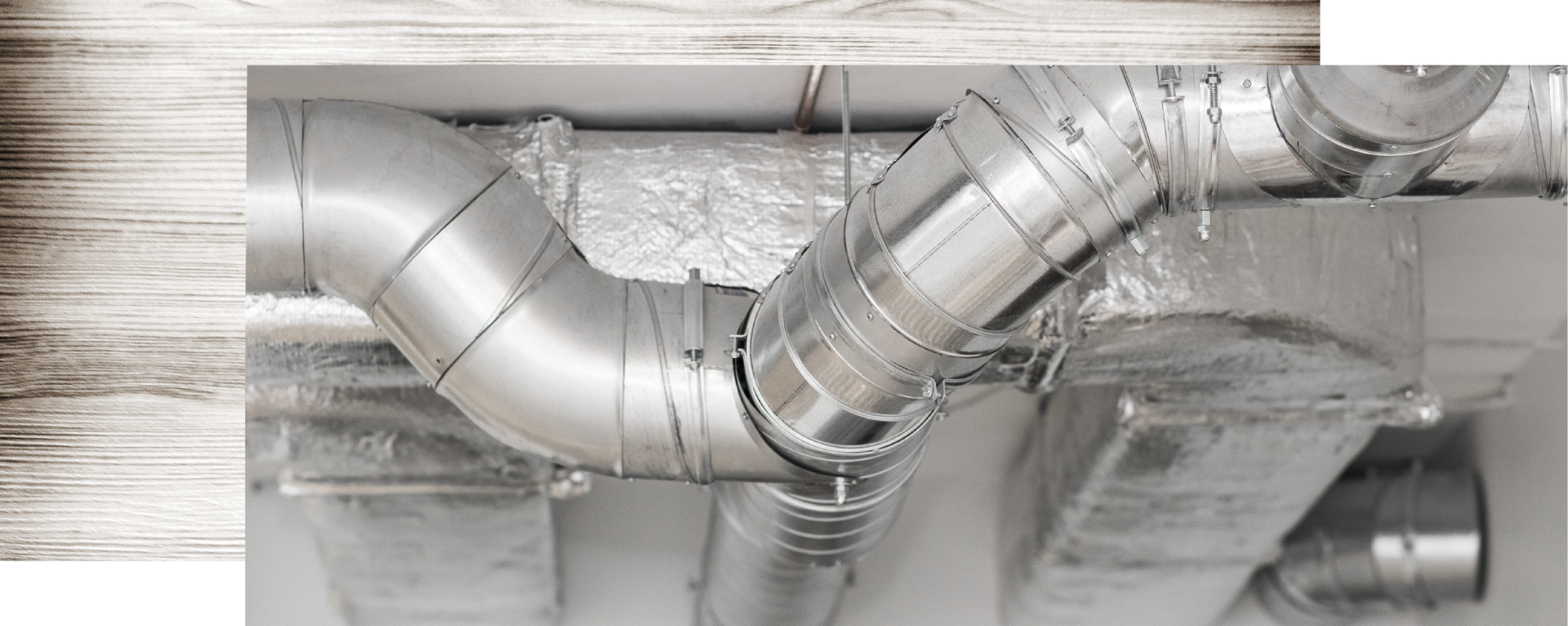
Under a lot of Tulsa homes, the ductwork is buried in the slab where no one can see it, including your inspector, who can only follow it to the first bend. That bend is exactly where the costly stuff hides, quiet until a vent stops pushing air or a repair quote hits five figures. Skipping the duct camera add-on saves a couple hundred dollars at closing and can cost thousands after. This guide and downloadable checklist is how you avoid that.
Here in Tulsa, Broken Arrow, Bixby, Jenks, Owasso, Glenpool, Sand Springs, and Claremore, there are plenty of conditions that can increase the odds of a slab duct problem.
| Factors That Increase Slab Duct Risk in Tulsa-Area Homes |
| Homes built from the 1940s through the 1980s |
| Ductwork cast into or beneath the concrete slab |
| Older duct materials like cardboard, transite, clay, or thin metal |
| Expansive clay soils that shift and settle |
| A history of plumbing leaks or moisture under the slab |
In this guide we will cover what an air duct-camera inspection is, what it finds, when it is worth it, and how to protect yourself as a buyer or homeowner. If you are ready to book, check out our service page.
Table of Contents
- What Is an Air-Duct Inspection (Duct-Camera Inspection)?
- Duct-Camera Inspection vs. General Home Inspection
- Why Slab Ducts Matter in Tulsa
- When Should You Get a Duct-Camera Inspection?
- What Problems Can a Duct-Camera Inspection Find?
- What Does the Duct Inspection Process Look Like?
- Watch a Real Air-Duct Camera Inspection in Action
- Is a Duct-Camera Inspection Worth It?
- Free Air-Duct Inspection Buyer Checklist (Tulsa, OK)
- Slab Ducts, Mold, and Indoor Air Quality
- Oklahoma Disclosures and Why a Duct Scope Still Matters
- Who Should Care Most About Slab Ducts
- FAQs: Air-Duct Inspections in Tulsa, OK
- Book an Air-Duct Inspection in Tulsa (AHI)
What Is an Air-Duct Inspection (Duct-Camera Inspection)?

Residential ducts run in one of three places: overhead in the attic, down in a crawl space, or cast into and beneath the slab. The location decides what an inspector can reach. Overhead ducts are inspected from the attic, crawl space ducts from the crawl, and slab ducts from the registers, because there is no other way in. For every system, the inspector is limited to the accessible areas.
The camera add-on is built for the ducts in the slab. A general home inspection looks at the accessible parts, but as soon as a buried duct turns a corner the inspector cannot see any further. Assured Home Inspectors (AHI) sends a camera on a fiberglass rod into the ducts from each accessible register reaching the runs a standard inspection cannot.
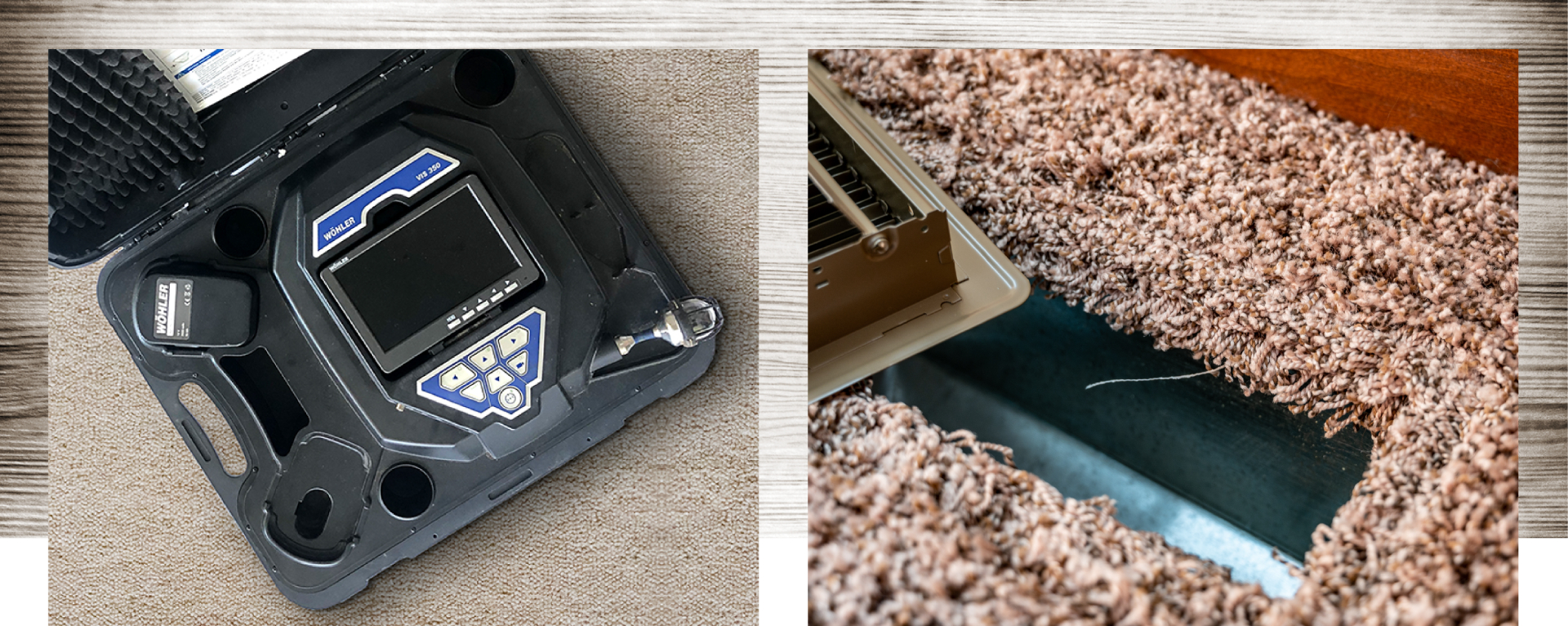
| What a Duct-Camera Inspection Covers |
| Accessible supply and return ducts |
| Connections at the air handler and plenums |
| Visible joints, seams, and transitions |
| Ex Signs of damage, disconnections, or air leakage |
| Evidence of moisture, rust, microbial growth, or pest intrusion |
Duct-Camera Inspection vs. General Home Inspection
In Oklahoma, a standard home inspection is a visual inspection of readily accessible systems, governed by the Construction Industries Board standards of practice (Title 158, Chapter 70). It covers the accessible parts of the heating and cooling system. A camera scope of the in-slab ducts is an additional service. So, while a general inspection may catch a symptom, such as rust at a register or weak airflow, the camera inspection confirms the cause inside the buried run.
Why Slab Ducts Matter in Tulsa
Many Tulsa-area homes built from the 1940s through the 1980s were constructed with ductwork running below the slab. It was common at the time and has turned out to be one of the more failure-prone designs since. The materials tell the story. Some of the earliest under-slab ducts were made of cardboard, which was especially common in one midtown Tulsa neighborhood that was among the first in the country to get residential air conditioning. Every cardboard system we have inspected has had problems, and many have collapsed under moisture or termite pressure. Over time, installers moved from cardboard to galvanized steel, then coated steel, then transite and clay, and finally to plastic. Plastic does not stop moisture, but it avoids the rust of metal and the health questions tied to transite, a cement product that historically contained asbestos.
Oklahoma’s expansive clay soils, swinging moisture levels, and big temperature changes all push on these buried systems in ways a duct in a dry attic never has to deal with. And because the ducts are encased in concrete, the fixes are rarely cheap.
| What a Slab Duct Problem Can Really Cost You |
| Coating or lining the existing ducts, when they are intact enough |
| Abandoning the slab ducts and installing new overhead ductwork |
| Removing sections of slab to make targeted repairs |
| Higher heating and cooling bills from conditioned air leaking below the slab |
| Indoor air quality remediation if moisture leads to microbial growth |
When Should You Get a Duct-Camera Inspection?
We recommend it for any Tulsa-area home with ductwork in the slab, and especially when you are buying. It is particularly important if any of these apply.
| Condition | Why It Matters |
 The home was built before 1990
 |
Older homes often have slab ducts made of metal, transite, clay, or even cardboard that deteriorate, rust, or collapse over time. |
 The ducts run under the slab
 |
Buried ducts cannot be seen past the first bend without a camera, so problems stay hidden during a standard inspection. |
 You notice weak airflow or odors
 |
Uneven air delivery or a musty smell when the system runs can point to moisture, debris, or a collapsed section below the slab. |
 There is a history of plumbing leaks
 |
Supply or drain leaks send water into buried ducts that have no way to dry out. |
 The home is a flip or has been vacant
 |
Cosmetic updates rarely address buried ducts, and a system that has sat unused has not been stress-tested by daily living. |
Not sure what to look for?
Download our Tulsa Air-Duct Inspection Buyer Checklist and bring it with you to inspections and walkthroughs.
What Problems Can a Duct-Camera Inspection Find?
A camera inspection can reveal a range of issues, from minor buildup to a full collapse. Here is how we commonly categorize what we see.
| Common Findings | Severity | Description | Recommended Action |
| Dust & Debris | Minor |
 Buildup inside the ducts that can reduce airflow and circulate through the home.
 |
Cleaning may be recommended; continued monitoring advised. |
| Moisture & Rusting | Moderate |
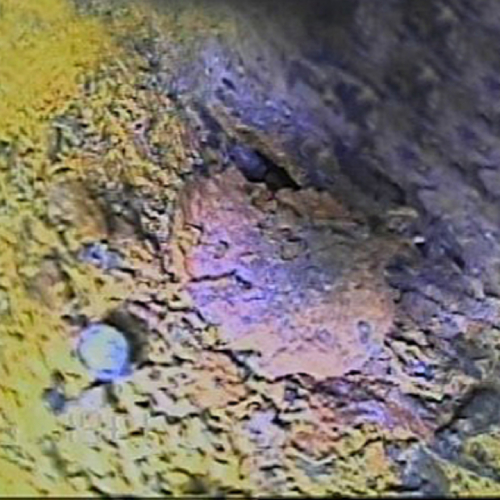 Moisture can deteriorate ducts over time and prevent proper operation. On metal ducts it shows as rust and staining.
 |
Identify and correct the moisture source. Coating may be an option while the duct is still intact. |
| Standing Water in the Ducts | Moderate |
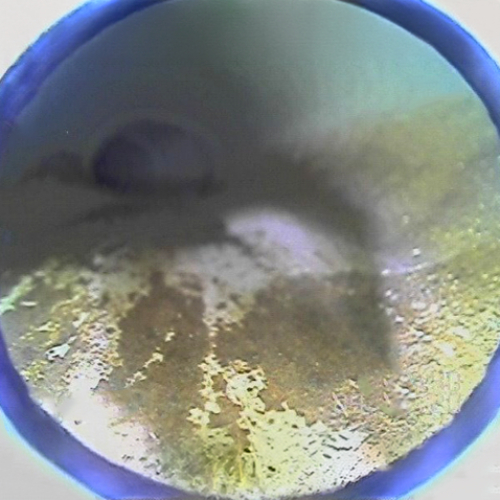 Active water sitting in the duct, often from a plumbing leak, groundwater, or condensation, with nowhere to drain.
 |
Find and fix the water source promptly. Further evaluation recommended; sitting water accelerates rust, growth, and failure. |
| Deterioration | Moderate to Severe |
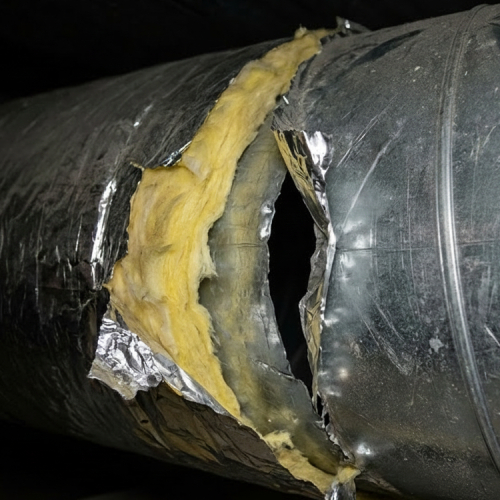 Damage to the ducts from rust, age, or moisture, until they no longer move air the way they should.
 |
Further evaluation recommended; coating, repair, or replacement depending on extent. |
| Collapsed or Deformed Ducts | Severe |
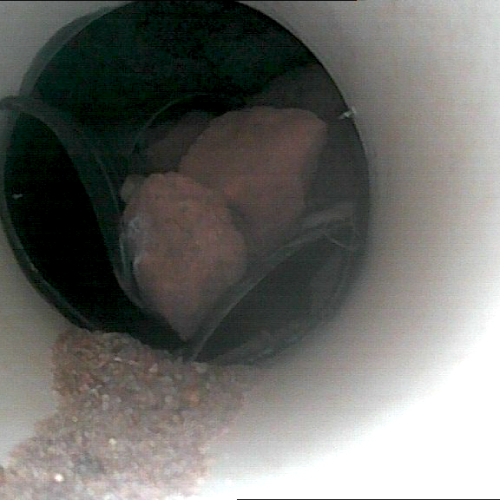 A crushed or collapsed duct that restricts or prevents airflow and the proper operation of the HVAC system.
 |
Repair or replacement typically required (coating, overhead retrofit, or slab work). |
| Suspected Microbial Growth | Severe |
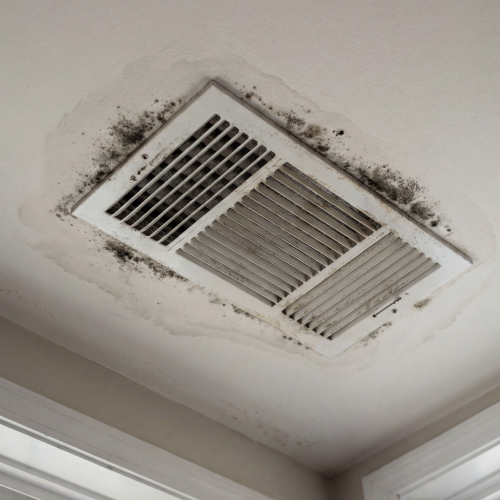 Damp ducts can develop staining and odor consistent with growth, which the system then circulates.
 |
Correct the moisture. Lab testing is required to confirm mold (a separate service). |
What Does the Duct Inspection Process Look Like?
At Assured Home Inspectors, a duct-camera inspection typically involves:
Confirming the HVAC system and power are on and that the floor registers are accessible.
Inserting a high-definition camera on a 100-foot rod through each accessible register and the plenum.
Traveling the runs and pausing to document moisture, rust, separations, debris, and collapses.
Showing interested parties what we find on the camera in real time.
Delivering a same-day report with photos and video, and advising what type of specialist is needed if repairs are warranted.
Watch a Real Air Duct-Camera Inspection in Action
Seeing the inside of a slab duct makes the risk a lot more real than reading about it. Watch what the camera actually finds.
Is a Duct-Camera Inspection Worth It?
Yes, especially during a purchase. At $225 as an add-on, it is one of the highest-return inspections you can choose for a home with slab ducts, because catching moisture or early deterioration in time often means the duct can still be coated instead of replaced.
| What an Air Duct-Camera Inspection Helps You Avoid |
| Surprise repair bills after move-in |
| Major slab work or overhead-retrofit costs |
| Higher energy bills from leaking ducts |
| Indoor air quality problems from damp ducts |
| Resale and disclosure headaches later |
Even if the ducts turn out to be clean, you still gain documentation, peace of mind, and the knowledge to make an informed decision.
Free Air-Duct Inspection Buyer Checklist (Tulsa, OK)
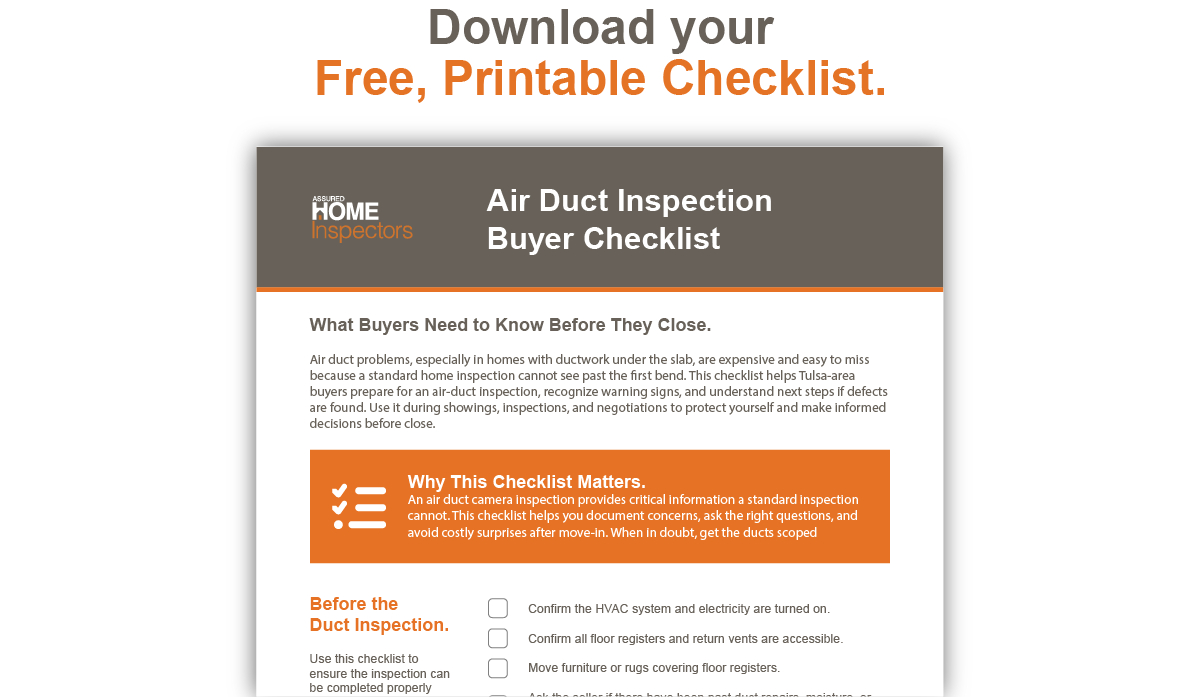
What to check, photograph, and ask before you close. Download our Air-Duct Inspection Buyer Checklist to help you:
- Spot red flags during showings
- Know what to photograph and document
- Ask the right questions before closing
- Protect your negotiating position if defects are found
Slab Ducts, Mold, and Indoor Air Quality
Moisture is the root of most slab duct trouble. The U.S. EPA’s guidance on duct contamination lines up with what we see in the field: keeping water and dirt out of the system is the single most effective way to prevent problems. The usual sources are a plumbing leak on the supply or drain side, water from the exterior, and condensation. Once water gets into a buried duct, it has nowhere to dry to, and damp ducts can become a home for microbial growth that the system then circulates through the house.
We can document suspicious staining and odors during the duct inspection, but confirming mold takes laboratory analysis, since only a lab can verify whether a substance is mold. That’s where our mold-testing service comes in. When you want certainty, we collect an air sample with the system running or swab reachable staining, then send it to a lab to identify whether mold is present and what type. The EPA also notes that wet or moldy duct insulation cannot be cleaned effectively and should be replaced, and that the moisture source must be corrected or the growth comes back.
Oklahoma Disclosures and Why a Duct Scope Still Matters
Oklahoma uses the Residential Property Condition Disclosure Act (RPCDA) framework for many residential transactions. Even with disclosures, slab duct risk remains.
| Why Slab Duct Risk Still Exists, Even With Seller Disclosures |
| Sellers may not know the condition of buried ducts |
| Problems can be intermittent or seasonal |
| Prior repairs may be incomplete or only cosmetic |
| At closing you are typically agreeing to buy in as-is condition |
| The buyer bears the major repair risk after closing |
A duct-camera inspection is how buyers protect themselves with hard evidence. If a defect is found, the seller does not have to fix it, but if they do not, you do not have to buy the home, and they are responsible for disclosing the issue to future buyers.
Who Should Care Most About Slab Ducts
- Home Buyers
Home buyers benefit most from knowing before closing, because slab duct repairs are expensive and almost always cheaper to negotiate as a concession than to absorb after the keys change hands. - Homeowners
Homeowners with slab ducts and unexplained comfort or air quality issues should have them checked, and a camera inspection every three to five years catches problems while coating is still an option. - Real Estate Investors
Real estate investors protect their numbers by budgeting for known conditions instead of discovering them later. - Realtors
Realtors who raise the question early keep deals from unraveling at the eleventh hour and leave time for repairs when they make sense. - Commercial Buyers
Commercial buyers face the same logic on a larger scale, since buried systems in commercial buildings can carry even bigger repair bills.
FAQs: Air-Duct Inspections in Tulsa, OK
Book an Air-Duct Inspection in Tulsa (AHI)
A slab duct problem can turn into an expensive surprise fast, and it is one of the easiest issues to miss without the right tools. If you want a clear, professional air-duct camera inspection in Tulsa and surrounding areas, Assured Home Inspectors is ready to help. After more than 6,000 inspections across the Tulsa metro, we know how these older systems fail, we show you findings on the camera in real time, and we deliver an easy-to-read report the same day. Because we do not perform the repairs, your assessment comes with no agenda.
Not ready to schedule yet? Start with the checklist. If you are still in the research or showing phase, our Air-Duct Inspection Buyer Checklist gives you a clear, practical way to identify warning signs early, document issues properly, and understand the next steps before committing.
Learn more about our air-duct inspections, request a free quote, or schedule your inspection online. You can also call or text us anytime at 918.853.5113.
Assured Home Inspectors serves Tulsa, Broken Arrow, Bixby, Jenks, Owasso, Glenpool, Sand Springs, Claremore, and nearby communities.
The post Air-Duct Inspections in Oklahoma (Tulsa + Surrounding Areas): What Home Buyers Need to Know appeared first on Tulsa Home Inspections - Residential and Commercial Inspection Services in Tulsa, Oklahoma.
]]>The post Sewer Line Inspections in Oklahoma (Tulsa + Surrounding Areas): What Home Buyers Need to Know appeared first on Tulsa Home Inspections - Residential and Commercial Inspection Services in Tulsa, Oklahoma.
]]>
If there’s one inspection add on service we believe every Tulsa-area buyer should consider, it’s a sewer line inspection (also called a sewer scope or sewer camera inspection).
Why?
Because sewer lines are one of the most expensive “hidden systems” in a home — and unlike a roof leak or furnace issue, sewer problems usually stay invisible until they become urgent (and messy).
Here in Tulsa, Broken Arrow, Bixby, Jenks, Owasso, Glenpool, Sand Springs, Claremore, and BA/South Tulsa, many homes have conditions that increase sewer risk.
| Factors That Increase Sewer-Line Risk in Tulsa-Area Homes |
| Older clay tile or cast-iron sewer pipes |
| Shifting soils and settlement |
| Mature trees and root intrusion |
| Unknown repair history |
| Flip/remodel work that doesn’t address the buried line |
In this guide, we’ll cover what a sewer scope inspection is, what it finds, when it’s worth it, and how to protect yourself as a buyer or homeowner.
If you’re ready to book, check out our service page.
Table of Contents
- Sewer Line Inspections in Tulsa: What Home Buyers Need to Know
- What Is a Sewer Line Inspection (Sewer Scope)?
- Sewer Scope vs. General Home Inspection
- Why Sewer Line Inspections Matter in Tulsa
- What a Sewer-Line Failure Can Really Cost You
- When Should You Get a Sewer Camera Inspection?
- What Problems Can a Sewer Scope Find?
- Common Sewer Line Defects Found During Camera Inspections
- What Does the Sewer Line Inspection Process Look Like?
- Watch a Real Sewer Camera Inspection in Action
- Is a Sewer Scope Worth It?
- What a Sewer Scope Inspection Helps You Avoid
- Tulsa-Specific Sewer Red Flags Buyers Should Know
- Free Sewer Scope Inspection Buyer Checklist (Tulsa, OK)
- Oklahoma Disclosures and Why a Sewer Scope Still Matters
- FAQs: Sewer Line Inspections in Tulsa, OK
- Book a Sewer Line Inspection in Tulsa (AHI)
What Is a Sewer Line Inspection (Sewer Scope)?
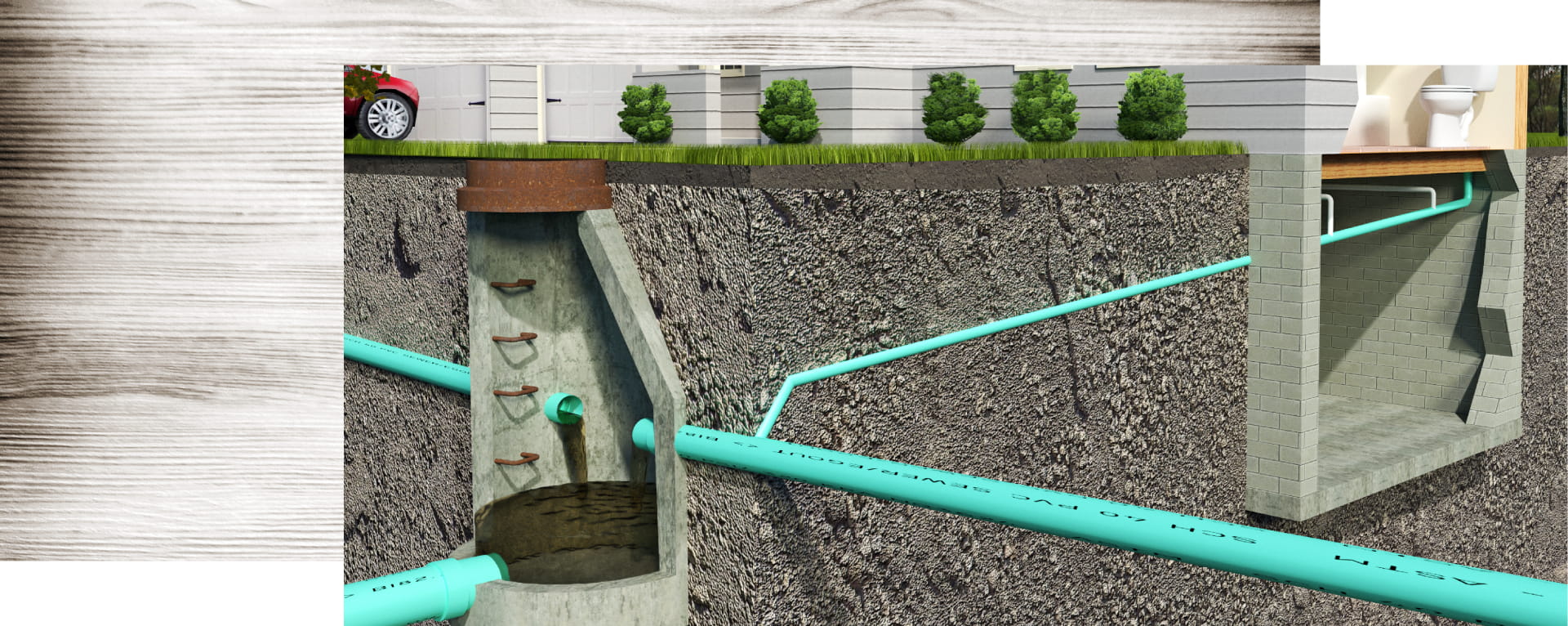
The homeowner is responsible for the sewer line between the home and the connection to the city sewer or their private system. A sewer line inspection uses a specialized waterproof camera to visually evaluate the condition of the home’s main drain — the underground drain line that carries waste from the home to:
- the municipal sewer main, or
- an on-site system (septic)
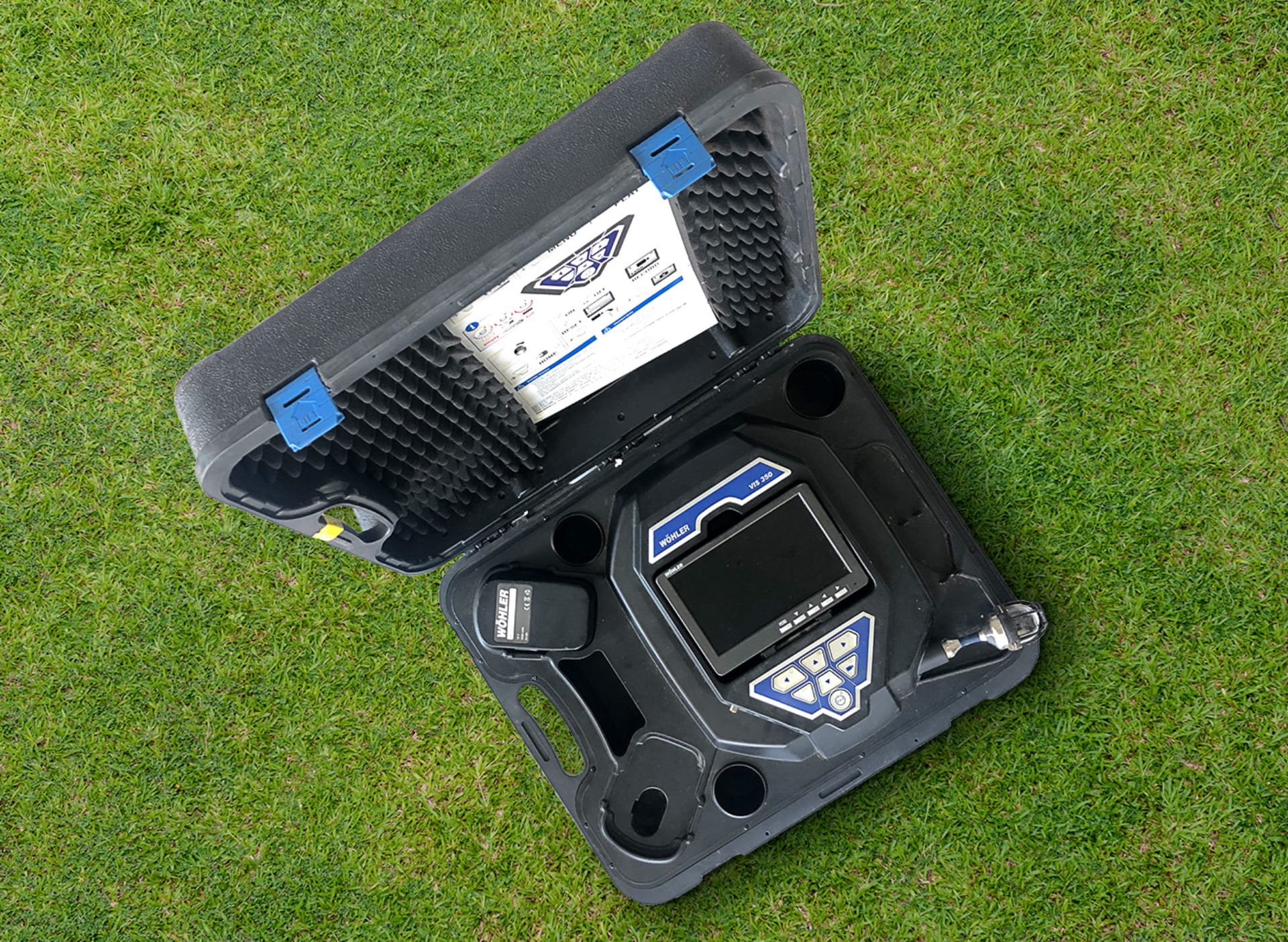
This is important because a sewer scope is one of the only ways to visually evaluate buried sewer piping without excavation. In a real estate transaction, sellers are required to disclose known sewer issues. However, problems are sometimes not disclosed because a temporary drain cleaning or snaking may have restored short-term flow without addressing the underlying defect. In other cases, sellers may be unaware of recurring or developing issues—or may not realize that prior maintenance does not constitute a permanent repair. A sewer camera inspection provides objective documentation of the line’s actual condition at the time of purchase.
Sewer Scope vs. General Home Inspection.
In Oklahoma, a standard home inspection is intended to be a visual inspection of readily accessible systems and is governed by state standards of practice. Sewer scoping is considered an additional service beyond basic inspection scope.
So, while a general inspection may identify symptoms, a sewer camera inspection confirms the cause. During a home inspection, the inspector will run water but this may not cause the system to malfunction. Inspectors are not able to fully test the system over time with debris and multiple users.
Why Sewer Line Inspections Matter in Tulsa.
Sewer repairs are rarely “cheap.” If a sewer fails, it can really cost you.
| What a Sewer-Line Failure Can Really Cost You |
| Excavation of the yard/driveway |
| Replacing collapsed sections |
| Trenchless lining (where applicable) |
| Tree root removal and repair |
| Plumbing access and cleanout work |
In many cases, homeowner insurance does not cover normal wear-and-tear failures. That’s why some homeowners opt into secondary insurances which cover the line. A good example of this is the City of Tulsa’s voluntary service line warranty program for sewer/water lines. Many home warranties also offer coverage as an add on service option.
Most of these warranties/insurances have a waiting period: So bottom line, if you buy a house with a bad sewer line, it may become your problem immediately after closing. If you opt into having these coverages, you should also be aware that they have plan limits and some exclusions. It is important to review the coverage details carefully.
When Should You Get a Sewer Camera Inspection?
We recommend a sewer scope inspection in all Tulsa-area purchases. We have found issues with drains on new construction and recently replaced lines. While we recommend it as an add on for all home inspections, it’s especially important if any of these apply.
| Condition | Why It Matters |
 The home is older than ~30 years | Older Tulsa-area neighborhoods often have aging sewer materials such as clay tile, Orangeburg, or cast iron, which can deteriorate, shift, or corrode internally over time. |
 There are large trees near the home | Tree roots are drawn to moisture inside sewer lines and can grow into joints, gaps, or cracks, leading to recurring blockages or pipe damage. |
 You notice slow drains or gurgling | These symptoms can indicate partial blockages or venting issues. A sewer scope confirms whether the problem is occurring in the sewer lateral rather than inside the home. |
 The home has been vacant | Vacant homes are not regularly testing the sewer system. A new homeowner’s usage may stress the system differently, revealing problems that weren’t apparent while the home sat unused. |
 The home is a flip or remodel | Flips often focus on cosmetic upgrades, and the sewer line is frequently untested or undocumented. In many cases, the seller may have little to no history of the buried line’s condition. |
Not sure what to look for?
Download our Tulsa Sewer Scope Inspection Buyer Checklist and bring it with you to inspections and walkthroughs.
What Problems Can a Sewer Scope Find?
A sewer camera inspection can reveal issues like:
| Common Sewer Line Defects Found During Camera Inspections | ||
| Severity | Common Defects | Recommended Action |
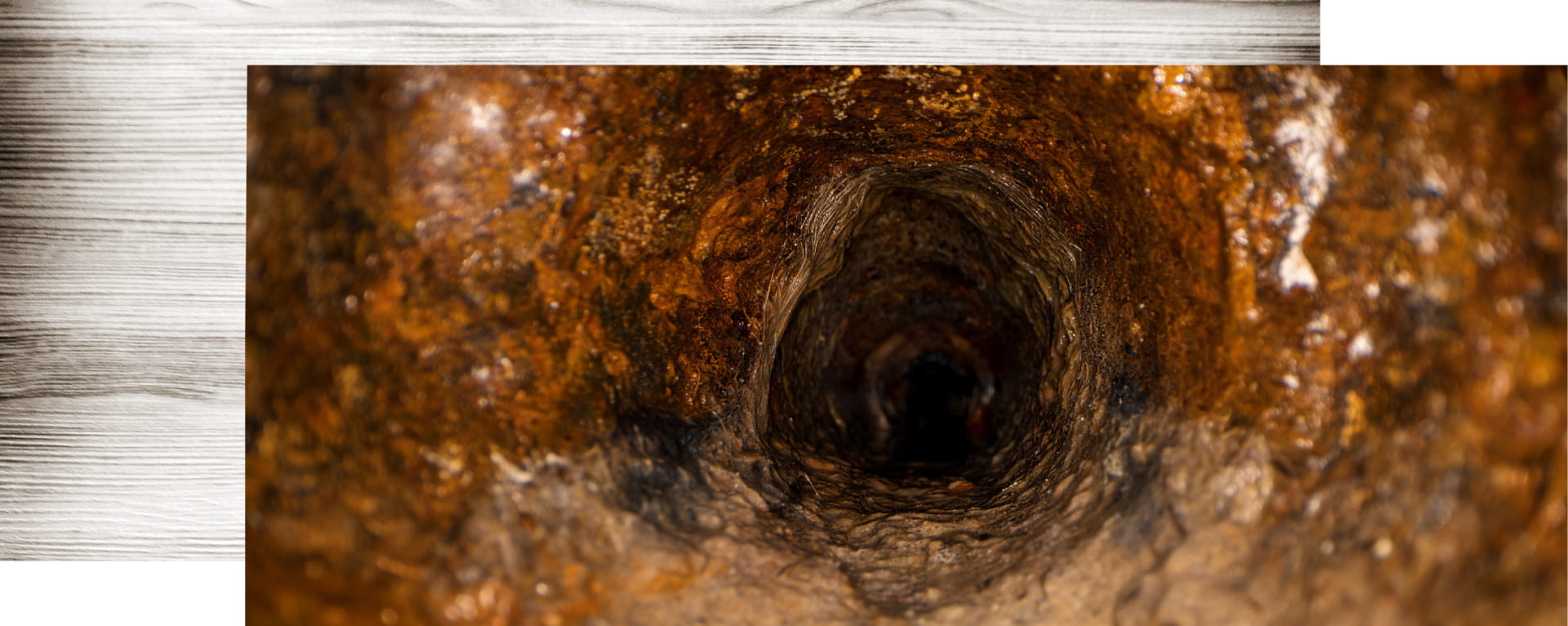
| Minor | Blockages and Heavy Buildup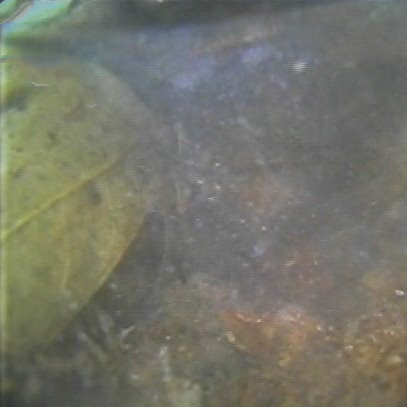 Grease, wipes, debris, or foreign objects (including construction debris or household items) restricting flow. | Professional cleaning recommended. Continued monitoring advised to prevent recurrence or escalation. |
| Moderate | Root Intrusion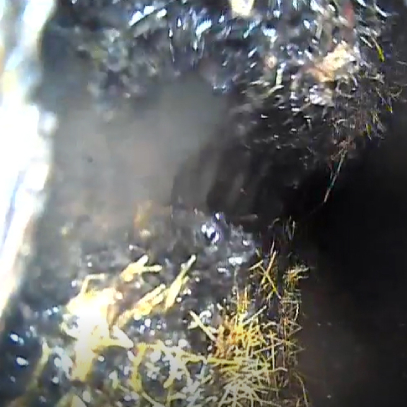 Roots enter through joints or cracks, creating recurring clogs and restrictions. This is one of the most common sewer defects we see in the Tulsa area. | Clean roots and monitor. Further evaluation by a licensed plumber may be recommended depending on severity and frequency. |
| Moderate | Offset Joints or Separations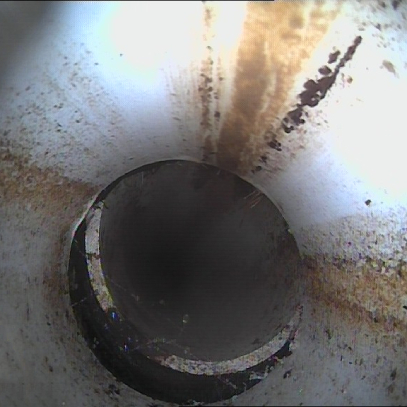 Pipe sections that have shifted due to soil movement. Tulsa’s expansive soils commonly contribute to this condition. | Plumbing evaluation recommended. Repairs may be needed depending on offset severity and flow restriction. |
| Moderate | Improper Repairs or Transitions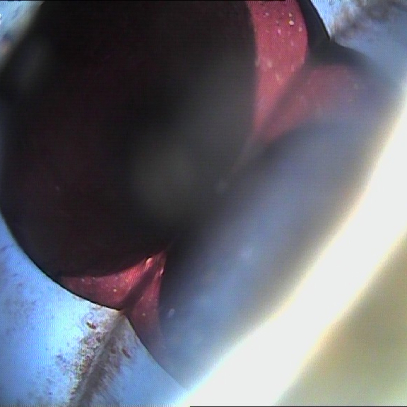 Including improper couplings, poor alignment, incorrect materials, or improper connections. | Further evaluation by a qualified plumber. Corrections may be recommended to reduce failure risk. |
| Moderate to Severe | Bellies / Sagging Pipe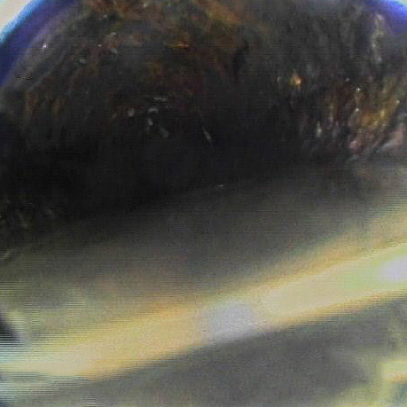 A low section of pipe where water and waste collect instead of flowing properly, allowing debris to accumulate over time. | Further evaluation by a plumber. Repair or correction is often recommended if buildup or backups are present. |
| Severe | Cracked, Broken, Damaged, or Collapsed Pipe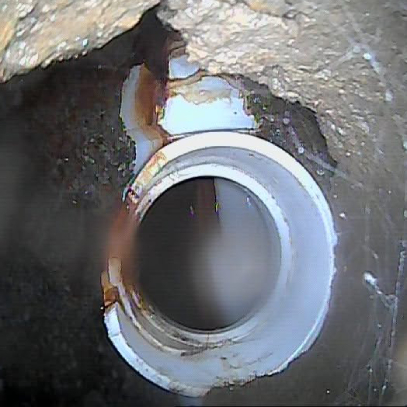 Structural failure of the sewer line that prevents proper operation. | Repair or replacement by a licensed plumbing contractor is typically required. |
What Does the Sewer Line Inspection Process Look Like?
At Assured Home Inspectors, a sewer scope typically involves:
Locating an access point (cleanout preferred but we can also sometimes inspect from a roof vent).
Running a camera through the sewer main drain and recording the video.
Identifying defects, restrictions, and pipe material.
Documenting observed issues.
Advising what type of specialist is needed (plumber, drain specialist, excavation contractor).
Watch a Real Sewer Camera Inspection in Action.
Seeing it is helpful—knowing what it means is better.
Download our Sewer Scope Inspection Buyer Checklist to understand what inspectors look for and how to respond if issues are found.
Is a Sewer Scope Worth It?
Yes — especially during a purchase. A sewer scope inspection is one of the highest ROI inspections because it can prevent many things.
| What a Sewer Scope Inspection Helps You Avoid |
| Surprise emergencies after move-in |
| Major sewer excavation costs |
| Resale headaches |
| Insurance denials (wear/tear) |
| Ugly disclosure issues later |
The cost of the inspection vs the cost of potential repairs is why we recommend this be added on with every home inspection.
Even if the line is perfect, you gain:
- Documentation
- Peace of mind
- Knowledge to make an informed decision
Tulsa-Specific Sewer Red Flags Buyers Should Know.
Here are sewer-related warnings we commonly see in Tulsa-area transactions:
| Warning Sign | Why It Matters |
 No visible exterior cleanout | Lack of an accessible cleanout can limit inspection options and may increase the cost and complexity of future sewer service or repairs. |
 Large trees between the house and city sewer | Tree roots are commonly drawn to sewer lines and can enter through joints or cracks, leading to recurring blockages or pipe damage. |
 Interior plumbing backups in tubs or showers | Backups in lower fixtures often indicate restrictions or failures in the main sewer line rather than isolated interior plumbing issues. |
 Stains around toilets or baseboards | Staining may indicate past backups, leaks, or moisture intrusion related to sewer or drain issues. |
 Yard depressions or soggy patches | Sunken areas or consistently wet soil can signal a leaking or damaged sewer line underground. |
 Odors near bathrooms or in the yard | Sewer odors may indicate venting issues, blockages, or breaks in the sewer line allowing gases to escape. |
Free Sewer Scope Inspection Buyer Checklist (Tulsa, OK)

What to check, photograph, and negotiate before you close. Download our Sewer Scope Inspection Buyer Checklist to help you:
- Spot red flags during showings
- Know what to photograph and document
- Ask the right questions before closing
- Protect your negotiating position if defects are found
Oklahoma Disclosures and Why a Sewer Scope Still Matters.
Oklahoma uses the Residential Property Condition Disclosure Act (RPCDA) framework and related disclosure forms for many residential transactions. Even with disclosures, sewer risk remains.
| Why Sewer Line Risk Still Exists—Even With Seller Disclosures |
| Sellers may not know line condition |
| Issues may be intermittent |
| Repairs may be incomplete |
| Buyer still bears major risk after closing |
| Typically at close you are agreeing to buy the home in as-is/where-is condition |
A sewer scope is how buyers protect themselves with hard evidence. If there is a defect, the current homeowner does not have to fix the issue, but if they don’t, you don’t have to buy the home. They are responsible for disclosing the issue(s) to any other buyers in the future.
FAQs Sewer Line Inspections in Tulsa, OK
Cost depends on access, length, and property configuration. The best approach is to book it as an add-on during your home inspection window. AHI charges $225 for adding on a sewer-line camera inspection.
A general home inspection may identify symptoms like slow drains or gurgling, but it cannot confirm the condition of the buried sewer line. A sewer camera inspection is needed to identify issues such as root intrusion, bellies, separations, or pipe damage.
In most cases, the homeowner is responsible for the sewer line from the home to the connection at the city sewer main. This typically includes the pipe beneath the home and the portion running through the yard up to the municipal connection.
Root intrusion occurs when tree roots enter a sewer pipe—most often through joints or small cracks. As the roots grow, they restrict flow and can lead to recurring clogs, backups, or pipe damage.
Yes. New builds can still have construction debris in the line, improper slope (bellies), and improper connections. A sewer scope documents the line condition early while warranties are still in play.
Book a Sewer Line Inspection in Tulsa (AHI).
A sewer line problem can turn into a nightmare fast — and it’s one of the easiest issues to miss without the right tools. If you want a clear, professional sewer camera inspection in Tulsa and surrounding areas, Assured Home Inspectors is ready to help.
Not Ready to Schedule Yet? Start With the Checklist. If you’re still in the research or showing phase, our Sewer Scope Inspection Buyer Checklist gives you a clear, practical way to:
- Identify warning signs early
- Document issues properly
- Understand next steps before committing
Learn more about our sewer inspections, or call/text us anytime at 918.853.5113.
Assured Home Inspectors serves Tulsa, Broken Arrow, Bixby, Jenks, Owasso, Glenpool, Sand Springs, Claremore and nearby communities.
The post Sewer Line Inspections in Oklahoma (Tulsa + Surrounding Areas): What Home Buyers Need to Know appeared first on Tulsa Home Inspections - Residential and Commercial Inspection Services in Tulsa, Oklahoma.
]]>The post Why Standby Generator Inspections Matter in Tulsa & Eastern Oklahoma appeared first on Tulsa Home Inspections - Residential and Commercial Inspection Services in Tulsa, Oklahoma.
]]>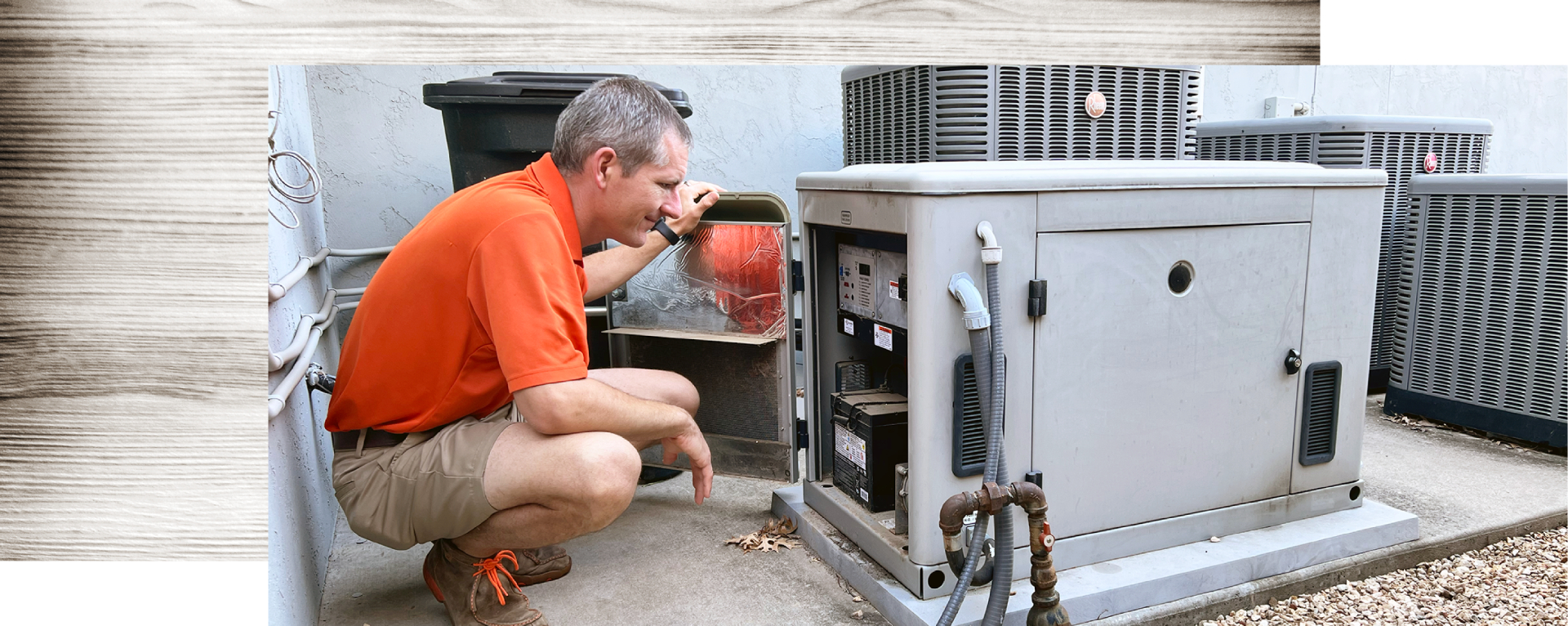
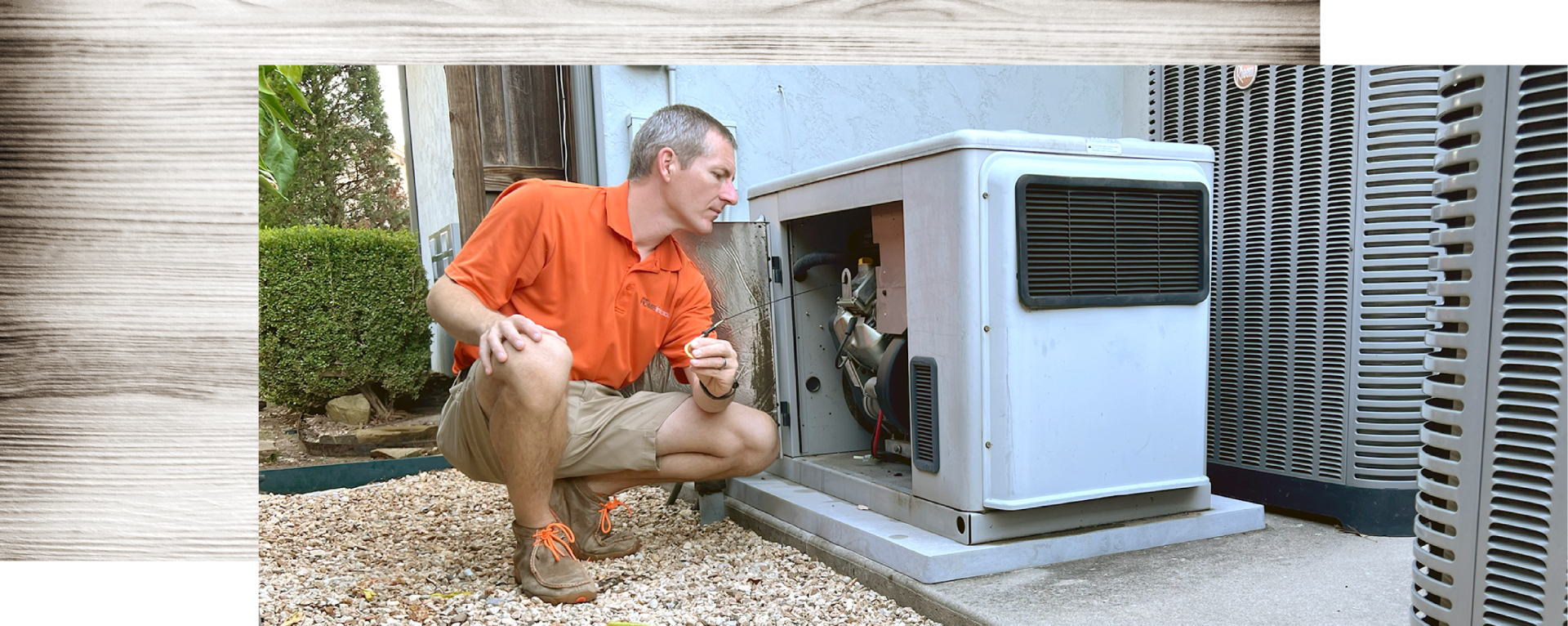
Oklahoma weather is unpredictable — from ice storms to tornadoes — and long power outages are not uncommon. A standby generator can keep your home, business, or rental property running safely when the grid goes down.
But generators that sit idle for months or years can fail just when you need them most. Oil leaks, fuel contamination, battery corrosion, or faulty transfer switches are common issues that can prevent a system from starting.
A standby generator inspection is a non-invasive service that checks all critical components — electrical, fuel, and mechanical — this provides information about condition of the equipment so you can make informed decisions.
This inspection is especially valuable for:
- Home or commercial buyers verifying condition as part of their due diligence.
- Homeowners who depend on reliable power for comfort or medical equipment
- Commercial property managers and investors protecting income-producing assets
Who Benefits from a Generator Inspection?

Home Buyers & Sellers
If a property includes a built-in or whole-home generator, you’ll want to know if it’s functional and installed safely. Buyers can negotiate repairs or concessions; sellers can show maintenance documentation to increase buyer confidence.

Real Estate Agents & Realtors
Recommending generator inspections as part of due diligence protects your client financially and reduces post-closing complaints about non-working systems. It demonstrates thoroughness and professionalism.

Homeowners & Investors
Regular inspections prevent unpleasant surprises and can extend the life of expensive equipment. Investors avoid costly downtime or tenant complaints during outages.

Commercial or Multi-Unit Properties
When power loss means business interruption, loss of refrigeration, or data loss, generator reliability is non-negotiable. Inspections support risk management and compliance.
What Does a Standby Generator Inspection Cover?
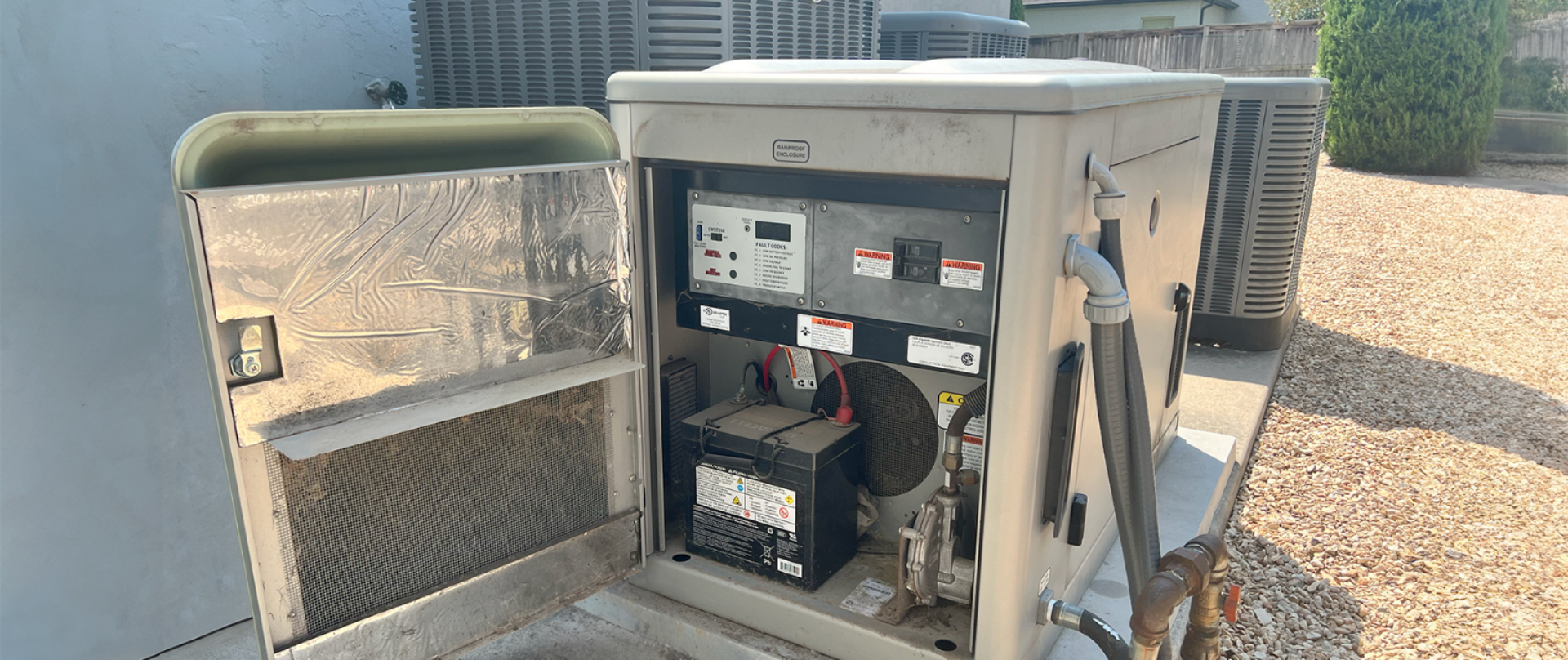
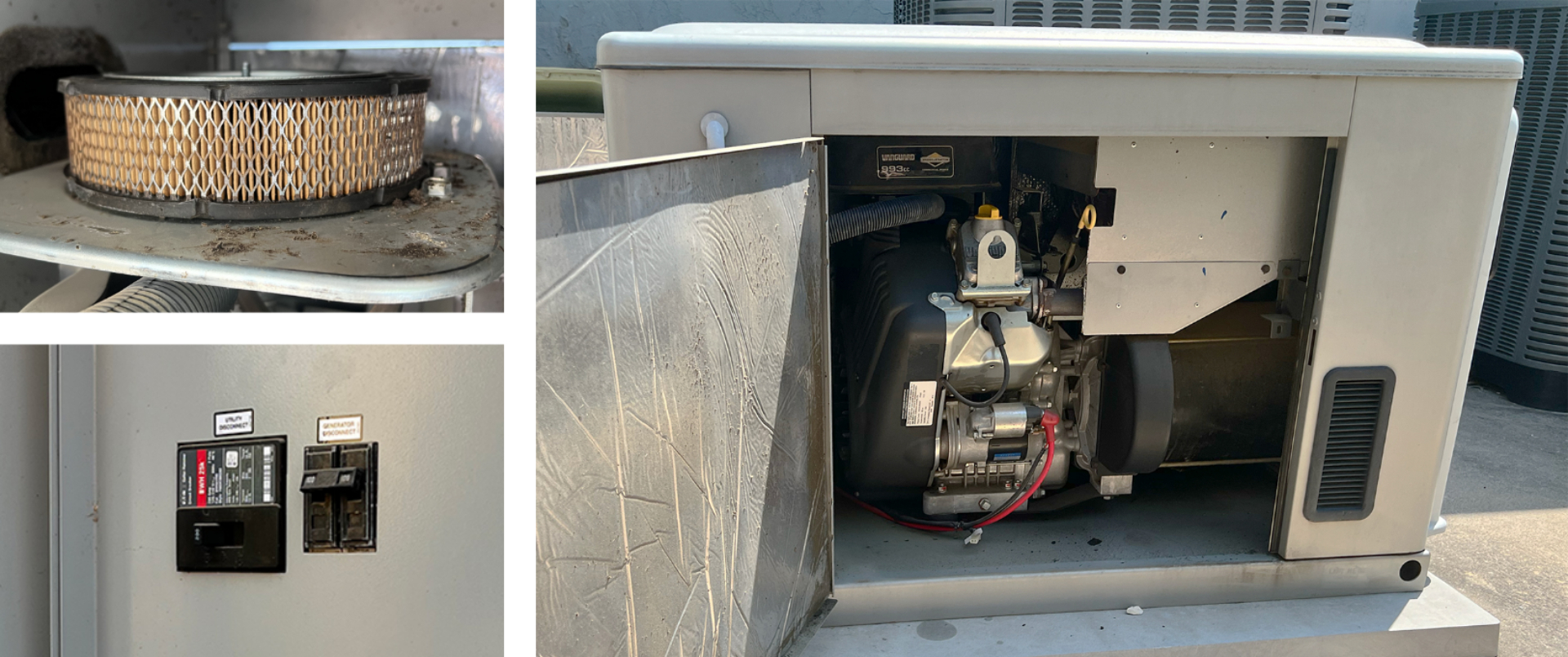
Here’s what you can expect from an Assured Home Inspectors (AHI) generator inspection:
Visual Examination & Access Check
- Enclosure condition, corrosion, and security
- Clearance from structures and vegetation
- Evidence of oil, fuel, or coolant leaks
- Exhaust routing and ventilation safety
Electrical Connections & Transfer Switch
- Verify wiring integrity, grounding, and conduit condition
- Inspect the automatic transfer switch (ATS) for proper operation
- Check for proper isolation from the utility line to prevent back-feeding
Startup and Functional Test
- Simulate a power outage or manually engage the system
- Observe automatic start-up sequence
- Confirm stable operation and proper switchover timing
Battery and Charging System
- Inspect terminals, corrosion, voltage levels, and charger function
- Verify proper battery maintenance (age, load capability)
Fuel System & Pressure Testing
- Examine fuel supply (natural gas, propane, or diesel)
- Check for leaks, sediment, or water contamination
- Verify fuel pressure if applicable.
Cooling and Lubrication System
- Check oil levels, coolant, belts, and hoses
- Look for overheating, cracks, or dry rot
Load Test
- Apply load to measure voltage, amperage, and frequency stability
- Assess how the unit performs under actual demand
Documentation and Reporting
- Photos of key components and defects
- Condition summary, recommendations, and maintenance tips
- Shared digitally for easy access or contractor review
Post-Repair Validation (Optional)
- After service or repair, AHI can re-inspect to confirm if repairs were completed.
Common Issues Found During Generator Inspections.
| Defect Type | What It Means | Risk / Impact |
| Corroded battery or loose cables | Weak or no start capability | Generator fails to start in outage |
| Fuel leak or lack of sediment trap | Loose fittings or potential for debris to enter the gas valve | Engine damage, fire hazard |
| Faulty transfer switch | Switch fails to isolate utility or transfer load | Dangerous back-feed or system failure |
| Low oil or coolant | Lack of maintenance or leaks | Overheating, engine seizure |
| Improper grounding or wiring | There’s a safety concern | Electrical shock or fire hazard |
| Exhaust blockage or corrosion | Obstructed or damaged exhaust path | Carbon monoxide hazard |
| Aged equipment | Higher level of service may be needed | Cost of repairs increases with older equipment and reliability decreases |
Catching these early helps avoid catastrophic failures when outages occur.
Cost, Timing & Limitations.

$125+Generator inspections is $125 for most residential units. Commercial units can be significantly higher based on the type of system, the complexity, and the requirements of the system. Pricing depends on system size, access, and whether load testing is included. AHI provides clear quotes before work begins. |

~ 30 MinutesMost generator inspections take approximately 30 minutes to complete, but longer may be needed depending on accessibility, complexity, and number of systems. |

Limitations & Caveats
The goal is to identify present condition and safety, not predict lifetime performance. |
$125+
Generator inspections is $125 for most residential units. Commercial units can be significantly higher based on the type of system, the complexity, and the requirements of the system. Pricing depends on system size, access, and whether load testing is included. AHI provides clear quotes before work begins.
~ 30 Minutes
Most generator inspections take approximately 30 minutes to complete, but longer may be needed depending on accessibility, complexity, and number of systems.
Limitations & Caveats
- If access is restricted (rooftops, locked enclosures), inspection may be limited
- Deep mechanical disassembly or fuel sampling is not included
- Some performance issues may appear only under long-duration load testing
- Results reflect condition at time of inspection — ongoing maintenance is still required
The goal is to identify present condition and safety, not predict lifetime performance.
Tulsa & Eastern Oklahoma Considerations.

Weather & Grid Reliability
Ice storms, tornadoes, and wind events often cause extended outages in Green Country. Generator readiness is essential for safety and comfort.
Fuel Supply Issues
Natural gas pressure fluctuations during widespread outages can affect performance. Propane and diesel require storage and maintenance to prevent contamination.

Permits and Safety
Permanent generator installations require electrical permits and inspections by your Authority Having Jurisdiction (AHJ). If ownership changes, buyers should confirm permits were properly pulled and closed out.
FAQs Standby Generator Inspections
How AHI Positions Standby Generator Inspections in Our Services
At Assured Home Inspectors, we understand that a generator’s value lies in its reliability. We:
- Include generator inspections as an add-on for home buyers, sellers, and commercial clients
- Verify function and safety without bias — AHI is fully independent
- Provide photo and video documentation you can share with electricians or service providers
- Recommend retesting after major storms, maintenance, or extended idle periods
By integrating generator inspections into your inspection package, we help you protect your investment and ensure power when you need it most.
Summary & Takeaways
A generator that won’t start when the lights go out defeats its purpose. A professional standby generator inspection gives you confidence that your system will perform when you need it most.
Whether you’re buying, selling, or maintaining a property in Tulsa or Eastern Oklahoma, AHI can help you identify problems early and keep your backup power ready.
To schedule your generator inspection or learn more, call or text 918.853.5113, schedule an inspection online, or request a free quote. Let Assured Home Inspectors give you peace of mind — rain, ice, or shine.
The post Why Standby Generator Inspections Matter in Tulsa & Eastern Oklahoma appeared first on Tulsa Home Inspections - Residential and Commercial Inspection Services in Tulsa, Oklahoma.
]]>The post Why a Level II Chimney Inspection Matters in Tulsa & Eastern Oklahoma appeared first on Tulsa Home Inspections - Residential and Commercial Inspection Services in Tulsa, Oklahoma.
]]>
A chimney is more than a decorative or cozy feature — it’s a critical safety and venting system. In Tulsa and surrounding areas, chimneys are subjected to seasonal weather, thermal expansion, settling, and moisture intrusion that can degrade masonry, liners, flashing, and venting systems. During a home inspection, only the visible components are inspected. This means there could be significant defects that are not found because they are not as visible.
A Level II chimney inspection goes deeper using camera equipment to inspect otherwise inaccessible components. It is the inspection level typically required when a property changes ownership, when equipment is modified, or when a potential hazard is suspected. According to the NFPA 211 standard (the leading code for chimneys and vents), Level II is appropriate when:
- You are buying or selling a home with an active chimney
- There has been a change in fuel type or chimney appliance
- There has been a chimney fire, severe weather, or earthquake
- Any suspected damage or functional concern arises
(Level II includes everything in a Level I inspection plus more detailed evaluation and use of specialized tools like video scanning).
For real estate transactions, many professionals consider Level II inspections the gold standard: they help buyers, sellers, and agents uncover hidden issues before closing.
Who Benefits from a Level II Chimney Inspection?
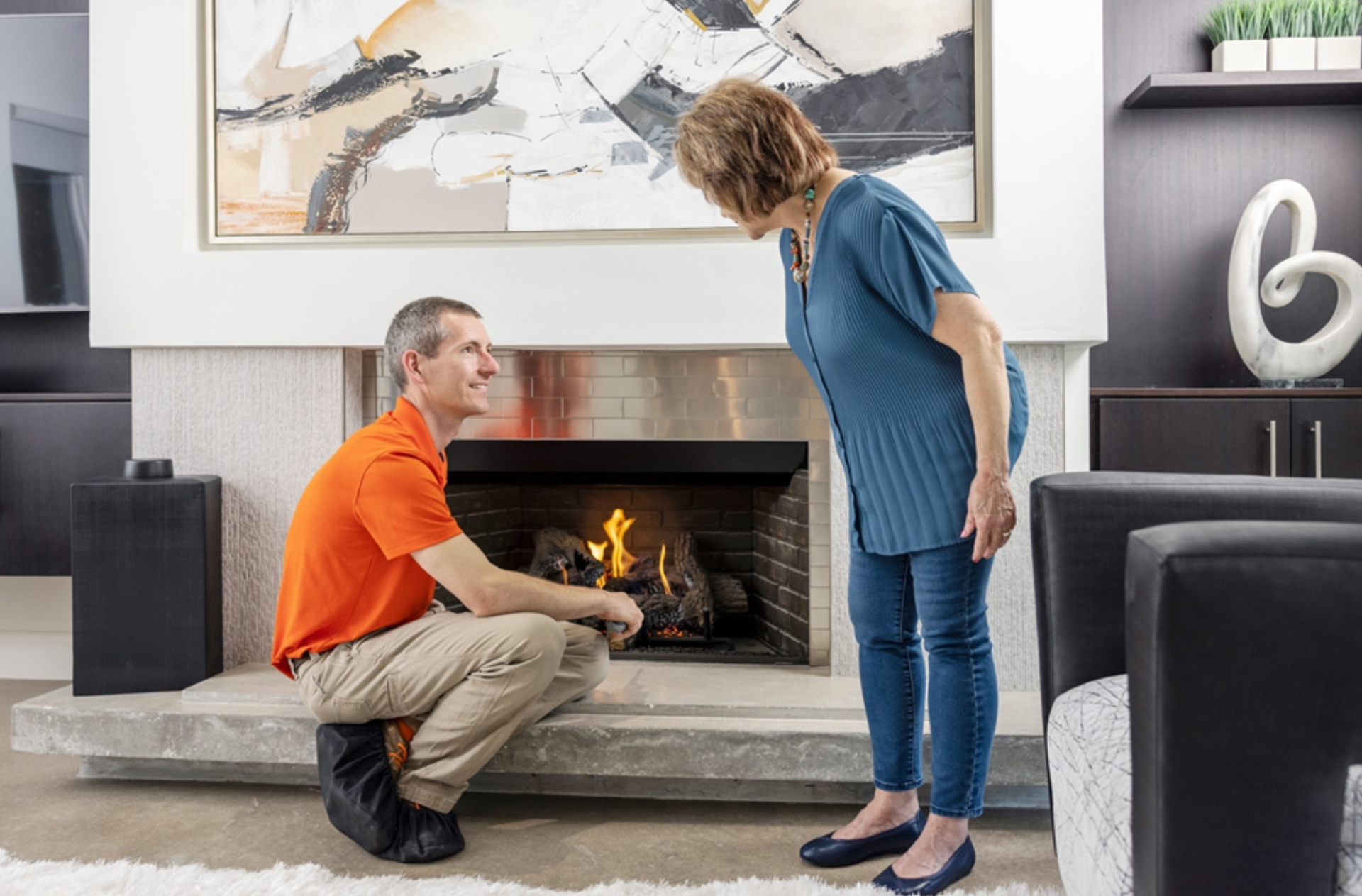
1. Home Buyers & Sellers
During a home purchase or sale, a Level II inspection offers peace of mind by revealing defects that a visual only inspection could miss. Sellers can proactively address issues and build buyer confidence; buyers can better negotiate or walk away if necessary.
2. Real Estate Agents & Realtors
Recommending a Level II inspection as part of due diligence distinguishes your service and reduces surprises that stall deals. It protects your buyer physically and financially.
3. Homeowners & Upgraders
If you convert from a wood-burning fireplace to gas logs (or vice versa), install new equipment, or suspect damage (after storms or fire), a Level II inspection can validate safety and compliance.
4. Commercial or Multi-unit Properties
Larger systems, multiple flues, or nonstandard venting arrangements carry more risk. A Level II inspection helps with risk management, insurance compliance, and maintenance planning.
What Exactly Does a Level II Chimney Inspection Cover?

Here’s what your client should expect:
1. Full Visual Examination of Accessible Areas
The inspector examines all visible parts of the chimney structure: inside the building (basements, attics, crawl spaces), roof penetrations, flashing, chimney crown, cap, masonry, exterior structure, and connections to appliances.
2. Video Scan of Interior Flue(s)
A camera is inserted through the flue (or flues) to look for cracks, separations, liner damage, blockages, offsets, or deposits. This allows inspection of parts of the chimney that are not visible to the naked eye.
3. Appliance & Venting Review
The inspection includes verifying that connected appliances (fireplaces, stoves, inserts) are properly vented, that clearances and connections are proper, and that any changes in appliance rating or fuel type are compatible.
4. Report, Photos, & Recommendations
A detailed report is provided, with images and video clips, highlighting issues, safety hazards, and repair recommendations.
5. Follow-Up / Post-Repair Verification
If repairs are done, a reinspection should be done to confirm whether defects were properly addressed, and no residual problems remain.
Common Issues Found in Level II Inspections & Their Implications.
| Defect Type | What It Means | Risk & Impact |
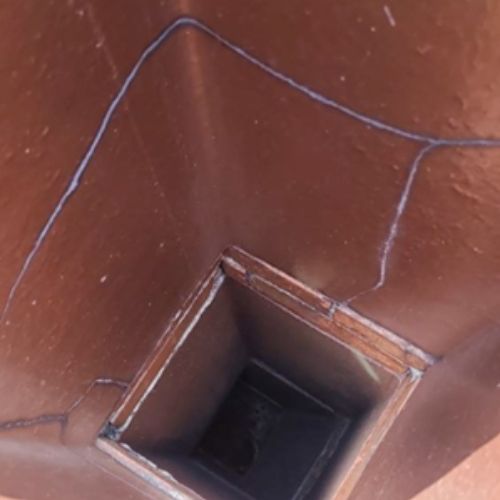 Cracked / deteriorated flue liner
 |
Liner may be compromised, allowing heat or gases to impact masonry or framing | Fire hazard, carbon monoxide intrusion |
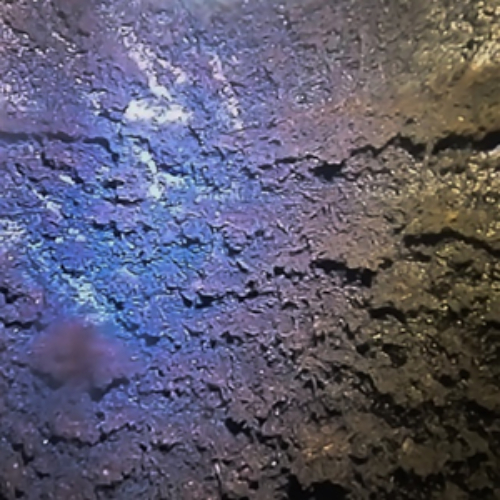 Blockages / obstructions
 |
Creosote, soot, debris, animal nests | Poor draft, backup of smoke, risk of flame reaching flammable materials |
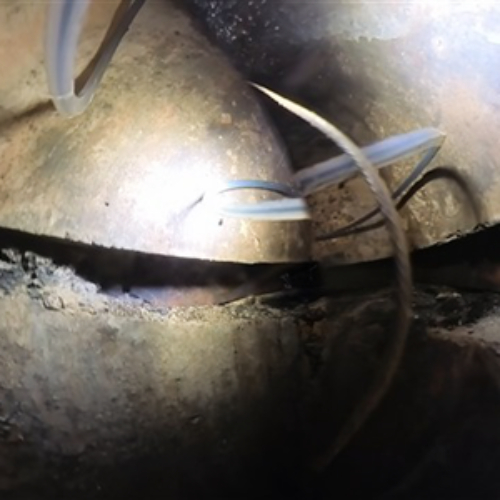 Joint separations / offsets
 |
Gaps or misalignment in liner units or mortar joints | Gas or heat leakage, weakened structural integrity |
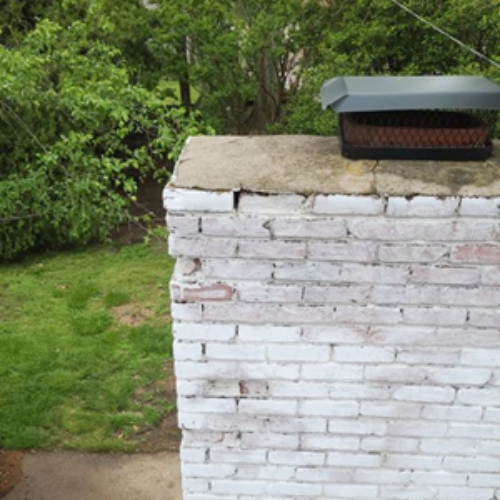 Corrosion or spalling masonry
 |
Brick degradation, mortar loss, mortar joints weakening | Water intrusion, structural instability, chimney leaks |
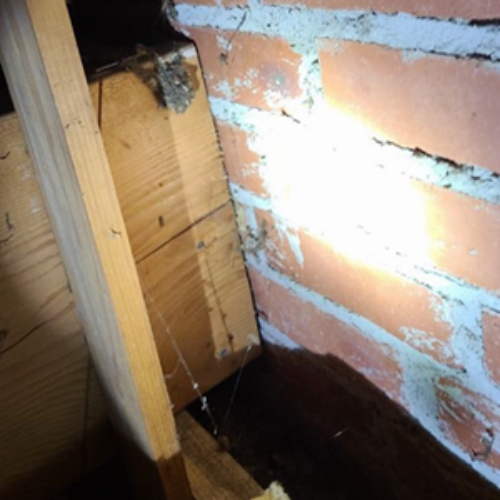 Improper clearances or combustibles encroachment
 |
Chimney or flue too close to wood, framing, drywall | Elevated fire risk |
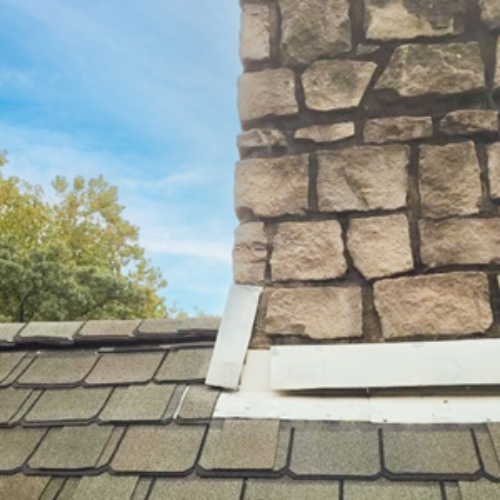 Roof flashings, crown, cap damage
 |
Cracks, failed seals, improper flashing | Water intrusion, freeze/thaw damage, deterioration over time |
These defects, if undetected, can evolve into serious hazards — structural damage, fire risk, indoor air quality problems, and expensive repairs.
Cost, Timing & Limitations.
$135+In many U.S. markets, Level II inspections start around $135 but can be much higher depending on chimney complexity. In the Tulsa/Oklahoma area, local pricing will vary according to height, number of flues, access difficulty, and review requirements. At Assured Home Inspectors, we charge 135 per chimney. |
<1 HOURMost level II inspections take less than an hour but can be longer depending on chimney configuration, accessibility, and reporting needs. |
Limitations & Caveats
This inspection should be treated as a comprehensive diagnostic tool to determine current condition — not a guarantee of lifetime performance. |
$135+
In many U.S. markets, Level II inspections start around $135 but can be much higher depending on chimney complexity. In the Tulsa/Oklahoma area, local pricing will vary according to height, number of flues, access difficulty, and review requirements. At Assured Home Inspectors, we charge 135 per chimney.
<1 HOUR
Most level II inspections take less than an hour but can be longer depending on chimney configuration, accessibility, and reporting needs.
Limitations & Caveats
- Video cameras may not traverse severely damaged or collapsed sections
- Hidden defects behind walls or deep in inaccessible areas may remain unseen
- Some structural issues may require partial dismantling (which is a Level III inspection)
- Interpretation depends on inspector’s experience and certification
- The inspection reflects condition at that moment; later events (settling, storms) may alter integrity
This inspection should be treated as a comprehensive diagnostic tool to determine current condition — not a guarantee of lifetime performance.
Why Level II Chimney Inspection (Not Just Level I)?

A Level I inspection is a basic check for obvious defects in accessible portions of the chimney system. It does not include video scanning of the flue or in-depth evaluation beyond visible areas.

A Level II broadens that with camera scanning, deeper access inspection, and is the recommended level for real-estate transactions or when changes or damage are suspected.

A Level III inspection is the most invasive — requiring removal of parts of the chimney structure — and is reserved for when significant hazards are suspected but not resolvable by Level II methods.
Because real estate transactions, appliance changes, or events like chimney fires or storm damage often require a deeper view, Level II is the “default elevated standard” for safety, documentation, and negotiation leverage.
Key Considerations for Tulsa & Eastern Oklahoma

Weather & Moisture Stress
Tulsa’s freeze-thaw cycles, heavy rains, and humidity can exacerbate mortar joint deterioration, cracking, and water infiltration — accelerating masonry failure.

Aging Chimneys & Materials
Many homes, especially older ones, use masonry or clay liners subject to decades of degradation, settling, or shifting.

Local Building Codes / NFPA Standards
While Oklahoma does not have a single mandated statewide chimney inspection law, many local building or fire codes refer to NFPA 211 standards or municipal regulations requiring inspections or compliance when remodeling or transferring property.

Insurance & Safety Risks
Some insurance underwriters may require recent chimney inspections or reports. A Level II inspection offers a documented assessment that can support claims or compliance.

Access Challenges
In Tulsa-area homes with steep roofs, multiple stories, or constrained space, accessing chimney crowns or flue tops may be difficult. The inspector must take safety precautions, sometimes limiting direct visual roof inspection.
Don’t leave chimney safety to chance.
Whether you’re buying, selling, or maintaining your home, a Level II chimney inspection can reveal hidden issues that a standard visual check can’t.
Add a Level II Chimney Inspection to your home inspection today — it’s the safest way to protect your investment, your home, and your family.
Schedule Your Inspection or Get a Free Quote.
FAQs Level II Chimney Inspections
How AHI Positions Level II Chimney Inspections in Our Services
At Assured Home Inspectors, we recognize that chimneys are critical and often neglected components of a property. To serve our clients effectively:
- We have a Chimney Sweep Institute of America (CSIA) comprehensive chimney inspection certification and are experienced in Tulsa-area conditions
- We recommend Level II inspections when appropriate (especially in real estate transactions)
- We provide detailed video and photo documentation and explanations you can share with buyers, sellers, or contractors
- We remain objective — we identify issues, but leave repair decisions to qualified trades. We are a truly independent party.
- We advise follow-up inspections or maintenance frequencies based on condition, age, and defects
By providing chimney inspections (especially Level II) into our inspection processes, AHI reduces surprises, supports smarter negotiations, and helps protect your investment.
Final Thoughts
A chimney defect is rarely obvious from a glance. Hidden flaws in the flue, liner, masonry, or venting can pose real risks of fire, smoke damage, or carbon monoxide intrusion. A Level II chimney inspection brings clarity, safety, and documentation to your transaction or maintenance plan.
If you’re a buyer, seller, real estate professional, homeowner, or investor in Tulsa or eastern Oklahoma, don’t settle for visual cursory checks. Ensure your chimney is truly safe.
To learn more about how Assured Home Inspectors handles Level II chimney inspections (or related services), or to schedule an inspection, get in touch. Call or text 918.853.5113, request a free quote, or add it on to your inspection. Let us help you protect your home, your safety, and your peace of mind.
The post Why a Level II Chimney Inspection Matters in Tulsa & Eastern Oklahoma appeared first on Tulsa Home Inspections - Residential and Commercial Inspection Services in Tulsa, Oklahoma.
]]>The post Why Sewer Line Camera Inspections Matter in Tulsa & Eastern Oklahoma. appeared first on Tulsa Home Inspections - Residential and Commercial Inspection Services in Tulsa, Oklahoma.
]]>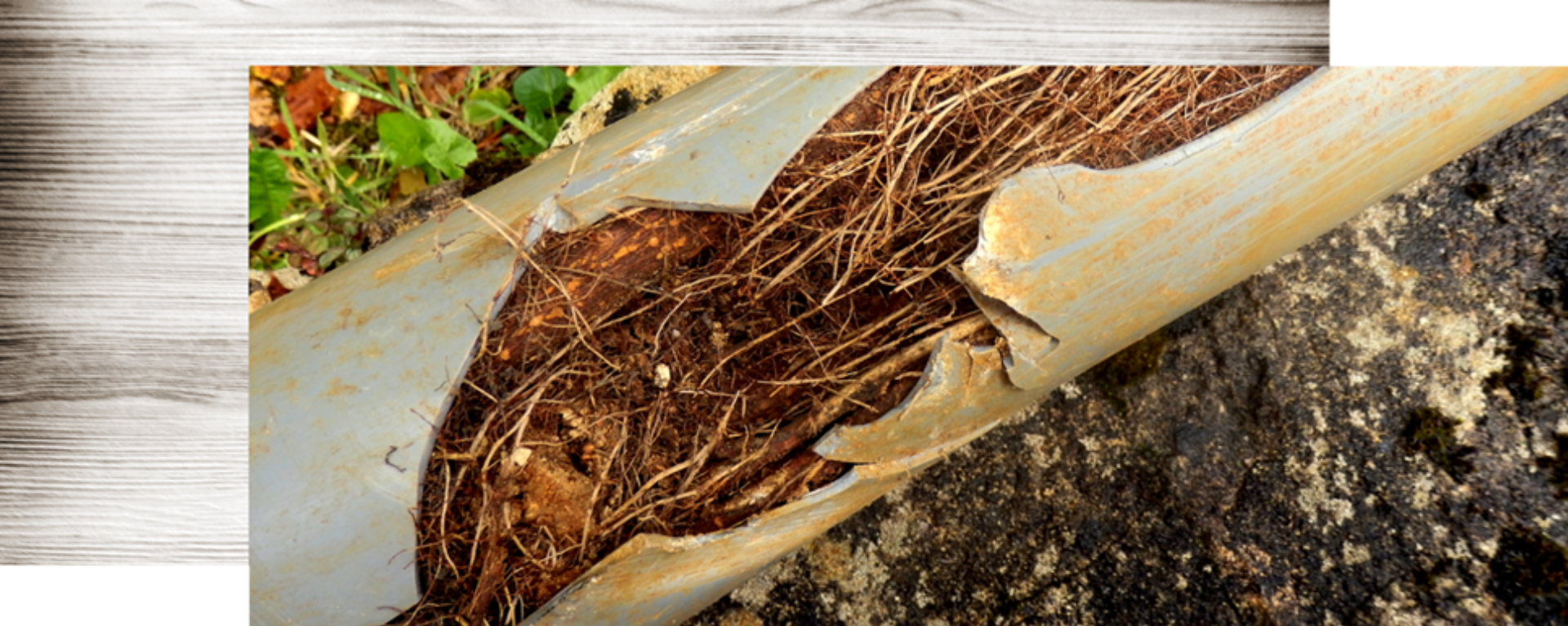
When buying, selling, investing in, or simply maintaining a property in Tulsa or surrounding communities (Broken Arrow, Bixby, Jenks, Owasso, Sand Springs, etc.), many hidden costs and headaches can lurk underground—especially in the sewer lateral (the pipe between the building and the municipal or septic connection). A sewer-line camera inspection uses a waterproof, high-resolution camera pushed through the interior of the pipe (often via a cleanout access) to visually inspect for defects such as:
- Breaks, cracks, or corrosion
- Bellies or sagging sections in the pipe
- Root intrusion
- Joint separations or offsets
- Debris, grease, or scale buildup
- Collapsed or crushed pipe
- Blockages or foreign object obstruction
This kind of inspection is non-destructive, and the video allows you to see the condition of the pipe which would otherwise be unknow. This is helpful because it allows you to negotiate with the homeowner in the form of either repairs or other concessions. If you have a problem, it is much better to know about it before you get a backup. The cost of sewer line repairs can vary greatly depending on the property. The biggest factors include length, depth, and access. If issues are found, you can get pricing from a plumbing contractor so you can make an informed decision about the home or commercial building purchase.
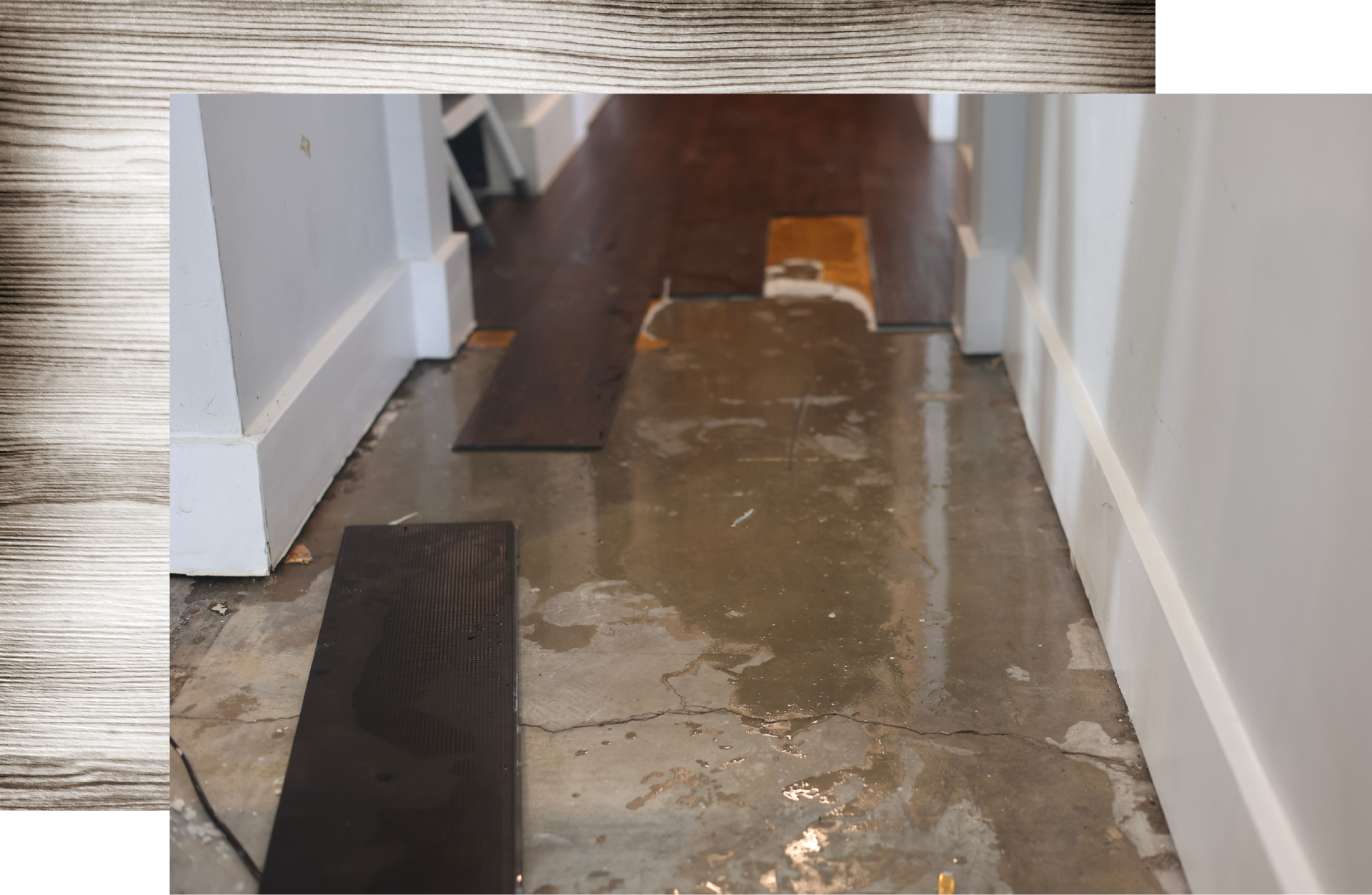
Who Benefits from a Sewer Camera Inspection?
1. Home Buyers & Near Buyers
When purchasing a home, the interior, exterior, and roof get plenty of scrutiny—but the sewer lateral is often neglected. A camera inspection can reveal hidden defects (pipe collapse, tree roots, offsets) that could cost tens of thousands to repair. It helps you understand the conditions of the sewer pipe and negotiate repairs, concessions, or accept the condition. Oklahoma has disclosure laws around real estate, so if defects are found and they don’t address them with the buyer, they must disclose to any other buyers.
2. Real Estate Agents
Your clients expect you to guide them to trustworthy inspections. Recommending or arranging sewer camera inspections can distinguish you in the market—particularly in older neighborhoods with clay, cast iron, or chronically root-invaded pipes. No agent wants to get a call that their buyers new home has sewage issues.
3. Investors & Flippers
For rental or flip properties, discovering sewer issues before purchase helps you budget for repairs. A video inspection can prevent surprise costs. If the new buyer does a drain inspection and you didn’t, you may have to cover the cost of repair or replacement, the buyer may no longer be interested, and timelines can be delayed to allow for work to be completed.
4. Homeowners & Sellers
If you’re selling, preemptively doing a camera inspection can identify and fix problems before listing. That avoids delayed closings or renegotiations. For existing homeowners, regular inspections (every 5–10 years, or sooner if you notice backups) help you catch developing problems early and budget appropriately.
5. Commercial / Multi-unit Properties
Laterals for apartment buildings, strip centers, or office complexes are more expensive to repair. Having video documentation of condition helps in planning maintenance, budgeting, and in lease negotiations. The cost of downtime can also be a significant factor.

What to Expect.
Here’s a typical workflow when AHI (or an associated plumbing collaborator) does a sewer line camera inspection in Tulsa:
- Locate the cleanout access The inspection begins from an accessible cleanout or access point near the building or near the street/main sewer connection. If no clean out is present, we will attempt to inspect through a vent pipe on the roof. In the event that no clean out can be located, the roof vent doesn’t allow for inspection (either due to pitch or roof or design of the vent) we then have to have the seller help make accessible. Frequently they will know of a hidden or buried clean out. If not, the home owner or a plumber can remove a toilet to allow for inspection. Our policy is to refund the inspection fee if the inspection can not be completed due to access.
- Camera insertion and navigation A flexible push cable carries the camera through the pipe. The inspector records the video and takes pictures if appropriate.
- Generate report & locate defects HI will review the video with the customer and include comments in the report identifying the issues or concerns and making recommendations for repairs or replacement as appropriate. View a sample report and video.
- Consult on repair options Based on what the video shows, repairs may include root cutting, targeted patching or relining, or full replacement. If needed, we recommend having a review so they can help determine the scope of repairs and provide pricing. We provide the video using one drive so it can be easily sent to any contractors by just sharing a link.
- Post-repair video validation (if repairs done) After repair, a camera should be sent again to verify that the defects were properly addressed (i.e. the roots are removed, no residual debris, proper alignment). This is frequently done by the plumbing contractor but if needed, for a fee, AHI can provide a drain reinspection.
Common Defect Types & Their Significance.
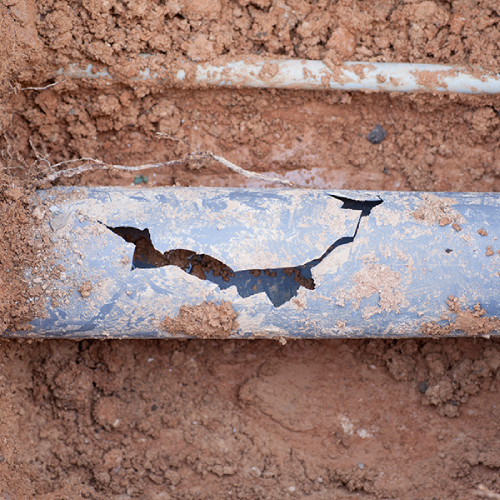
Breaks, cracks, or corrosion
Damage at the pipe can allow water to escape or allow collapse, corrosion can allow reduced flow.
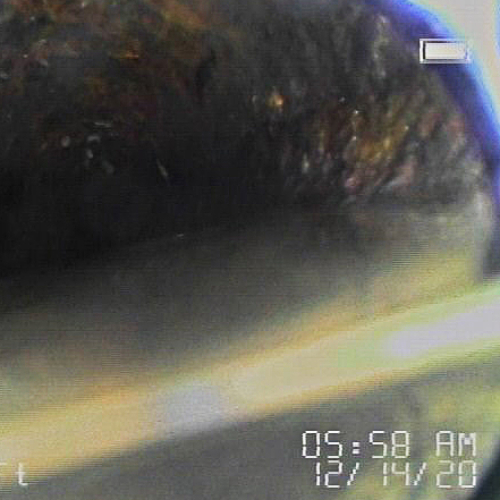
Bellies or sagging sections in the pipe
Areas of the pipe where the pipe does not maintain proper slope. This can allow debris to collect, causing backups.
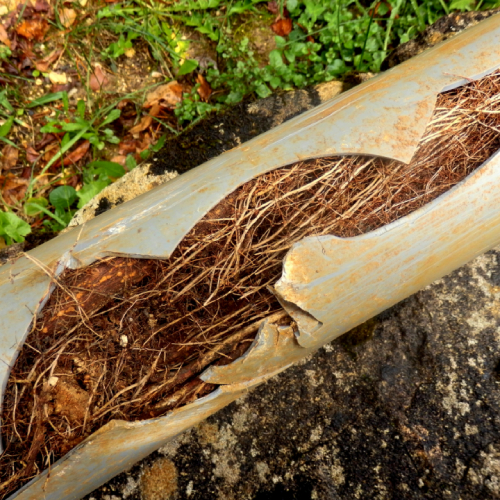
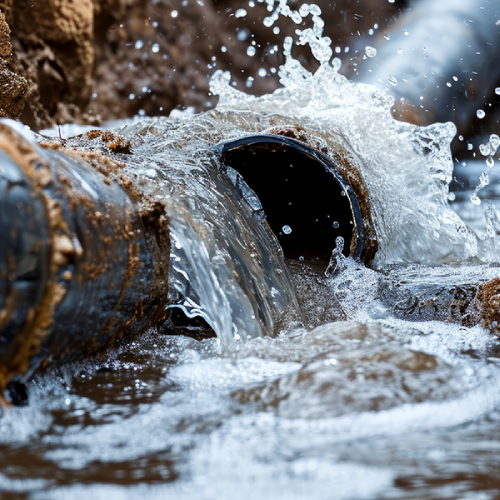
Root intrusion
Very common in older clay or cast iron systems, roots grow into the pipe looking for moisture and as they grow then can catch debris causing backup.
Joint separations or offsets
Misalignments can allow water to escape, allow debris to collect, and allow a space for root intrusion.

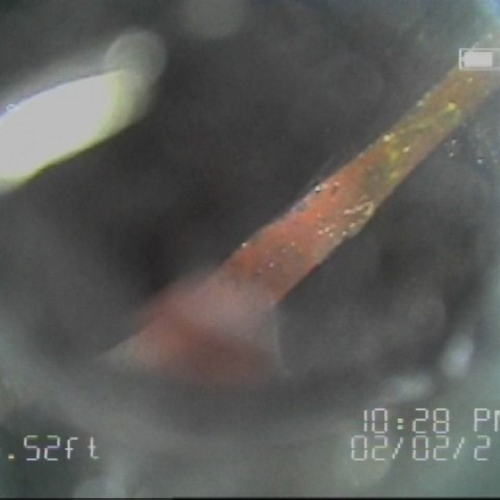
Debris, grease, or scale buildup
Grease, scale, rocks, collapsed pipe, stuff in the pipe can prevent proper flow and operation.
Collapsed, crushed or blockages in pipe
Collapsed or crushed sections restrict or block flow, often from soil pressure, roots, or heavy loads.
Tulsa-Area Context & Challenges.
Older Pipe Materials
Many Tulsa area homes (especially in older neighborhoods) were built with clay, cast-iron, or vitrified clay piping—materials prone over decades to root infiltration, corrosion, offset joints, and fractures. The camera inspection helps expose whether these aging systems remain serviceable.
Soil, Ground Movement & Tree Roots
Eastern Oklahoma’s clay soils expand and contract with moisture. Ground shifts can stress buried pipes, leading to cracks or separation. Moreover, the region has many mature trees whose roots naturally seek water and nutrients, sometimes infiltrating joints.
Use of Trenchless Repair Methods
Because trenching across lawns, driveways, or patios is highly disruptive, many local plumbing companies in Tulsa promote trenchless repairs such as cured-in-place pipe (CIPP) lining or pipe bursting.
Utility Locating & Subsurface Hazards
Before doing any repair work, subterranean utilities must be located (gas, electric, fiber) to avoid damage. Using Okie dig/dialing 811 is an important tool to identify where the utilities are located.
Local Permits & Sewer Connection Rules
Cities like Tulsa typically require permit and inspection when connecting a building’s sewer to municipal lines. The city’s “Use of Sanitary Sewers” code mandates inspections and fees on sewer-related permit applications.
These local factors make video inspection not just valuable—but almost essential to avoid surprises.
Cost, Timing & Limitations.
$225Assured Home Inspectors charges $225 for camera inspection per main line. Typically this is just one per home, but if a home is really big, has been added onto, or if it is a commercial property, it may have multiple mains. |
~30 MinThe camera inspection is typically completed in less than 30 minutes, but can take longer if access is difficult or there are multiple mains. |
Limitations
|
$225
Assured Home Inspectors charges $225 for camera inspection per main line. Typically this is just one per home, but if a home is really big, has been added onto, or if it is a commercial property, it may have multiple mains.
~30 Min
The camera inspection is typically completed in less than 30 minutes, but can take longer if access is difficult or there are multiple mains.
Limitations
- The camera may not traverse through a full collapse or complete blockage. We do not push past areas where we feel we could cause damage.
- Extremely tight bends or rigid pipe offsets may impede navigation.
- Video does not directly quantify pipe strength (i.e. the pipe may look intact but have reduced structural integrity).
- Interpretation depends on the skill of the operator.
- The pipe condition can change over time. (i.e. as a pipe settles, a belly may get worse or if the drain is leaking it can cause movement of the pipe.)
FAQs
How AHI Positions Sewer Camera Inspections in Our Services.
At Assured Home Inspectors, we understand that many clients are wary of unseen sewer issues. That’s why we:
- Provide a video you can share with sellers, or contractors. We document the conditions and make recommendations as appropriate.
- Use the findings to help clients make educated decisions (repair now, budget for future work, negotiate credits)
- Offer guidance on repair options (traditional or trenchless) while remaining objective
- Recommend periodic follow-up inspections based on findings, age, and severity
By integrating sewer-line camera inspections into your overall inspection, AHI helps you reduce the potential for surprise costs and gives you the leverage you need to negotiate if repairs are needed.
Final Thoughts.
Hidden sewer line issues don’t have to be a gamble in Tulsa or Eastern Oklahoma. A proper sewer line camera inspection gives clients clarity, confidence, and evidence-based insight into the condition of underground plumbing. Whether you’re a home buyer, investor, realtor, commercial buyer, or homeowner, that visibility is critical to avoiding catastrophic surprises.
To learn more about how Assured Home Inspectors handles sewer camera inspections—or to schedule yours—visit our Sewer Line Inspection page or call or text 918.853.5113. Let us help you protect your investment and gain peace of mind underground.
The post Why Sewer Line Camera Inspections Matter in Tulsa & Eastern Oklahoma. appeared first on Tulsa Home Inspections - Residential and Commercial Inspection Services in Tulsa, Oklahoma.
]]>The post Radon Gas Testing During Home & Commercial Inspections in Tulsa appeared first on Tulsa Home Inspections - Residential and Commercial Inspection Services in Tulsa, Oklahoma.
]]>
When you’re buying a home or evaluating a commercial property in Tulsa, safety and investment value go hand in hand. While radon gas is a major concern in some parts of the country, Tulsa County and much of Oklahoma are classified as lower-risk areas. Still, radon varies property by property, which makes testing an important step in due diligence.
This guide walks through the facts: what radon is, what the data shows in Tulsa, how testing works, what results mean, and what to do if levels are elevated.
Radon Basics in Plain English
Radon is an odorless, invisible radioactive gas produced by the breakdown of uranium in soil and rock. It can seep into buildings through cracks in the foundation or slab. Long-term exposure to elevated levels increases the risk of lung cancer, making it the second leading cause of lung cancer in the U.S. after smoking (EPA & CDC).
Because radon can’t be seen, smelled, or tasted, testing is the only way to know a property’s level.
Radon at a Glance in Tulsa County
- EPA Zone 3 (Low Potential): Tulsa County and surrounding counties (Osage, Rogers, Wagoner, Creek, Okmulgee, Pawnee, Washington) are in Zone 3, where the predicted average indoor screening level is below 2.0 pCi/L.
- Eastern Oklahoma Zone 2 Counties: A handful of counties to the east and west—Mayes, Delaware, Adair, Sequoyah, Cherokee, Cimarron, Texas, Beaver, Ellis—are Zone 2 (2.0–4.0 pCi/L).
- Analysis of CDC testing data (2008–2017) shows Tulsa County’s mean result ≈ 1.8 pCi/L across more than 300 tests, below the EPA action level.
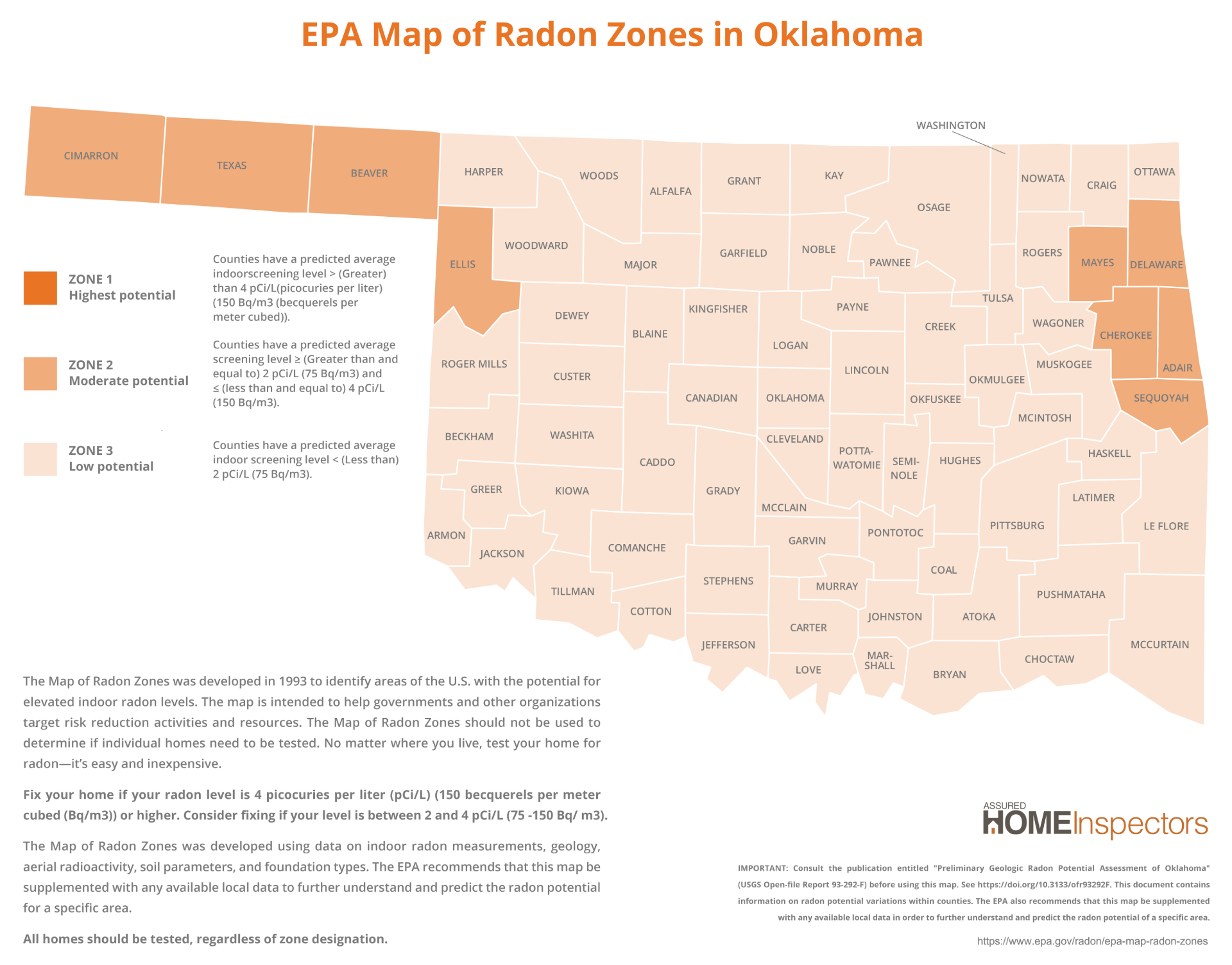
EPA Radon Zones – Oklahoma. Source: U.S. Environmental Protection Agency. Map shows predicted county averages; test all buildings regardless of zone. Public domain image recreated in AHI brand colors
When Radon Testing Makes Sense in Tulsa
Even in a lower-risk area, testing can be worthwhile:
- During real estate transactions (residential or commercial). EPA recommends testing every property rather than relying on neighbor results.
- If a property has a basement or lowest living area, where radon tends to be highest.
- After major renovations or HVAC changes that affect airflow.
- For peace of mind—especially for families, tenants, or employees spending time in lower-level spaces.

How AHI’s Radon Testing Works
- Short-term testing (most common in inspections)
AHI places specialized cartridges on the lowest level of your home or building for a 48-96 hour sampling period. These devices use EPA-approved liquid scintillation technology to measure radon levels with precision. After the testing period, we collect the cartridges and send them to a certified laboratory for analysis. Results are typically available within six business days, giving you timely, reliable data. - Long-term testing
For a clearer annual average, testing over 30–90 days smooths out daily and seasonal swings. - Commercial properties
AHI follows industry protocols to test multiple floors or units as required by HUD, FHA, or investor policies.
Understanding Results
| Radon Level (pCi/L) | What It Means | Recommended Action |
| 0.0 – 1.9 | Well below both WHO** and EPA* benchmarks; typical for Tulsa | No action needed Retest at sale or after major renovations. |
| 2.0 – 2.6 | Above average but below WHO’s** 2.7 reference level | Generally safe consider retesting periodically. |
| 2.7 – 3.9 | At or above WHO’s** reference level but still below EPA’s* action level | Consider mitigation Or at minimum plan for retesting, especially if time is spent in lower levels. |
| ≥ 4.0 | EPA* action level (and above WHO as well) | Mitigation strongly recommended*** Systems like sub-slab depressurization can reduce levels by 80–99%. |
*EPA action level – 4.0 pCi/L. In the U.S., the Environmental Protection Agency recommends taking corrective action if radon levels are at or above this threshold.
**WHO reference level – 2.7 pCi/L. The World Health Organization advises aiming for this lower benchmark, since health risks can occur even below the EPA’s action level.
***Effective mitigation. Proven methods such as sub-slab depressurization are non-disruptive and can typically reduce indoor radon levels by 80–99%.
Cost & Value
Given Tulsa’s generally low average, many properties will test well below action levels—but testing provides certainty and documentation.
| Testing with AHI | Mitigation (If Needed) |
| $200 add-on to any home or commercial inspection | Costs vary but are usually modest compared to the health and investment risks. |
FAQs
In Summary
Radon in Tulsa is generally a low concern compared to many parts of the U.S., but the only way to know your property’s level is to test. As a buyer, seller, or investor, a radon test during your inspection gives you clarity, protection, and peace of mind.
Add radon gas testing to your home or commercial inspection today.
The post Radon Gas Testing During Home & Commercial Inspections in Tulsa appeared first on Tulsa Home Inspections - Residential and Commercial Inspection Services in Tulsa, Oklahoma.
]]>The post What Happens During a Septic–System Inspection? appeared first on Tulsa Home Inspections - Residential and Commercial Inspection Services in Tulsa, Oklahoma.
]]>
A Step-by-Step Look for Tulsa Homeowners and Buyers
If you own a home in the Tulsa area—or are in the process of buying one—understanding your septic system is essential. Septic issues can cause expensive repairs, damage property, and even lead to health hazards. The good news? A professional septic system inspection from Assured Home Inspectors (AHI) can help you avoid all of that.
AHI is a locally owned and operated Tulsa business with more than 12,000 inspections under our belt. Our team provides detailed, unbiased septic tank inspections for both conventional and aerobic systems throughout the greater Tulsa metro.
Let’s explore what a septic inspection includes, what signs to watch for, what it costs in Tulsa, and how to protect your system for the long haul.
Why Septic Inspections Matter in the Tulsa Area
In Tulsa County and surrounding areas like Bixby, Jenks, Sand Springs, and Broken Arrow, many homes depend on private septic systems rather than municipal sewer lines. In fact, around 50% of homes in Oklahoma use a septic system—more than double the national average of 20%. These systems are the homeowner’s responsibility, and without proper care, they can fail—leading to costly repairs and potential health hazards.
Septic inspections help you:
- Avoid costly repairs or system replacements
- Prevent environmental or health hazards
- Protect your home’s value
- Make informed decisions when buying or selling
If you’re purchasing a home with a septic system, some lenders require an inspection before approving a mortgage. Even if it’s not required, a septic inspection is a smart move that could save you thousands.
What’s Included in a Septic Inspection?
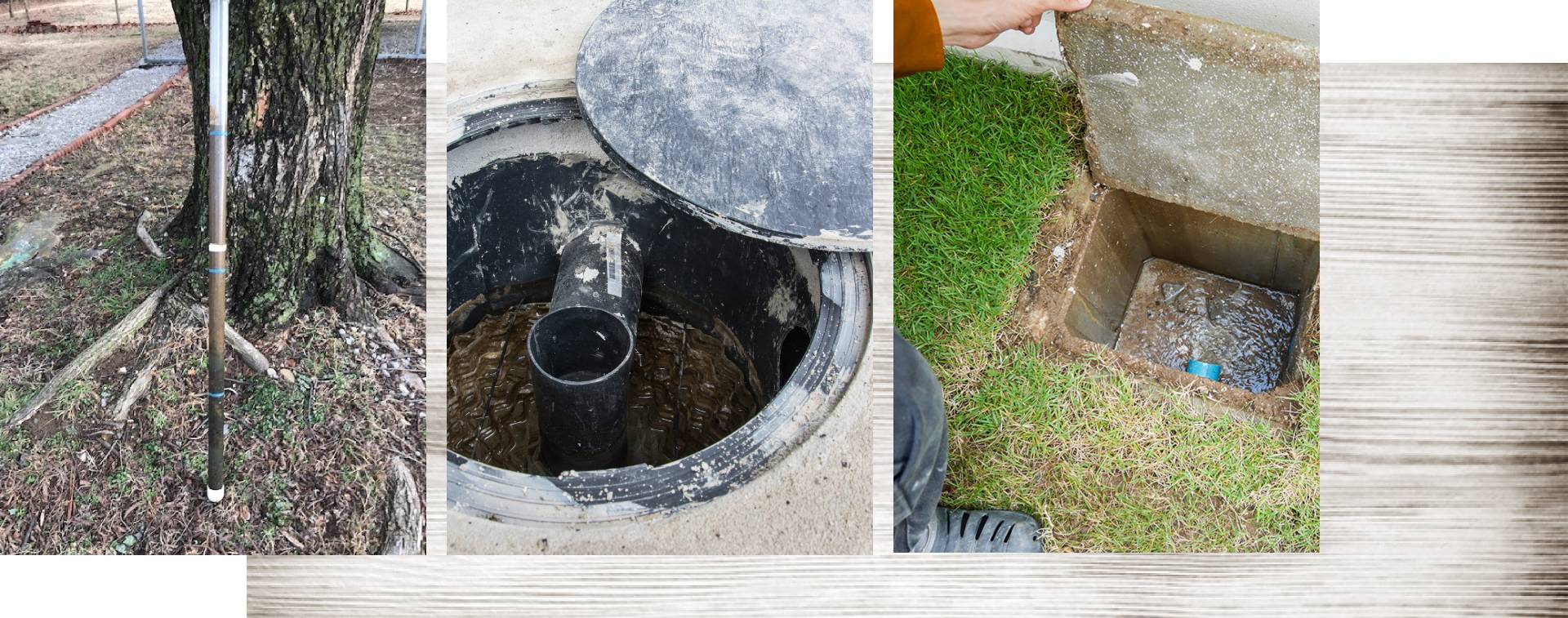
When you book a septic system inspection in Tulsa with AHI, we provide a comprehensive review of all accessible components, depending on what kind of system you have. We evaluate:
| Components Checked | Conventional Septic System | Aerobic Septic System |
| Tank Condition Checking for leaks, cracks, or signs of failure | |
|
| Sludge Levels Determining if the tank needs pumping | |
|
| Baffles Ensuring key parts are in place to keep solids from escaping | |
|
| Flow Test Evaluating how wastewater moves through the system | |
|
| Aeration Components Verifying compressor and treatment operation |  |
|
| Sprinkler Systems Checking for functionality and spray settings | |
|
| Disinfectant Levels Ensuring sanitization is functioning properly | |
|
| Drain Field or Lagoon area Looking for pooling water, odors, or overgrowth | |
|
We use our experience to spot problems early—and give you peace of mind or a clear action plan if repairs are needed.
Common Septic Systems in Tulsa
In the Tulsa area, homeowners typically have one of two system types, conventional or aerobic.
Conventional Systems
- Wastewater enters a large underground tank
- Solids sink to the bottom, oils float to the top
- Liquid effluent drains into a leach field or lagoon
- Requires regular pumping to prevent buildup
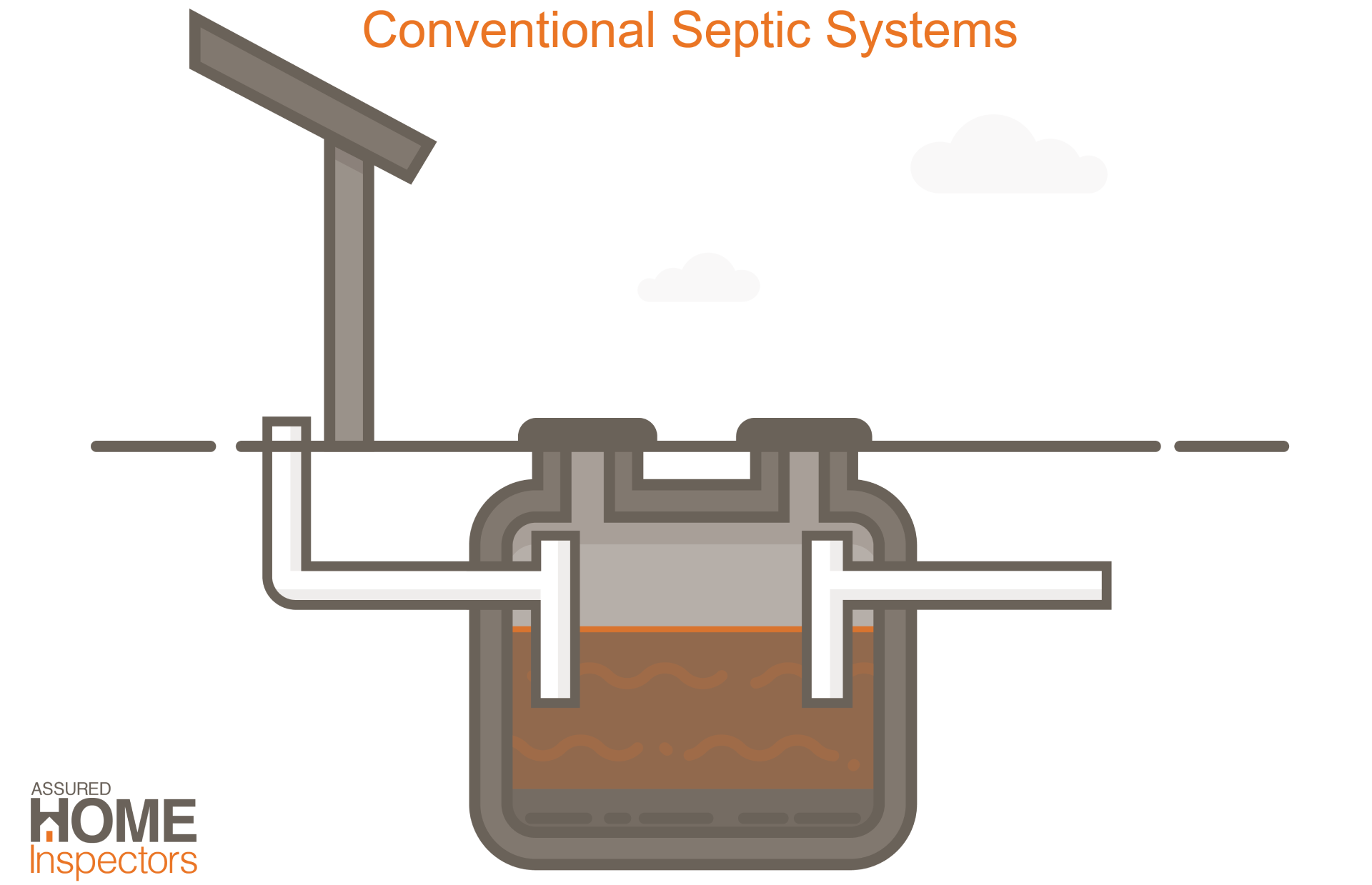
Aerobic Systems
- Wastewater enters the first tank, where solids settle at the bottom. The liquid then flows into a second tank that introduces air to help bacteria break down organic material.
- The water is then disinfected and distributed through sprinklers or a drip system across the yard.
- Aerobic systems require electricity, disinfectant tablets or chlorine, and routine maintenance—including pumping as needed.
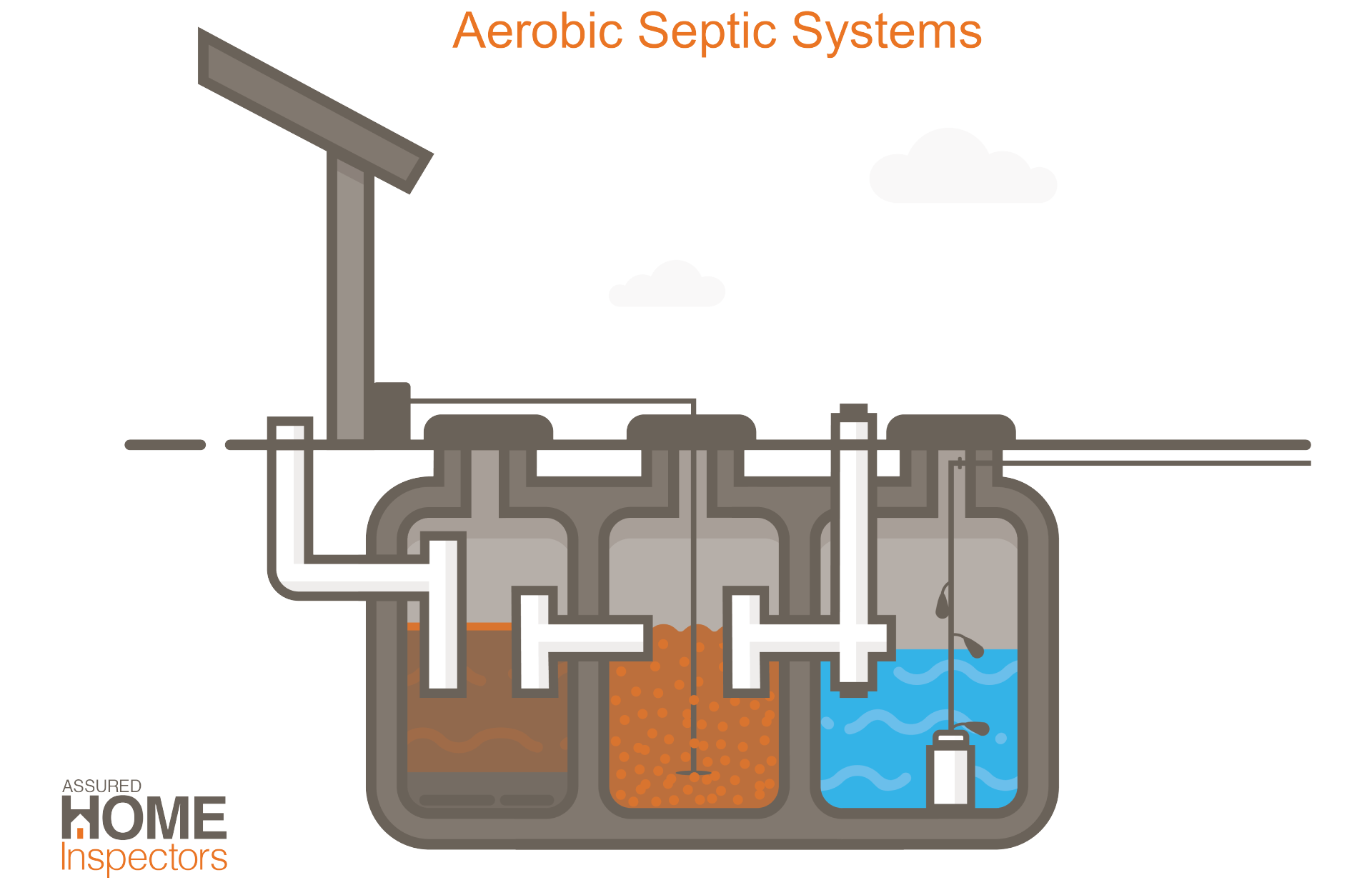
AHI is trained to inspect both system types, giving you detailed insights no matter what system is on your property.
When Should You Schedule a Septic Inspection?
For Buyers
If you’re buying a home in Tulsa or the surrounding area that uses a septic system, you should schedule the septic inspection alongside your home inspection. A general home inspection doesn’t include septic systems, and costly surprises can be buried underground.
For Homeowners
Already living in your home? Regular inspections help you catch small issues before they become big ones. AHI recommends:
- Annually or every 2 years for aerobic systems
- Every 2–5 years for conventional systems
- More often if you’ve experienced past issues, have a larger household, or regularly put extra strain on the system (e.g., heavy water usage or more debris than average).
If you’ve never had an inspection and aren’t sure when the system was last pumped, now is the time to schedule one.
How Much Does a Septic Inspection Cost in Tulsa?
Septic tank inspection costs in Tulsa typically range from $250–$500, depending on:
- Type of system (aerobic or conventional)
- Size and age of the tank
- Ease of access to components
- Whether additional testing is needed
AHI provides clear, flat-rate pricing at $235, with no upsells. We don’t pump tanks ourselves or do any repairs, so you’ll always get honest, unbiased advice about your system’s condition and whether maintenance is needed. Learn more about what’s included in a septic inspection and how our pricing works.
Septic Problems We Catch Before They Cost You
Here are some common issues we help Tulsa homeowners identify before they become emergencies.
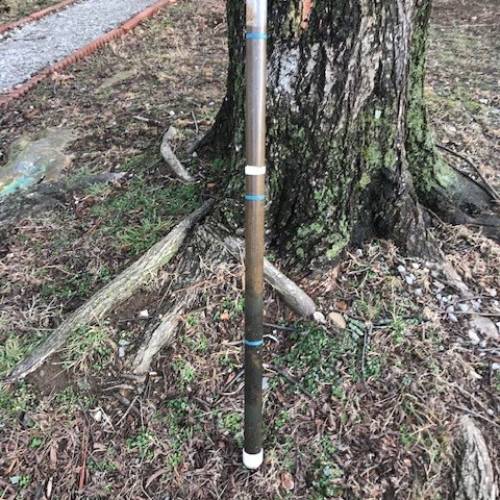
Elevated sludge levels.
Debris collects in the tank and elevated levelsindicate that the tank needs to be pumped.
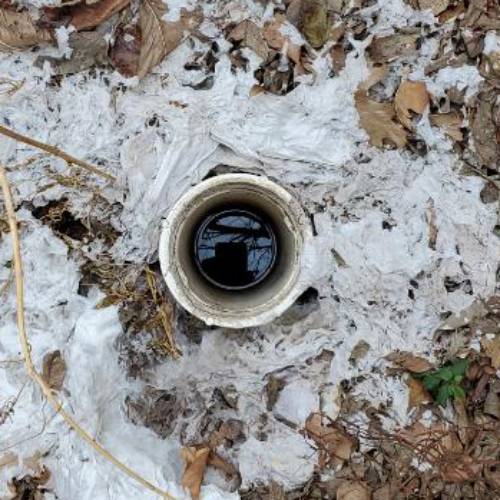
Backups or slow drains.
Water should flow from the tank during use. Backups indicate that the system is not working properly.
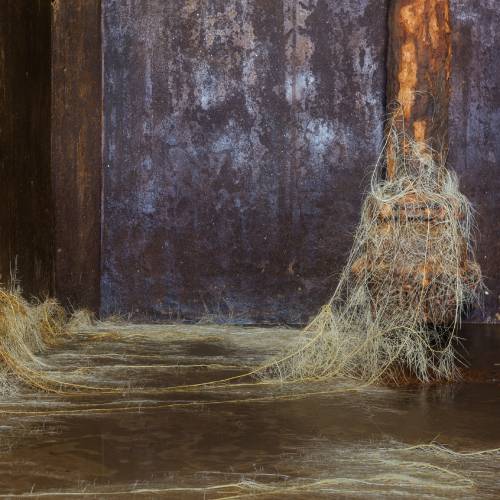
Root intrusion.
Roots grow into the tank preventing proper operation of the system.
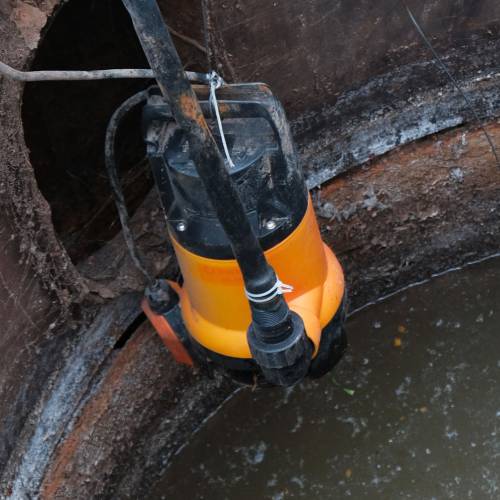
Aerator or pump problems.
Aerobic systems rely on air and water pumps, which require regular service and can fail over time.
If you’re seeing any of these signs, schedule an inspection right away to avoid major repair costs or environmental issues.
Septic System Care: Do’s and Don’ts
Inspections are just one part of a healthy septic routine. Tulsa’s clay soils and weather can put extra pressure on your system, so it’s especially important to follow these care tips:
| Do |
Don’t |
| Use only septic-safe toilet paper. | Don’t flush wipes, paper towels, or feminine hygiene products. |
| Repair leaking faucets and running toilets. | Don’t pour grease, oil, paint, or medication down the drain. |
| Set sprinkler timers to run between midnight and 5 a.m. | Don’t run roof or yard drains into your septic system. |
| Keep the lagoon or leach field clear of trees and structures. | Don’t drive or build over the tank or drain field. |
| Schedule pumping when sludge reaches 40%. | Don’t ignore warning signs like smells or soggy soil. |
Following these simple rules will extend the life of your system and help you avoid emergencies.
FAQs
Looking for a Septic Inspection Near You in Tulsa?
Whether you’re buying a new home or want to keep your current system running smoothly, Assured Home Inspectors offers the most reliable septic system inspections in Tulsa and surrounding areas, including Broken Arrow, Bixby, Jenks, Owasso, Sand Springs, and more.
We’re local. We’re experienced. And we’re committed to helping you make smart decisions that protect your home and family. Don’t wait until a backup happens to find out what’s going on underground. Book your septic inspection in Tulsa with Assured Home Inspectors.
Call or text 918.853.5113 or visit assuredhomeinspectors.com/septic-system-inspection to schedule your inspection.
The post What Happens During a Septic–System Inspection? appeared first on Tulsa Home Inspections - Residential and Commercial Inspection Services in Tulsa, Oklahoma.
]]>The post Structural Home Inspections in Oklahoma: Costs & Benefits appeared first on Tulsa Home Inspections - Residential and Commercial Inspection Services in Tulsa, Oklahoma.
]]>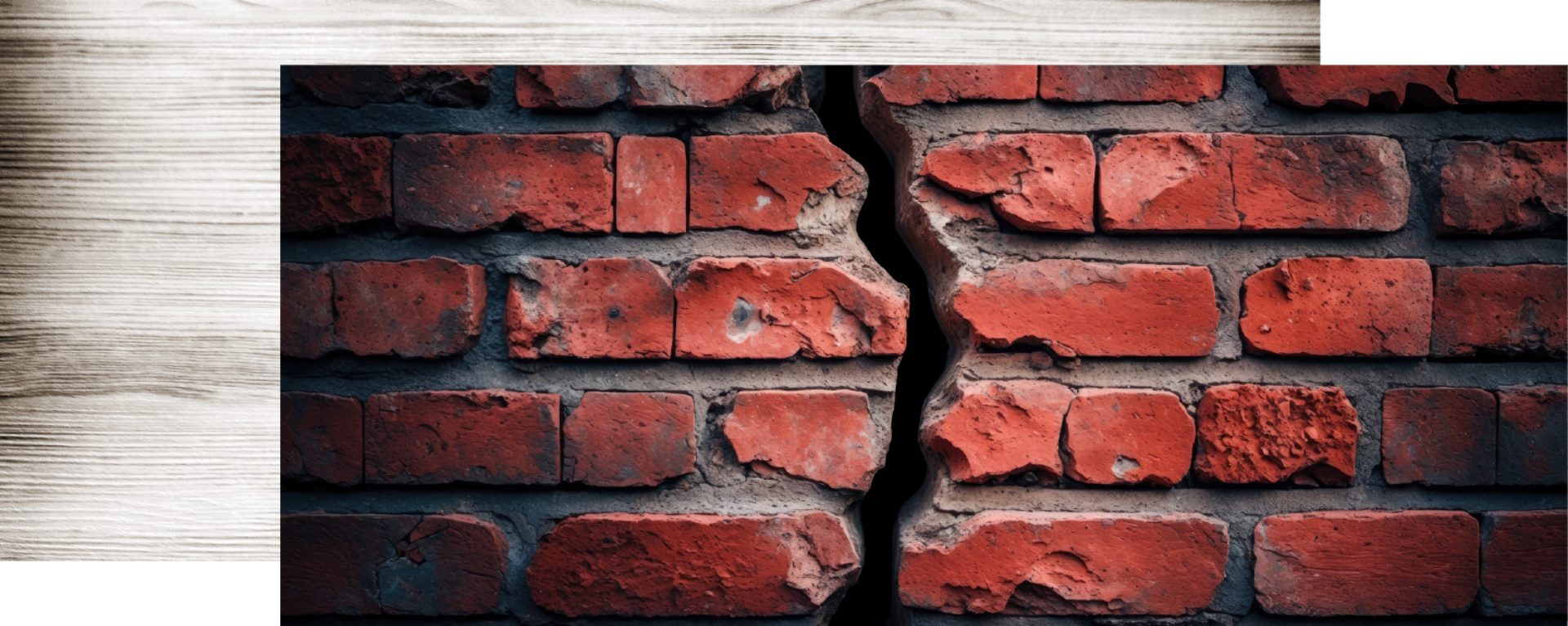
Table of Contents
- Key Takeaways
- Why Structural Inspections Matter in Oklahoma
- Home Inspection vs. Structural Inspection: Understanding the Difference
- Typical Costs for Structural Inspections in Oklahoma
- Top Benefits of Structural Inspections
- Common Structural Issues in Oklahoma Homes
- FAQs
- Why Choose Assured Home Inspectors for Structural Inspections
- Book Your Structural Inspection
Key Takeaways
- Structural inspections are essential, especially when buying, selling, renovating, or after extreme weather.
- Costs range: $450–$600+, but often pay for themselves by preventing catastrophic repair bills.
- Structural inspections complement, not replace, general home inspections.
- For safety, value, legality, and financial negotiation, hiring a licensed structural engineer is a smart investment.
Why Structural Inspections Matter in Oklahoma
Oklahoma’s climate—characterized by wide temperature fluctuations, high winds, and occasional severe weather—can accelerate structural wear. A thorough structural home inspection analyzes critical components (foundation, framing, support systems, roof) to identify hidden damage before it becomes a safety hazard or a financial burden.
For both buyers and homeowners, structural concerns can be overlooked during standard home inspections. Certified structural engineers deliver specialized evaluations like this one, that pinpoint integrity issues the typical home inspector might flag but can’t fully assess.
Home Inspection vs. Structural Inspection: Understanding the Difference
A home inspector flags cracked walls or sagging floors, but a structural engineer confirms the severity and underlying causes—and recommends a fix. Calling both is often the most sensible path: start with a home inspection, then bring in a structural evaluation if concerns arise.

Home vs. Structural Inspection: Key Differences
| Feature | Home Inspection | Structural Inspection |
| Performed By | Certified Home Inspector | Licensed Structural Engineer |
| Primary Focus | General condition of systems | Load-bearing and foundation integrity |
| Scope | Roof, HVAC, plumbing, electrical, visible structure | Foundation, framing, beams, roof structure |
| Best For | Initial assessment during buying/selling | Detailed follow-up or structural concerns |
| Cost Range | $400 – $675+ | $450 – $600+ |
Learn more about our Structural Inspections here.
Typical Costs for Structural Inspections in Oklahoma
When budgeting for a structural inspection in Oklahoma, it’s important to understand that pricing can vary widely depending on the property’s condition and what’s being evaluated. While some inspections are straightforward, others may require a more detailed analysis or engineering report. Local factors—like shifting soil, storm damage, and the age of the home—often influence the complexity and cost. Below are the most common variables that affect pricing in the Tulsa area and beyond.
Factors affecting price in Oklahoma:
- Home size/age
- Extent of visible damage
- Weather stressors
- Scope required (brief evaluation vs. full remediation plan)
Assured Home Inspectors Structural Inspection Pricing in Oklahoma
| < 3,000 sq. ft. | $450 |
| 3,001 – 5,000 sq. ft. | $600 |
| 5,001 + sq. ft. | Call for Price |
Top 5 Benefits of Structural Inspections

Safety First
Identify load-bearing defects, compromised beams, and unstable foundation.

Save Money
Spot small issues early before they become costly.

Preserve Home Value
Proper documentation reassures buyers.

Informed Negotiations
Use repair estimates to negotiate.

Smooth Renovations
Plan safely for additions or alterations.
Common Structural Issues in Oklahoma Properties
In the Tulsa area, structural issues often follow consistent patterns due to soil movement, moisture changes, and aging construction. Based on thousands of inspections, some of the most common problems we encounter include faulty or inadequate previous structural repairs, faulty or ineffective piers, and damaged or weakened framing, particularly in attics and crawl spaces. These problems not only compromise the safety and stability of a home, but they can also lead to costly repairs if not caught early. The real examples below are from local inspections, offering a clear picture of the structural challenges Oklahoma homeowners frequently face.
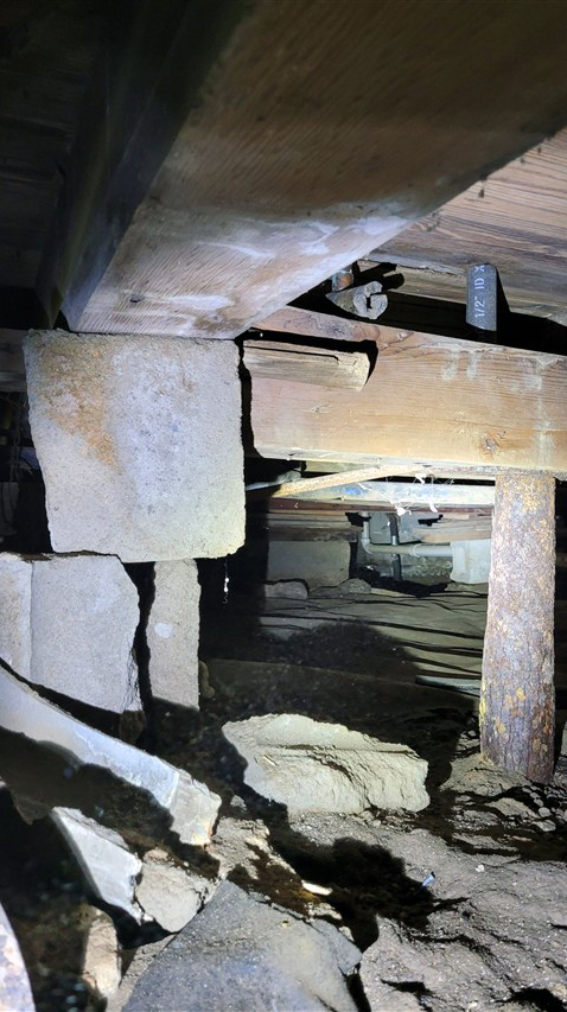
Structure Repair
We frequently find faulty or inadequate previous structural work and repairs
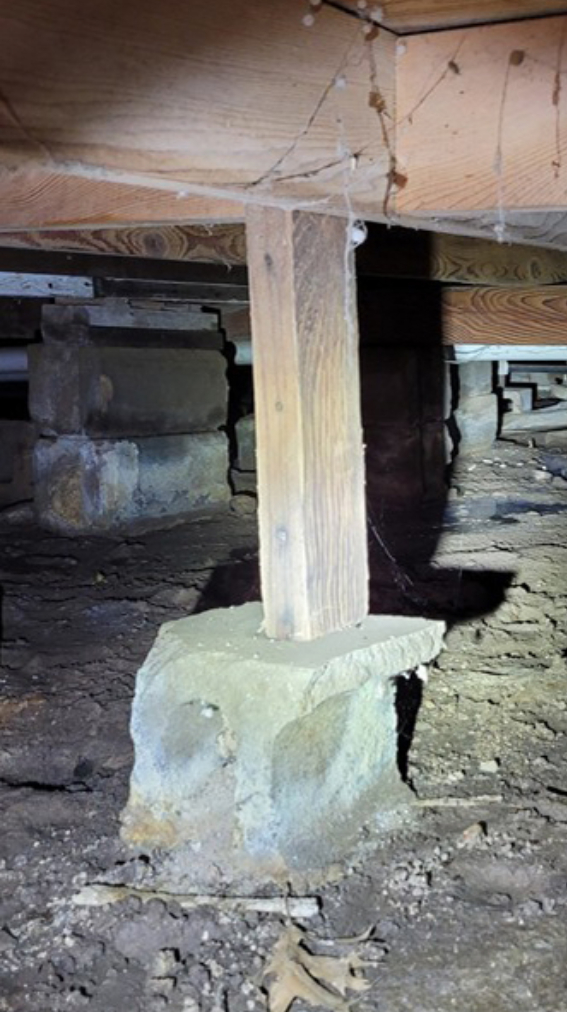
Faulty Piers
We often see piers that are improperly installed.
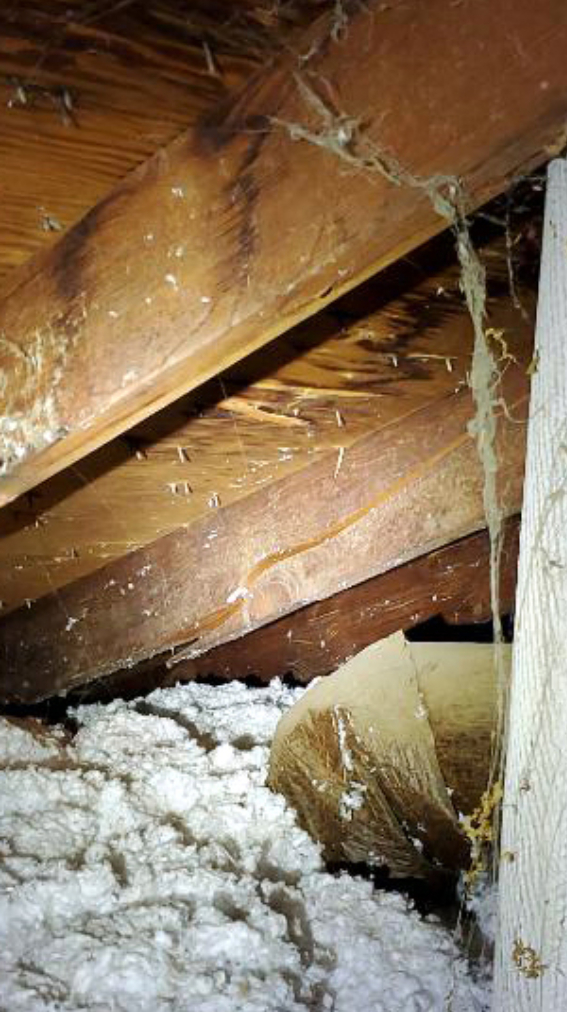
Damaged Framing
We check attic and crawl spaces for framing that is defective or damaged.
FAQs
Why Choose Assured Home Inspectors for Structural Inspections
At Assured Home Inspectors, we’re trusted by homebuyers, sellers, and real estate professionals throughout the Tulsa metro—including Broken Arrow, Bixby, Jenks, and Owasso. We partner with licensed structural engineers to deliver detailed, reliable assessments when it matters most.
With our structural inspection services, you’ll get:
- A deep evaluation of foundation, framing, and structural integrity
- Honest, experience-backed insights from qualified professionals
- Clear, structural evaluation report with diagrams you can actually understand (See sample)
- Fast scheduling and quick turnaround
- Support before, during, and after your inspection
Whether you’re dealing with visible cracks, planning a remodel, or need to follow up on concerns flagged in a general home inspection, we’ll help you move forward with clarity and confidence.
Book Your Structural Inspection
Don’t wait until a minor issue becomes a major repair. A professional structural inspection is one of the smartest investments you can make in your home’s safety and value.
Protect your home. Protect your investment. Trust Assured.
The post Structural Home Inspections in Oklahoma: Costs & Benefits appeared first on Tulsa Home Inspections - Residential and Commercial Inspection Services in Tulsa, Oklahoma.
]]>The post Top 5 Tulsa Home Inspection Issues—and How to Fix Them appeared first on Tulsa Home Inspections - Residential and Commercial Inspection Services in Tulsa, Oklahoma.
]]>
Buying or selling a home in Tulsa? Don’t skip the inspection.
Whether you’re under contract or preparing to list, understanding what might be lurking beneath the surface of a home is essential. In the Tulsa area—including Broken Arrow, Jenks, Bixby, and beyond—there are a few issues we see again and again: structural issues, roof damage, outdated electrical, and termite infestations.
The good news? With a thorough inspection from a trusted local company, these problems can be identified early—before they become deal-breakers or costly surprises. Here’s what you need to know.
What We’ll Cover
Structural Issues
Oklahoma soil is known for its movement—and that means foundation cracks are a common concern across Tulsa homes.
During inspections, we often find signs like:

Evidence of movement in exterior.

Doors that won’t close properly.

Uneven floors or cracked slab.

Fix it: Depending on severity, repairs may include crack injections with epoxy, installing piers, or improving drainage to stabilize shifting soil. Regular maintenance like controlling moisture levels around your home’s perimeter can also prevent future issues.

Pro Tip: Schedule a structural inspection if you’re buying an older home or noticing signs of settling.
Roof Damage
Tulsa’s weather can be tough on roofs. Severe storms and hail can cause hidden damage that leads to major repairs later.
Common signs we find:

Granule loss or impacts on shingles.

Dented metal flashing or gutters.

Wind damage including loose, slid, and missing shingles.
Fix it: Address minor roof and gutter issues before they become major problems. Replace damaged shingles early to prevent leaks, and repair or replace dented gutters to maintain proper water drainage. If you suspect an issue may qualify for insurance coverage, contact your adjuster promptly for an inspection.
Pro Tip: We offer standalone roof inspections—perfect if you’re unsure about potential damage. Whether your home has recently weathered a storm or you’re preparing to buy or sell, a comprehensive roof inspection helps ensure any issues are identified early and addressed with confidence.
Outdated Electrical
Older homes often have electrical systems that don’t meet current safety standards, weren’t built for today’s power demands, or contain outdated components. If your Tulsa home has an old electrical panel, knob-and-tube wiring, or aluminum wiring, it may be time to consider an upgrade for safety and efficiency.
Watch for:

Knob and tube wiring.

Ungrounded outlets.

Panels with known issues such as Zinsco or Federal Pacific.
Fix it: Hire a licensed electrician to replace hazardous wiring and install modern GFCI outlets in kitchens, bathrooms, and garages. This not only reduces fire risk and improves safety—it can also boost your home’s value.
Pro Tip: Make sure your inspector checks wiring systems thoroughly—including panel capacity, grounding, and signs of overheating.
Termite Infestation
Eastern Oklahoma is a hotspot for subterranean termites. Left undetected, they can cause thousands in structural damage.
Warning signs:

Mud tubes or exit holes.

Wood to ground contact.

Termite swarmers.
Fix it: A professional WDO (Wood Destroying Organism) inspection is the best defense. If activity is found, we’ll guide you on next steps—whether that’s perimeter treatment, bait stations, or annual follow-ups.
Pro Tip: Many lenders require a termite and wood destroying insect inspection before closing. We provide certified WDO reports that meet lender requirements. Also, check out our Six Tips to Preventing Termites From Invading Your Home to prevent damage in the first place.
Choosing the Right Home Inspector
Not all inspections are created equal. When it comes to protecting your investment, experience matters.
Look for a certified inspector with:
- Professional training and membership in organizations like InterNACHI
- In-depth local knowledge of Tulsa’s soil, weather patterns, and building codes
- Clear, detailed reports and open, timely communication
- A strong track record, commitment to ongoing education, and years of industry experience
- Certification as a Certified Master Inspector (many of our team members hold this designation)
Final Thoughts
From hairline cracks in your foundation to termite tubes, the most common home inspection issues in Tulsa don’t have to derail your real estate goals.
With the right inspection—and the right team on your side—you can uncover hidden issues, prioritize repairs, and move forward with peace of mind.
At Assured Home Inspectors, we bring industry-leading tools (like thermal imaging and sewer scopes and more)—and explain findings in plain English.
Ready to move forward with confidence? Get a free quote or schedule your inspection.
The post Top 5 Tulsa Home Inspection Issues—and How to Fix Them appeared first on Tulsa Home Inspections - Residential and Commercial Inspection Services in Tulsa, Oklahoma.
]]>The post Selling Your Tulsa Home? Get a Pre-Listing Inspection to Boost Your Sale appeared first on Tulsa Home Inspections - Residential and Commercial Inspection Services in Tulsa, Oklahoma.
]]>
The post Selling Your Tulsa Home? Get a Pre-Listing Inspection to Boost Your Sale appeared first on Tulsa Home Inspections - Residential and Commercial Inspection Services in Tulsa, Oklahoma.
]]>The post How to Create a Repair Request List After Your Home or Property Inspection appeared first on Tulsa Home Inspections - Residential and Commercial Inspection Services in Tulsa, Oklahoma.
]]>
About 86% of buyers request repairs or credits after inspections, but navigating these post-inspection repairs doesn’t have to be overwhelming. At Assured Home Inspectors, we make it easy with our user-friendly Repair Request List feature. This guide walks you through how to use our platform to efficiently document and communicate repair needs—making the property-buying process more organized, faster, and less stressful.
We’ve also included a step-by-step video tutorial to guide you visually through the process.
Contents Overview
Why Create a Repair Request List?
A Repair Request List helps ensure that the issues uncovered during your inspection are clearly communicated to the seller and contractors. It also helps:
- Prioritize repairs
- Facilitate smooth negotiations
- Prevent misunderstandings
- Keep all stakeholders aligned
Watch Our Tutorial Video
Step 1: Log In to Your Account
Start by accessing the Assured Home Inspectors portal:
- Go to our website and click “View Your Report.”

- Use the credentials from your booking confirmation email to log in.

- Select the relevant inspection report and click on “Inspection Details.”

Tip: Can’t find your email? Check your spam or junk folder. Still stuck? Call or text us at 918-853-5113, or email [email protected]. We’re here to help.
Step 2: Create Your Repair Request List
Once you’ve selected your property:
- Click the “Create List” button at the bottom. Then click “Your Inspection Report” in the dropdown.


- After selecting the report, choose between:
- Summary Only (Recommended): Focuses on major issues and makes it easier to prioritize what needs attention.
- All Items: Includes everything from the report.

- Click “Okay” to proceed. You will see the total number of items to review displayed next to “Total.”

Step 3: Select Items to Include and Decide on Request Actions
Now, review the items flagged in the inspection and decide which ones to include in the request list.
For each item:
- Click “Add to List” if it needs action.

- Click “Accept as Is” if no action is necessary.

After you’ve added it to the list, you will have three options, “Repair,” “Replace,” or “Monetary Value.” Select your preferred resolution and add clarity in the comments section for each item. Including detailed notes reduces back-and-forth and speeds up negotiations.
- Repair – Request a fix and add comments for clarity (e.g., who should perform the repair like a qualified contractor or electrician, repair expectations, etc.)

- Replacement – Ask for a full replacement of the item and be specific about what should be replaced in the comments.

- Monetary Value – Propose a dollar amount for your financial compensation from the seller instead of a repair.

Once you’ve made your selection and entered your comments, click “Save Request” after each selection.
Each selection will be saved and compiled into a comprehensive list that outlines your specific needs and requests. These careful selections ensure that each issue is clearly documented and communicated, making the negotiation and repair process smoother for everyone.
Step 4: Finalize and Share Your List
Once all items are added:
- Click “Okay” to generate your list. When you’re ready, click “View Request List” to view your organized list of requests.


- Choose how to share your requests with all relevant parties:
- Email it by entering the recipient’s address by clicking “Send List,” and entering the recipient’s email address.
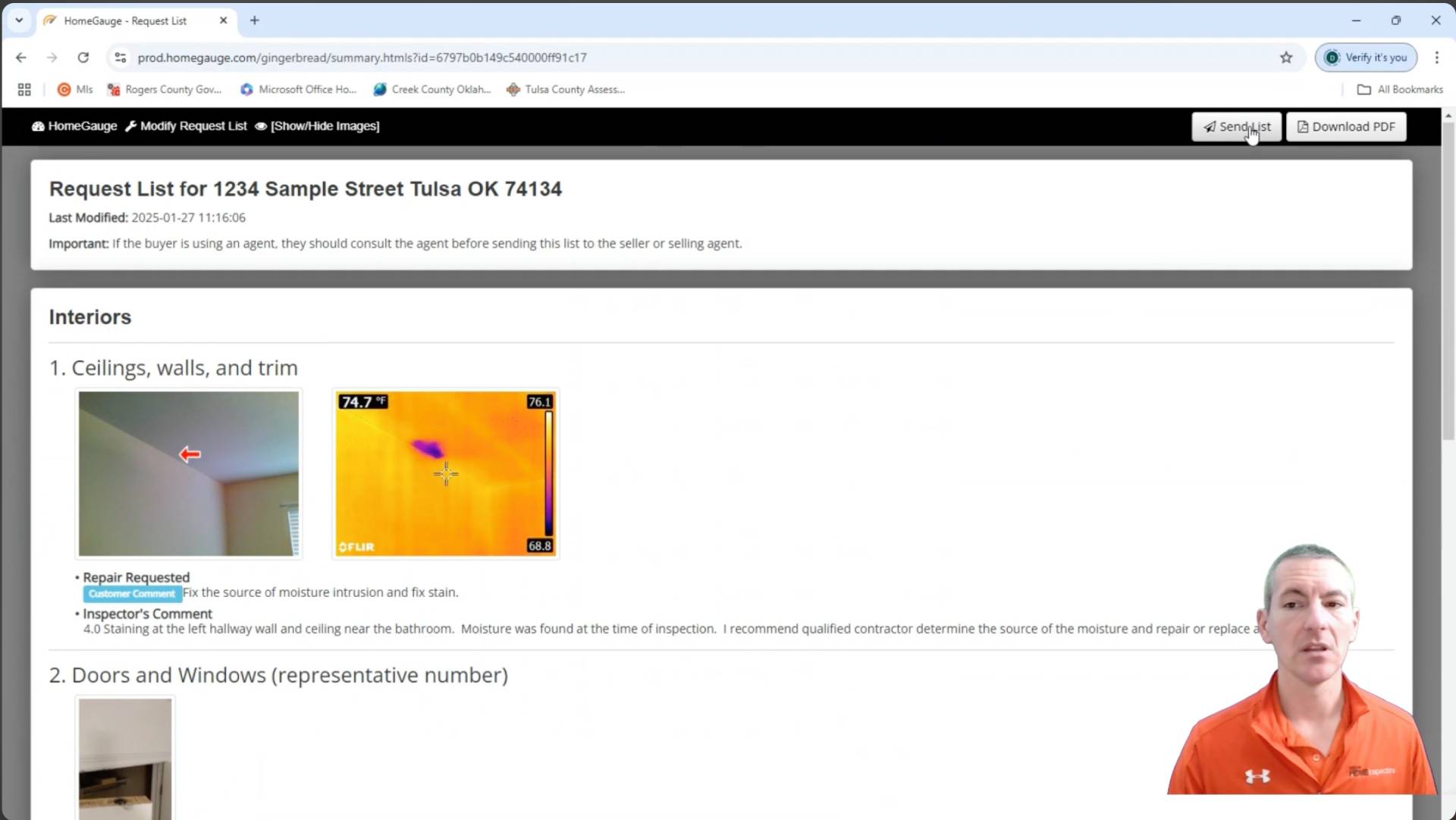
- Download a PDF for manual sharing or for your personal records.
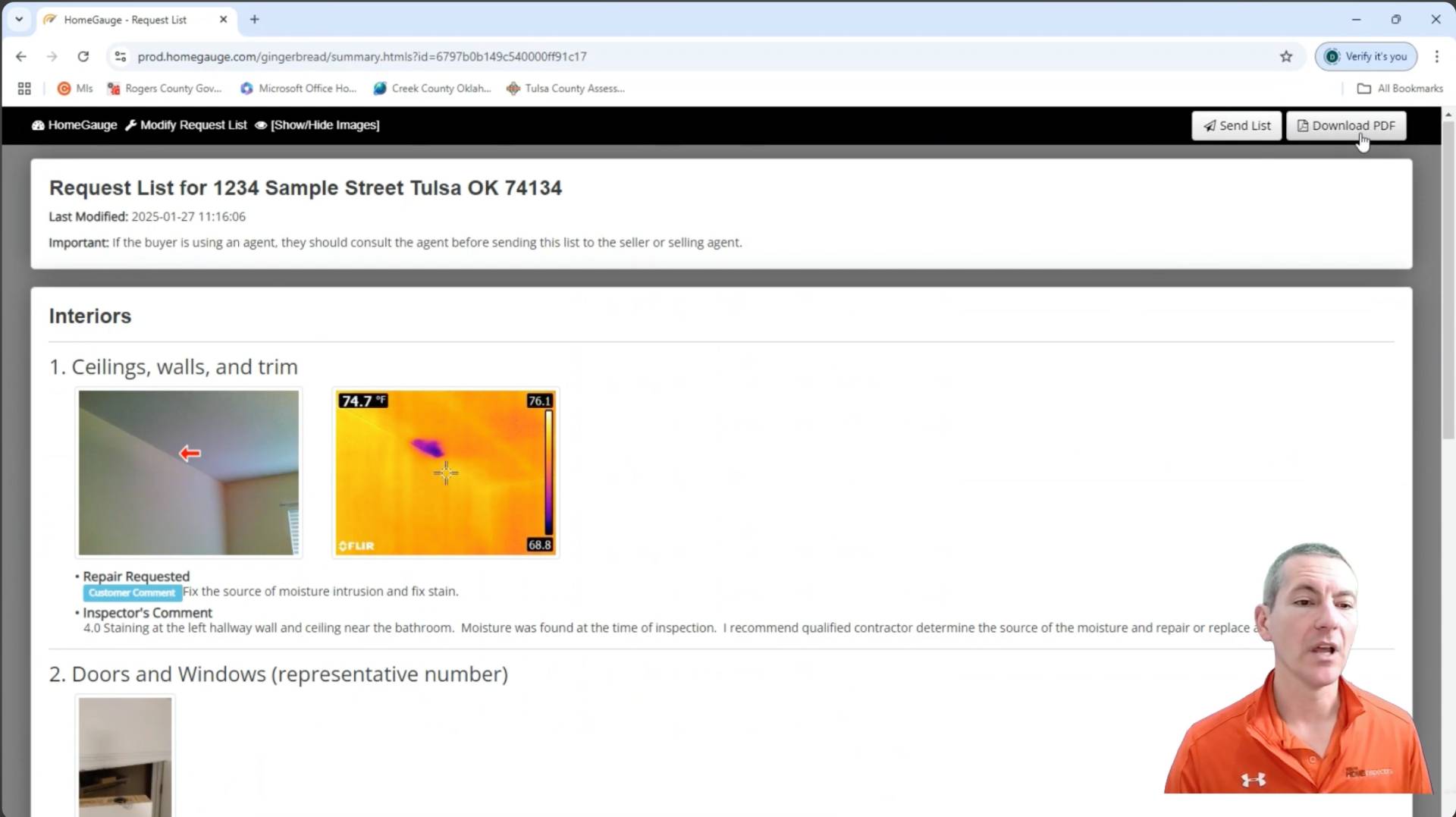
- Email it by entering the recipient’s address by clicking “Send List,” and entering the recipient’s email address.
Our Repair Request List feature streamlines the negotiation process and helps sellers and contractors stay aligned, ensuring efficient, hassle-free repairs. Contractors can quickly reference each item, view related photos, and read any specific comments or instructions you’ve added.
Need help? Call/text 918-853-5113 or email [email protected]. We’re here to make your property inspection and repair process as seamless as possible.
Frequently Asked Questions
Conclusion: Save Time by Creating a Request Repair List
Creating a Repair Request List is one of the smartest ways to streamline your post-inspection process. Studies show that homes with documented repair requests sell faster and at better prices.
Use this tool to take charge of your transaction, avoid delays, and keep everyone on the same page.
Ready to schedule your next inspection?
For any questions, call or text 918-853-5113, or email [email protected].
Create a Repair List Transcript
Hi, this is Drew Sleezer with Assured Home Inspectors. Here’s a quick video to show you how to create a Repair Request List easily using our software. Once you’ve logged in, you’re going to create the repair request list from the “Create List” button. If you’re having any trouble logging in let us know. We do have a separate video for that. You click your inspection report and that’s going to bring up a popup that allows you to select either “All Items” or “Summary Only.” We typically recommend just using the summary items. This is a modified report. We shortened it just for the example. Typically, you’ll have more than five items. Click the “Okay” button. That’s going to bring up the items that were identified on your report. So, this is a loose flashing, an easy fix. Somebody just needs to nail it back down. It’s not something you’re concerned about so you’ll just click the “Accept as Is” button and it will move you to the next item. This was a stain on the ceiling of the hallway and wall. They did find moisture at the time of inspection. It’s something you’re concerned about, so you’ll hit the “Add to List” button. That gives you the option to request a repair, a replacement, or monetary value. If you want this repaired, you’ll hit “Repair” and you can type in a comment in the comment box if you want to. For example, “Fix the source of moisture intrusion and fix the stain.” You’ll hit “Save Request” and it’ll go on to the next item. This is a broken door latch, nothing that you’re overly concerned about, but you do want to ask for a credit from the seller. So, you’ll hit “Add to List” and ask for monetary value. Type in the value you want, like $10 for the parts, and then you’ll just hit “Save Request” again. So, this item was some deterioration at a doorjamb due to some moisture. If you want that addressed, you’ll hit “Add to List.” If you want it replaced, you’ll type in “Replace doorjamb.” Again, you can type in a comment or not, up to you. So, this was overheating in the electrical panel, definitely a safety concern. You’re going to hit “Add to List,” and you’re going to ask for “Repair” or “Replacement” of that panel, whichever one you want. If you want it replaced, you’re going to click “Replace.” You’re going to say “Replace electrical,” and hit “Save Request.” So, you’ve completed all the items. You’re going to click the “Okay” button and that uh will allow you to view the Repair Request List. So, this gives you a quick easy-to-look-at version of what you’ve asked for. So, you can create a TRR based on this or use the TRR and reference this document. Your Realtor can definitely give you some suggestions on that. TRR stands for Treatments Repair Replacements and is the negotiation between the buyer and seller on what will be addressed. The Repair Request List allows any contractor to look at the uh items, see the pictures, and then actually look at the comments as well. At the bottom is a summary section of what you’ve asked to be repaired, what you’ve asked to be replaced, and a monetary value. You can send this list using this button “Send List.” Enter an email, or you can download it as a PDF, whichever one you like to send along to the seller. Of course, if you have any questions at any time or we can help in any way please give us a call 918-853-5113. Your Realer can also help you with this process as well and give you guidance on things you should be asking for and the negotiation process. Thanks so much. Have a great day.
The post How to Create a Repair Request List After Your Home or Property Inspection appeared first on Tulsa Home Inspections - Residential and Commercial Inspection Services in Tulsa, Oklahoma.
]]>The post How Cutting-Edge Technology is Revolutionizing Home and Commercial Inspections appeared first on Tulsa Home Inspections - Residential and Commercial Inspection Services in Tulsa, Oklahoma.
]]>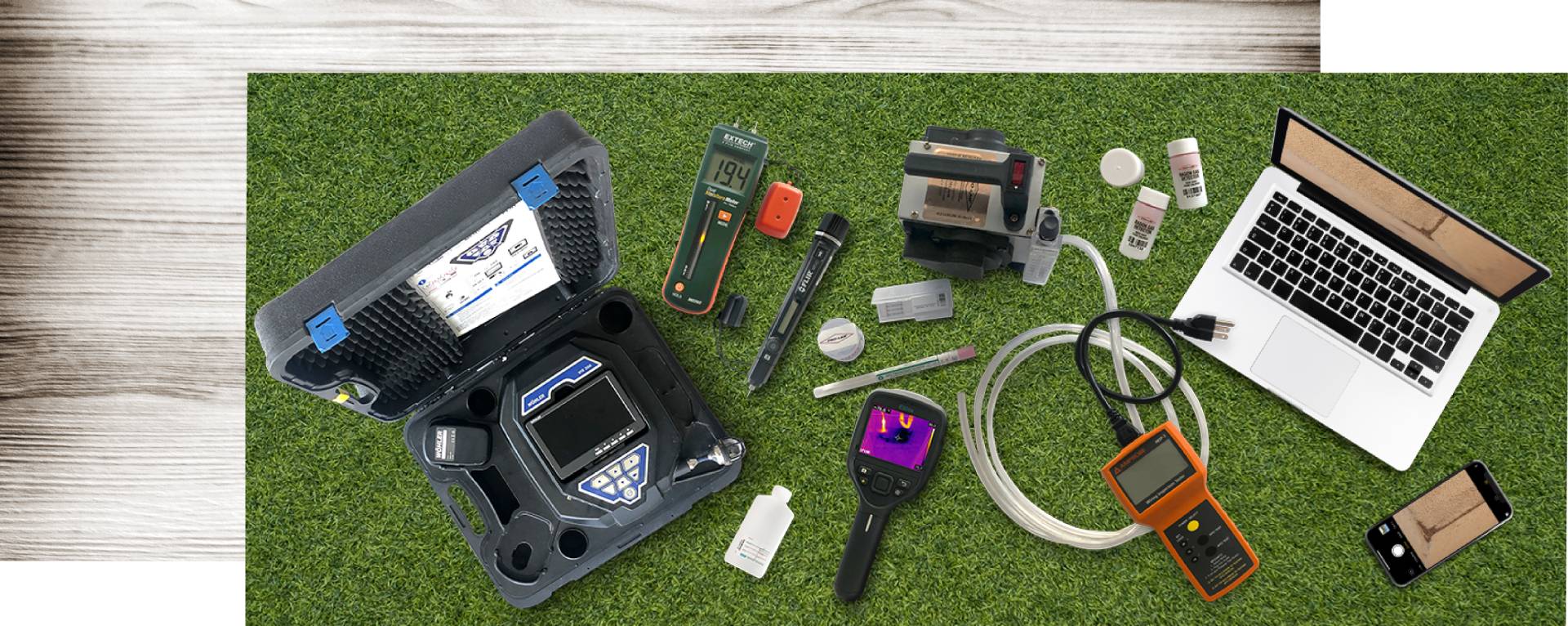
Buying a home or commercial property is exciting, but dealing with inspections can feel overwhelming. The good news? Technology has completely transformed the inspection process, making it more efficient and transparent. Today’s home inspectors and home inspection companies use advanced tools that go beyond what the eye can see, helping to uncover potential issues early—saving you time, money, and unnecessary headaches.
Companies like Assured Home Inspectors leverage cutting-edge equipment like infrared thermal imagers, drones, sewer cameras, duct cameras, 360 chimney cameras, crawlspace cameras and more to give you an inside look at a property’s condition. Plus, detailed digital reports with high-quality images and videos make it easy to understand findings and make informed decisions.
Thanks to these innovations, inspections are more thorough and accurate, giving you greater confidence as you navigate the home- or property-buying process. With modern technology, today’s inspectors can provide insights and details that weren’t possible before—helping you move forward with peace of mind.
Table of Contents
Key Takeaways
- The home inspection industry has evolved from handwritten reports to digital ones like this, incorporating high-quality images and videos.
- Advanced tools like infrared thermal imagers, sewer/duct cameras, drones, 360 chimney cameras, crawlspace cameras and more to help uncover hidden issues that aren’t visible to the naked eye.
- Software advancements streamline the inspection process, enabling real-time integration of photos and comments during the inspection.
- Having digital records allows easy access to past inspection details, aiding both inspectors and homeowners.
- Although the use of cloud-based platforms raises data security concerns, their benefits in terms of report accessibility and storage are significant.
- AI-powered tools and 360-degree imagery are expected to further enhance the accuracy and detail of property inspections in the future.
- Selecting inspection services that use modern technology can alleviate many of the worries homebuyers and investors face, offering more reliable and thorough property evaluations.
Historical Perspective
Home inspections have improved greatly over the years. Initially, inspectors relied on handwritten notes—often on carbon-copy paper—leaving homebuyers with vague reports lacking detail and visual proof, such as photos and videos. This slow process raised more questions than it answered.
Then came the digital revolution, and everything changed. Suddenly, inspectors could include photos in their reports, making it much easier for buyers to understand potential issues. This game-changer brought clarity and precision that wasn’t possible before.
Fast forward to today, and the process has evolved even further. Advanced software now allows inspectors to create detailed reports on-site, complete with high-quality images, annotations, and real-time insights. Buyers can see what the inspector sees and enjoy a more transparent and efficient experience. Check out our sample home inspection report or commercial inspection report to see for yourself.
This shift from handwritten notes to sophisticated digital reports hasn’t just improved accuracy—it’s made home inspections faster, clearer, and less stressful. Now, homebuyers can move forward with confidence, knowing they have all the information they need to make a smart decision.
Advanced Technology Tools in Inspections
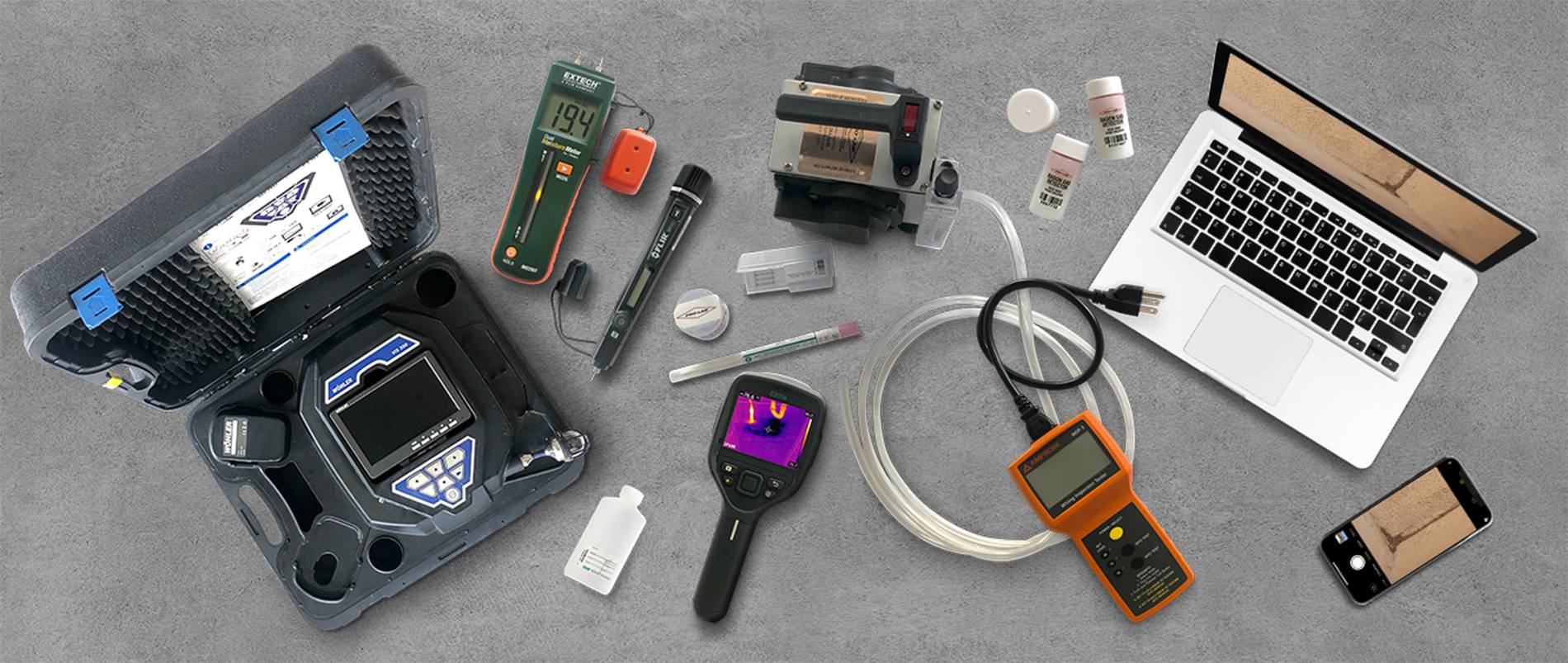
Today’s home and commercial inspections go beyond simple walk-throughs. Thanks to cutting-edge technology, inspectors can catch issues that wouldn’t be visible with the naked eye—giving homebuyers a clearer picture of what they’re purchasing.
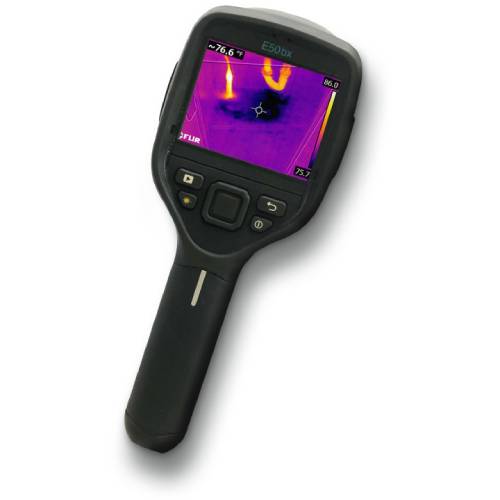
Infrared Thermal Imaging: As of 2024, thermal imaging cameras have undergone remarkable advancements compared to their predecessors. They can spot hidden moisture, insulation gaps, or even electrical hotspots that might otherwise go undetected.

Drones: Drones make it easy to inspect roofs, gutters, and other tricky spots without the risk of climbing
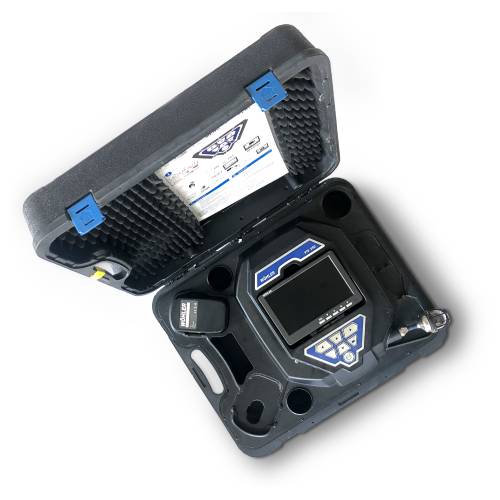
Sewer and Duct Cameras: They’re perfect for peeking into tight spaces like ductwork or plumbing, and uncover problems that could cause headaches down the road.
At Assured Home Inspectors, we take full advantage of these tools and endoscope inspection cameras, mold testers, gas leak detectors, electrical meters, and moisture meters to ensure nothing gets overlooked. With this advanced equipment, we’re able to provide a thorough, reliable assessment, so you know exactly what’s going on with the property before you buy.
Software Advancements
Technology has completely transformed the home inspection industry, making the process faster, clearer, and more convenient. According to a Gitnux Report, around 85% of inspectors use software to perform building inspections and write reports. Modern inspection software lets inspectors add photos and comments on the spot, so findings are communicated in real-time.

With AHI, you can review the report the same day as your inspection, ensuring you stay within your inspection period.

Our reports allow you to address any concerns quickly, create a digital repair request list for your Treat, Repair and Replace form, and effectively negotiate repairs.

Cloud-based platforms make storing and sharing reports effortless, so property owners can easily refer back to them years later—whether they need to check for past issues or locate a water shutoff valve. High-quality digital reports, like this one, packed with annotated photos, have made it easier to understand the condition of a property.
Challenges and Considerations
While technology has made home inspections more efficient and accurate, it does come with challenges. Keeping up with the latest software and ensuring every inspector is properly trained takes time and effort. At AHI, we stay ahead of the curve and make sure our team is always up to speed with new tools and features to maintain top-tier service.
Storing inspection data in the cloud can also come with security concerns, like unauthorized access and data breaches. At Assured Home Inspectors (AHI), we take data protection seriously and use strong security measures to keep customer information safe. Our secure cloud storage software, HomeGuage, includes automatic backups, encryption (both at rest and in transit), and multi-factor authentication for added protection. We enforce strong password policies and stay on top of security updates to patch vulnerabilities and keep our reporting system locked down. By prioritizing security and staying proactive, we ensure that your information remains protected while making reports easy to access.
The key is finding the right balance—embracing the benefits of advanced technology while staying committed to continuous learning and security so you have the information you need to make informed decisions.
Future of Home Inspections
The future of home inspections is getting smarter and more immersive, thanks to AI-powered tools and 360-degree imaging. These innovations will take accuracy to the next level, helping inspectors spot issues that might go unnoticed. AI can analyze patterns and anomalies with incredible precision, while 360-degree imagery gives homebuyers a complete, detailed view of their property. At Assured Home Inspectors, we’re committed to staying ahead of the curve by adopting these cutting-edge technologies as they provide value to our customers.
Advancements like these aren’t just about better inspections—they’re about giving buyers greater confidence and peace of mind. By embracing innovation, the inspection industry will continue to set new standards, ensuring homebuyers and commercial property buyers get the insights they need to make smart, informed decisions.
FAQs
Wrap Up
Technology has revolutionized home inspections, making them faster, more precise, and more transparent. Gone are the days of handwritten reports—today’s inspections use advanced tools like infrared cameras, drones, and AI-driven analysis to uncover hidden issues and provide a clearer picture of a property’s condition. With instant digital reports packed with high-quality images and expert insights, buyers can make confident decisions without the guesswork.
At Assured Home Inspectors, we stay ahead of the curve, using cutting-edge technology to deliver thorough, reliable, and easy-to-understand reports. Whether you’re buying, selling, or just need a property check-up, we’ve got you covered.
Book your inspection today:  Schedule Online
  Get a Free Quote
  Call or text us at 918.853.5113. Don’t leave your biggest investment to chance—schedule with Assured Home Inspectors and move forward with confidence.
The post How Cutting-Edge Technology is Revolutionizing Home and Commercial Inspections appeared first on Tulsa Home Inspections - Residential and Commercial Inspection Services in Tulsa, Oklahoma.
]]>The post Easy Steps to Share Your Property Inspection Reports appeared first on Tulsa Home Inspections - Residential and Commercial Inspection Services in Tulsa, Oklahoma.
]]>
Navigating your property inspection report shouldn’t be a hassle. At Assured Home Inspectors, we’re here to make the process simple and stress-free. Whether you’re reviewing a Residential Inspection, Commercial Inspection, Builder-Warranty Inspection, Pre-Sale Inspection, or Annual Maintenance Inspection, we provide clear, user-friendly reports designed to keep you informed.
In this step-by-step guide, we’ll walk you through how to access, save, and share your report effortlessly—whether via email for an interactive experience or as a PDF for offline access. With these easy steps, you can ensure everyone involved in the process stays in the loop, making your home-buying or property maintenance journey smoother and more manageable.
At A Glance
- Step 1: Access Your Report: Use your login details to view the full, interactive HTML version of your report. This format offers the best readability and navigation.
- Step 2: Choose How to Share: You’ve got two options:
- Email the HTML Link: This is the easiest way to share your report while keeping all the interactive features intact.
- Save as a PDF: This is perfect for offline access or a printable version. However, some interactive elements may not transfer.
- Need Help? If you have issues or questions, we’re here for you! Reach out anytime via our website, or call or text us at 918.853.5113 for support.
Contents Overview
- Watch the Tutorial Video
- Step 1: Access Your Report
- Step 2: Choose the Best Sharing Method for Your Needs
- How to Share Your Inspection Report via Email
- How to Save and Share Your Inspection Report as a PDF
- Need Help? We’re Here for You!
- Conclusion: Sharing Your Inspection Report Made Simple
Watch the Tutorial Video
Watch our how-to-video, where Drew Sleezer from Assured Home Inspectors walks you through the entire process, step by step. In just a few minutes, you’ll learn how to save and share your report with ease.
Prefer Written Instructions? No problem! Scroll down for a detailed, easy-to-follow guide on sharing your inspection report.
Step 1: Access Your Report
Getting to your inspection report is quick and easy. Just follow these steps:
- Refer to Your Booking Confirmation Email: Look for the confirmation email from Assured Home Inspectors. Inside, you’ll find your login link and credentials.
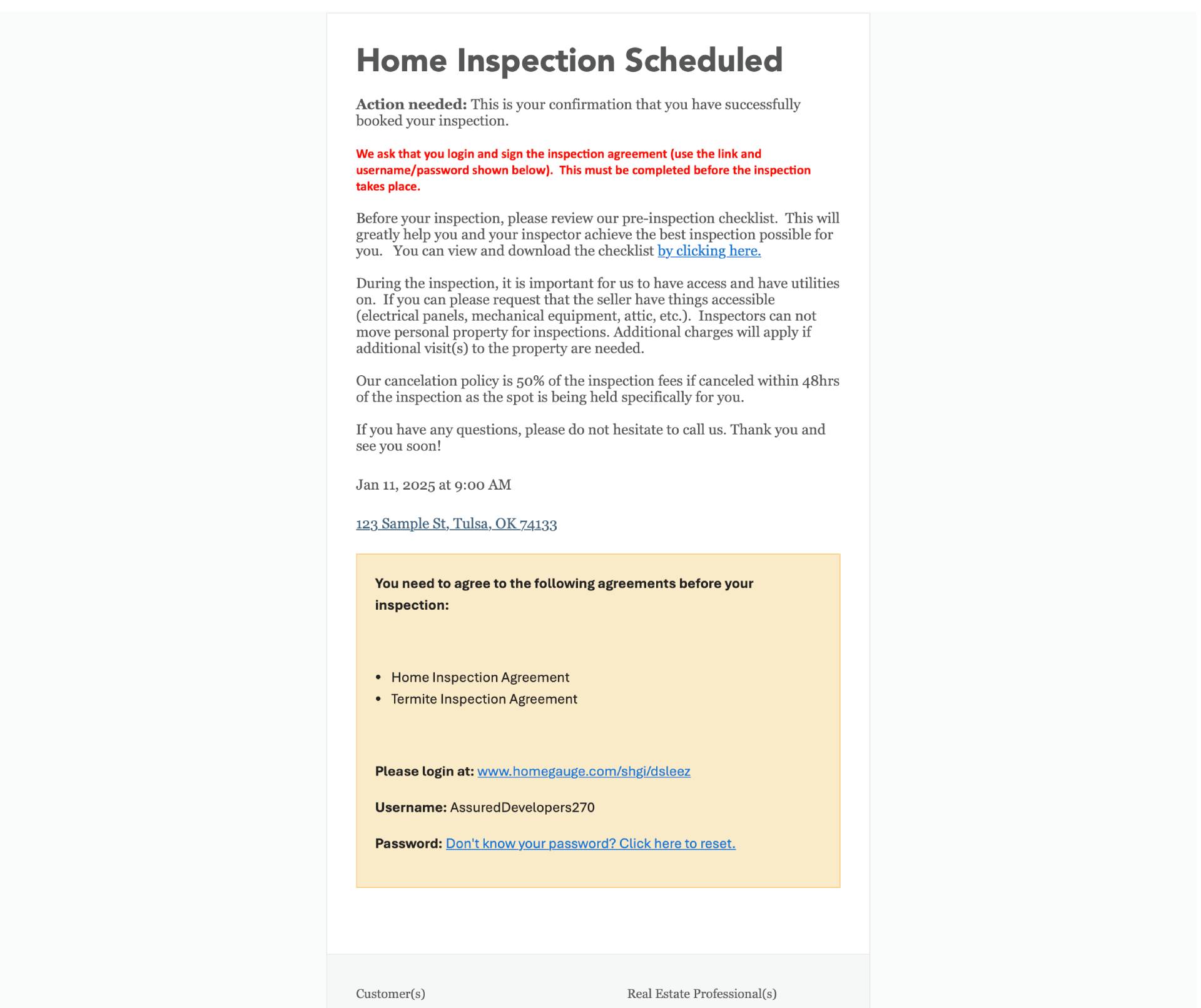
- Log In: Click the link to go directly to our website. Then, use the login details from your email to sign in.

- Find Your Report: Select the report in the list and click the ‘Inspection Details’ button.
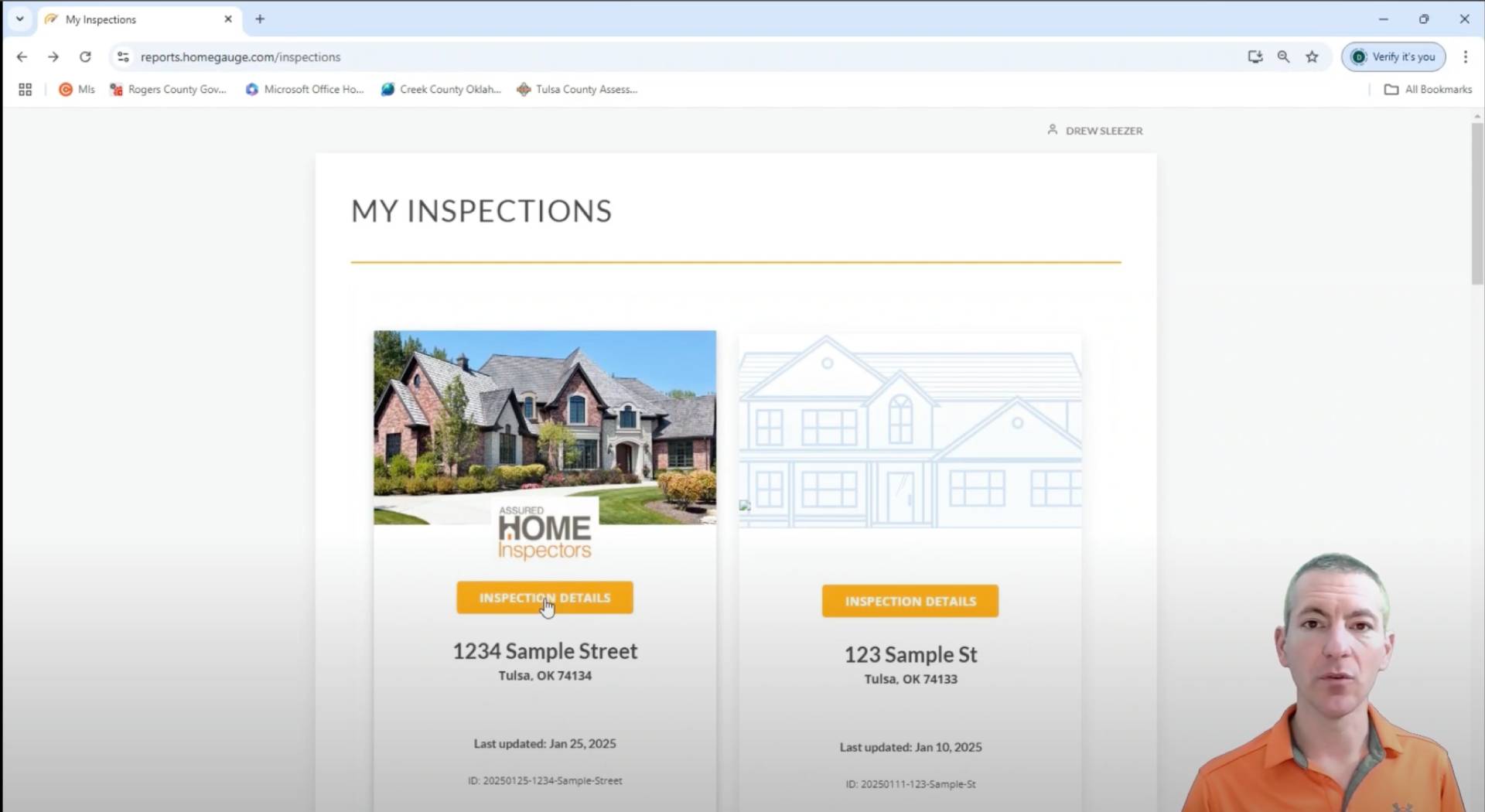
- View Your Report: Click ‘View Report’ to open the interactive HTML version. This format is designed for easy navigation, clear visuals, and a detailed breakdown of your inspection findings.
Step 2: Choose the Best Sharing Method for Your Needs
You have two options to share your property inspection report: an HTML link or a PDF file. The best choice depends on who’s reviewing the report and how they plan to use it.
- HTML Reports: These offer an interactive, user-friendly experience. Recipients can easily navigate different sections, view high-quality images, and enjoy a clean, well-formatted layout that enhances readability. View a sample report.
- PDF Files: Perfect for those who prefer a traditional, static format. A PDF is easy to download, print, and access offline. However, some interactive elements and formatting may not transfer perfectly, and file sizes can be larger.
Once you’ve picked the best format for you and your recipient, follow the step-by-step instructions below to share your report quickly and hassle-free.
How to Share Your Inspection Report via Email
Sharing your property inspection report by email is quick, secure, and ensures a smooth viewing experience for your recipient. Just follow these simple steps after you’ve accessed your report:
- Click ‘Email’: Click ’email’ in the top navigation menu.
- Fill Out the Form: Enter the recipient’s email address, subject line, and any additional message you’d like to include.
- Hit ‘Send Email’: Your recipient will receive an email with a secure link to the report and a password for access.
Why Share via Email?
- Best Viewing Experience: The HTML format is interactive and easy to navigate, making it simple for recipients to review key details.
- Great for Multiple Stakeholders: Whether you’re sharing with buyers, agents, or contractors, this method keeps everyone on the same page.
- Fast & Secure: No need to worry about large attachments—just a secure link for immediate access.
Sharing your report via email is the easiest way to ensure your recipients have instant, hassle-free access to all the important details!
How to Save and Share Your Inspection Report as a PDF
Saving your inspection report as a PDF is a great option if you need a static, easy-to-access document. Whether you’re keeping a personal copy, sharing with someone who prefers print, or ensuring offline access, here’s how to do it:
- Click the ‘PDF’ Button: You’ll find it at the top of the page.
- Select ‘Save PDF’: This will download a copy of your report directly to your computer.
Why Choose a PDF?
- Offline Access: No internet? No problem. A PDF ensures you can view your report anytime.
- Printable Format: Need a hard copy? A PDF makes it easy to print and review.
- Easy to Share: Great for sending to anyone who needs a non-interactive version of your report.
By saving your report as a PDF, you’ll always have a durable, accessible record of your inspection findings.
Need Help? We’re Here for You!
If you run into any issues while accessing, saving, or sharing your inspection report, don’t worry—we’ve got you covered. We know navigating these steps can be tricky, especially if it’s your first time. Whether you’re having trouble logging in, need help choosing the best sharing method, or just have a question about your report, we’re here to assist.
Our support team is ready to provide help so you can manage your inspection report with ease.
Get in Touch
- Call or text us at 918-853-5113 for immediate assistance.
- Visit our contact page to reach out online.
Our priority is your peace of mind, and we’re committed to ensuring you have everything you need as quickly, easily, and stress-free as possible.
FAQs
We’re here to help! If you run into any issues, whether it’s logging in, choosing the best sharing option, or understanding the report, watch this tutorial or give us a call or text at 918-853-5113, or visit our contact page for assistance.
Conclusion: Sharing Your Inspection Report Made Simple
At Assured Home Inspectors, we make it easy to access, manage, and share your inspection report—so everyone involved in your home-buying process stays informed. Whether you’re sending it to an agent, contractor, or family member, you have two simple sharing options, email the HTML link or save it as a PDF. Choosing the right format depends on what works best for you and your recipients. If they need an easy-to-read, digital version, email is the way to go. A PDF is a better choice if they prefer something they can print and reference anytime.
If you have any questions—whether it’s accessing your report, understanding the details, or deciding the best way to share it—just reach out. Our team is happy to assist! Our goal is to make sure you fully understand your inspection report and can share it effortlessly.
Easy Steps to Share Your Property Inspection Reports Video Transcript
Hi this is Drew Sleezer with Assured Home Inspectors. Just wanted to make a quick video to show you how you can easily share your home or commercial inspection report using our software. Once you’ve logged into the system you’ll go to the ‘my inspections page.’ All of your inspections will be there. If you’re having any trouble logging in please let us know. We do have a separate video for that here. You’ll click on whichever home is relevant. If it’s your first house you’ll just have one there. Once you do that you can click this view report button here. What that does is pulls up the HTML version of your report and that is the best way to view your inspection report.
To share that you’ll click this email button at the top, enter the email address of whoever you want to send it to and click the send email button at the bottom. Once you’ve done that it will send a link and a password to them giving them access to that report.
If you’d like to send it as a PDF or save a PDF copy to your computer you can do that by clicking this PDF button at the top. You’ll hit the save PDF where it will then save a copy to your computer.
Of course if you have any questions at any time feel free to call us. Our office number is 918.853.5113. If we can help in any way please let us know. Thanks.
The post Easy Steps to Share Your Property Inspection Reports appeared first on Tulsa Home Inspections - Residential and Commercial Inspection Services in Tulsa, Oklahoma.
]]>The post 5 Easy Steps to Get Your Report, Sign, and Pay with Assured Home Inspectors appeared first on Tulsa Home Inspections - Residential and Commercial Inspection Services in Tulsa, Oklahoma.
]]>
Contents Overview
- Watch the Tutorial Video for a comprehensive guide.
- Step 1: Locate Your Booking Confirmation Email to find your login credentials.
- Step 2: Retrieve Your Report Online through our website.
- Step 3: Examine Your Inspection Information for a detailed overview of your property.
- Step 4: Authorize Your Agreement by reading and signing the document.
- Step 5: Choose Payment Options to finalize your inspection fee.
- FAQs
- Wrap-Up and Review
Watch the Tutorial Video
To make the process even more straightforward, we highly recommend watching our how-to video featuring Drew Sleezer from Assured Home Inspectors. This tutorial will guide you through logging into our system, signing the agreement, and managing your payments with step-by-step instructions ensuring you have a clear understanding of each step. By following along with the video, you can see exactly how to navigate the process, making it easier and quicker for you to access your home inspection report, sign your agreement, and handle your payment. Or, skim our step-by-step written guide below.Step 1: Find Your Booking Confirmation Email
The first step in accessing your inspection report is to locate the booking confirmation email we sent when you scheduled your inspection.
Step 2: Retrieve Your Report Online
To retrieve your property inspection report or sign the agreement, follow the link in the email or visit assuredhomeinspectors.com. On the homepage, click “View Your Report” at the top right.
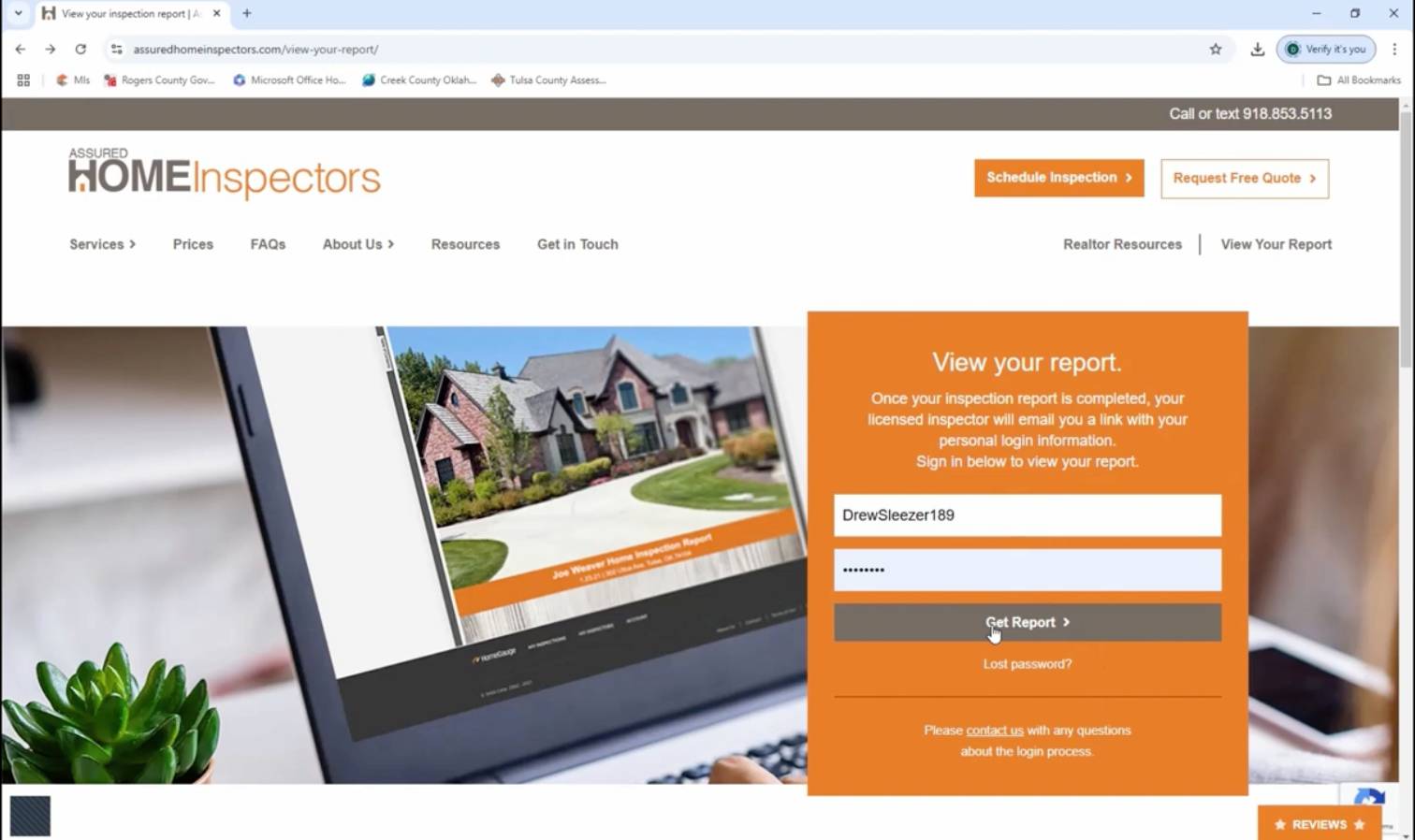
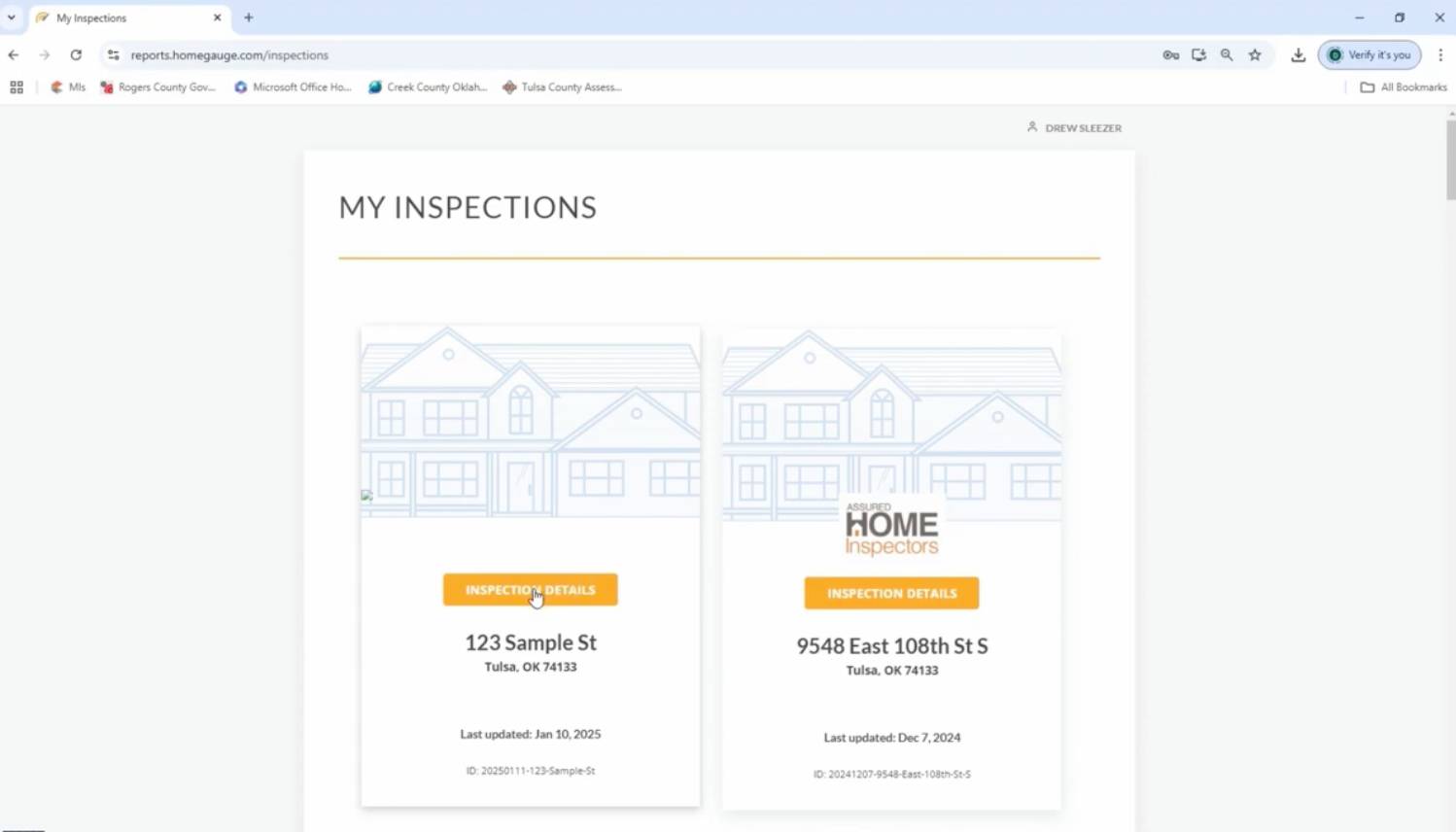
Step 3: Examine Your Inspection Information
Then you’ll see your inspection details including your inspector(s), contact information, your Realtor’s contact information, your account details, and agreements. Click the “View Agreement” button at the top.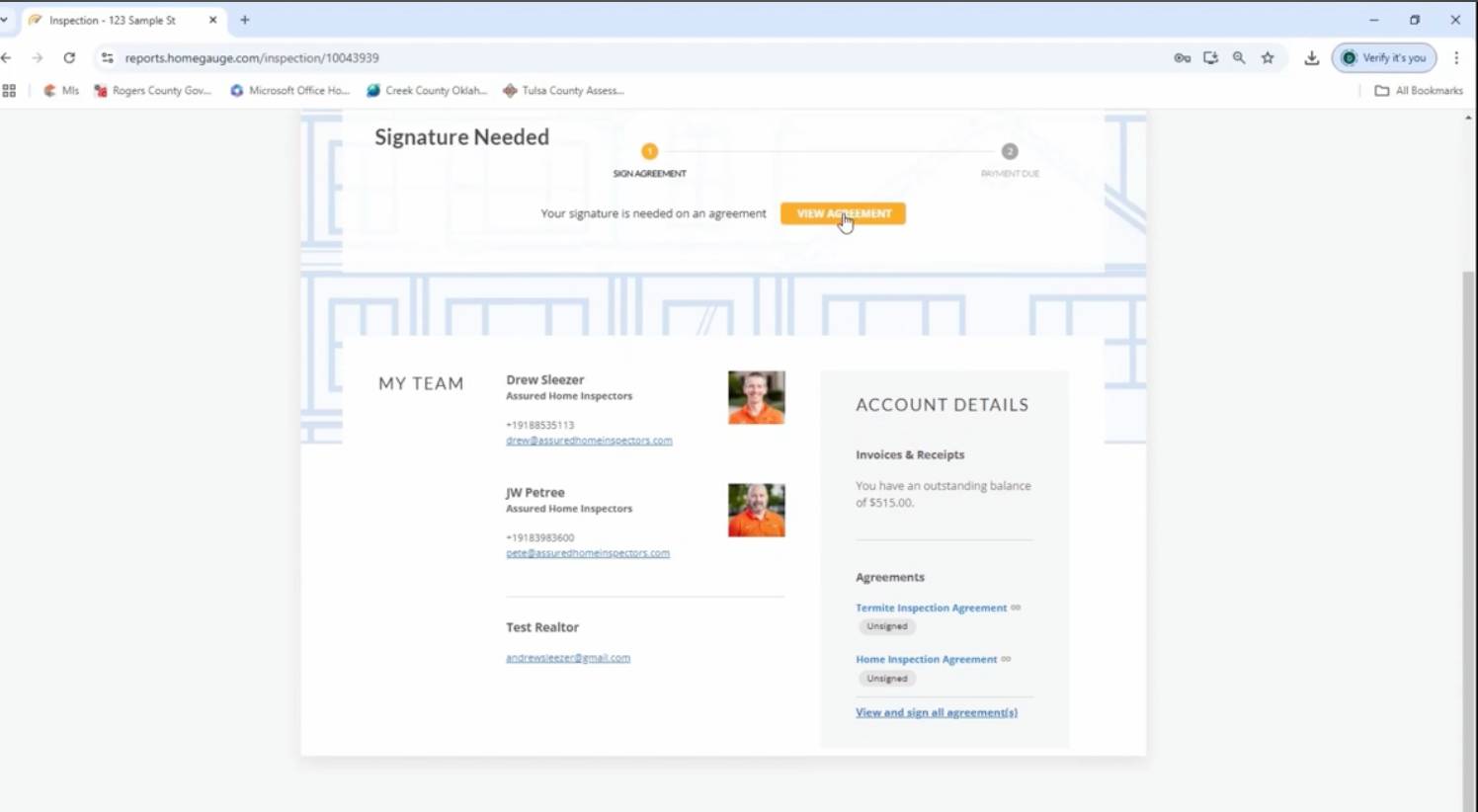
Step 4: Authorize Your Agreement
This will open the agreement document(s) for you to review.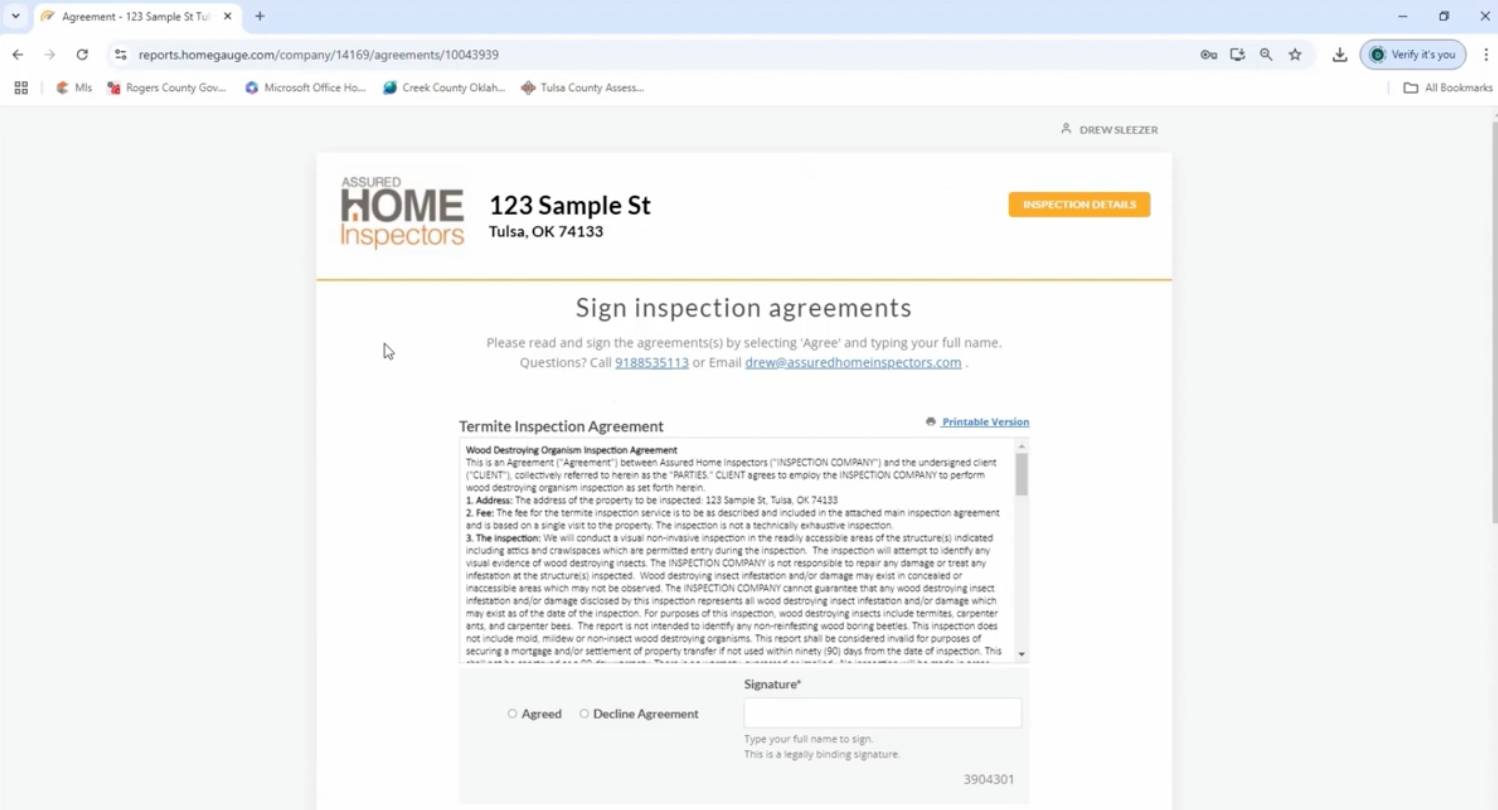
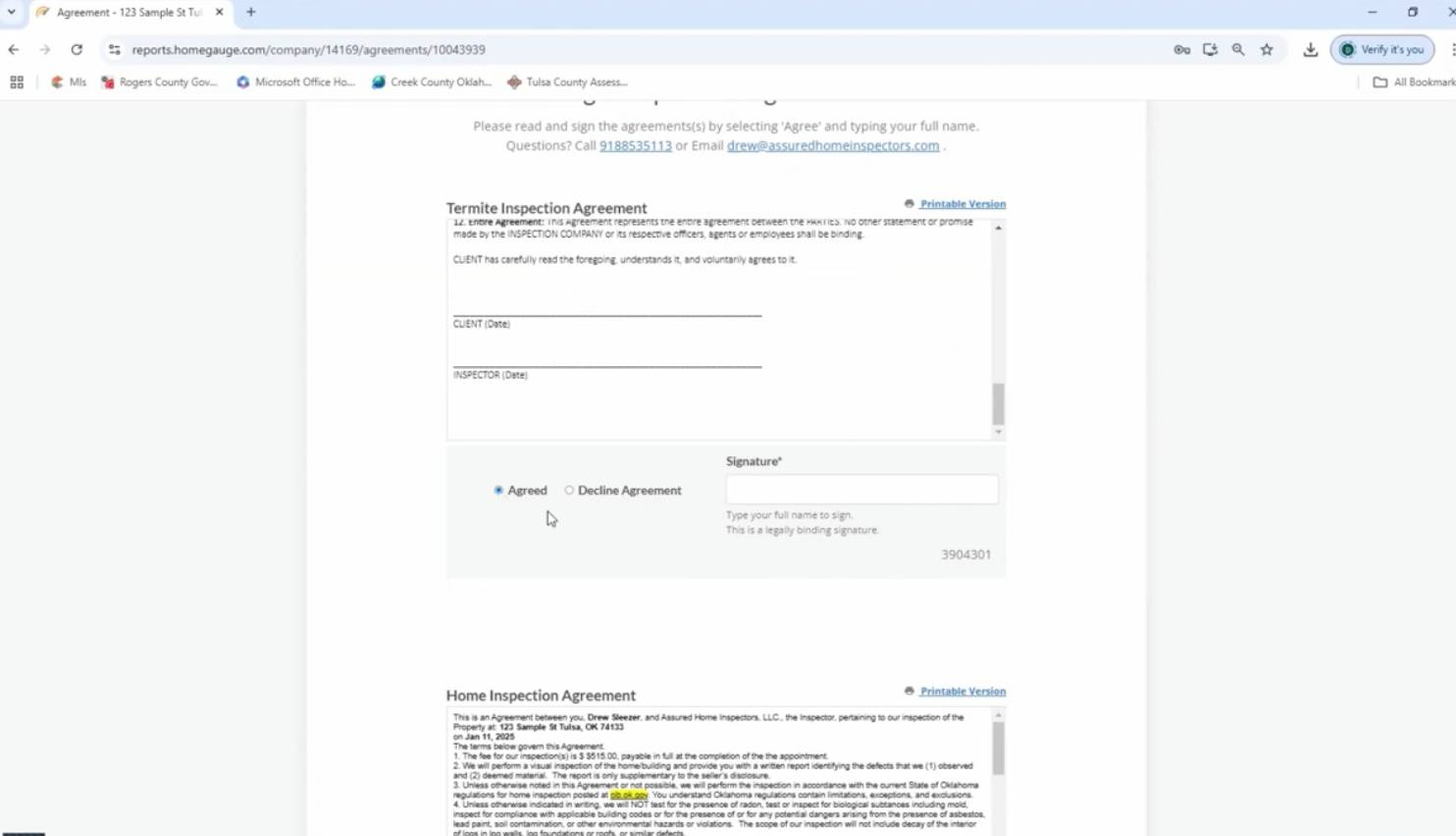
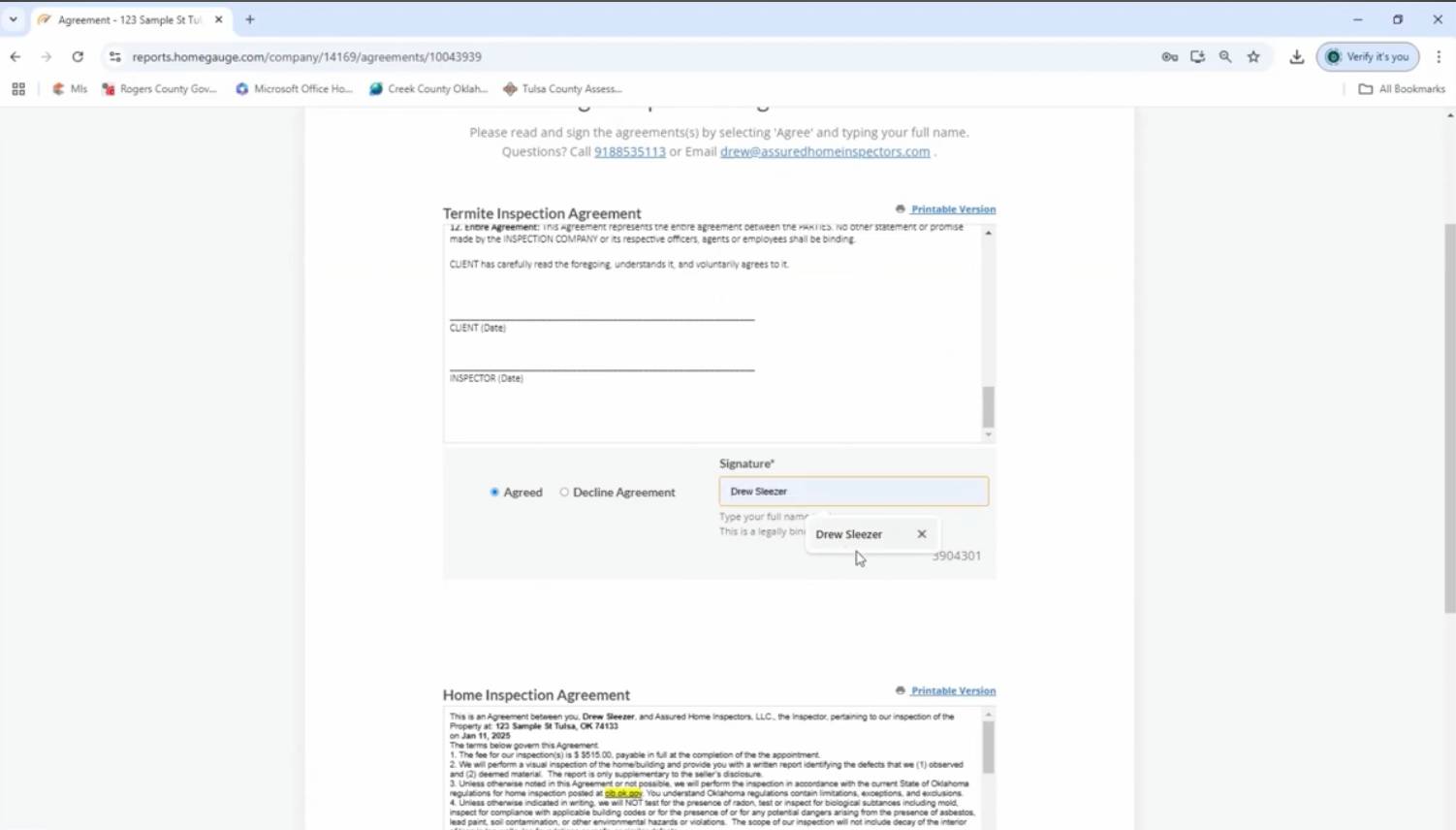
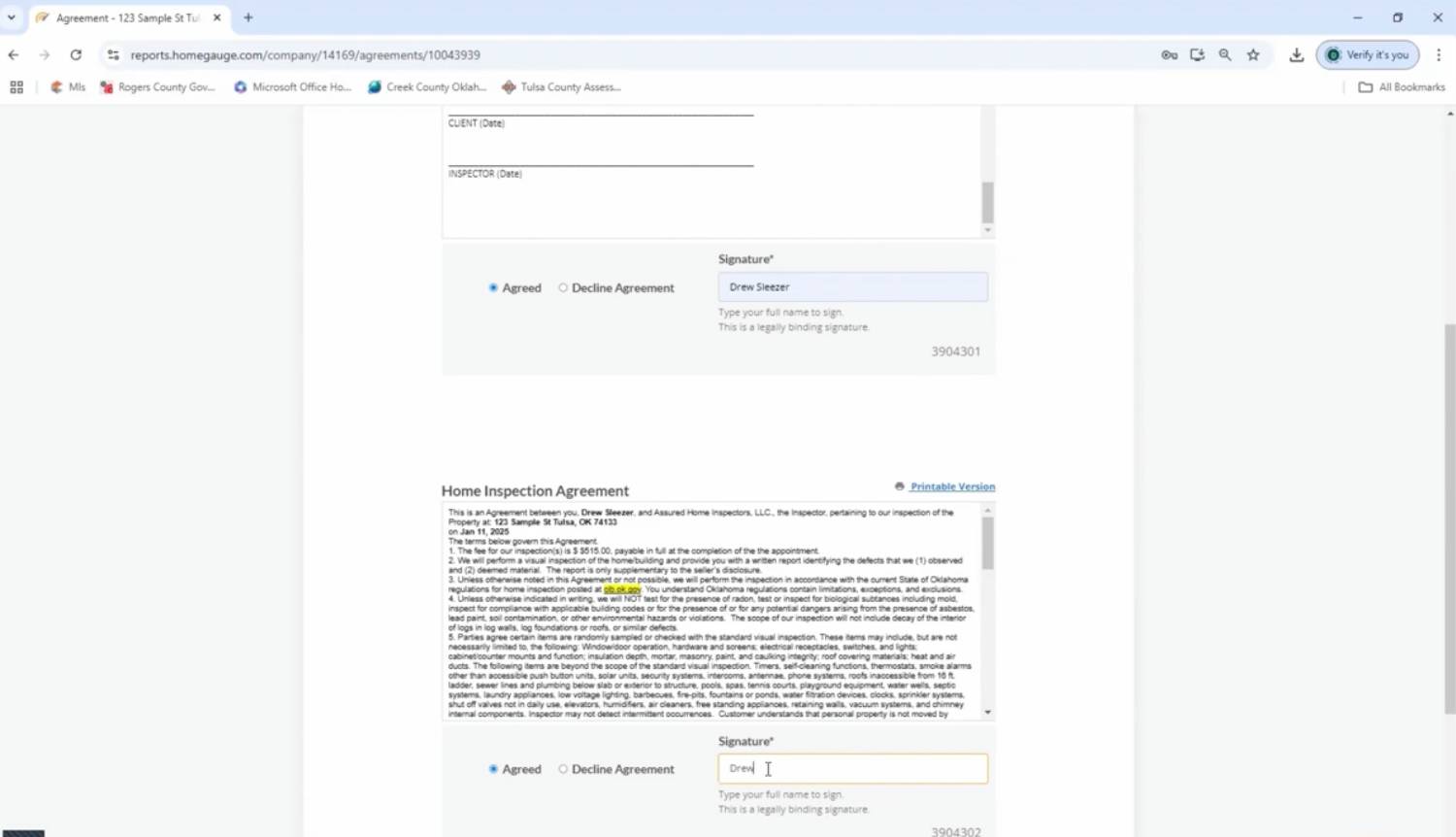
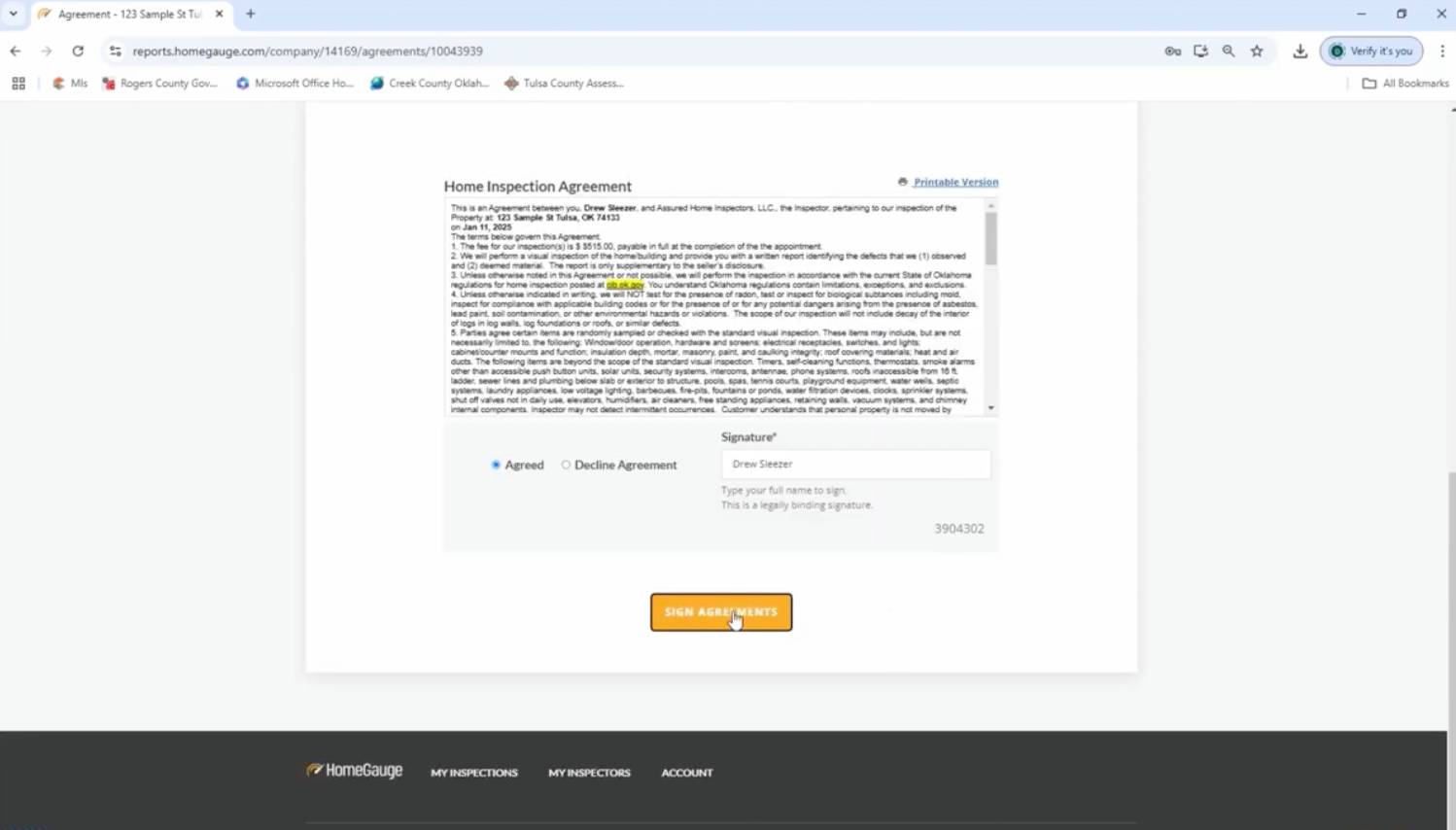
Step 5: Choose Payment Options
Assured Home Inspectors provides flexible payment options to accommodate your needs. You can choose to pay before or after your inspection. To handle payment in advance, click “Pay Now” to view your invoice.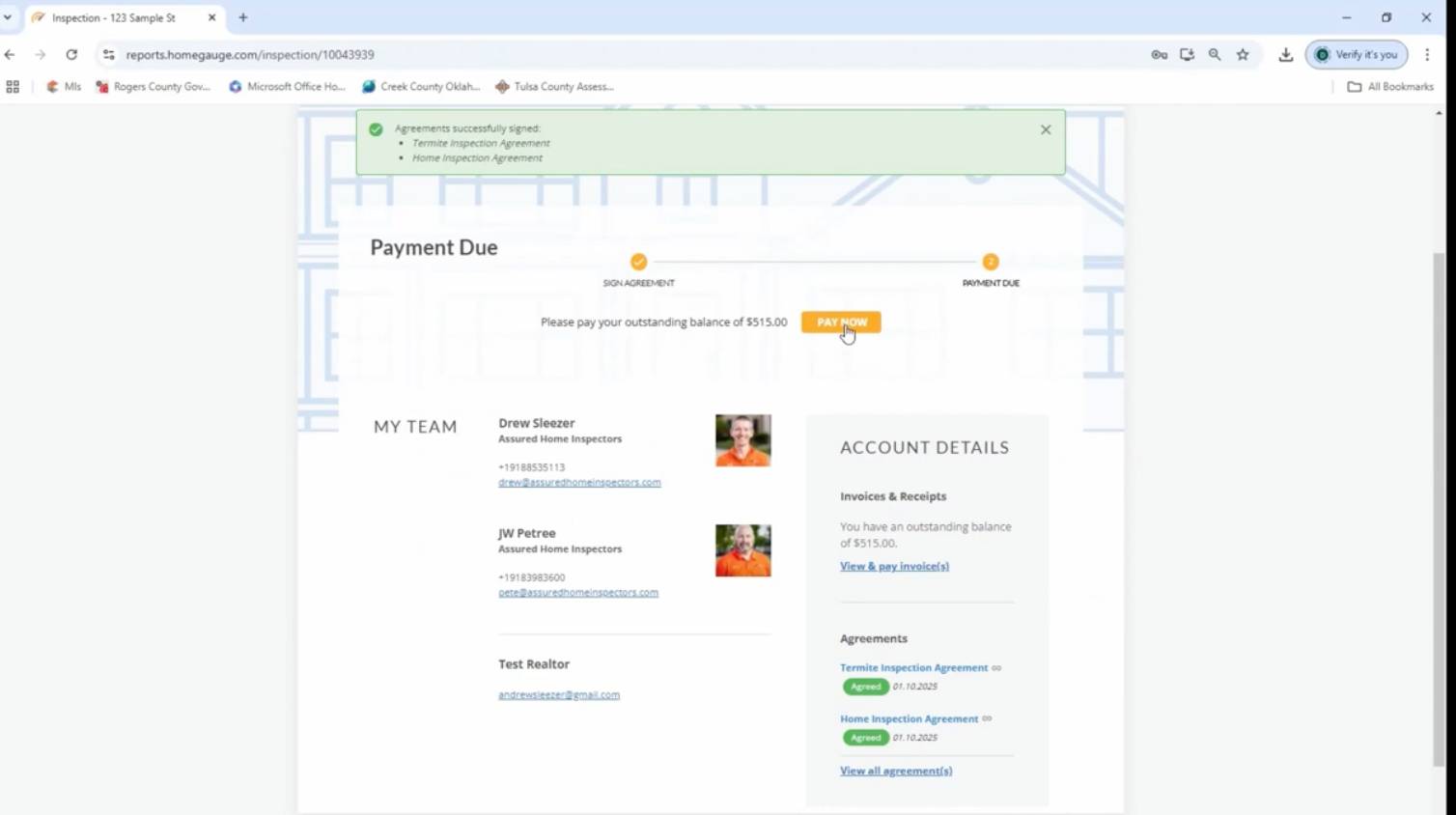
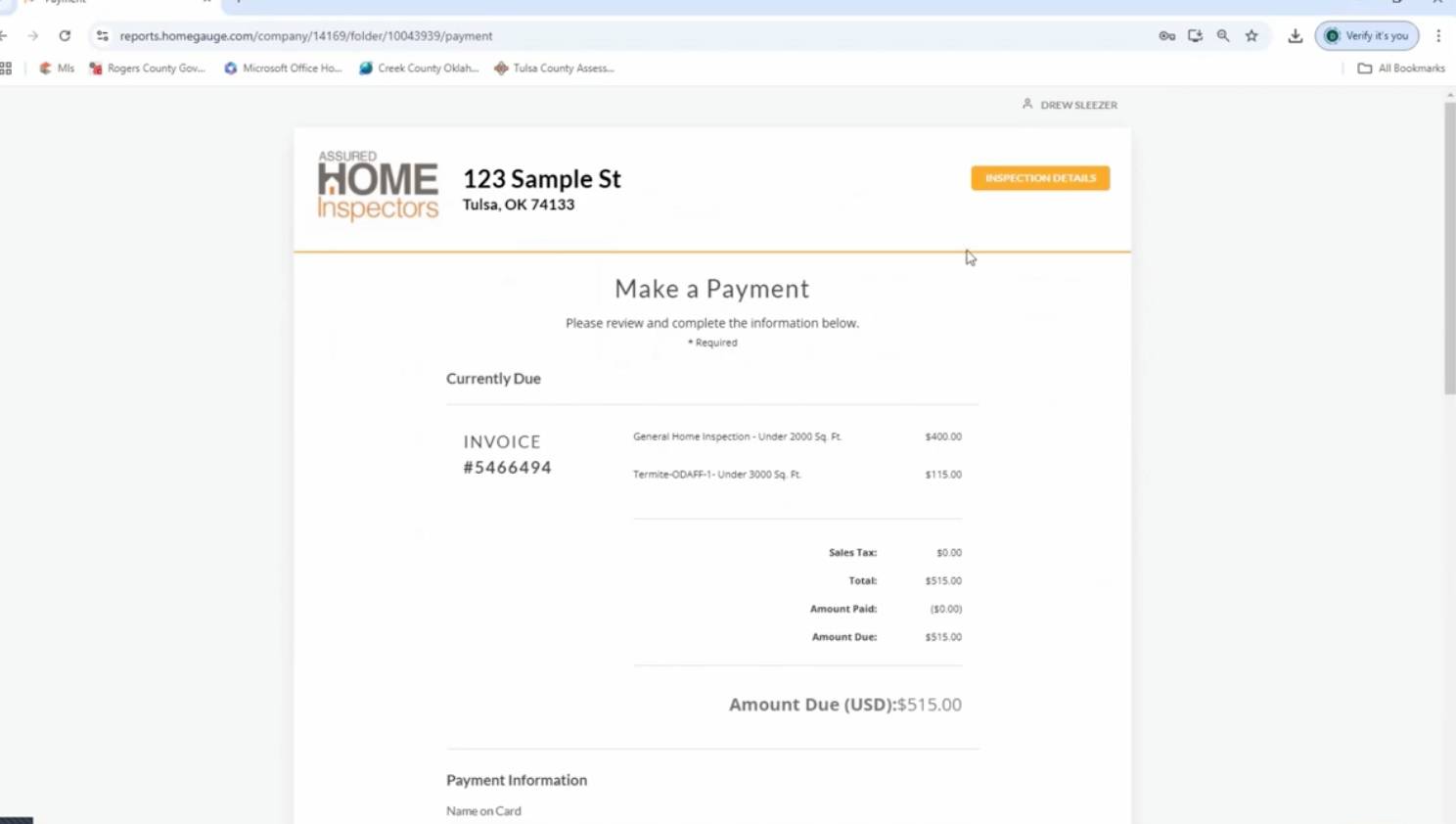
FAQs
Wrap-Up and Review
Choosing Assured Home Inspectors means you’re partnering with a team dedicated to thorough and transparent inspections. We ensure every aspect of the process is clear and easy, from accessing your report to finalizing your agreement and payment. During your inspection, our certified inspectors take the time to review the report with you, answer questions, and provide valuable insights about your property. This dedication guarantees peace of mind and confidence in your investment.
Our user-friendly system, coupled with our commitment to excellent customer service, makes the entire process seamless. Whether you are a first-time homebuyer or investing in commercial real estate, our detailed online reports and flexible payment options are designed to meet your needs. We are here to support you throughout the inspection process and find surprises before they become problems.
For any questions or to book your next inspection, get in touch at 918.853.5113.
Hi, this is Drew Sleezer with Assured Home Inspectors. Thanks for booking with us. Here’s a quick video to show you how to log into the system, sign the contract, and also pay for your inspections.
When you booked your appointment, we sent a confirmation email. In that email, you’ll find a username and password. You’re going to either use the link provided in the email or go to our website, assuredhomeinspectors.com. Click “View Your Report” and enter your username and password into the fields.
Once you’ve done that, click the “Get Your Report” button. That will bring up a page that shows all the inspections we’ve ever done for you. Click on the inspection details for the relevant inspection. If this is your first inspection, there will only be one listed.
Once you click on that, it will bring up another page. This page will show you who your inspectors are and provide a “View Agreement” button. Click “View Agreement” to open a page where you can read through the agreements and agree to them.
To agree, click the “Agree” button and type your full name into the box. Once you’ve done that, click the “Sign Agreements” button at the bottom of the page. That’s all we need to have done prior to the inspection.
There is no requirement to pay for your inspection ahead of time. However, if you’d like to handle payment in advance, you can do so by clicking the “Pay Now” button. This will bring up your invoice, which shows the services booked. Simply enter all the required information into the form fields and then click the “Submit” button at the bottom.
If you have any questions as you go through this process, feel free to call us at any time. Our office number is 918-853-5113. If we can help in any way, please let us know.
Thanks a bunch, and we look forward to completing your inspection for you.
The post 5 Easy Steps to Get Your Report, Sign, and Pay with Assured Home Inspectors appeared first on Tulsa Home Inspections - Residential and Commercial Inspection Services in Tulsa, Oklahoma.
]]>The post What Is A Commercial Inspection And What Does It Entail? appeared first on Tulsa Home Inspections - Residential and Commercial Inspection Services in Tulsa, Oklahoma.
]]>
What is a Commercial Inspection?
A commercial inspection is a thorough assessment of a commercial property’s structural integrity, mechanical systems, safety features, and overall condition. Unlike residential inspections, which focus primarily on living spaces, commercial inspections encompass a broader range, addressing the complexities of commercial properties such as office buildings, retail spaces, industrial facilities, and multifamily dwellings.Benefits of Commercial Inspections.
Investing in commercial real estate is a significant financial endeavor. Whether you’re purchasing, leasing, or maintaining a commercial property, ensuring its safety, functionality, and value is paramount. Here are some key reasons why commercial inspections are indispensable:| Benefit | Description |
| Risk Mitigation | Identify potential hazards and structural deficiencies to minimize the risk of accidents, ensuring the safety of occupants and visitors. |
| Financial Protection | Thorough inspections provide insights into the property’s condition, enabling informed negotiations and preventing unexpected expenses. |
| Legal Compliance | Ensuring compliance with building codes and regulations helps avoid legal complications and liabilities. |
| Asset Preservation | Proactive maintenance and early detection of issues preserve the value and longevity of the property, optimizing return on investment. |
What Does a Commercial Inspection Entail?
A comprehensive commercial inspection involves evaluating various components and systems tailored to the property’s specific use. Here’s a breakdown of what a typical commercial inspection entails: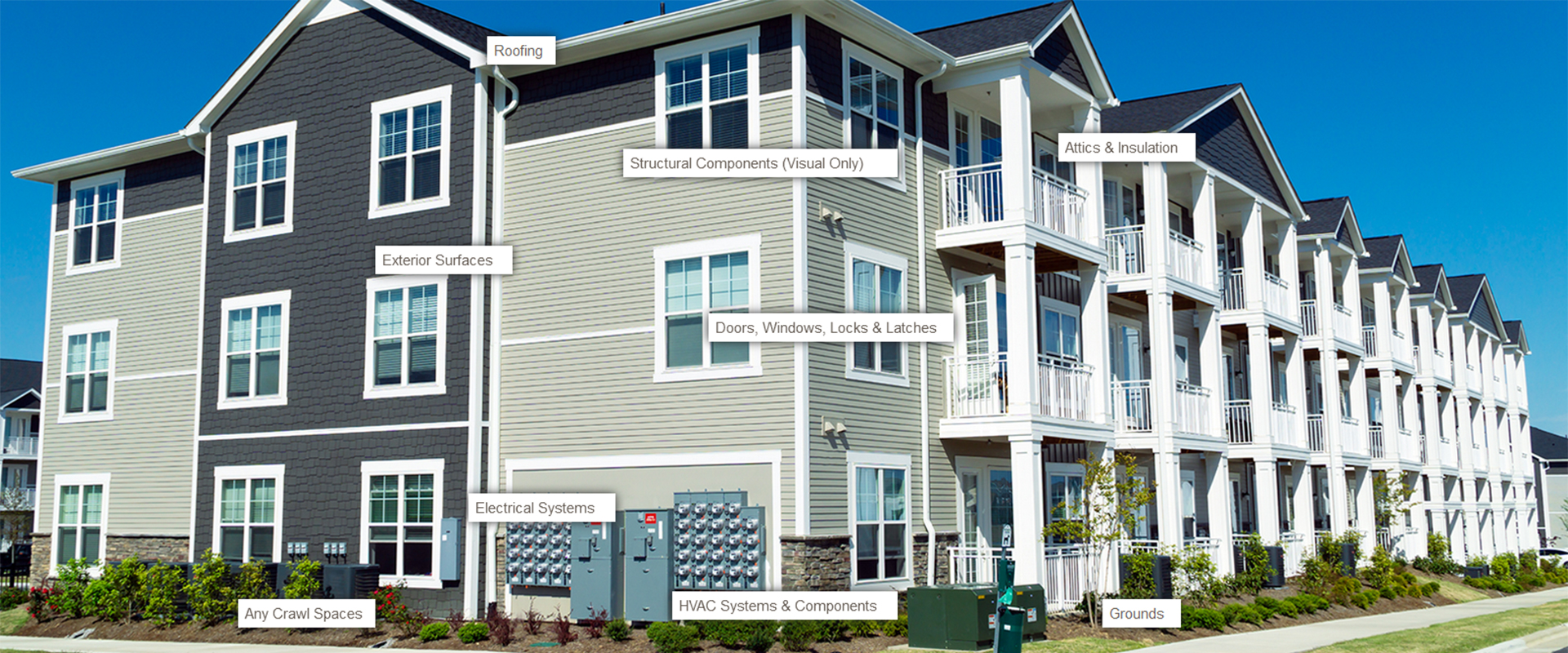
- Examine the condition of the roof, including materials and installation.
- Check flashings, venting systems, and signs of wear or deterioration.
- Assess roof drainage systems, including gutters and downspouts, for proper function.
- Inspect ridge and fascia board lines, building sides, windows, and door frames.
- Evaluate the visible foundation for any signs of issues.
- Review framing and sheathing.
- Check for adequate and properly installed insulation and ventilation.
- Inspect visible electrical components.
- Examine vinyl, aluminum, and all types of siding.
- Check for cracks or breaks in masonry, exterior paint, or stain flaking.
- Assess any vegetation in contact with the structure’s surface.
- Evaluate for signs of damage or decay.
- Check that joint frames are caulked, glass is intact, and doors operate correctly.
- Ensure proper signage is in place.
- Inspect service panels, subpanels, outlets, light switches, and circuits.
- Assess the type of wiring used throughout the property.
- Check for adequate ventilation to the exterior.
- Inspect exposed insulation, and potential insect or moisture damage.
- Review framing, plumbing, electrical, and ductwork.
- Determine the age and functioning of systems.
- Identify any installation issues, or signs of leaking, and check the condition of ductwork and air filters.
- Look for signs of improper drainage, standing water, or damage to the exterior structure, driveways, and paths.
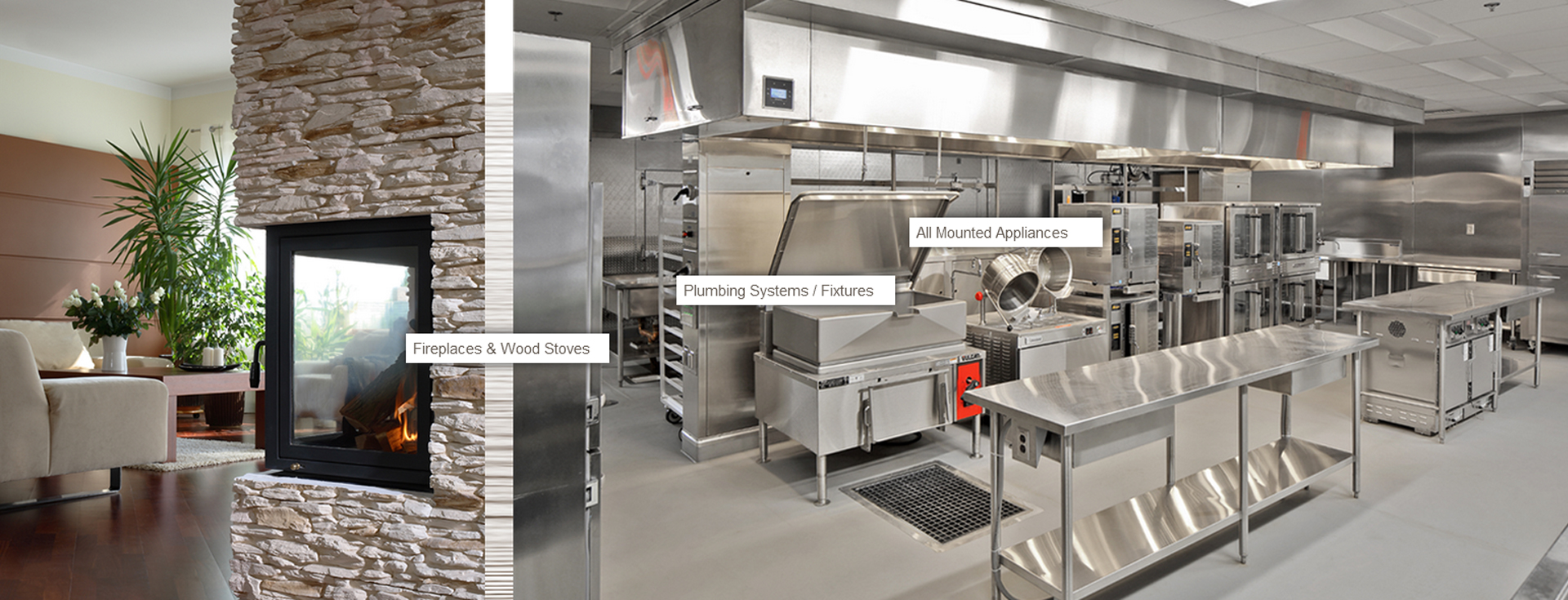
- Verify proper installation and functionality.
- Check for signs of rust, damage, or leaks.
- Inspect sinks, faucets, drains, appliances, and other plumbing components.
- Evaluate toilets, showers, bathtubs, and valves for proper operation.
- Check visible components like the flue, damper, firebox, hearth, and cap.
Learn more about our Commercial Inspection Services
Choosing the Right Commercial Inspection Services.
When investing in or managing a commercial property, one of the crucial steps to ensure its safety, functionality, and compliance with regulations is conducting a thorough commercial property inspection. This assessment plays a vital role in identifying potential issues that could affect the property’s value and usability.Why Experience and Credentials Matter
Choosing the right commercial inspector is critical. A seasoned inspector brings a wealth of industry knowledge and technical proficiency, which is essential for accurately evaluating complex systems within commercial spaces, such as electrical systems, HVAC units, and plumbing. These properties often have unique requirements that vary depending on their use, from retail spaces to industrial complexes.What to Look for in a Commercial Inspector
Experience and qualifications are the benchmarks for a reliable commercial inspector. Look for professionals who have:
- Industry-specific knowledge: Understands the particular needs of different types of commercial properties.
- Technical expertise: Has a background in engineering, architecture, or building sciences.
- Certifications: Hold relevant certifications & memberships in respected organizations such as the International Association of Certified Home Inspectors (InterNACHI).
- Proven track record: Can provide references and examples of previous inspections.
Costs and Services
The cost of commercial property inspections can vary widely depending on the size and complexity of the property. However, investing in a reputable service can save considerable expenses down the line by identifying issues early. Choosing the right commercial building inspection services is a crucial decision that impacts the safety and longevity of your investment. Ensure your commercial inspector can not only identify current problems but also predict potential future issues, allowing for preventive measures.Why should you choose AHI for your commercial inspection?
6,000 +
Inspections
50 +
Cities
6 +
Professionals
16 +
Yrs Inspection Experience
25 +
Yrs Related Experience

FAQs
The post What Is A Commercial Inspection And What Does It Entail? appeared first on Tulsa Home Inspections - Residential and Commercial Inspection Services in Tulsa, Oklahoma.
]]>The post Common Defects in Home Plumbing Drains: What to Expect in a Home Inspection. appeared first on Tulsa Home Inspections - Residential and Commercial Inspection Services in Tulsa, Oklahoma.
]]>
When buying a new home, conducting a comprehensive home inspection is essential, with a crucial focus on the plumbing system, particularly the drains throughout the property. This general inspection involves evaluating all visible drains, while a main-drain inspection, often an additional service, employs a camera to scrutinize the main drain. These assessments are invaluable for identifying potential plumbing issues in both residential and commercial properties before they escalate into significant problems. Minor drain pipe repairs typically range from $100 to $800, whereas major repairs can cost between $800 and over $10,000. We will walk you through the various types of plumbing drains found in a home and pinpoint the most common defects to watch for during a home inspection.
The Various Types of Plumbing Drains in Your Home.
Understanding the different types of plumbing drains in your property is crucial for maintaining its health and functionality. Essentially, there are three main categories to be aware of: fixture drains, floor drains, and the main sewer line.
- Fixture drains are directly connected to your home’s water fixtures, like sinks and showers, playing a pivotal role in daily activities. They transport water to the main drain.
- Floor drains, found in lower areas of the home such as basements or garages, are designed to manage excess water, safeguarding against potential flooding.
- The Main sewer line acts as the critical pathway for wastewater to exit your home, connecting to the municipal sewer system.
Each type of drain has a specific purpose and requires attention during a home inspection to ensure they are clear of obstructions and in good working order. Recognizing these drains and their functions can help you better understand the inspection process and what potential issues to be mindful of.
Fixture Drains – Understand Your Sinks, Showers, and Tubs.
In the bustling activity of daily life, the drains in your sinks, showers, and tubs play a silent but pivotal role. These fixture drains are the unsung heroes of your plumbing system, discreetly managing water flow and keeping your routines uninterrupted. However, without proper attention, they can become clogged due to hair, soap scum, and other debris, leading to frustrating blockages or even water damage over time. During your home inspection, your experienced inspector will operate fixtures. test for operation and look for any visible leaks. Their keen eye and use of additional technology like thermal imaging helps identify potential issues that may not be immediately visible
Floor Drains – Keep Your Home Dry.
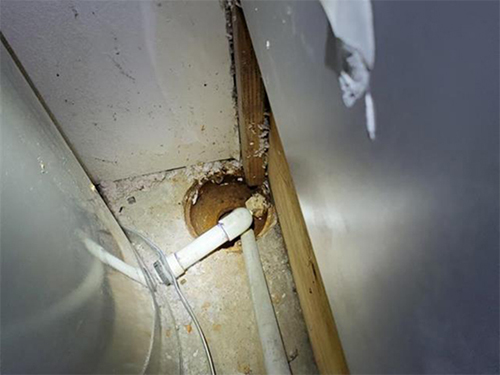
Floor drains, discreetly placed in basements, garages, and utility rooms, serve a critical role in your home’s defense against water damage. These essential fixtures are designed to efficiently channel away unwanted water, keeping your spaces dry and safeguarding your possessions from flooding. However, they are not without their vulnerabilities. Over time, these drains can accumulate debris such as leaves, dirt, and even small objects, leading to blockages that impede their functionality. Such obstructions not only prevent the drain from performing its primary task but also pose a risk of causing water damage. This can include damage to your home’s interior or the foundation. During a comprehensive Tulsa sewer-line inspection, specialists meticulously evaluate these drains, ensure they are clear and fully operational. Your inspector will identify any concerns that could compromise your home.
The Main Sewer Line – The Lifeline of Your Home’s Plumbing.
Sewer-Line Camera Inspection
At the core of your home’s plumbing infrastructure is the main sewer line, a vital channel that facilitates the efficient removal of wastewater to the municipal sewer system. To avoid costly repairs, it’s advisable to have this crucial drain inspected with a camera. Although this isn’t typically part of a standard home inspection, companies like Assured Home Inspectors offer sewer-line camera inspections as an additional service. Utilizing tools such as drain cameras, home inspectors meticulously examine the sewer line for potential issues. This thorough inspection is essential for detecting concealed problems like blockages, absent backflow preventers, misalignments, sags, cracks, or root intrusion. Ignoring these issues could lead to significant disruptions, including unsanitary backflows and extensive property damage. Early detection by an experienced Tulsa home inspection professional allows for timely interventions, ensuring the health and functionality of your entire plumbing system. This proactive strategy not only preempts major issues but also ensures peace of mind.
Common Defects and How to Address Them.
Navigating the complexities of a property’s plumbing system can sometimes unveil defects such as clogs, leaks, and corrosion, each with the potential to cause significant harm if overlooked. These prevalent issues, often identified during a Tulsa home inspection, can lead to unwelcome water damage, encourage mold proliferation, and even compromise the structural integrity of your residence. Addressing these defects swiftly and effectively is paramount. Engaging with a skilled plumbing service in Tulsa becomes crucial in remedying these concerns. They bring expertise and innovative solutions to restore the functionality and safety of your home or commercial property’s plumbing, ensuring a smooth transition into your new abode without the lingering worry of hidden plumbing troubles.
Choosing the Right Home Inspection Service in Tulsa.
Selecting an adept home inspection service in Tulsa is a pivotal decision in the home-buying journey. The ability of the inspectors can significantly impact the thoroughness of the inspection. Seek out services that are not only certified but also equipped with state-of-the-art diagnostic tools, such as drain cameras and thermal imagers. These technologies enable inspectors to delve deeper into your potential property’s plumbing system, spotting issues that might not be visible to the naked eye. A company that combines technical proficiency with a solid track record of identifying and advising on plumbing defects offers invaluable peace of mind. By prioritizing these qualities in your selection, you’re ensuring that your investment is meticulously vetted, paving the way for a smooth transition into your new home without the apprehension of unforeseen plumbing challenges.
Book your general home inspection and add on a sewer-line inspection with Assured Home Inspectors and gain the confidence you need to make informed decisions about your property’s plumbing system! With almost 20 years of experience and over 12,000 inspections conducted across more than 50 cities, Assured Home Inspectors stands out as a trusted partner in your home-buying process.FAQs
There are three main categories of plumbing drains to be aware of: fixture drains, floor drains, and the main sewer line. Fixture drains are connected to water fixtures like sinks and showers and flow into the main drain. Floor drains are in lower areas such as basements and garages and carry away excess water. The main sewer line connects your property’s plumbing system to the municipal sewer system.
Common defects in fixture drains include clogs due to hair, soap scum, and other debris, which can lead to blockages and potential water damage, missing stoppers, and leaks.
Floor drains can accumulate debris like leaves, dirt, and small objects, leading to blockages that prevent them from effectively channeling away water. This can result in water buildup and moisture-related issues that may damage your home’s foundation or interior. Regular inspections can help identify and address these problems early.
The main sewer line is crucial because it looks at the condition of the pipe between your home and the city drain. During an addon sewer-line inspection, drain camera technology is often used to check for hidden defects such as blockages, missing check valves, offsets, bellies, cracks, or root intrusion. Identifying these issues early helps prevent unexpected costs for maintenance or repair/replacement of sewer lines.
When choosing a home inspection service in Tulsa, look for certified inspectors who use advanced diagnostic tools like drain cameras. A reputable company should have a strong track record in identifying and advising on plumbing defects, ensuring a thorough evaluation of your potential property’s plumbing system and providing peace of mind.
The post Common Defects in Home Plumbing Drains: What to Expect in a Home Inspection. appeared first on Tulsa Home Inspections - Residential and Commercial Inspection Services in Tulsa, Oklahoma.
]]>The post Why Home and Commercial Reinspections are so Important appeared first on Tulsa Home Inspections - Residential and Commercial Inspection Services in Tulsa, Oklahoma.
]]>
We’ve talked a lot about why home and commercial property inspections are so important — but why are reinspections just as important?
When you purchase property in Oklahoma, there are really two times for negotiation:
- Upfront offer and acceptance
- Negotiation of treatments, repairs, and replacements (TRR), where buyers and sellers reach an agreement on what will be addressed before closing.
If you ask for repairs to be completed as part of the purchase, you should schedule a reinspection before closing.
What’s a reinspection?
A resinspection is an additional inspection to make sure that all repairs have been properly completed per the agreement. Sure, it’d be nice if you could just take the seller’s word for it, but over the course of our 8,000-plus inspections and reinspections we’ve seen numerous examples of why you shouldn’t.
Here are a few examples of issues that we discovered at a reinspection (and would have left the buyer in a bind).
Roof Replacement – When we reinspected this property, we discovered the shingles were improperly fastened throughout, flashings were missing and improperly installed, and the roof’s pitch was not sufficient for the material. Overall, the installation didn’t meet the standards or manufacturer directions. The seller didn’t know the contractor was unprofessional, and immediately litigated against the roofer and had the roof replaced by another contractor.
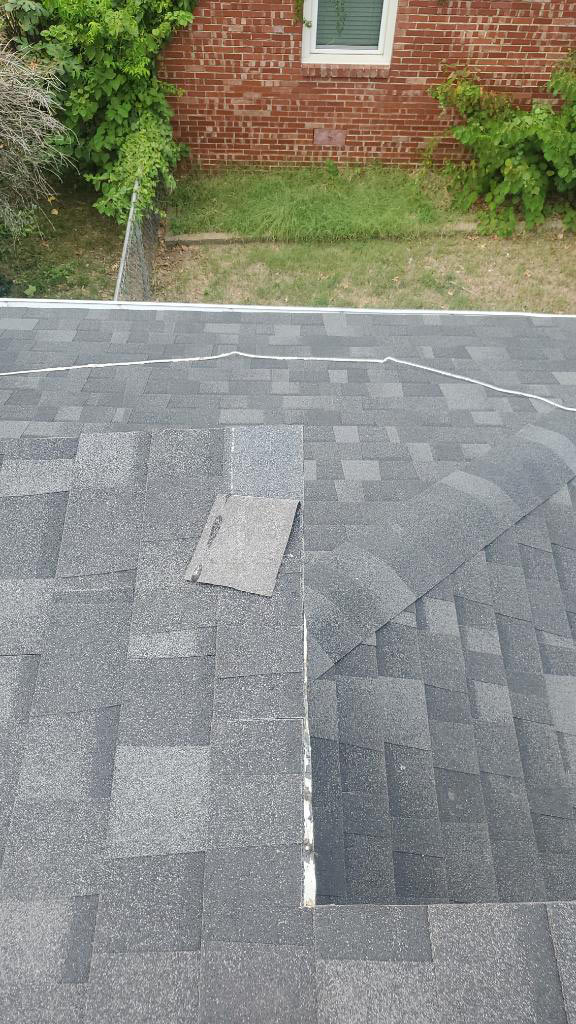
Shingles not properly fastened
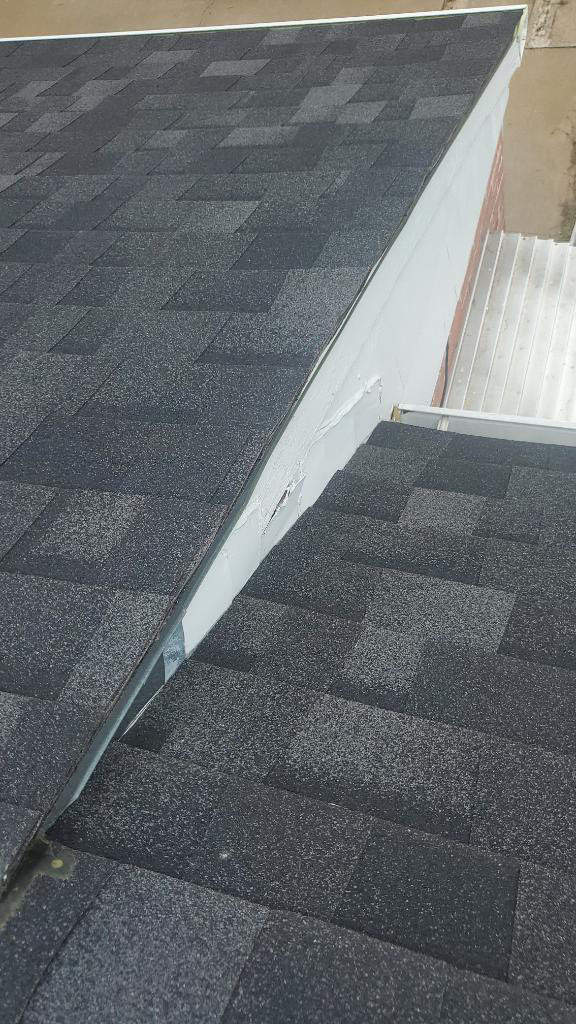
Improperly installed flashing
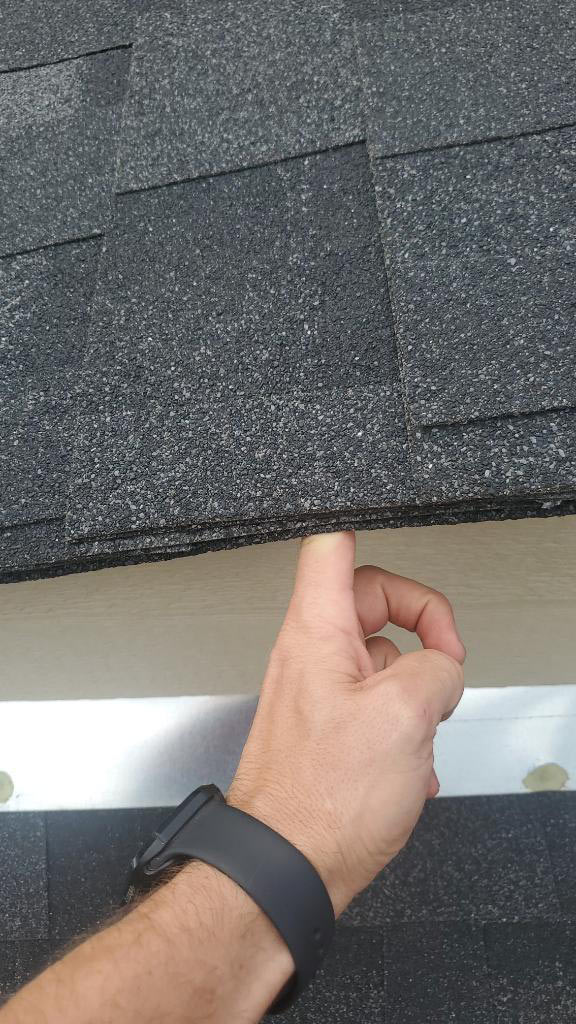
Improperly installed shingles
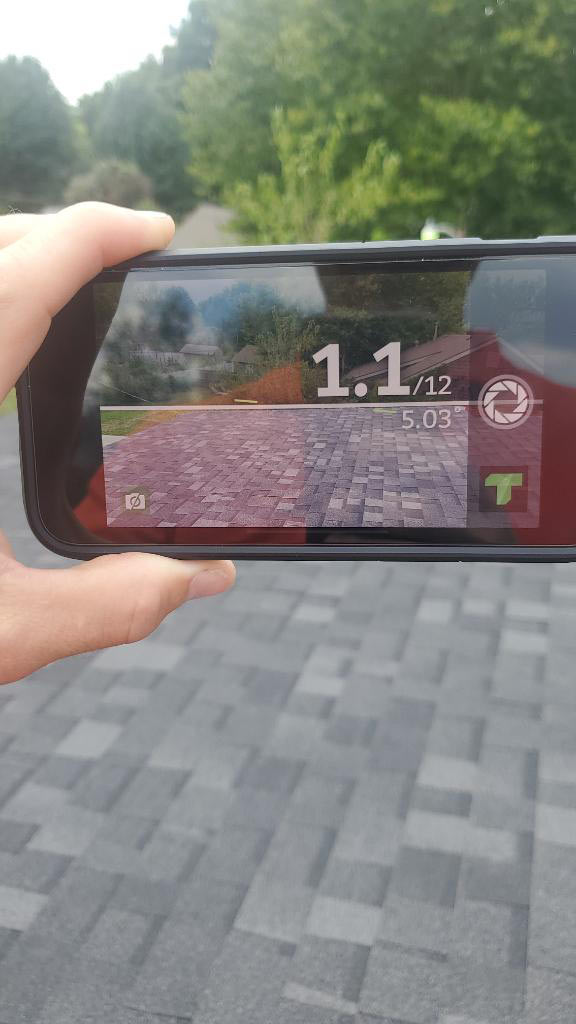
Improperly installed shingles on a low pitch surface
Plumbing Leaks – The contractor fixed some leaks in the crawl space, but overlooked some of the leaks. If the seller hadn’t hired us to double-check his work in a reinspection, the missed leaks could have caused tremendous damage over time.
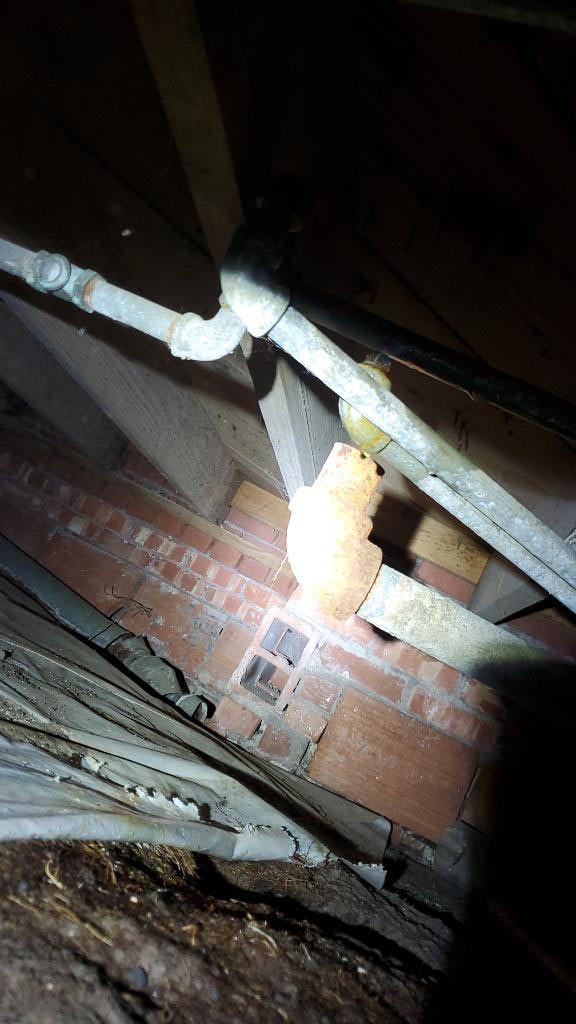
Missed plumbing leak in crawl space
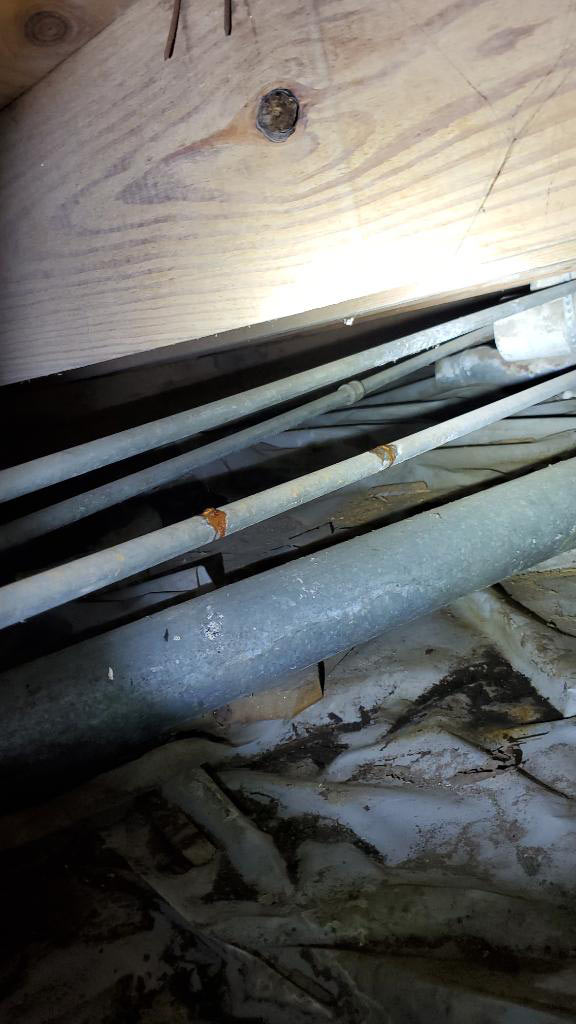
Missed plumbing leak in crawl space
Wood Rot Damage – Significant exterior wood rot was found during the home inspection, which the seller agreed to fix. However, the contractor caulked over the damage without repairing it, which would have been missed by the untrained eye. Thanks to the reinspection, the buyer was able to receive a credit for the repair at close.
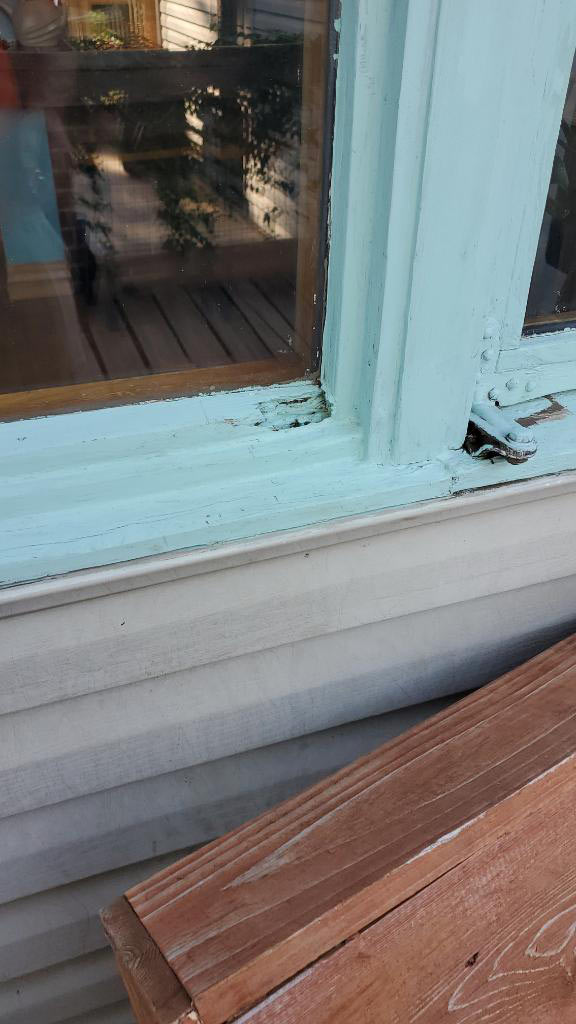
Exterior wood rot
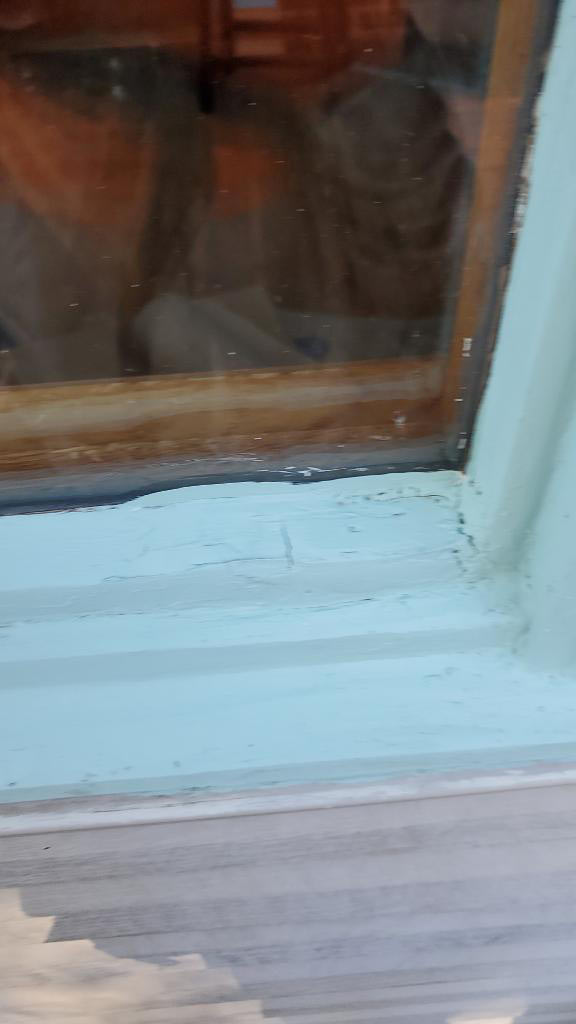
Improper wood rot repair
Outlets – Following an initial home inspection, the buyer and seller agreed that the outlets would be properly grounded. However, the contractor didn’t install proper grounding, but instead ran a jumper from the neutral to the ground. Thanks to our reinspection, the buyer was able to get a proper repair, which the seller paid for after close. Had the buyer not had a reinspection, they would have been unaware of this improper electrical repair.
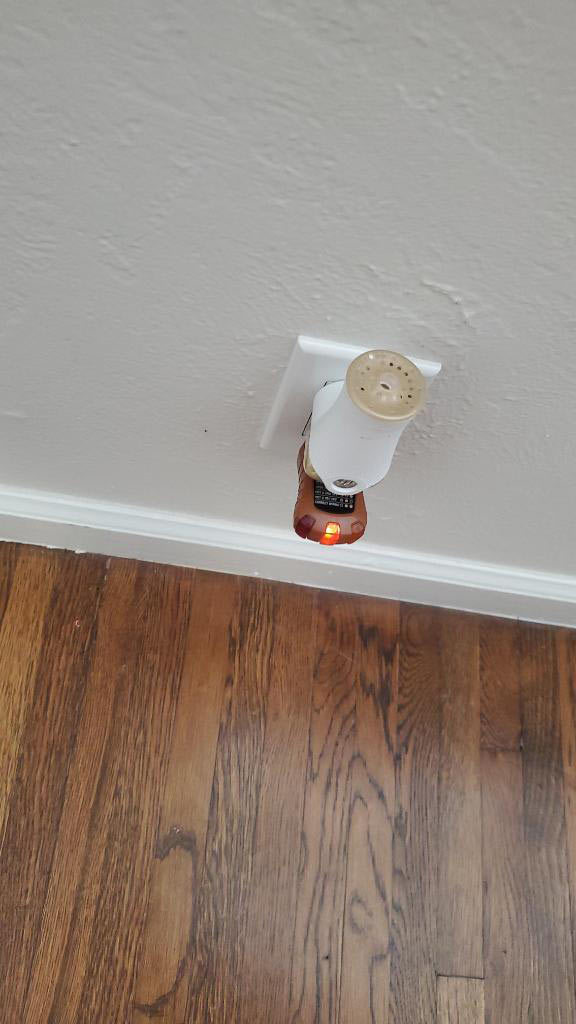
Outlet that tested open ground
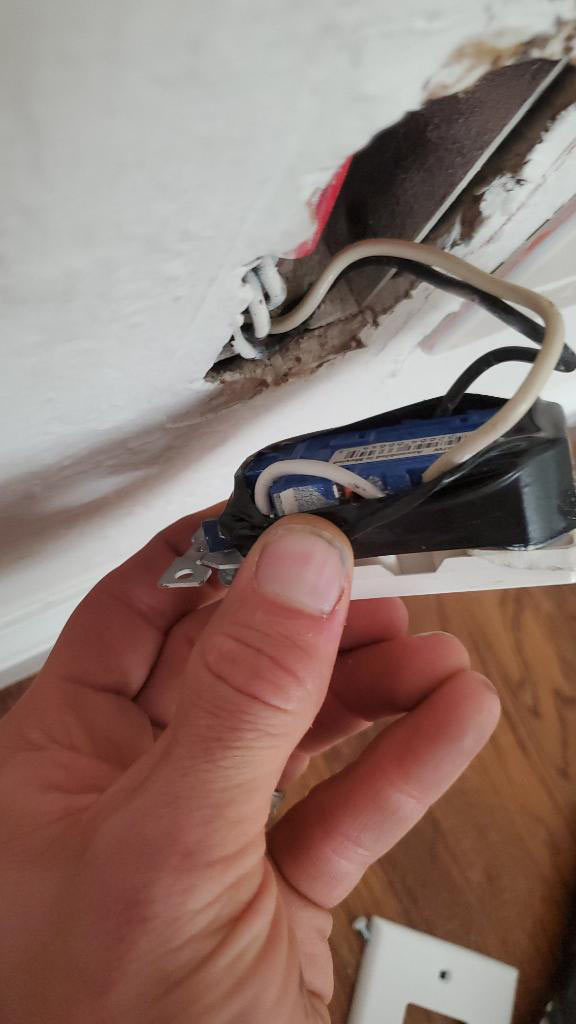
Improper outlet repair
No Repairs Completed – After inspection, the buyer and seller agreed to significant repairs, including missing insulation, a malfunctioning furnace, an overheating electrical panel, and removing active racoons in the attic, among other issues. Despite the agreement, our reinspection found that the seller didn’t complete any of the repairs. The buyer canceled the contract, got their earnest money back, and started looking for a new home. The buyer litigated against the seller and was able to recover all of the expenses they incurred. When they finally found a new home, we gave them a discount on their second inspection.
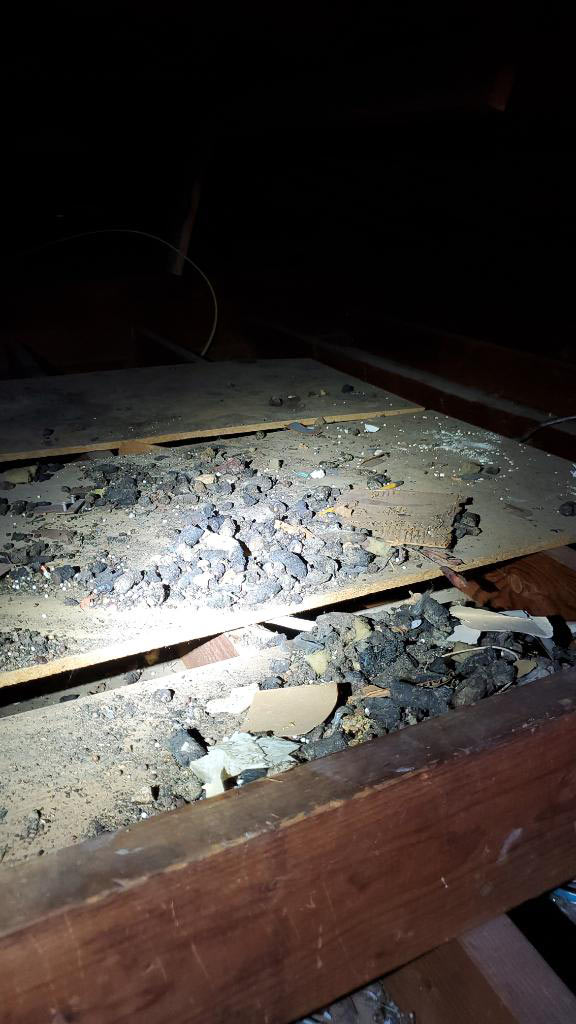
Racoon feces in attic still present
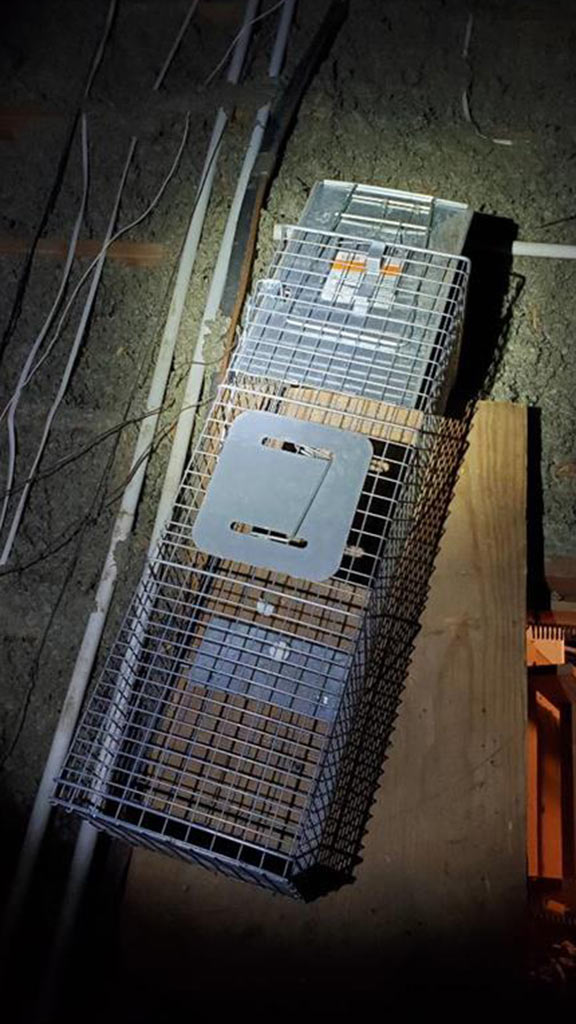
Racoon trap in attic still present
As you can see, we frequently find issues that have not been addressed or have been improperly addressed during the reinspection process. At close, you typically sign a contract saying you’re buying a property “as is/where is,” meaning that unless you can prove the seller was intentionally fraudulent, it’s your problem now. The cost for a reinspection is low and the benefit is high.
At Assured Home Inspectors, we will reinspect properties if we did the initial inspection. Make sure you are protecting yourself and your investment by having a professional reinspection.
Have a question? Let us help. If you would like more information or would like to schedule a home or commercial property inspection, please contact us.
The post Why Home and Commercial Reinspections are so Important appeared first on Tulsa Home Inspections - Residential and Commercial Inspection Services in Tulsa, Oklahoma.
]]>The post Why are home and commercial inspections so important and how do I choose a good inspector? appeared first on Tulsa Home Inspections - Residential and Commercial Inspection Services in Tulsa, Oklahoma.
]]>
The post Why are home and commercial inspections so important and how do I choose a good inspector? appeared first on Tulsa Home Inspections - Residential and Commercial Inspection Services in Tulsa, Oklahoma.
]]>The post Why you need an annual home or commercial maintenance inspection. appeared first on Tulsa Home Inspections - Residential and Commercial Inspection Services in Tulsa, Oklahoma.
]]>
The post Why you need an annual home or commercial maintenance inspection. appeared first on Tulsa Home Inspections - Residential and Commercial Inspection Services in Tulsa, Oklahoma.
]]>The post Why you may need mold inspection and testing services. appeared first on Tulsa Home Inspections - Residential and Commercial Inspection Services in Tulsa, Oklahoma.
]]>
The post Why you may need mold inspection and testing services. appeared first on Tulsa Home Inspections - Residential and Commercial Inspection Services in Tulsa, Oklahoma.
]]>The post What You Need To Know About Inspection Services. appeared first on Tulsa Home Inspections - Residential and Commercial Inspection Services in Tulsa, Oklahoma.
]]>
The post What You Need To Know About Inspection Services. appeared first on Tulsa Home Inspections - Residential and Commercial Inspection Services in Tulsa, Oklahoma.
]]>The post Five Reasons Why You Should Always Get A Pre-Listing Inspection. appeared first on Tulsa Home Inspections - Residential and Commercial Inspection Services in Tulsa, Oklahoma.
]]>
The post Five Reasons Why You Should Always Get A Pre-Listing Inspection. appeared first on Tulsa Home Inspections - Residential and Commercial Inspection Services in Tulsa, Oklahoma.
]]>The post Why You Need An 11-Month Builder’s Warranty Inspection. appeared first on Tulsa Home Inspections - Residential and Commercial Inspection Services in Tulsa, Oklahoma.
]]>
The post Why You Need An 11-Month Builder’s Warranty Inspection. appeared first on Tulsa Home Inspections - Residential and Commercial Inspection Services in Tulsa, Oklahoma.
]]>The post Six Tips To Prevent Termites From Invading Your Home. appeared first on Tulsa Home Inspections - Residential and Commercial Inspection Services in Tulsa, Oklahoma.
]]>
Termites are a topic nobody likes to talk about. However, the costs of not talking about termites — and the damage they can cause — is much worse. As one of Green Country’s most experienced termite inspection companies, we know how to spot the signs of termites.
However, an ounce of prevention is worth a pound of cure. Or in this case, an ounce of prevention can potentially save thousands of dollars in repairing termite damage. The following six tips will help prevent termite activity.
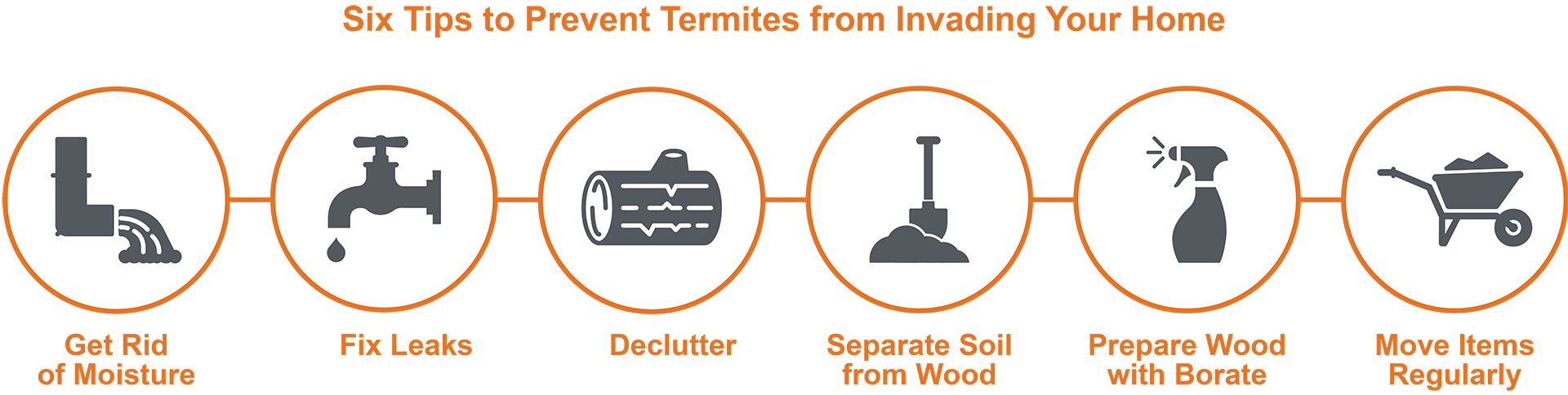
Get rid of moisture – Moisture is like beach-front property to bugs and can attract all kinds of pests and termites into your home. Subterranean termites need moisture to survive, so keep your gutters clean and make sure grading directs water away from your home.
Fix leaks – Pay close attention to any decay or leaks in your house. Termites love moisture-laden walls. Repair any leaks ASAP.
Declutter your house inside and out – Get rid of unneeded cellulose material at the interior and exterior of the home. Termites are constantly foraging for food and are looking for anything celulose. Get rid of wood piles, wood debris, piles of papers, cardboards, newspapers, and old magazines.
Separate soil from wood – Make sure you keep soil and wood apart. This will help act as a barrier and reduce chances for activity. If you do have activity, you are much more likely to see evidence.
Spray borate on wood before priming or painting – Borate is one of the most popular termite repellents, and should be sprayed on wood before priming and painting. Borate gets absorbed into the wood, preventing the wood from being a termite buffet. Once it’s absorbed, you can prime and paint it normally. Borate is safe, but extremely potent, and protects wood from termite damage for decades.
Move items regularly – Termites don’t like to be disturbed, by moving items regularly, activity and damage can be prevented. You are also more likely to observe activity if items are moved.
Think termites may have already invaded your home?
Schedule a wood destroying organism inspection with us. At Assured Home Inspectors, we will conduct a fast, thorough, and affordable inspection — including using state-of-the-art technology to spot signs of damage others might miss. We will also recommend pest control companies, how to repair termite damage and how to prevent future infestation.
Don’t let termites’ nests wreak havoc on yours. Schedule a termite inspection with us.
The post Six Tips To Prevent Termites From Invading Your Home. appeared first on Tulsa Home Inspections - Residential and Commercial Inspection Services in Tulsa, Oklahoma.
]]>The post Water Heaters 101: Everything To Know About Water Heaters. appeared first on Tulsa Home Inspections - Residential and Commercial Inspection Services in Tulsa, Oklahoma.
]]>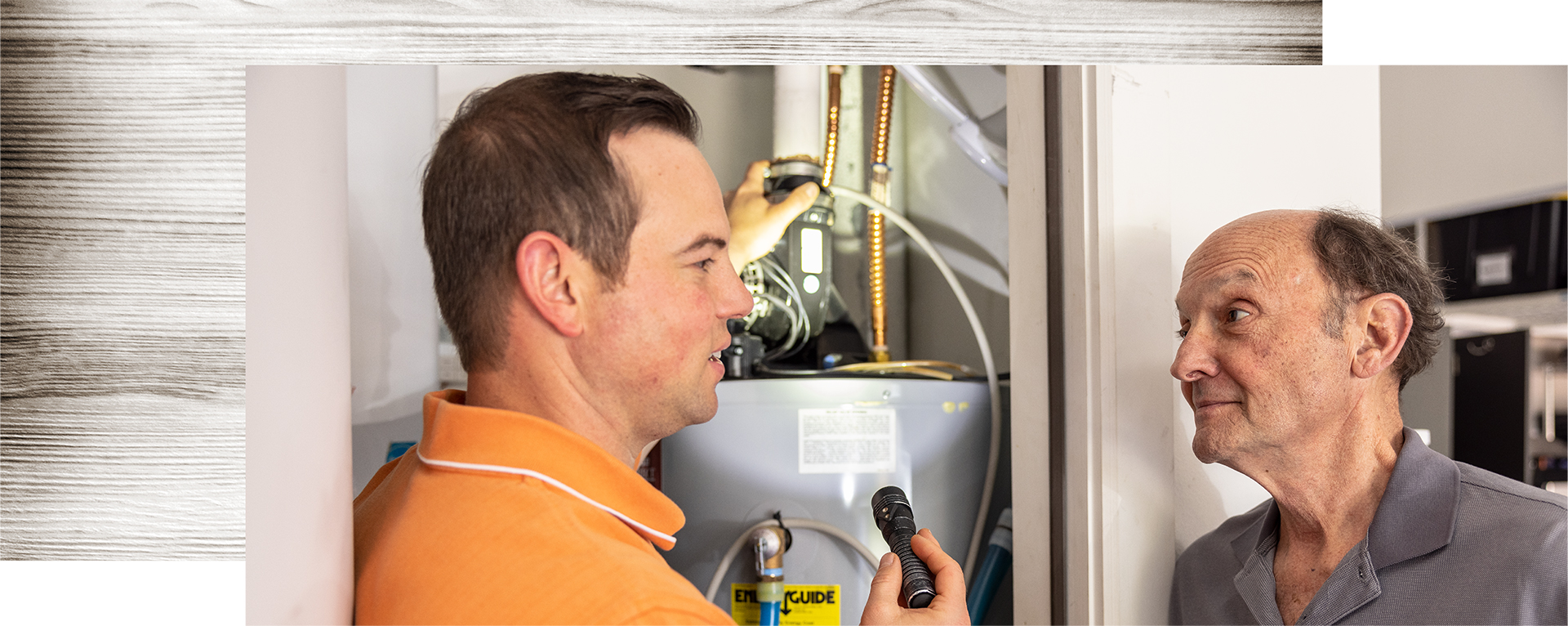
The post Water Heaters 101: Everything To Know About Water Heaters. appeared first on Tulsa Home Inspections - Residential and Commercial Inspection Services in Tulsa, Oklahoma.
]]>How is mold testing done?
The post What you need to know about mold. appeared first on Tulsa Home Inspections - Residential and Commercial Inspection Services in Tulsa, Oklahoma.
]]>
The post What you need to know about mold. appeared first on Tulsa Home Inspections - Residential and Commercial Inspection Services in Tulsa, Oklahoma.
]]>The post How to be ready before, during, and after your residential or commercial inspection! appeared first on Tulsa Home Inspections - Residential and Commercial Inspection Services in Tulsa, Oklahoma.
]]>
Whether it’s your family home, your home away from home, your future place of business, or an investment property, purchasing real estate is one of (if not the single) most important financial decisions you’ll make. Don’t be nervous or worried, though. We’re here to help you make your purchasing decision with confidence!
When it comes to buying or selling a home or commercial property, you can never be too prepared. At the same time, you might not know what to ask, especially if you’re a first-time home buyer, or you’ve never purchased commercial property before. To help give you peace of mind, and make the inspection process run as smoothly as possible, we’ve created a preparation checklist.
Just follow these simple steps and you’ll be ready before, during, and after your inspection.
Download your
Free Printable Checklist
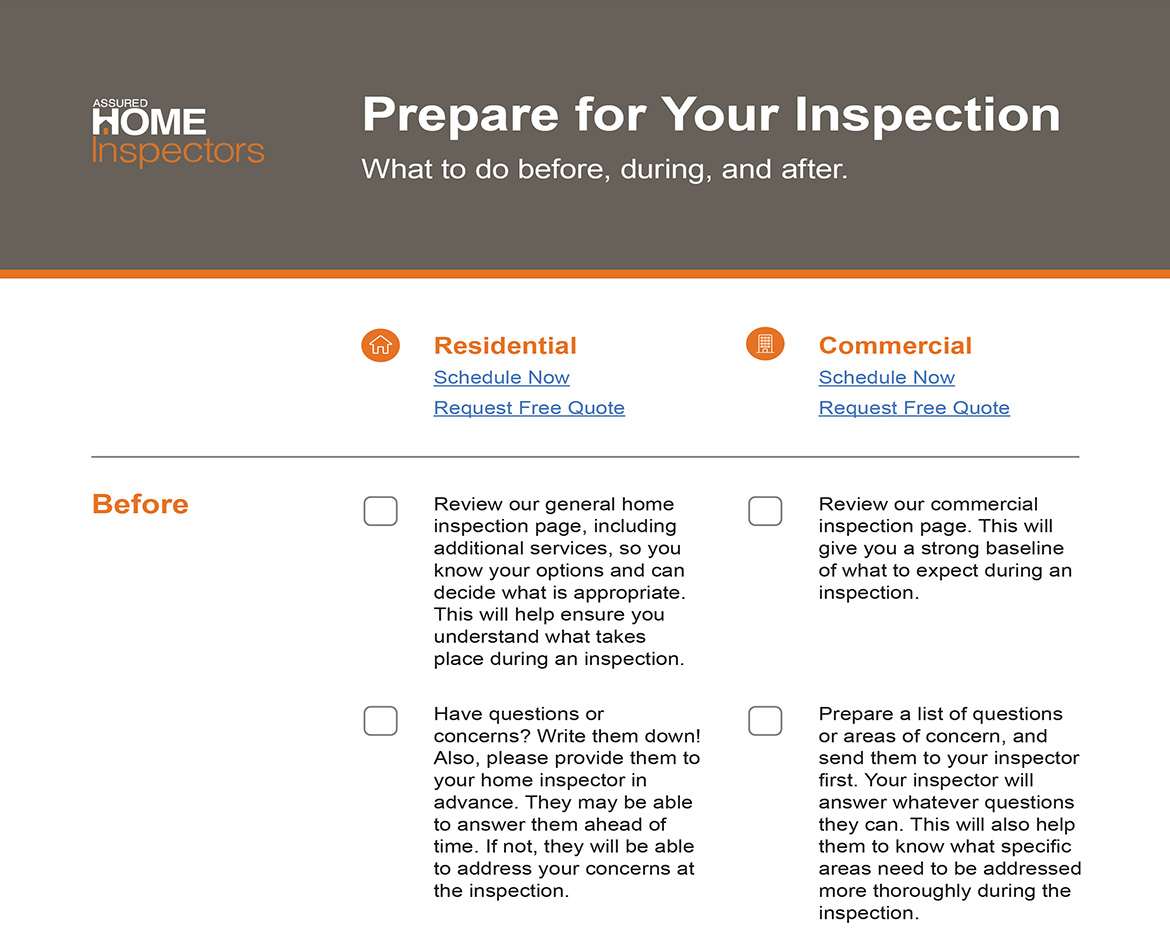 [contact-form-7]
Want an expert opinion? Or worried about your upcoming inspection? For your peace of mind (not to mention your budget), schedule a general home inspection, and let us find any surprises before they become problems.
The post How to be ready before, during, and after your residential or commercial inspection! appeared first on Tulsa Home Inspections - Residential and Commercial Inspection Services in Tulsa, Oklahoma.
]]>The post Keep your home in great shape with our spring and fall inspection checklist. appeared first on Tulsa Home Inspections - Residential and Commercial Inspection Services in Tulsa, Oklahoma.
]]>
Your home is like anything else you own—the better you take care of it, the longer it will last without problems. Despite being probably the biggest purchase most people will ever make, many homeowners still ignore basic maintenance and upkeep. Everybody is super busy, we understand, but by spending a little bit of time inspecting your home now, you can potentially save a lot of money (not to mention headaches) later.
We recommend scheduling a routine inspection with us once a year, especially if your home is 20 years or older. While it’s best to hire a pro, there are some things you can check out on your own.
The best times of year to personally inspect your home are the spring and fall. Why? For starters, the weather is usually more mild, so being outside won’t be as strenuous. Also, spring and fall are sandwiched between scorching summers and frigid winters, so your home has definitely taken a beating from the weather. It’s a good idea to check your home once one intense weather season is over, and before another one begins.
Don’t know where to begin? We’ve made it easy for you. Keep your home in great shape whatever the season with our handy maintenance checklist!
Download your
Free Printable Checklist
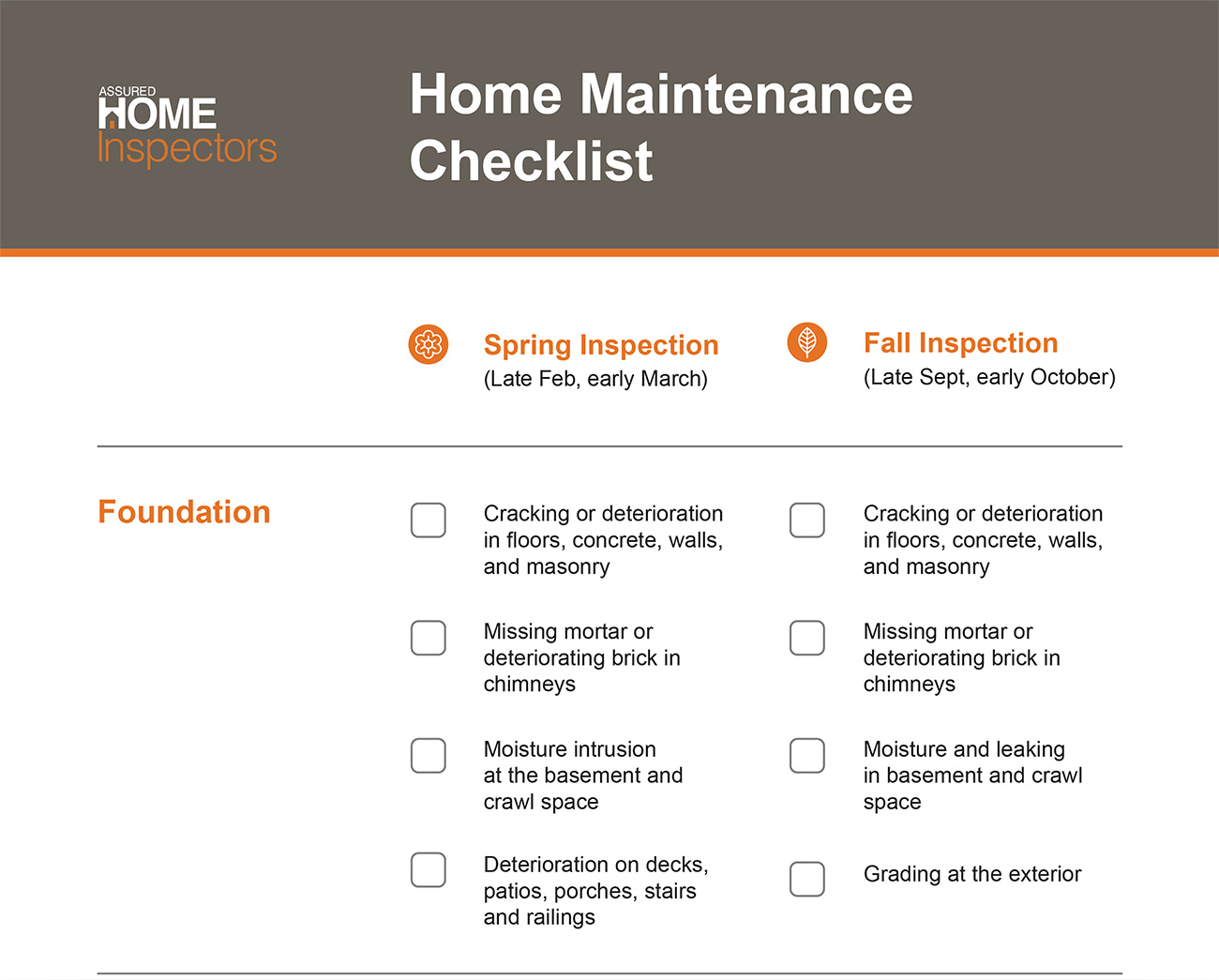 [contact-form-7]
Want an expert opinion? Or worried you found something wrong? For your peace of mind (not to mention your budget), schedule a general home inspection, and let us find any surprises before they become problems.
The post Keep your home in great shape with our spring and fall inspection checklist. appeared first on Tulsa Home Inspections - Residential and Commercial Inspection Services in Tulsa, Oklahoma.
]]>