The post Phase Inspections for New Construction in Tulsa, OK appeared first on Tulsa Home Inspections - Residential and Commercial Inspection Services in Tulsa, Oklahoma.
]]>
The most expensive problems in a new home are the ones sealed inside the walls. Once the drywall goes up, the framing, wiring, and plumbing behind it are out of reach, and builders miss more than buyers expect. We have walked brand-new homes with no cutouts for the AC vents, rooms with no outlets, missing nail plates over wiring, crushed or disconnected ducts, and more.
Most buyers assume the city inspector catches everything. However, a code inspector only spends a few minutes per house confirming the legal minimum, not the quality of the work. A joist hanger with three nails passes code, even when the manufacturer calls for ten.
If you build in the country there may be no inspector at all. Across much of rural Oklahoma, homes in unincorporated areas go up with no permit and no inspection of any kind, so an independent phase inspection is your only insurance.
A new-construction phase inspection reviews the home at each stage, while problems are still visible, still cheap to fix, and still the builder’s problem to solve. Whether you are building in Tulsa, Broken Arrow, Bixby, Jenks, Owasso, Glenpool, Sand Springs, or Claremore, the reasons to get one add up quickly.
| Why a New Home Still Needs an Independent Phase Inspection |
 Dozens of subcontractors work under tight schedules and deadlines Dozens of subcontractors work under tight schedules and deadlines |
| The next trade covers critical work before anyone reviews it |
| City code inspections verify minimums, not workmanship |
| Oklahoma soils shift and settle, which stresses foundations and slabs |
| Oklahoma disclosure law exempts brand-new, unoccupied homes |
In this guide we will cover what phase inspections are, the four phases that protect you, what we commonly find, and one Oklahoma-specific reason new-home buyers should pay extra attention. If you are ready to talk it through, request a free quote or call or text us at 918.853.5113.
Table of Contents
- What Are New-Construction Phase Inspections?
- The Four Phases of a New-Construction Inspection
- Why Brand-New Homes Still Have Defects
- The Value of Catching Problems Early
- City Inspections vs. a Private Phase Inspection
- Oklahoma Disclosures and Why a Phase Inspection Still Matters
- Free Phase-Inspection Buyer Checklist (Tulsa, OK)
- Who Benefits Most From Phase Inspections?
- FAQs: Phase Inspections in Tulsa, OK
- Schedule Your New-Construction Phase Inspection (AHI)
What Are New-Construction Phase Inspections?
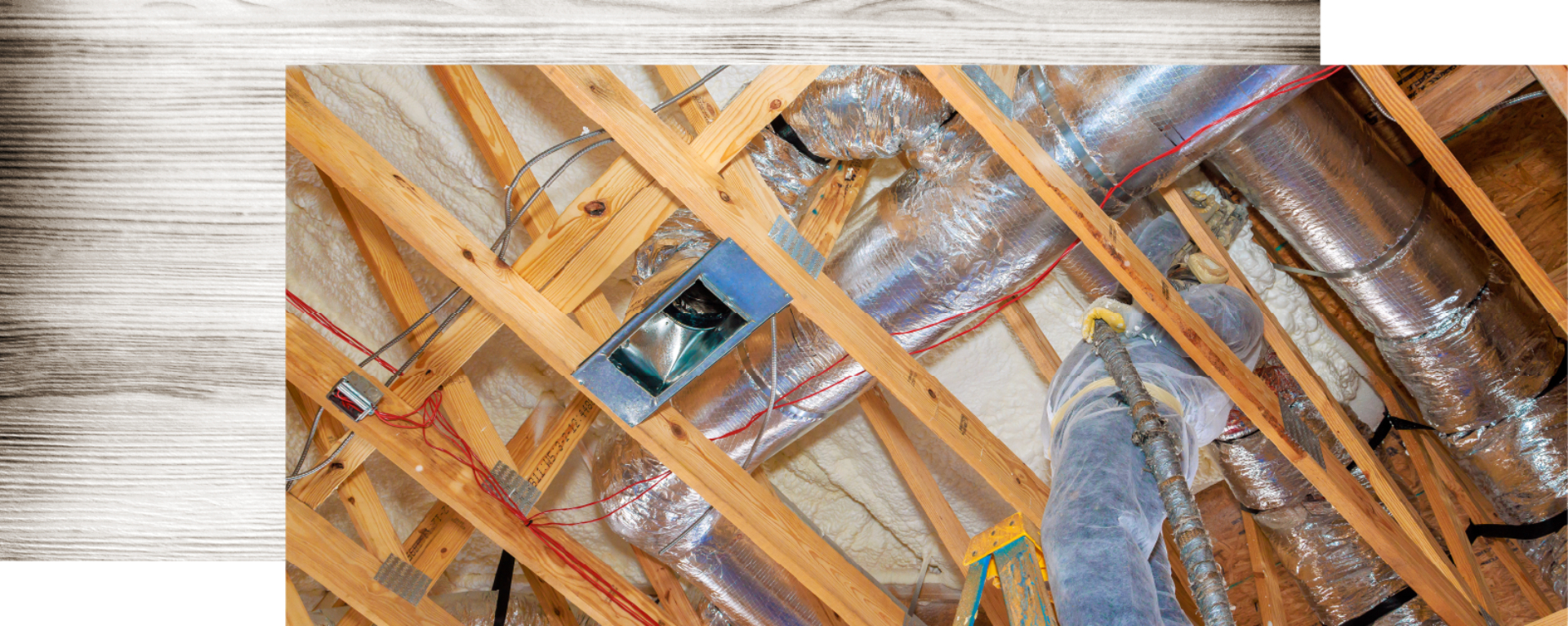
A phase inspection is simply an inspection we complete during construction rather than at the very end. A certified inspector reviews the home or commercial building at key milestones to catch problems before the next stage of construction.
This is different from the inspections the city performs. Municipal building officials verify minimum code compliance, and they work on behalf of the jurisdiction. A private phase inspection works for you, the buyer, focusing on workmanship, installation quality, and the conditions that affect how the building performs, holds up, and keeps your family, tenants or employees safe.
In Oklahoma, home and commercial inspectors carry a license from the Construction Industries Board under Title 158, Chapter 70. Those rules set the standards of practice as the minimum scope for a general home inspection and they let the inspector and client arrange additional services. Phase inspections fall into that category. We agree on the scope up front, so you know exactly what we check at each stage.
The Four Phases of a New-Construction Inspection
Ideally, we review a new build at four points. Each phase shows you something that becomes difficult or impossible to see later.
Pre-Pour Foundation Inspection
We inspect before the crew pours the slab. Once the concrete goes down, it seals and hides everything beneath it. If you have a defect after the pour, it becomes one of the most expensive fixes in the entire build. We review:
| Pre-Pour Foundation: What We Review |
| Site preparation and form layout |
| Reinforcing steel placement |
| Post-tension cable installation, when applicable |
| Plumbing rough-ins beneath the slab |
| Vapor and moisture barriers |
Here is what we most often catch before the pour, and what each issue means for you:
| Common Findings | Severity | Description | Recommended Action |
| Misplaced or Missing Rebar | Moderate to Severe | 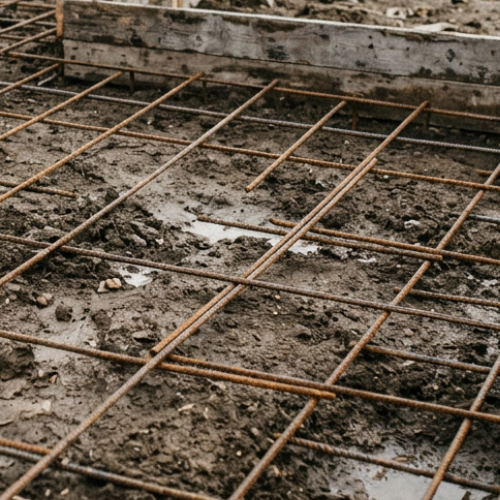 Rebar spaced too far apart, or too few bars.
 |
Correct spacing and support, and verify against the engineered plan before the pour. |
| Damaged or Mislocated Plumbing | Moderate to Severe | 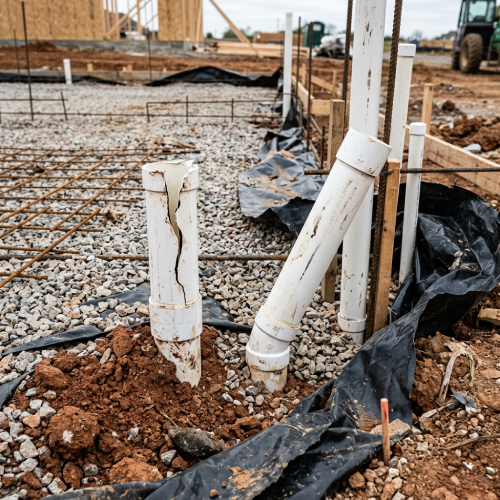 Supply or drain lines mislocated, unsupported, or damaged.
 |
Reroute or repair and confirm every location before concrete. |
| Torn or Missing Vapor Barrier | Moderate | 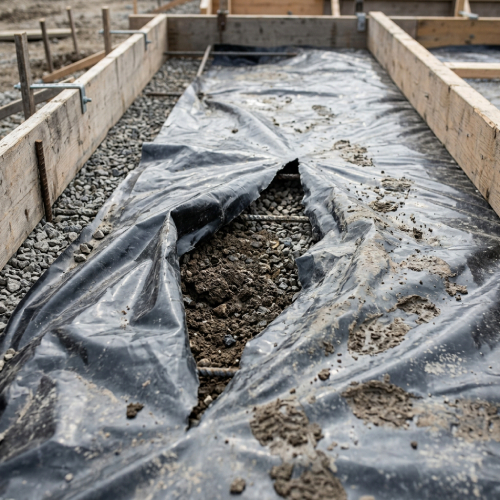 Gaps, tears, or missing sections that let ground moisture wick up into the slab.
 |
Patch or replace the barrier before the pour. |
| Misplaced Post-Tension Cables | Severe | 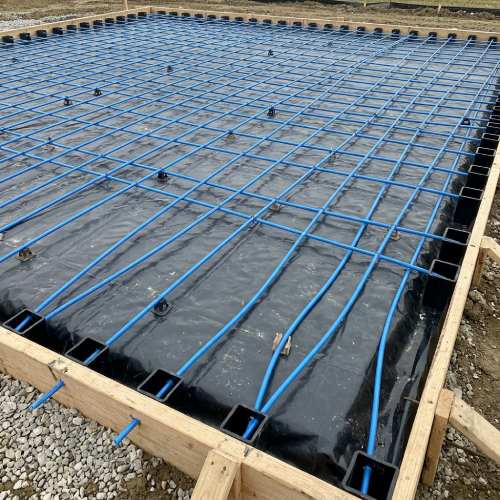 Cables positioned or spaced incorrectly, which weakens a post-tensioned slab.
 |
Reposition to the engineered layout before tensioning. |
| Out-of-Square Forms or Poor Grade | Minor to Moderate | 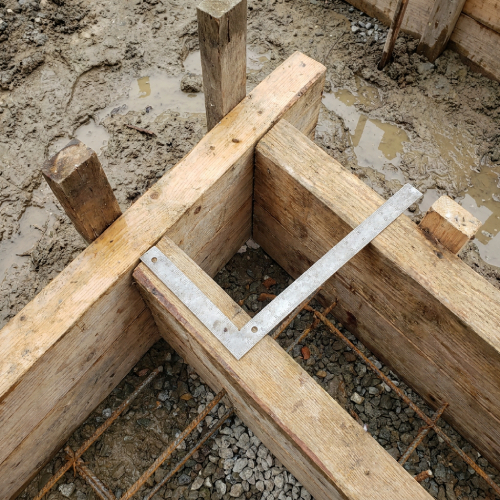 Forms out of square, level, or grade that will not drain away from the home.
 |
Reset forms and correct the grade before the pour. |
Pre-Drywall Inspection
We inspect after the crews finish the framing, electrical, plumbing, and HVAC rough-ins but before they install insulation and drywall. This phase often delivers the most value because the bones of the home are in plain view. According to InterNACHI’s pre-drywall standards of practice, this rough-in stage is your window to catch material defects before drywall covers them. We review:
| Pre-Drywall: What We Review |
| Wall framing and sheathing |
| Roof framing and trusses |
| Plumbing supply, drain, and vent installation |
| Electrical rough-in |
| HVAC ductwork and equipment |
| Window and door installation and flashing |
| Moisture management details and safety items |
These are the issues we see most often once the home is framed and roughed in:
| Common Findings | Severity | Description | Recommended Action |
| Framing & Connector Defects | Moderate to Severe | 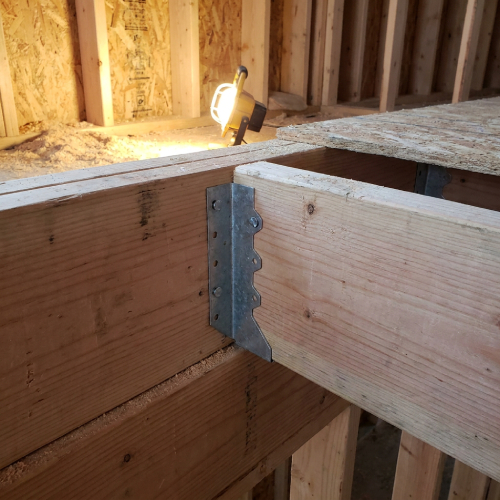 Cut or over-notched studs, missing connectors, joist hangers with too few nails, poorly supported beams.
 |
Builder corrects to plan and manufacturer specs before insulation. |
| Unprotected or Damaged Plumbing | Moderate | 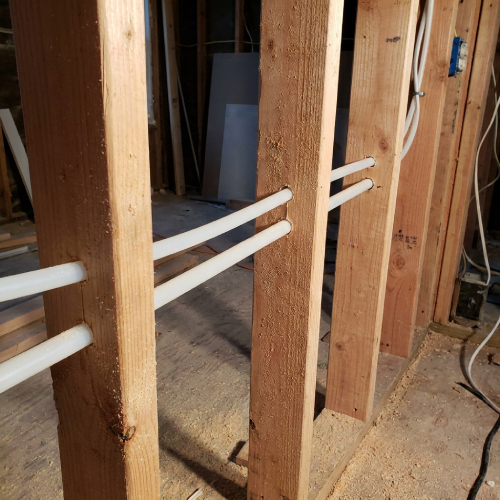 Damaged drain lines, improper venting, missing nail plates, inadequate pipe support.
 |
Repair and add nail plates before drywall covers the lines. |
| Unprotected or Damaged Wiring | Moderate to Severe | 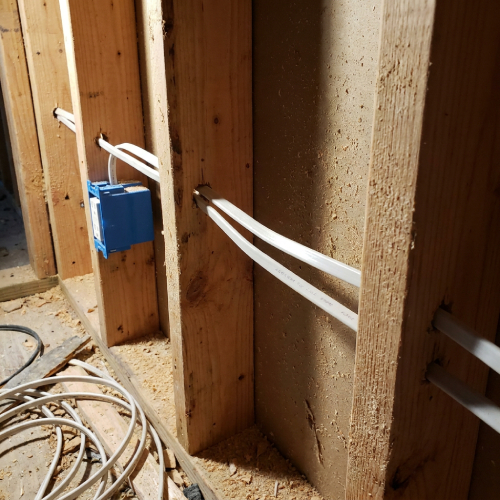 Missing nail plates, damaged wiring, improper cable routing, missing bonding.
 |
Correct and protect cables before they get covered. |
| Crushed or Disconnected Ducts | Moderate | 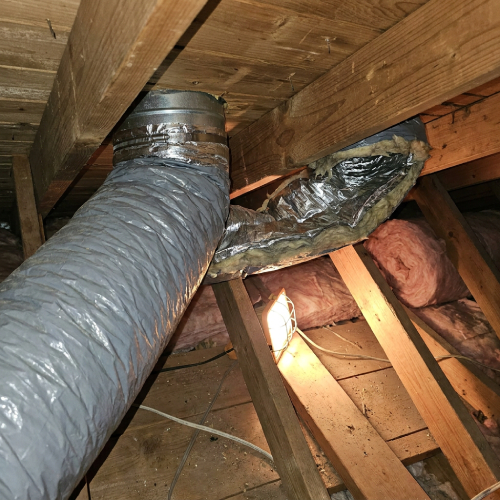 Crushed or disconnected ducts, poor support, weak return-air design.
 |
Reconnect, support, and correct the duct runs. |
| Poor Window Install or Flashing | Moderate | 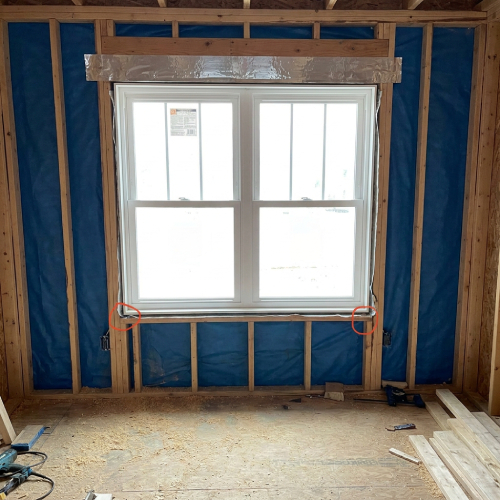 Improper installation or missing flashing that invites future leaks.
 |
Reinstall and flash per manufacturer instructions. |
Final Inspection
We inspect again once construction wraps up. This looks much like a standard home or commercial inspection, covering roofing, exterior, electrical, plumbing, HVAC, interior finishes, appliances, safety items, and general operation. It gives you a documented punch list to address before you close and before the builder’s warranty clock starts.
| Final Inspection: What We Review |
| Roof, flashing, and exterior finishes |
| Grading, drainage, and downspouts |
| Windows, doors, and weather seals |
| Electrical service, outlets, and fixtures |
| Plumbing fixtures, supply, and drain lines |
| HVAC operation and airflow |
| Interior finishes, insulation, and safety items |
Even a finished home can hide items worth addressing before you sign. Here is what we commonly find:
| Common Findings | Severity | Description | Recommended Action |
| Missing Caulk & Sealant | Minor | 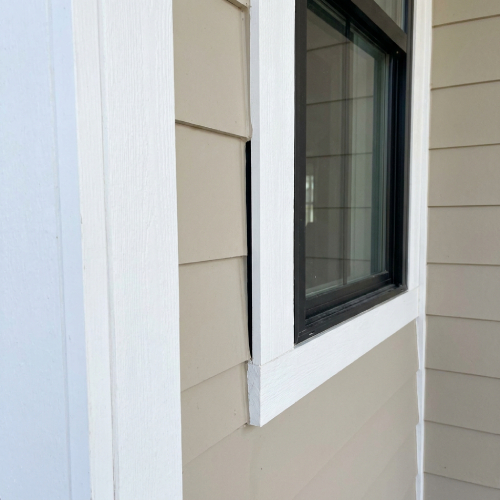 Gaps at trim, siding, windows, and wet areas that let air, water, and pests into the home.
 |
Builder seals before closing. A quick punch-list fix. |
| Roof & Flashing Defects | Moderate | 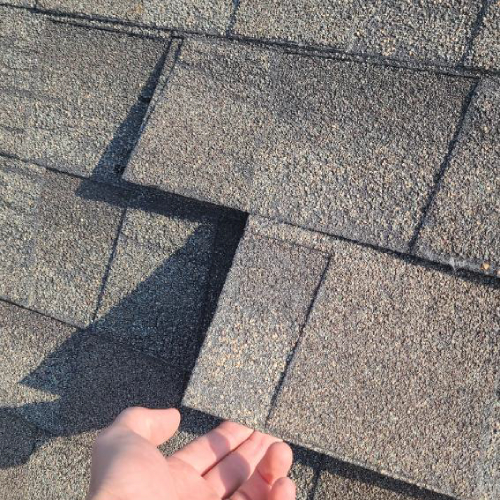 Loose shingles, exposed fasteners, or gaps in the flashing at valleys, vents, and the chimney.
 |
Builder repairs before closing to head off future leaks. |
| Grading & Drainage | Moderate | 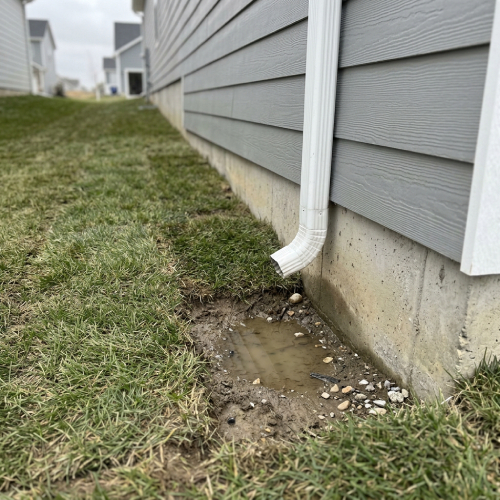 Soil that slopes toward the home or incomplete grading that sends water at the foundation.
 |
Re-grade to slope away from the home and confirm downspout extensions. |
| HVAC & Plumbing | Moderate to Severe | 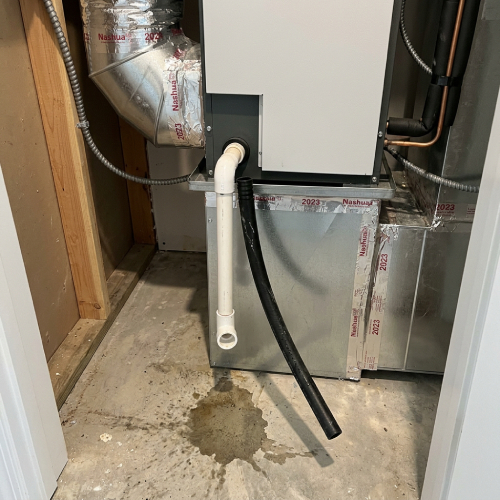 Weak airflow, uneven temperatures, or leaks at fixtures, supply lines, and connections.
 |
Builder corrects the issue and retests the affected system. |
| Damaged or Inoperative Components | Minor to Moderate | 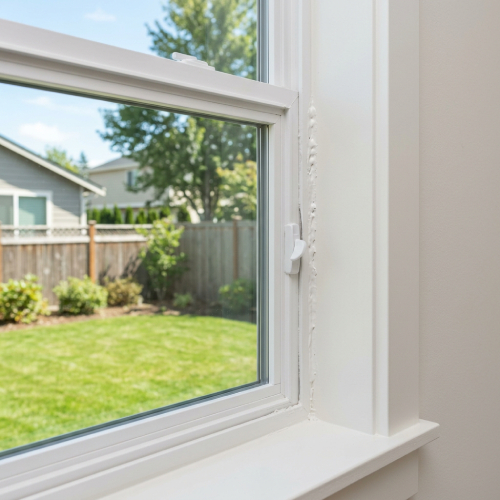 Scratched finishes, doors and windows that stick, or fixtures that do not operate.
 |
Document each item for the builder to repair or replace. |
| Missing Insulation | Moderate | 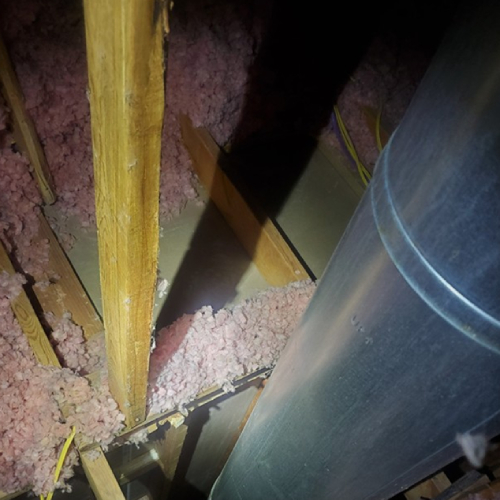 Thin or missing coverage in attics and walls that raises energy bills and hurts comfort.
 |
Builder adds insulation to spec before closing. |
Most builders appreciate receiving a clear, documented punch list before closing so they can handle everything efficiently in one pass.
11-Month Builder-Warranty Inspection
We inspect when the home is roughly eleven months old, just before the typical one-year builder warranty expires. The inspector evaluates the home the same way as the final inspection, but now after the new build has weathered Oklahoma’s seasons and a year of daily use. Settling, seasonal movement, and everyday wear can reveal additional problems. Our Builder-Warranty Inspection protects you and gives you one last opportunity to make the builder fix covered defects at no cost to you.
| 11-Month Builder-Warranty Inspection: What We Review |
| Foundation, slab, and settling cracks |
| Drywall, trim, and interior finishes |
| Grading and drainage after a year of settling |
| Roof, flashing, and exterior seals |
| Electrical, plumbing, and HVAC operation |
| Doors, windows, and hardware |
| Any warranty items from earlier phases |
After a year of settling and everyday use, these are the items we look for before the warranty ends:
| Common Findings | Severity | Description | Recommended Action |
| Settling & Foundation Cracks | Moderate | 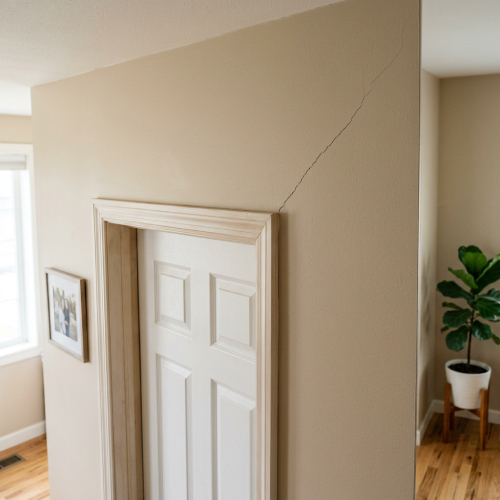 Cracks in drywall, brick, or the slab that appear after a year of soil movement.
 |
Document and submit to the builder before the warranty ends. |
| Drywall & Trim Separation | Minor to Moderate | 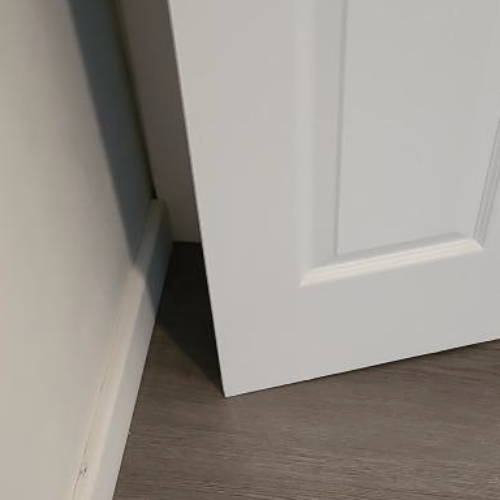 Nail pops, seam cracks, and gaps at trim from seasonal movement.
 |
Builder repairs under the warranty. |
| Grading & Drainage Shifts | Moderate | 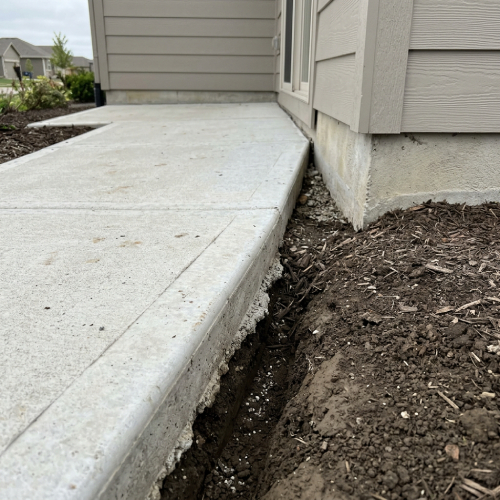 Soil that has settled and now directs water back toward the foundation.
 |
Re-grade and extend downspouts before water causes damage. |
| System Failures & Leaks | Moderate | 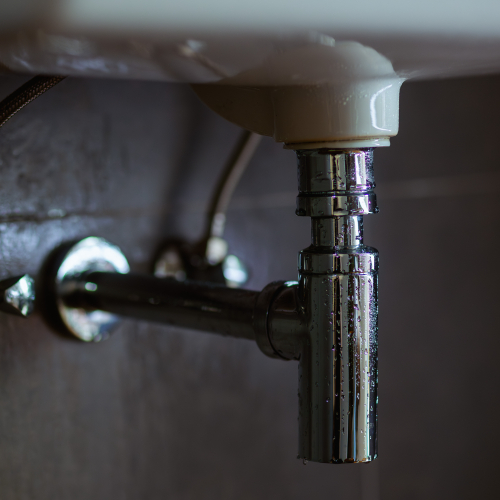 Performance problems, leaks, or fixtures that have failed during the first year.
 |
Builder repairs covered items before the deadline. |
| Exterior & Roof Wear | Minor to Moderate | 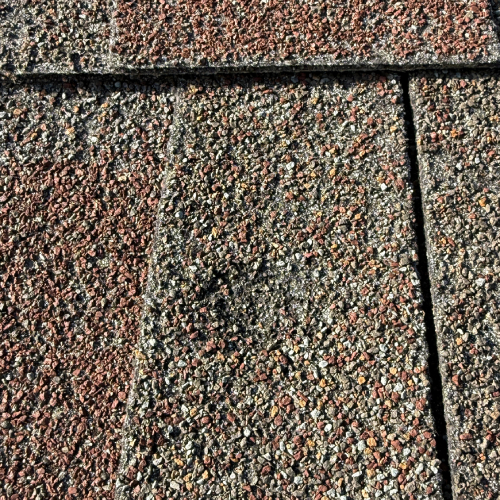 Caulk failure, flashing gaps, or seal failures revealed by a full season of weather.
 |
Builder addresses before the one-year mark. |
Not sure what to look for at each phase?
Download our Phase-Inspection Buyer Checklist and bring it to every site visit and walkthrough.
Why Brand-New Builds Still Have Defects
You would expect a brand-new home to be flawless. Very few are, and it has little to do with your builder. A single house passes through a dozen specialized crews on a tight timeline, from the excavators and concrete crew to the framers, roofers, electricians, plumbers, HVAC techs, insulators, drywallers, and finish carpenters, and each trade builds on the work of the one before it. Human error, scheduling pressure, material shortages, and simple miscommunication all set the stage for a missed connector or a crushed duct. None of that makes your builder a bad one. It just means a second, independent review at the right moment is cheap insurance.
The Value of Catching Problems Early
The earlier you catch a defect, the cheaper it is to fix, and some you can only catch early. Each phase has its own short window: what is open and visible at the pour, at rough-in, or at the final walkthrough gets covered or settled soon after. For example, a missing connector caught at pre-drywall phase inspection, while the framing is open, takes the builder minutes to add. Once drywall and paint hide it, no later inspection can catch it, and the fix, if it fails, means tearing out drywall, repainting, and paying for the labor.
Phase inspections pay for themselves. You catch mistakes while they are still cheap to fix and still the builder’s responsibility, and you get an expert second set of eyes and real peace of mind.
City Inspections vs. a Private Phase Inspection
One of the most common questions we get from new-build buyers is whether the city inspections make a private inspection unnecessary. They are not the same. City inspections matter, but they are built to check minimum code, not to protect your interests.
| City Building Inspection | Private Phase Inspection (AHI) |
| Verifies minimum code compliance |
Reviews workmanship and installation quality |
| Works on behalf of the jurisdiction |
Works on behalf of you, the buyer |
| Limited time per property |
Focused, documented review with photos |
| Cannot review every component |
Reports the material defects we observe for you |
The two work best together. The city inspector confirms the build meets minimum code on behalf of the jurisdiction, while your private inspector digs into workmanship and installation quality on behalf of you. Paired, they give you the most protection you can get on a new build.
Oklahoma Disclosures and Why a Phase Inspection Still Matters
When you buy an existing home, the seller generally must provide a disclosure under the Residential Property Condition Disclosure Act (RPCDA). That form tells you what the seller knows about defects in the home. However, new construction is different. The RPCDA specifically exempts newly constructed, previously unoccupied homes from that disclosure requirement. In other words, the buyer of a brand-new home often receives less documented protection up front than someone buying a thirty-year-old house. The builder’s warranty is valuable, but it covers only what you report, on the builder’s terms and timeline.
| Why New-Build Risk Still Exists, Even With a Builder Warranty |
| Oklahoma exempts new construction from seller disclosures |
| Crews seal defects behind concrete, framing, and drywall |
| Warranties cover only what you report, on the builder’s timeline |
| The buyer bears the repair risk once the warranty expires |
| An independent record gives you leverage to ask for corrections |
A phase inspection is how you create your own record. It gives you independent, photo-documented evidence of conditions at each stage, so you can ask for corrections with confidence instead of hoping every crew got it right where you could not look.
Free Phase-Inspection Buyer Checklist (Tulsa, OK)

What to watch for, photograph, and ask about at every stage of your build. Download our Phase-Inspection Buyer Checklist to help you:
- Know what to look for at pre-pour, pre-drywall, final, and the 11-month mark
- Document conditions with the right photos at the right time
- Ask your builder the right questions before crews cover each stage
- Protect your position before closing and before the warranty expires
Who Benefits Most From Phase Inspections?
- First-Time and Move-Up Buyers
Building a home is one of the largest investments most people ever make. Phase inspections help you understand the quality of construction and surface concerns before you close. - Relocation and Out-of-State Buyers
If you cannot visit the site regularly, phase inspections give you independent, documented eyes on progress and conditions at each milestone. - Investors
Catching issues before completion helps reduce future maintenance costs, warranty disputes, and surprises that eat into returns. - Realtors
Agents who recommend phase inspections protect their clients and keep deals from unraveling late, leaving time for corrections while the builder is still responsible. - Custom-Home and Commercial Buyers
Even high-end custom homes and new commercial builds have defects. Phase inspections verify that the workmanship matches what you are paying for, and on a commercial scale the savings can be even larger.
FAQs: New-Construction Phase Inspections in Tulsa, OK
Schedule Your New-Construction Phase Inspection (AHI)
Building a new home is one of the biggest investments you will ever make, and the costliest defects are the ones crews seal out of sight. After more than 6,000 inspections across the Tulsa metro, our InterNACHI-certified inspectors know how homes go up here and what tends to go wrong, and we deliver clear, same-day reports so you can make informed decisions. Because we work for the buyer and not the builder, your assessment comes with no agenda. That is what we mean by The Assurance to Decide.
Not ready to schedule yet? Start with the checklist. If you are still in the research or showing phase, our Phase-Inspection Buyer Checklist gives you a clear, practical way to spot warning signs early, document issues properly, and understand the next steps before committing.
Learn more about our Builder-Warranty Inspection and General Home and Commercial Inspection services, request a free quote, or schedule your inspection online. You can also call or text us anytime at 918.853.5113.
The post Phase Inspections for New Construction in Tulsa, OK appeared first on Tulsa Home Inspections - Residential and Commercial Inspection Services in Tulsa, Oklahoma.
]]>The post Sewer Line Inspections in Oklahoma (Tulsa + Surrounding Areas): What Home Buyers Need to Know appeared first on Tulsa Home Inspections - Residential and Commercial Inspection Services in Tulsa, Oklahoma.
]]>
If there’s one inspection add on service we believe every Tulsa-area buyer should consider, it’s a sewer line inspection (also called a sewer scope or sewer camera inspection).
Why?
Because sewer lines are one of the most expensive “hidden systems” in a home — and unlike a roof leak or furnace issue, sewer problems usually stay invisible until they become urgent (and messy).
Here in Tulsa, Broken Arrow, Bixby, Jenks, Owasso, Glenpool, Sand Springs, Claremore, and BA/South Tulsa, many homes have conditions that increase sewer risk.
| Factors That Increase Sewer-Line Risk in Tulsa-Area Homes |
| Older clay tile or cast-iron sewer pipes |
| Shifting soils and settlement |
| Mature trees and root intrusion |
| Unknown repair history |
| Flip/remodel work that doesn’t address the buried line |
In this guide, we’ll cover what a sewer scope inspection is, what it finds, when it’s worth it, and how to protect yourself as a buyer or homeowner.
If you’re ready to book, check out our service page.
Table of Contents
- Sewer Line Inspections in Tulsa: What Home Buyers Need to Know
- What Is a Sewer Line Inspection (Sewer Scope)?
- Sewer Scope vs. General Home Inspection
- Why Sewer Line Inspections Matter in Tulsa
- What a Sewer-Line Failure Can Really Cost You
- When Should You Get a Sewer Camera Inspection?
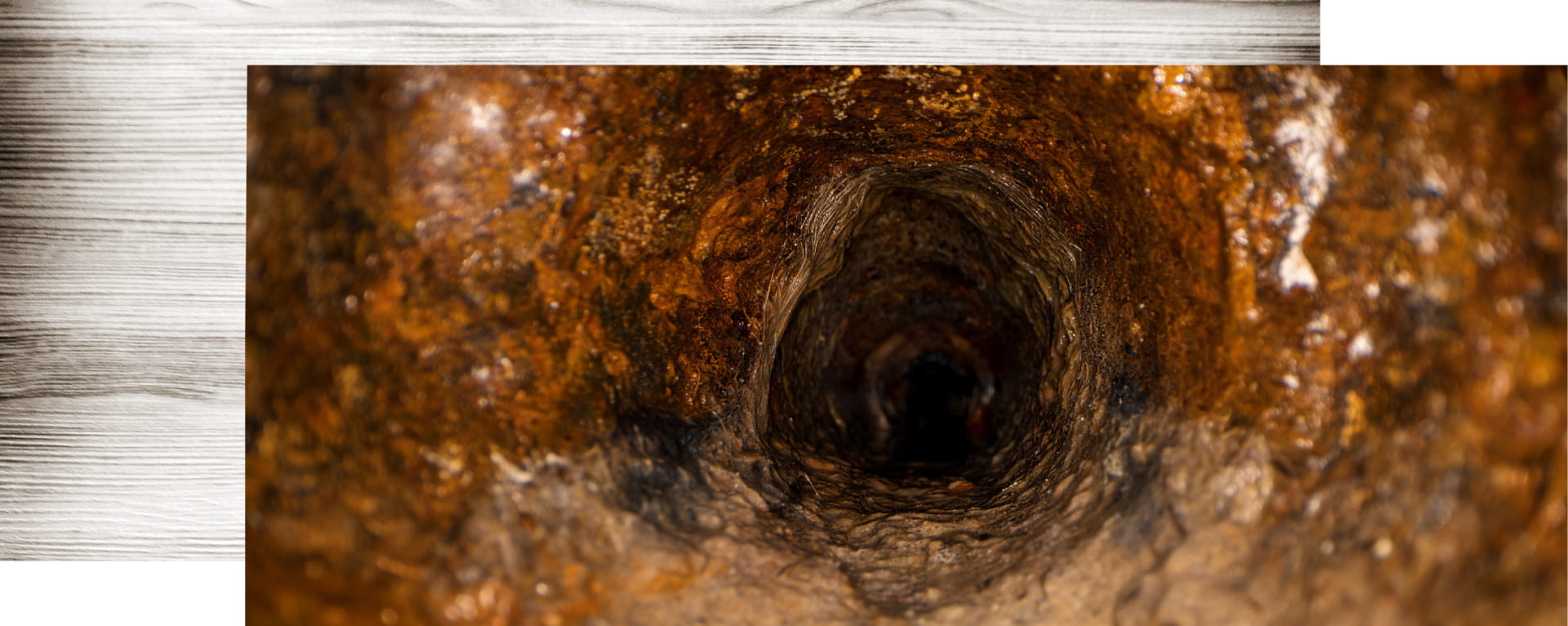
- What Problems Can a Sewer Scope Find?
- Common Sewer Line Defects Found During Camera Inspections
- What Does the Sewer Line Inspection Process Look Like?
- Watch a Real Sewer Camera Inspection in Action
- Is a Sewer Scope Worth It?
- What a Sewer Scope Inspection Helps You Avoid
- Tulsa-Specific Sewer Red Flags Buyers Should Know
- Free Sewer Scope Inspection Buyer Checklist (Tulsa, OK)
- Oklahoma Disclosures and Why a Sewer Scope Still Matters
- FAQs: Sewer Line Inspections in Tulsa, OK
- Book a Sewer Line Inspection in Tulsa (AHI)
What Is a Sewer Line Inspection (Sewer Scope)?
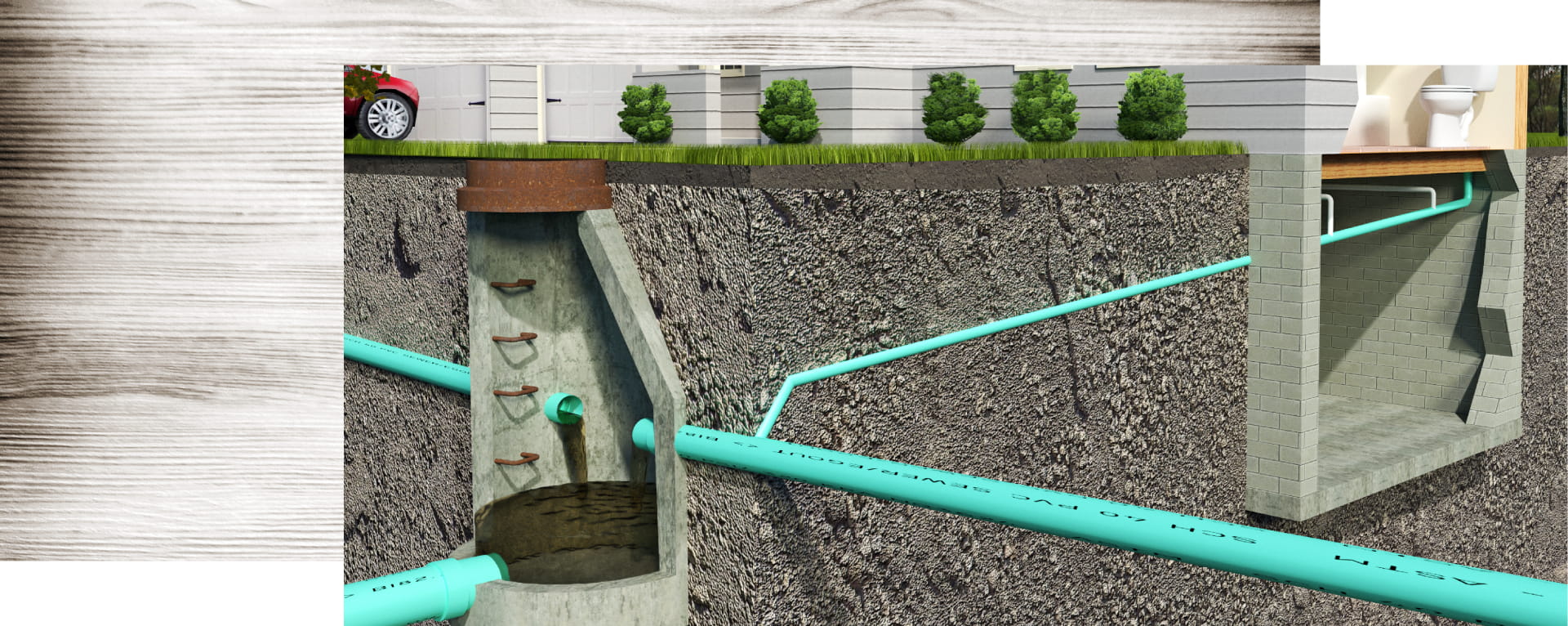
The homeowner is responsible for the sewer line between the home and the connection to the city sewer or their private system. A sewer line inspection uses a specialized waterproof camera to visually evaluate the condition of the home’s main drain — the underground drain line that carries waste from the home to:
- the municipal sewer main, or
- an on-site system (septic)
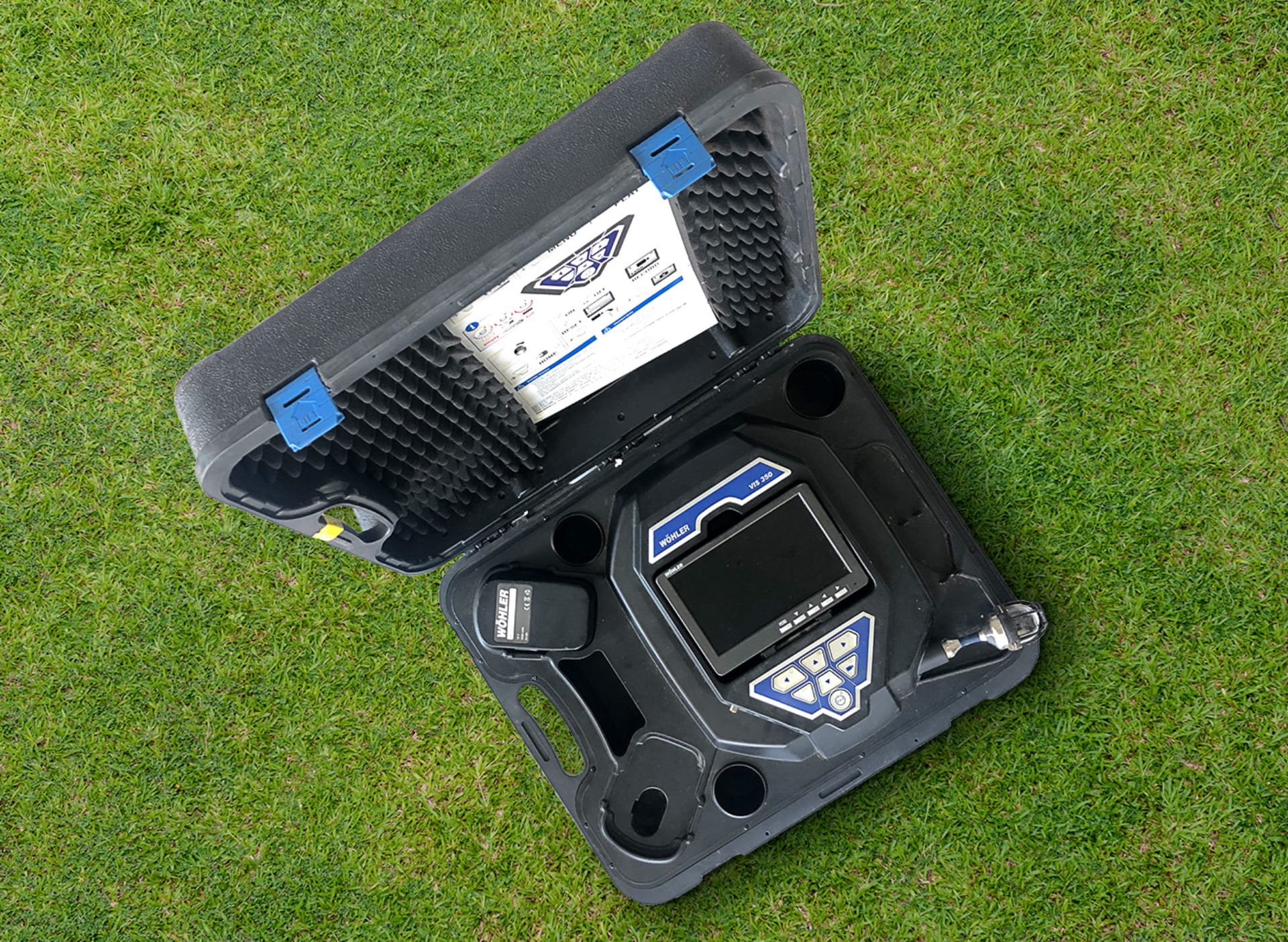
This is important because a sewer scope is one of the only ways to visually evaluate buried sewer piping without excavation. In a real estate transaction, sellers are required to disclose known sewer issues. However, problems are sometimes not disclosed because a temporary drain cleaning or snaking may have restored short-term flow without addressing the underlying defect. In other cases, sellers may be unaware of recurring or developing issues—or may not realize that prior maintenance does not constitute a permanent repair. A sewer camera inspection provides objective documentation of the line’s actual condition at the time of purchase.
Sewer Scope vs. General Home Inspection.
In Oklahoma, a standard home inspection is intended to be a visual inspection of readily accessible systems and is governed by state standards of practice. Sewer scoping is considered an additional service beyond basic inspection scope.
So, while a general inspection may identify symptoms, a sewer camera inspection confirms the cause. During a home inspection, the inspector will run water but this may not cause the system to malfunction. Inspectors are not able to fully test the system over time with debris and multiple users.
Why Sewer Line Inspections Matter in Tulsa.
Sewer repairs are rarely “cheap.” If a sewer fails, it can really cost you.
| What a Sewer-Line Failure Can Really Cost You |
| Excavation of the yard/driveway |
| Replacing collapsed sections |
| Trenchless lining (where applicable) |
| Tree root removal and repair |
| Plumbing access and cleanout work |
In many cases, homeowner insurance does not cover normal wear-and-tear failures. That’s why some homeowners opt into secondary insurances which cover the line. A good example of this is the City of Tulsa’s voluntary service line warranty program for sewer/water lines. Many home warranties also offer coverage as an add on service option.
Most of these warranties/insurances have a waiting period: So bottom line, if you buy a house with a bad sewer line, it may become your problem immediately after closing. If you opt into having these coverages, you should also be aware that they have plan limits and some exclusions. It is important to review the coverage details carefully.
When Should You Get a Sewer Camera Inspection?
We recommend a sewer scope inspection in all Tulsa-area purchases. We have found issues with drains on new construction and recently replaced lines. While we recommend it as an add on for all home inspections, it’s especially important if any of these apply.
| Condition | Why It Matters |
 The home is older than ~30 years | Older Tulsa-area neighborhoods often have aging sewer materials such as clay tile, Orangeburg, or cast iron, which can deteriorate, shift, or corrode internally over time. |
 There are large trees near the home | Tree roots are drawn to moisture inside sewer lines and can grow into joints, gaps, or cracks, leading to recurring blockages or pipe damage. |
 You notice slow drains or gurgling | These symptoms can indicate partial blockages or venting issues. A sewer scope confirms whether the problem is occurring in the sewer lateral rather than inside the home. |
 The home has been vacant | Vacant homes are not regularly testing the sewer system. A new homeowner’s usage may stress the system differently, revealing problems that weren’t apparent while the home sat unused. |
 The home is a flip or remodel | Flips often focus on cosmetic upgrades, and the sewer line is frequently untested or undocumented. In many cases, the seller may have little to no history of the buried line’s condition. |
Not sure what to look for?
Download our Tulsa Sewer Scope Inspection Buyer Checklist and bring it with you to inspections and walkthroughs.
What Problems Can a Sewer Scope Find?
A sewer camera inspection can reveal issues like:
| Common Sewer Line Defects Found During Camera Inspections | ||
| Severity | Common Defects | Recommended Action |
| Minor | Blockages and Heavy Buildup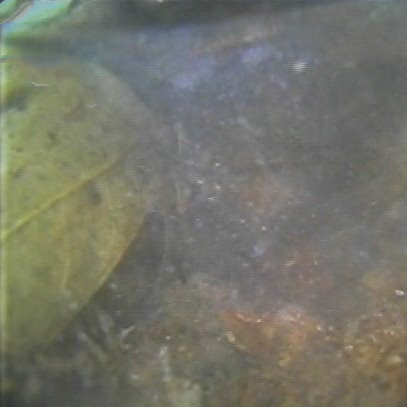 Grease, wipes, debris, or foreign objects (including construction debris or household items) restricting flow. | Professional cleaning recommended. Continued monitoring advised to prevent recurrence or escalation. |
| Moderate | Root Intrusion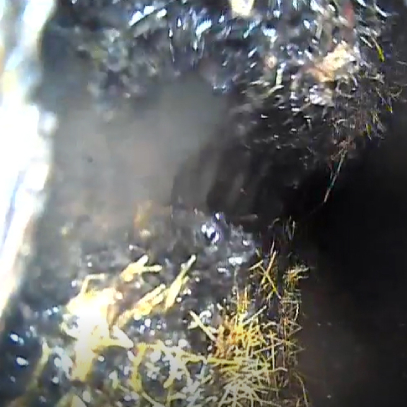 Roots enter through joints or cracks, creating recurring clogs and restrictions. This is one of the most common sewer defects we see in the Tulsa area. | Clean roots and monitor. Further evaluation by a licensed plumber may be recommended depending on severity and frequency. |
| Moderate | Offset Joints or Separations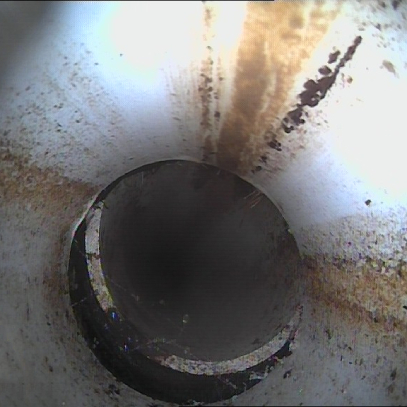 Pipe sections that have shifted due to soil movement. Tulsa’s expansive soils commonly contribute to this condition. | Plumbing evaluation recommended. Repairs may be needed depending on offset severity and flow restriction. |
| Moderate | Improper Repairs or Transitions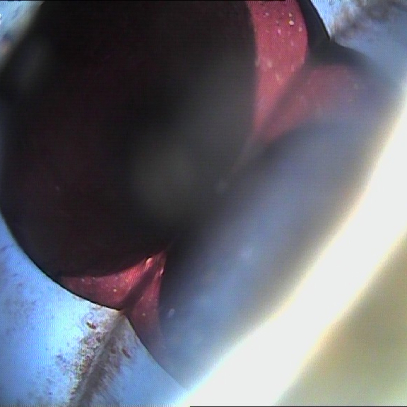 Including improper couplings, poor alignment, incorrect materials, or improper connections. | Further evaluation by a qualified plumber. Corrections may be recommended to reduce failure risk. |
| Moderate to Severe | Bellies / Sagging Pipe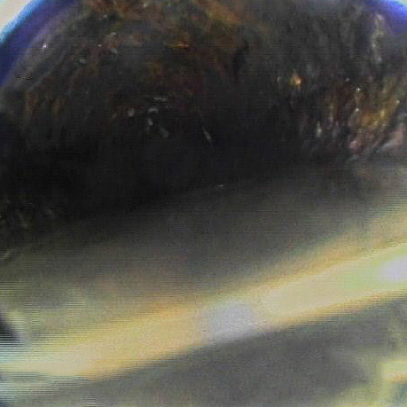 A low section of pipe where water and waste collect instead of flowing properly, allowing debris to accumulate over time. | Further evaluation by a plumber. Repair or correction is often recommended if buildup or backups are present. |
| Severe | Cracked, Broken, Damaged, or Collapsed Pipe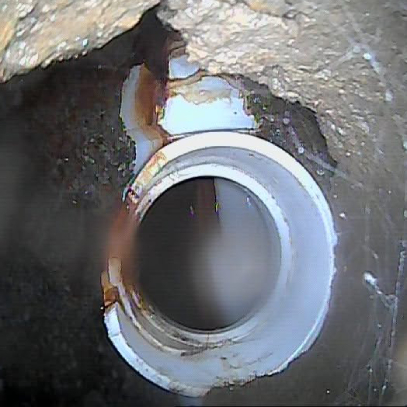 Structural failure of the sewer line that prevents proper operation. | Repair or replacement by a licensed plumbing contractor is typically required. |
What Does the Sewer Line Inspection Process Look Like?
At Assured Home Inspectors, a sewer scope typically involves:
Locating an access point (cleanout preferred but we can also sometimes inspect from a roof vent).
Running a camera through the sewer main drain and recording the video.
Identifying defects, restrictions, and pipe material.
Documenting observed issues.
Advising what type of specialist is needed (plumber, drain specialist, excavation contractor).
Watch a Real Sewer Camera Inspection in Action.
Seeing it is helpful—knowing what it means is better.
Download our Sewer Scope Inspection Buyer Checklist to understand what inspectors look for and how to respond if issues are found.
Is a Sewer Scope Worth It?
Yes — especially during a purchase. A sewer scope inspection is one of the highest ROI inspections because it can prevent many things.
| What a Sewer Scope Inspection Helps You Avoid |
| Surprise emergencies after move-in |
| Major sewer excavation costs |
| Resale headaches |
| Insurance denials (wear/tear) |
| Ugly disclosure issues later |
The cost of the inspection vs the cost of potential repairs is why we recommend this be added on with every home inspection.
Even if the line is perfect, you gain:
- Documentation
- Peace of mind
- Knowledge to make an informed decision
Tulsa-Specific Sewer Red Flags Buyers Should Know.
Here are sewer-related warnings we commonly see in Tulsa-area transactions:
| Warning Sign | Why It Matters |
 No visible exterior cleanout | Lack of an accessible cleanout can limit inspection options and may increase the cost and complexity of future sewer service or repairs. |
 Large trees between the house and city sewer | Tree roots are commonly drawn to sewer lines and can enter through joints or cracks, leading to recurring blockages or pipe damage. |
 Interior plumbing backups in tubs or showers | Backups in lower fixtures often indicate restrictions or failures in the main sewer line rather than isolated interior plumbing issues. |
 Stains around toilets or baseboards | Staining may indicate past backups, leaks, or moisture intrusion related to sewer or drain issues. |
 Yard depressions or soggy patches | Sunken areas or consistently wet soil can signal a leaking or damaged sewer line underground. |
 Odors near bathrooms or in the yard | Sewer odors may indicate venting issues, blockages, or breaks in the sewer line allowing gases to escape. |
Free Sewer Scope Inspection Buyer Checklist (Tulsa, OK)

What to check, photograph, and negotiate before you close. Download our Sewer Scope Inspection Buyer Checklist to help you:
- Spot red flags during showings
- Know what to photograph and document
- Ask the right questions before closing
- Protect your negotiating position if defects are found
Oklahoma Disclosures and Why a Sewer Scope Still Matters.
Oklahoma uses the Residential Property Condition Disclosure Act (RPCDA) framework and related disclosure forms for many residential transactions. Even with disclosures, sewer risk remains.
| Why Sewer Line Risk Still Exists—Even With Seller Disclosures |
| Sellers may not know line condition |
| Issues may be intermittent |
| Repairs may be incomplete |
| Buyer still bears major risk after closing |
| Typically at close you are agreeing to buy the home in as-is/where-is condition |
A sewer scope is how buyers protect themselves with hard evidence. If there is a defect, the current homeowner does not have to fix the issue, but if they don’t, you don’t have to buy the home. They are responsible for disclosing the issue(s) to any other buyers in the future.
FAQs Sewer Line Inspections in Tulsa, OK
Cost depends on access, length, and property configuration. The best approach is to book it as an add-on during your home inspection window. AHI charges $225 for adding on a sewer-line camera inspection.
A general home inspection may identify symptoms like slow drains or gurgling, but it cannot confirm the condition of the buried sewer line. A sewer camera inspection is needed to identify issues such as root intrusion, bellies, separations, or pipe damage.
In most cases, the homeowner is responsible for the sewer line from the home to the connection at the city sewer main. This typically includes the pipe beneath the home and the portion running through the yard up to the municipal connection.
Root intrusion occurs when tree roots enter a sewer pipe—most often through joints or small cracks. As the roots grow, they restrict flow and can lead to recurring clogs, backups, or pipe damage.
Yes. New builds can still have construction debris in the line, improper slope (bellies), and improper connections. A sewer scope documents the line condition early while warranties are still in play.
Book a Sewer Line Inspection in Tulsa (AHI).
A sewer line problem can turn into a nightmare fast — and it’s one of the easiest issues to miss without the right tools. If you want a clear, professional sewer camera inspection in Tulsa and surrounding areas, Assured Home Inspectors is ready to help.
Not Ready to Schedule Yet? Start With the Checklist. If you’re still in the research or showing phase, our Sewer Scope Inspection Buyer Checklist gives you a clear, practical way to:
- Identify warning signs early
- Document issues properly
- Understand next steps before committing
Learn more about our sewer inspections, or call/text us anytime at 918.853.5113.
Assured Home Inspectors serves Tulsa, Broken Arrow, Bixby, Jenks, Owasso, Glenpool, Sand Springs, Claremore and nearby communities.
The post Sewer Line Inspections in Oklahoma (Tulsa + Surrounding Areas): What Home Buyers Need to Know appeared first on Tulsa Home Inspections - Residential and Commercial Inspection Services in Tulsa, Oklahoma.
]]>The post Top 5 Tulsa Home Inspection Issues—and How to Fix Them appeared first on Tulsa Home Inspections - Residential and Commercial Inspection Services in Tulsa, Oklahoma.
]]>
Buying or selling a home in Tulsa? Don’t skip the inspection.
Whether you’re under contract or preparing to list, understanding what might be lurking beneath the surface of a home is essential. In the Tulsa area—including Broken Arrow, Jenks, Bixby, and beyond—there are a few issues we see again and again: structural issues, roof damage, outdated electrical, and termite infestations.
The good news? With a thorough inspection from a trusted local company, these problems can be identified early—before they become deal-breakers or costly surprises. Here’s what you need to know.
What We’ll Cover
Structural Issues
Oklahoma soil is known for its movement—and that means foundation cracks are a common concern across Tulsa homes.
During inspections, we often find signs like:

Evidence of movement in exterior.

Doors that won’t close properly.

Uneven floors or cracked slab.

Fix it: Depending on severity, repairs may include crack injections with epoxy, installing piers, or improving drainage to stabilize shifting soil. Regular maintenance like controlling moisture levels around your home’s perimeter can also prevent future issues.

Pro Tip: Schedule a structural inspection if you’re buying an older home or noticing signs of settling.
Roof Damage
Tulsa’s weather can be tough on roofs. Severe storms and hail can cause hidden damage that leads to major repairs later.
Common signs we find:

Granule loss or impacts on shingles.

Dented metal flashing or gutters.

Wind damage including loose, slid, and missing shingles.
Fix it: Address minor roof and gutter issues before they become major problems. Replace damaged shingles early to prevent leaks, and repair or replace dented gutters to maintain proper water drainage. If you suspect an issue may qualify for insurance coverage, contact your adjuster promptly for an inspection.
Pro Tip: We offer standalone roof inspections—perfect if you’re unsure about potential damage. Whether your home has recently weathered a storm or you’re preparing to buy or sell, a comprehensive roof inspection helps ensure any issues are identified early and addressed with confidence.
Outdated Electrical
Older homes often have electrical systems that don’t meet current safety standards, weren’t built for today’s power demands, or contain outdated components. If your Tulsa home has an old electrical panel, knob-and-tube wiring, or aluminum wiring, it may be time to consider an upgrade for safety and efficiency.
Watch for:

Knob and tube wiring.

Ungrounded outlets.

Panels with known issues such as Zinsco or Federal Pacific.
Fix it: Hire a licensed electrician to replace hazardous wiring and install modern GFCI outlets in kitchens, bathrooms, and garages. This not only reduces fire risk and improves safety—it can also boost your home’s value.
Pro Tip: Make sure your inspector checks wiring systems thoroughly—including panel capacity, grounding, and signs of overheating.
Termite Infestation
Eastern Oklahoma is a hotspot for subterranean termites. Left undetected, they can cause thousands in structural damage.
Warning signs:

Mud tubes or exit holes.

Wood to ground contact.

Termite swarmers.
Fix it: A professional WDO (Wood Destroying Organism) inspection is the best defense. If activity is found, we’ll guide you on next steps—whether that’s perimeter treatment, bait stations, or annual follow-ups.
Pro Tip: Many lenders require a termite and wood destroying insect inspection before closing. We provide certified WDO reports that meet lender requirements. Also, check out our Six Tips to Preventing Termites From Invading Your Home to prevent damage in the first place.
Choosing the Right Home Inspector
Not all inspections are created equal. When it comes to protecting your investment, experience matters.
Look for a certified inspector with:
- Professional training and membership in organizations like InterNACHI
- In-depth local knowledge of Tulsa’s soil, weather patterns, and building codes
- Clear, detailed reports and open, timely communication
- A strong track record, commitment to ongoing education, and years of industry experience
- Certification as a Certified Master Inspector (many of our team members hold this designation)
Final Thoughts
From hairline cracks in your foundation to termite tubes, the most common home inspection issues in Tulsa don’t have to derail your real estate goals.
With the right inspection—and the right team on your side—you can uncover hidden issues, prioritize repairs, and move forward with peace of mind.
At Assured Home Inspectors, we bring industry-leading tools (like thermal imaging and sewer scopes and more)—and explain findings in plain English.
Ready to move forward with confidence? Get a free quote or schedule your inspection.
The post Top 5 Tulsa Home Inspection Issues—and How to Fix Them appeared first on Tulsa Home Inspections - Residential and Commercial Inspection Services in Tulsa, Oklahoma.
]]>The post How to Create a Repair Request List After Your Home or Property Inspection appeared first on Tulsa Home Inspections - Residential and Commercial Inspection Services in Tulsa, Oklahoma.
]]>
About 86% of buyers request repairs or credits after inspections, but navigating these post-inspection repairs doesn’t have to be overwhelming. At Assured Home Inspectors, we make it easy with our user-friendly Repair Request List feature. This guide walks you through how to use our platform to efficiently document and communicate repair needs—making the property-buying process more organized, faster, and less stressful.
We’ve also included a step-by-step video tutorial to guide you visually through the process.
Contents Overview
Why Create a Repair Request List?
A Repair Request List helps ensure that the issues uncovered during your inspection are clearly communicated to the seller and contractors. It also helps:
- Prioritize repairs
- Facilitate smooth negotiations
- Prevent misunderstandings
- Keep all stakeholders aligned
Watch Our Tutorial Video
Step 1: Log In to Your Account
Start by accessing the Assured Home Inspectors portal:
- Go to our website and click “View Your Report.”

- Use the credentials from your booking confirmation email to log in.

- Select the relevant inspection report and click on “Inspection Details.”

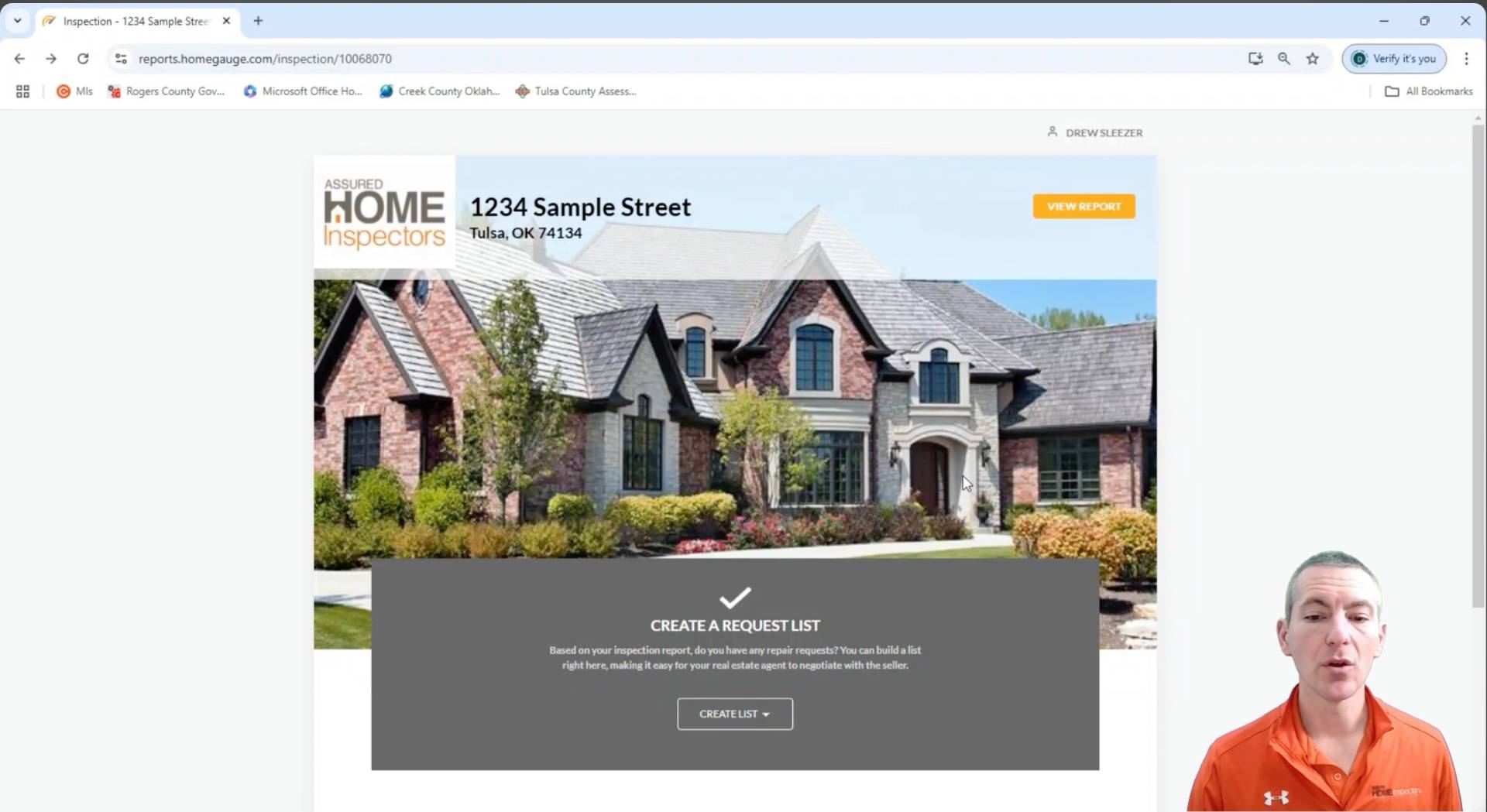
Tip: Can’t find your email? Check your spam or junk folder. Still stuck? Call or text us at 918-853-5113, or email [email protected]. We’re here to help.
Step 2: Create Your Repair Request List
Once you’ve selected your property:
- Click the “Create List” button at the bottom. Then click “Your Inspection Report” in the dropdown.


- After selecting the report, choose between:
- Summary Only (Recommended): Focuses on major issues and makes it easier to prioritize what needs attention.
- All Items: Includes everything from the report.

- Click “Okay” to proceed. You will see the total number of items to review displayed next to “Total.”

Step 3: Select Items to Include and Decide on Request Actions
Now, review the items flagged in the inspection and decide which ones to include in the request list.
For each item:
- Click “Add to List” if it needs action.

- Click “Accept as Is” if no action is necessary.

After you’ve added it to the list, you will have three options, “Repair,” “Replace,” or “Monetary Value.” Select your preferred resolution and add clarity in the comments section for each item. Including detailed notes reduces back-and-forth and speeds up negotiations.
- Repair – Request a fix and add comments for clarity (e.g., who should perform the repair like a qualified contractor or electrician, repair expectations, etc.)

- Replacement – Ask for a full replacement of the item and be specific about what should be replaced in the comments.

- Monetary Value – Propose a dollar amount for your financial compensation from the seller instead of a repair.

Once you’ve made your selection and entered your comments, click “Save Request” after each selection.
Each selection will be saved and compiled into a comprehensive list that outlines your specific needs and requests. These careful selections ensure that each issue is clearly documented and communicated, making the negotiation and repair process smoother for everyone.
Step 4: Finalize and Share Your List
Once all items are added:
- Click “Okay” to generate your list. When you’re ready, click “View Request List” to view your organized list of requests.


- Choose how to share your requests with all relevant parties:
- Email it by entering the recipient’s address by clicking “Send List,” and entering the recipient’s email address.
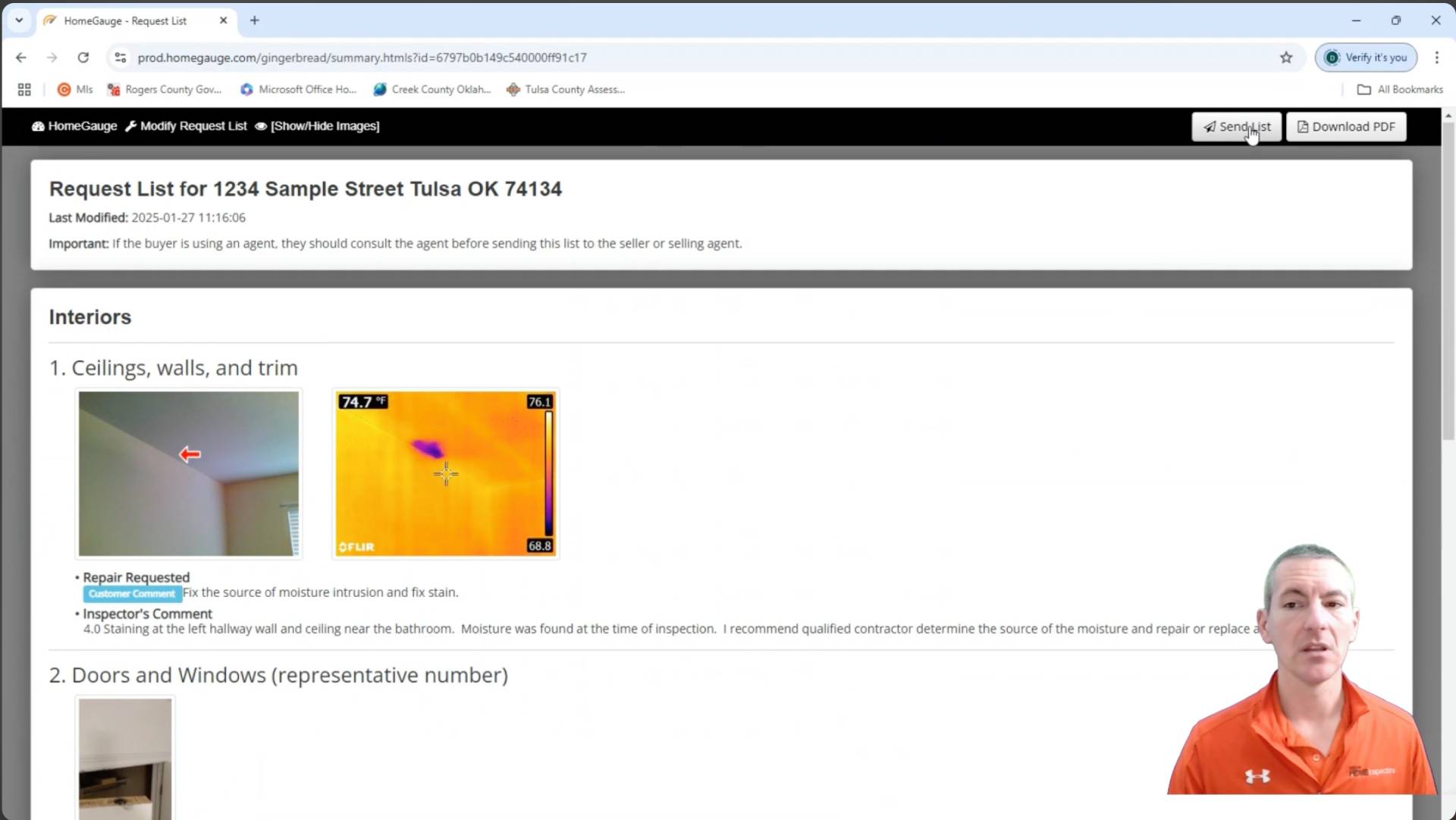
- Download a PDF for manual sharing or for your personal records.
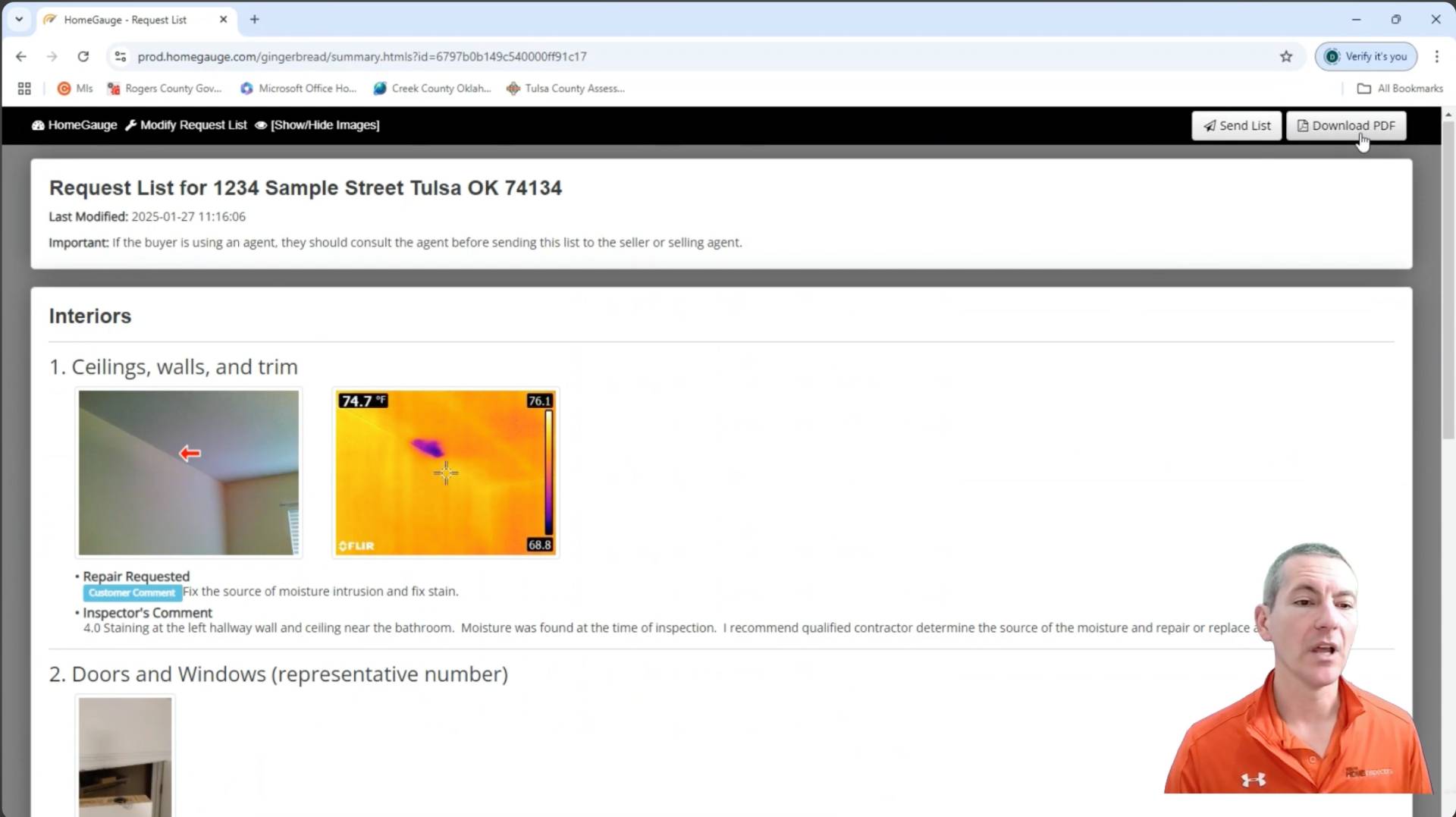
- Email it by entering the recipient’s address by clicking “Send List,” and entering the recipient’s email address.
Our Repair Request List feature streamlines the negotiation process and helps sellers and contractors stay aligned, ensuring efficient, hassle-free repairs. Contractors can quickly reference each item, view related photos, and read any specific comments or instructions you’ve added.
Need help? Call/text 918-853-5113 or email [email protected]. We’re here to make your property inspection and repair process as seamless as possible.
Frequently Asked Questions
Conclusion: Save Time by Creating a Request Repair List
Creating a Repair Request List is one of the smartest ways to streamline your post-inspection process. Studies show that homes with documented repair requests sell faster and at better prices.
Use this tool to take charge of your transaction, avoid delays, and keep everyone on the same page.
Ready to schedule your next inspection?
For any questions, call or text 918-853-5113, or email [email protected].
Create a Repair List Transcript
Hi, this is Drew Sleezer with Assured Home Inspectors. Here’s a quick video to show you how to create a Repair Request List easily using our software. Once you’ve logged in, you’re going to create the repair request list from the “Create List” button. If you’re having any trouble logging in let us know. We do have a separate video for that. You click your inspection report and that’s going to bring up a popup that allows you to select either “All Items” or “Summary Only.” We typically recommend just using the summary items. This is a modified report. We shortened it just for the example. Typically, you’ll have more than five items. Click the “Okay” button. That’s going to bring up the items that were identified on your report. So, this is a loose flashing, an easy fix. Somebody just needs to nail it back down. It’s not something you’re concerned about so you’ll just click the “Accept as Is” button and it will move you to the next item. This was a stain on the ceiling of the hallway and wall. They did find moisture at the time of inspection. It’s something you’re concerned about, so you’ll hit the “Add to List” button. That gives you the option to request a repair, a replacement, or monetary value. If you want this repaired, you’ll hit “Repair” and you can type in a comment in the comment box if you want to. For example, “Fix the source of moisture intrusion and fix the stain.” You’ll hit “Save Request” and it’ll go on to the next item. This is a broken door latch, nothing that you’re overly concerned about, but you do want to ask for a credit from the seller. So, you’ll hit “Add to List” and ask for monetary value. Type in the value you want, like $10 for the parts, and then you’ll just hit “Save Request” again. So, this item was some deterioration at a doorjamb due to some moisture. If you want that addressed, you’ll hit “Add to List.” If you want it replaced, you’ll type in “Replace doorjamb.” Again, you can type in a comment or not, up to you. So, this was overheating in the electrical panel, definitely a safety concern. You’re going to hit “Add to List,” and you’re going to ask for “Repair” or “Replacement” of that panel, whichever one you want. If you want it replaced, you’re going to click “Replace.” You’re going to say “Replace electrical,” and hit “Save Request.” So, you’ve completed all the items. You’re going to click the “Okay” button and that uh will allow you to view the Repair Request List. So, this gives you a quick easy-to-look-at version of what you’ve asked for. So, you can create a TRR based on this or use the TRR and reference this document. Your Realtor can definitely give you some suggestions on that. TRR stands for Treatments Repair Replacements and is the negotiation between the buyer and seller on what will be addressed. The Repair Request List allows any contractor to look at the uh items, see the pictures, and then actually look at the comments as well. At the bottom is a summary section of what you’ve asked to be repaired, what you’ve asked to be replaced, and a monetary value. You can send this list using this button “Send List.” Enter an email, or you can download it as a PDF, whichever one you like to send along to the seller. Of course, if you have any questions at any time or we can help in any way please give us a call 918-853-5113. Your Realer can also help you with this process as well and give you guidance on things you should be asking for and the negotiation process. Thanks so much. Have a great day.
The post How to Create a Repair Request List After Your Home or Property Inspection appeared first on Tulsa Home Inspections - Residential and Commercial Inspection Services in Tulsa, Oklahoma.
]]>The post Easy Steps to Share Your Property Inspection Reports appeared first on Tulsa Home Inspections - Residential and Commercial Inspection Services in Tulsa, Oklahoma.
]]>
Navigating your property inspection report shouldn’t be a hassle. At Assured Home Inspectors, we’re here to make the process simple and stress-free. Whether you’re reviewing a Residential Inspection, Commercial Inspection, Builder-Warranty Inspection, Pre-Sale Inspection, or Annual Maintenance Inspection, we provide clear, user-friendly reports designed to keep you informed.
In this step-by-step guide, we’ll walk you through how to access, save, and share your report effortlessly—whether via email for an interactive experience or as a PDF for offline access. With these easy steps, you can ensure everyone involved in the process stays in the loop, making your home-buying or property maintenance journey smoother and more manageable.
At A Glance
- Step 1: Access Your Report: Use your login details to view the full, interactive HTML version of your report. This format offers the best readability and navigation.
- Step 2: Choose How to Share: You’ve got two options:
- Email the HTML Link: This is the easiest way to share your report while keeping all the interactive features intact.
- Save as a PDF: This is perfect for offline access or a printable version. However, some interactive elements may not transfer.
- Need Help? If you have issues or questions, we’re here for you! Reach out anytime via our website, or call or text us at 918.853.5113 for support.
Contents Overview
- Watch the Tutorial Video
- Step 1: Access Your Report
- Step 2: Choose the Best Sharing Method for Your Needs
- How to Share Your Inspection Report via Email
- How to Save and Share Your Inspection Report as a PDF
- Need Help? We’re Here for You!
- Conclusion: Sharing Your Inspection Report Made Simple
Watch the Tutorial Video
Watch our how-to-video, where Drew Sleezer from Assured Home Inspectors walks you through the entire process, step by step. In just a few minutes, you’ll learn how to save and share your report with ease.
Prefer Written Instructions? No problem! Scroll down for a detailed, easy-to-follow guide on sharing your inspection report.
Step 1: Access Your Report
Getting to your inspection report is quick and easy. Just follow these steps:
- Refer to Your Booking Confirmation Email: Look for the confirmation email from Assured Home Inspectors. Inside, you’ll find your login link and credentials.
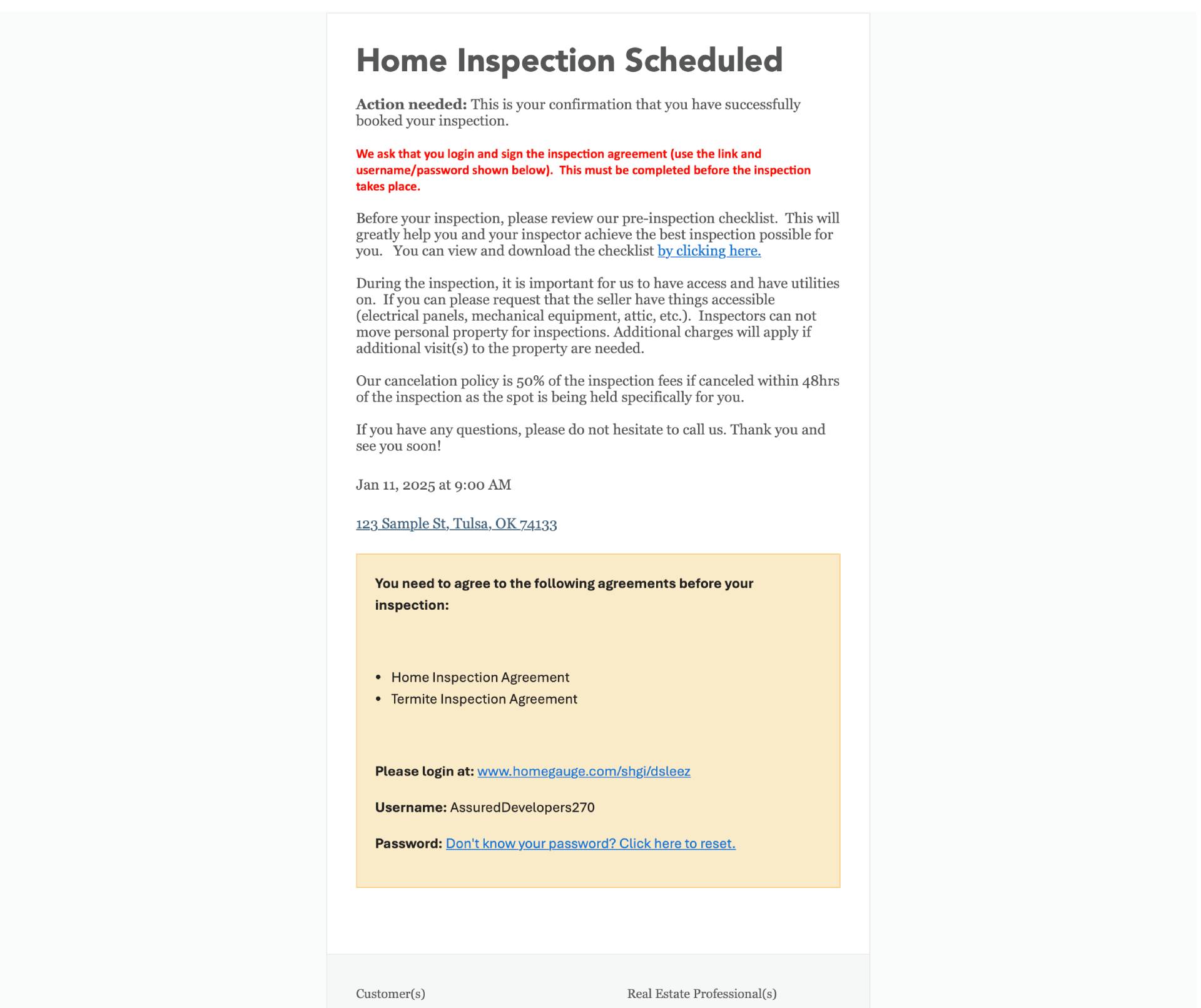
- Log In: Click the link to go directly to our website. Then, use the login details from your email to sign in.

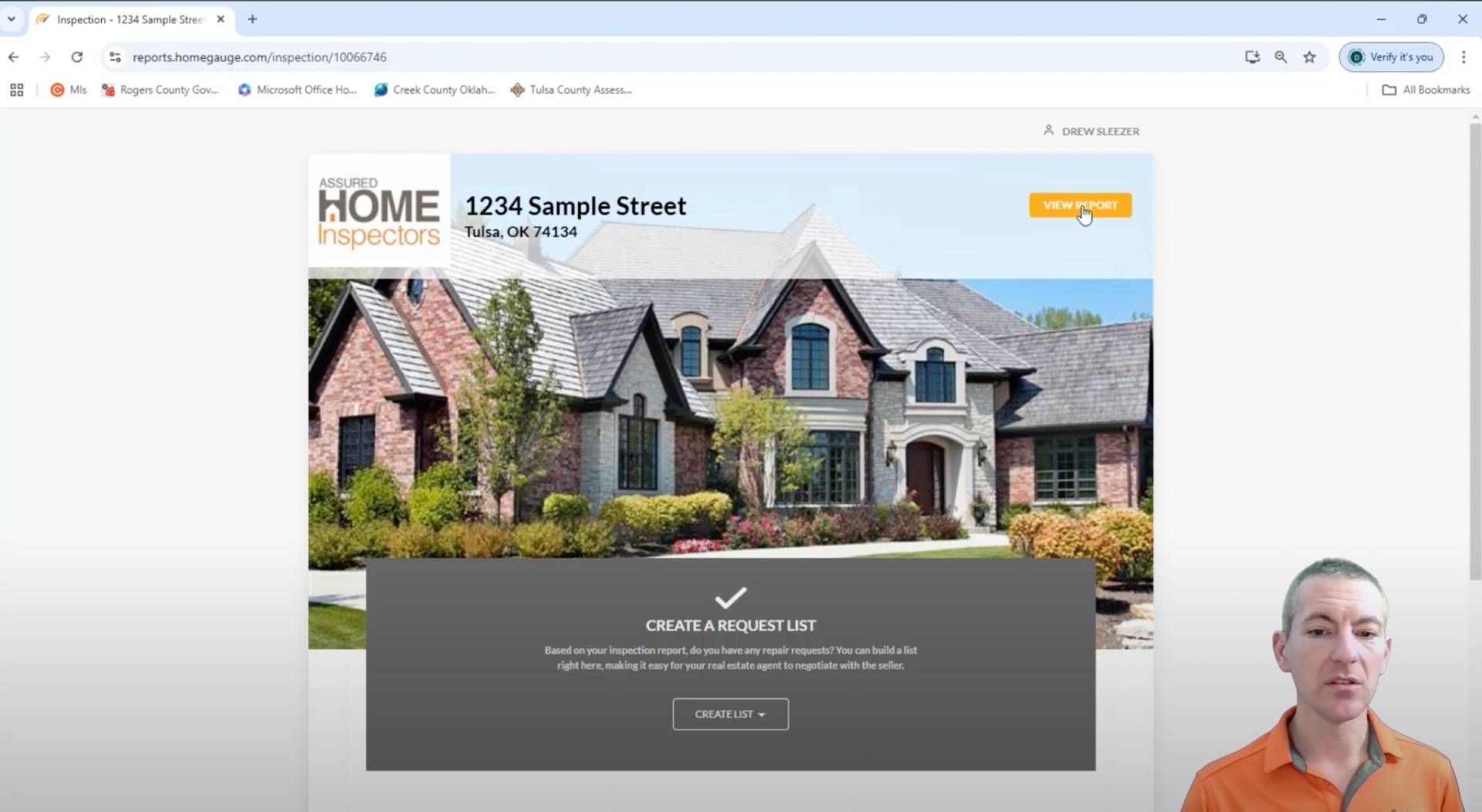
- Find Your Report: Select the report in the list and click the ‘Inspection Details’ button.
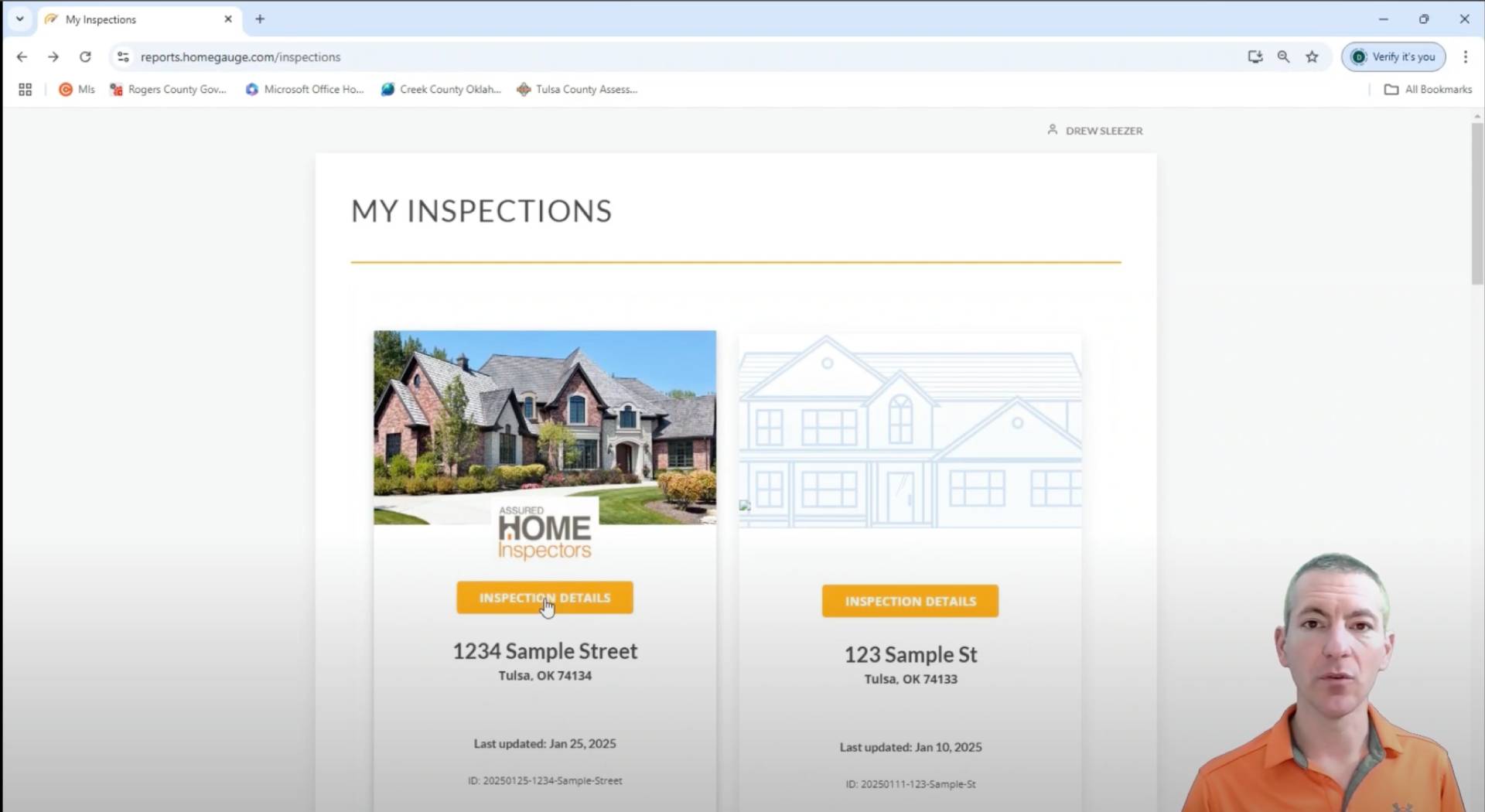
- View Your Report: Click ‘View Report’ to open the interactive HTML version. This format is designed for easy navigation, clear visuals, and a detailed breakdown of your inspection findings.
Step 2: Choose the Best Sharing Method for Your Needs
You have two options to share your property inspection report: an HTML link or a PDF file. The best choice depends on who’s reviewing the report and how they plan to use it.
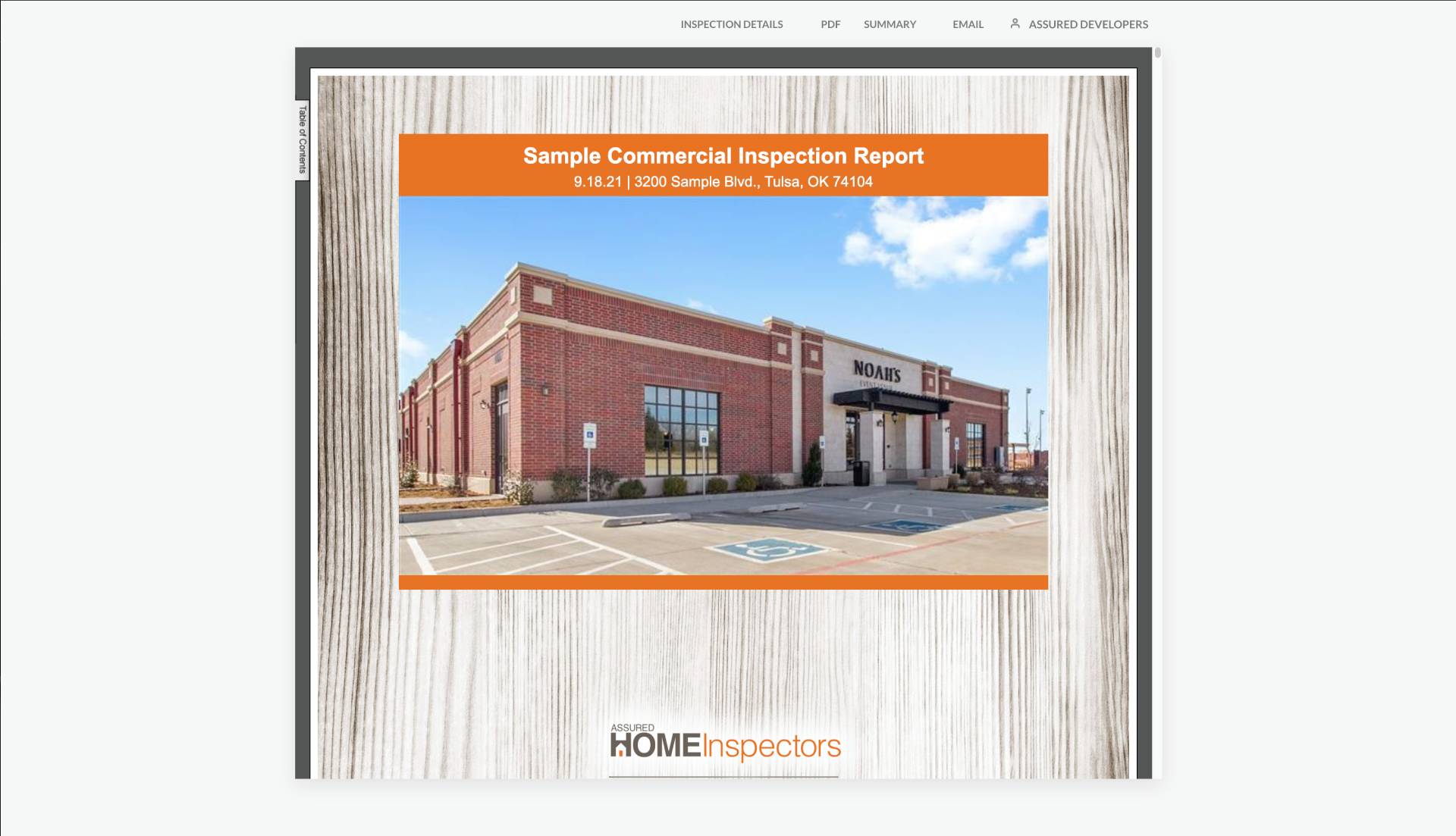
- HTML Reports: These offer an interactive, user-friendly experience. Recipients can easily navigate different sections, view high-quality images, and enjoy a clean, well-formatted layout that enhances readability. View a sample report.
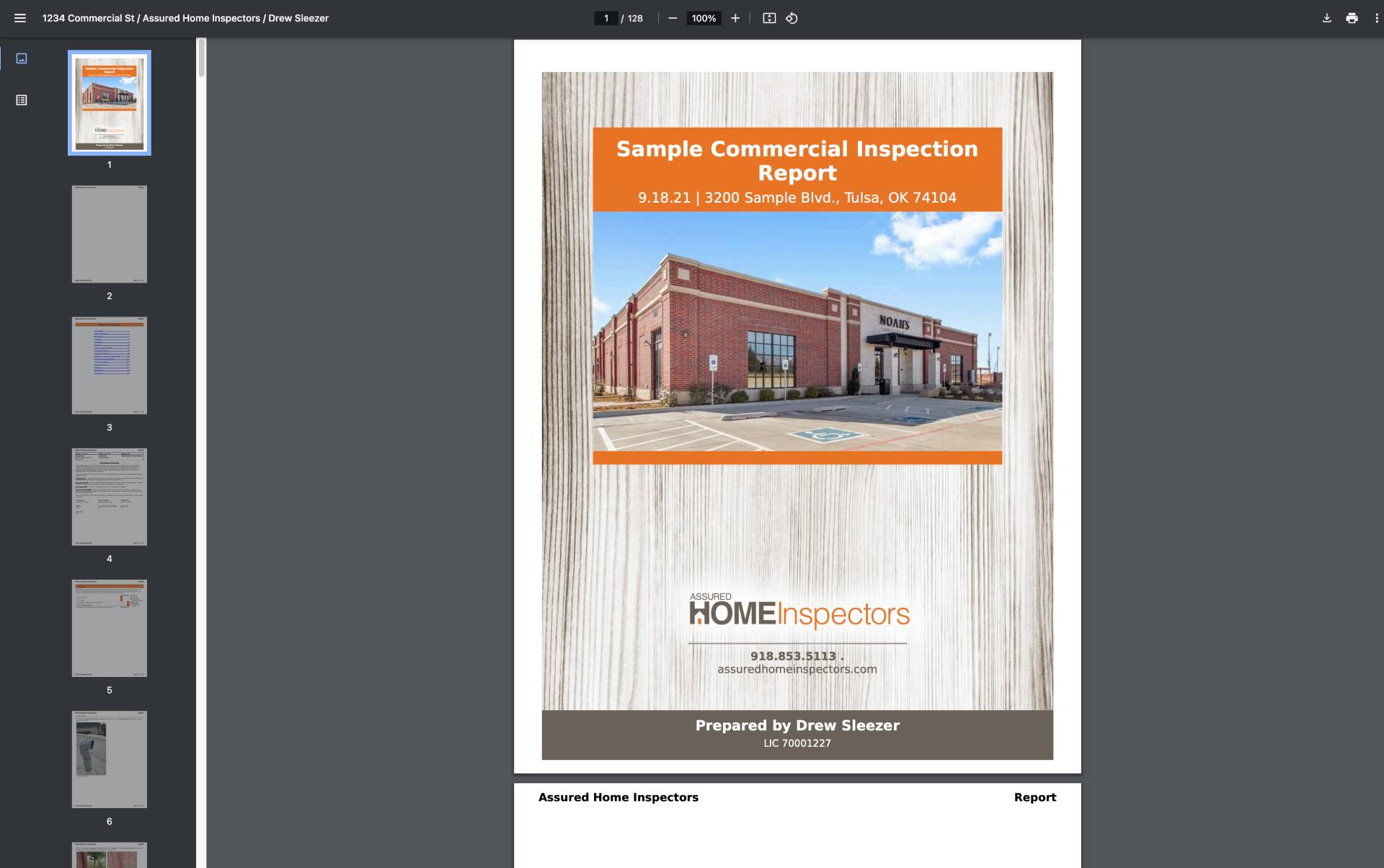
- PDF Files: Perfect for those who prefer a traditional, static format. A PDF is easy to download, print, and access offline. However, some interactive elements and formatting may not transfer perfectly, and file sizes can be larger.
Once you’ve picked the best format for you and your recipient, follow the step-by-step instructions below to share your report quickly and hassle-free.
How to Share Your Inspection Report via Email
Sharing your property inspection report by email is quick, secure, and ensures a smooth viewing experience for your recipient. Just follow these simple steps after you’ve accessed your report:
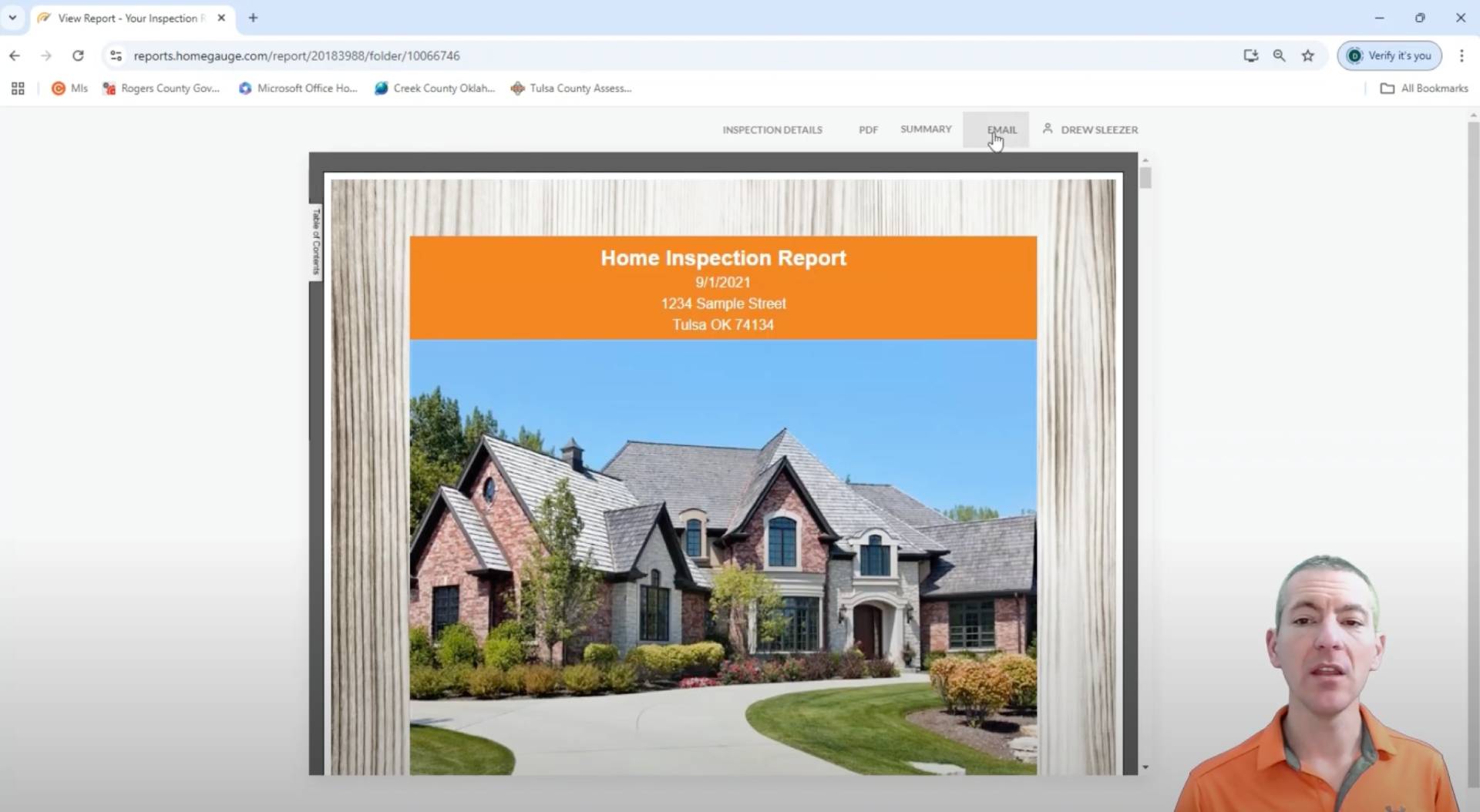
- Click ‘Email’: Click ’email’ in the top navigation menu.
- Fill Out the Form: Enter the recipient’s email address, subject line, and any additional message you’d like to include.
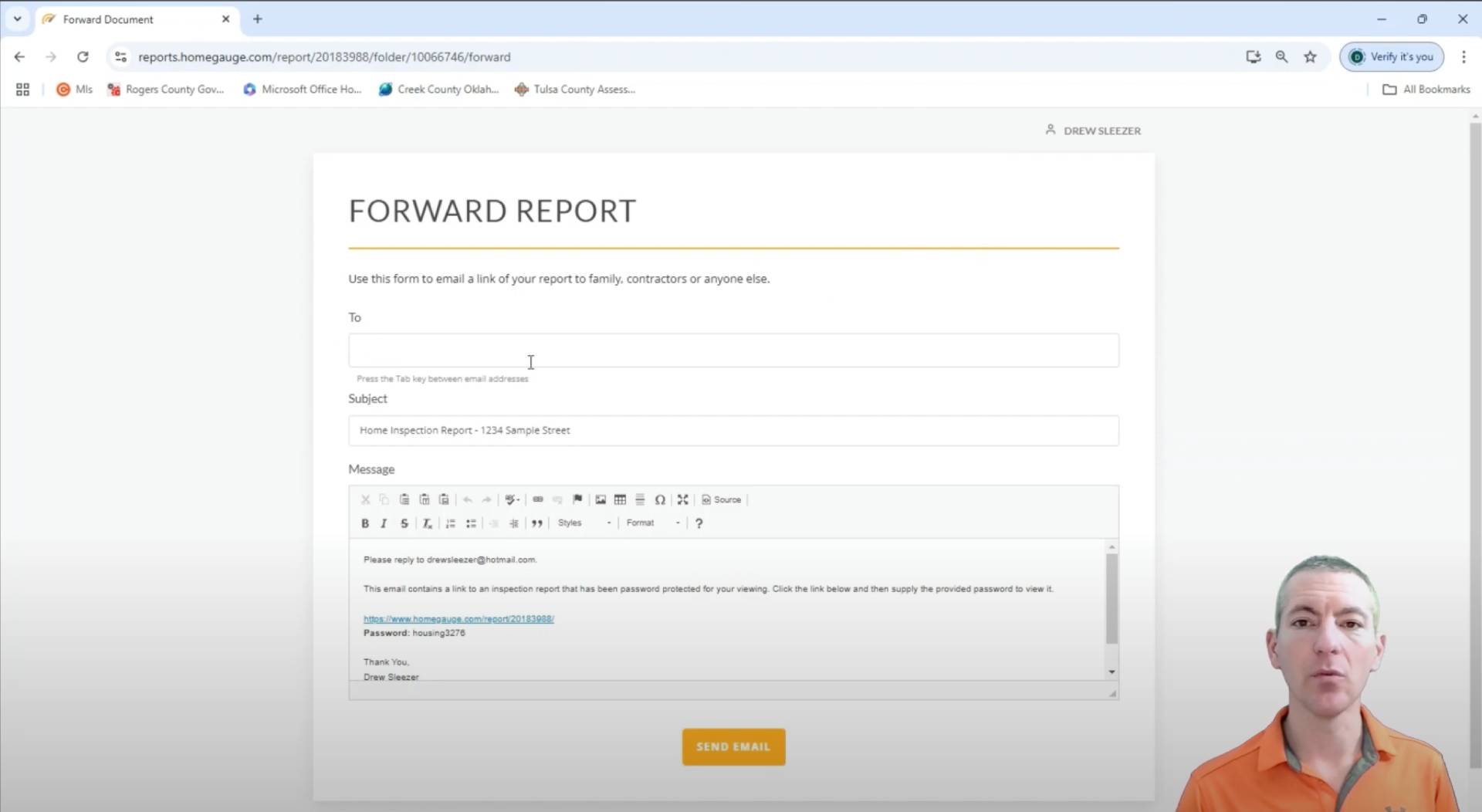
- Hit ‘Send Email’: Your recipient will receive an email with a secure link to the report and a password for access.
Why Share via Email?
- Best Viewing Experience: The HTML format is interactive and easy to navigate, making it simple for recipients to review key details.
- Great for Multiple Stakeholders: Whether you’re sharing with buyers, agents, or contractors, this method keeps everyone on the same page.
- Fast & Secure: No need to worry about large attachments—just a secure link for immediate access.
Sharing your report via email is the easiest way to ensure your recipients have instant, hassle-free access to all the important details!
How to Save and Share Your Inspection Report as a PDF
Saving your inspection report as a PDF is a great option if you need a static, easy-to-access document. Whether you’re keeping a personal copy, sharing with someone who prefers print, or ensuring offline access, here’s how to do it:
- Click the ‘PDF’ Button: You’ll find it at the top of the page.
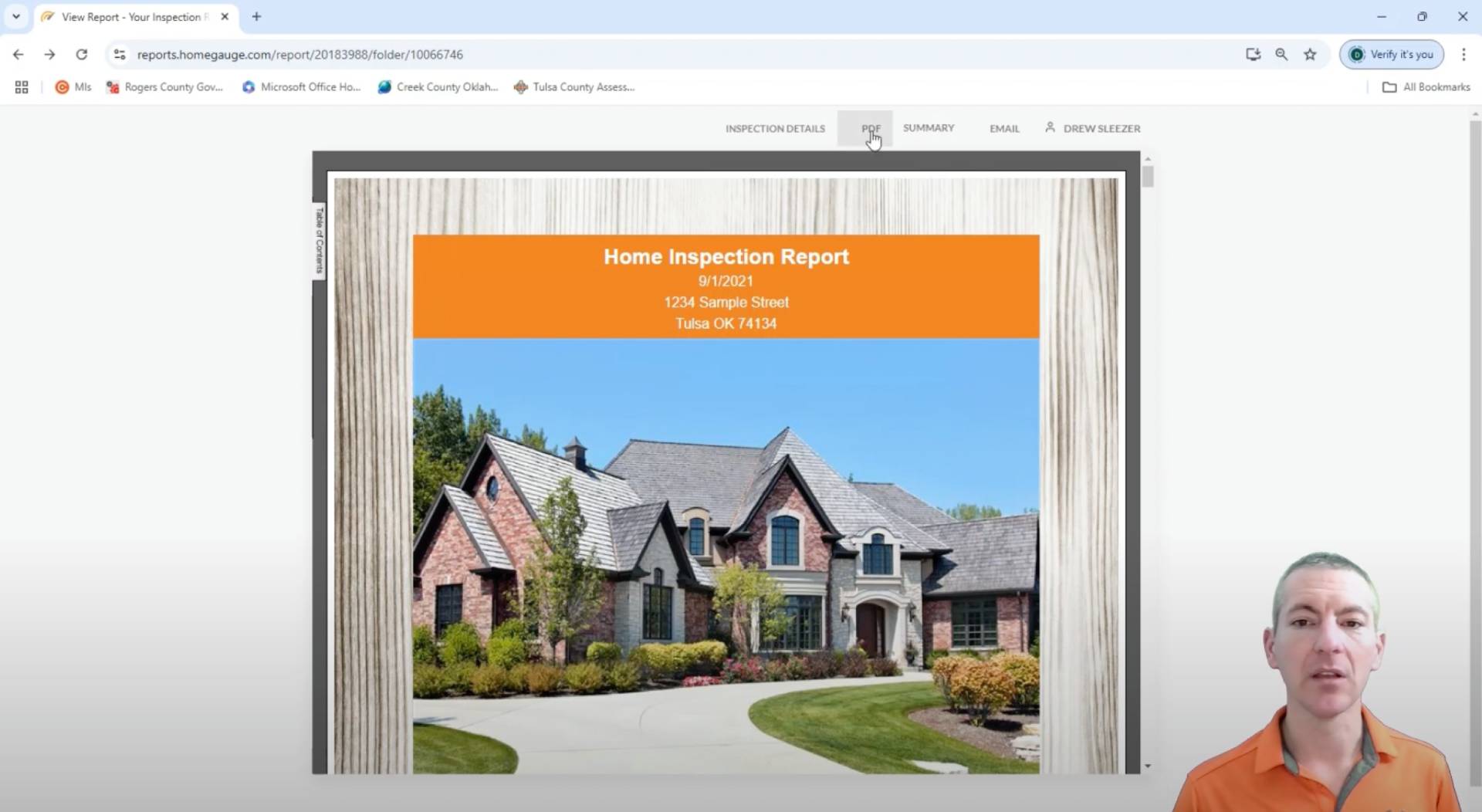
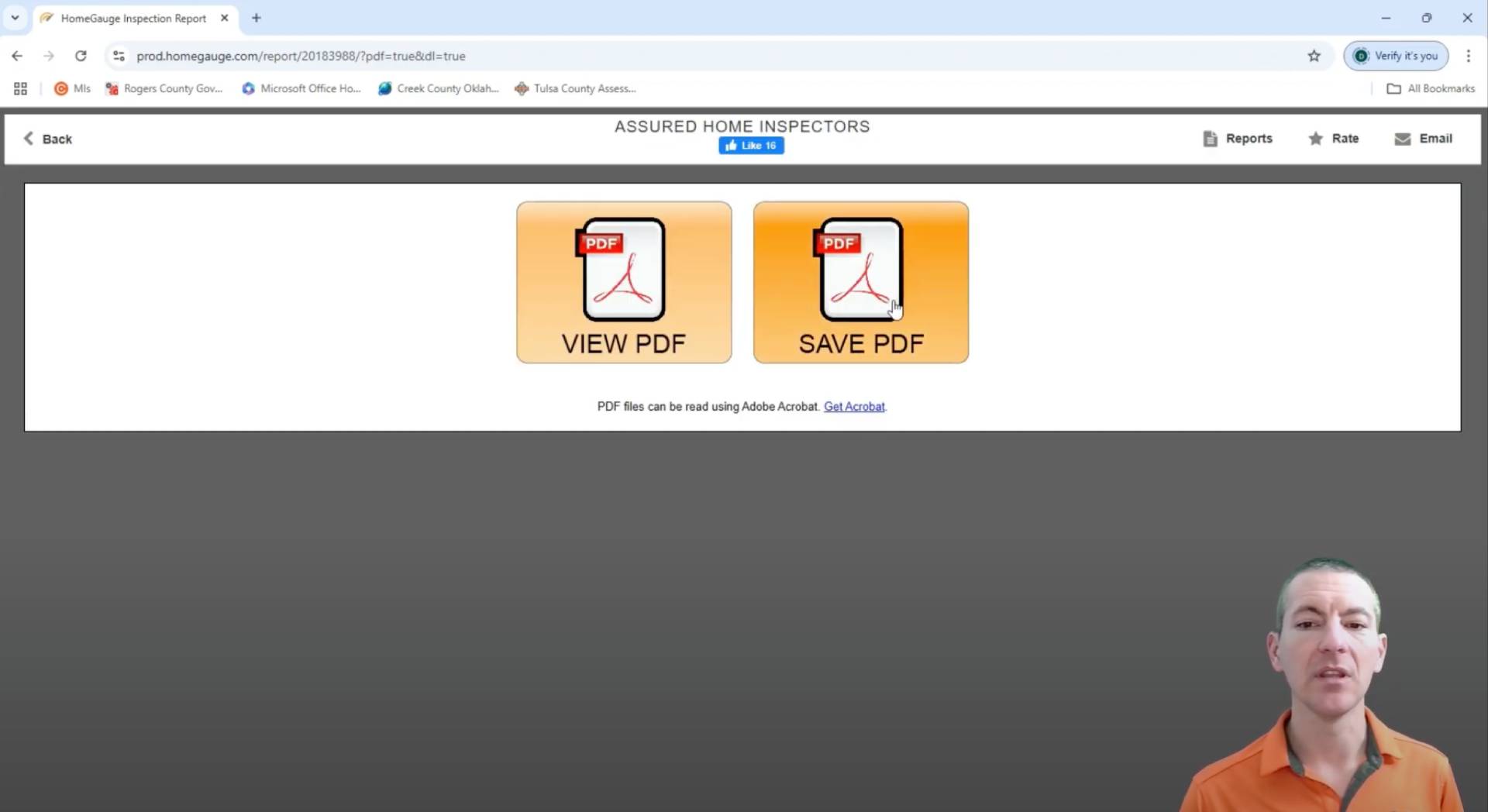
- Select ‘Save PDF’: This will download a copy of your report directly to your computer.
Why Choose a PDF?
- Offline Access: No internet? No problem. A PDF ensures you can view your report anytime.
- Printable Format: Need a hard copy? A PDF makes it easy to print and review.
- Easy to Share: Great for sending to anyone who needs a non-interactive version of your report.
By saving your report as a PDF, you’ll always have a durable, accessible record of your inspection findings.
Need Help? We’re Here for You!
If you run into any issues while accessing, saving, or sharing your inspection report, don’t worry—we’ve got you covered. We know navigating these steps can be tricky, especially if it’s your first time. Whether you’re having trouble logging in, need help choosing the best sharing method, or just have a question about your report, we’re here to assist.
Our support team is ready to provide help so you can manage your inspection report with ease.
Get in Touch
- Call or text us at 918-853-5113 for immediate assistance.
- Visit our contact page to reach out online.
Our priority is your peace of mind, and we’re committed to ensuring you have everything you need as quickly, easily, and stress-free as possible.
FAQs
We’re here to help! If you run into any issues, whether it’s logging in, choosing the best sharing option, or understanding the report, watch this tutorial or give us a call or text at 918-853-5113, or visit our contact page for assistance.
Conclusion: Sharing Your Inspection Report Made Simple
At Assured Home Inspectors, we make it easy to access, manage, and share your inspection report—so everyone involved in your home-buying process stays informed. Whether you’re sending it to an agent, contractor, or family member, you have two simple sharing options, email the HTML link or save it as a PDF. Choosing the right format depends on what works best for you and your recipients. If they need an easy-to-read, digital version, email is the way to go. A PDF is a better choice if they prefer something they can print and reference anytime.
If you have any questions—whether it’s accessing your report, understanding the details, or deciding the best way to share it—just reach out. Our team is happy to assist! Our goal is to make sure you fully understand your inspection report and can share it effortlessly.
Easy Steps to Share Your Property Inspection Reports Video Transcript
Hi this is Drew Sleezer with Assured Home Inspectors. Just wanted to make a quick video to show you how you can easily share your home or commercial inspection report using our software. Once you’ve logged into the system you’ll go to the ‘my inspections page.’ All of your inspections will be there. If you’re having any trouble logging in please let us know. We do have a separate video for that here. You’ll click on whichever home is relevant. If it’s your first house you’ll just have one there. Once you do that you can click this view report button here. What that does is pulls up the HTML version of your report and that is the best way to view your inspection report.
To share that you’ll click this email button at the top, enter the email address of whoever you want to send it to and click the send email button at the bottom. Once you’ve done that it will send a link and a password to them giving them access to that report.
If you’d like to send it as a PDF or save a PDF copy to your computer you can do that by clicking this PDF button at the top. You’ll hit the save PDF where it will then save a copy to your computer.
Of course if you have any questions at any time feel free to call us. Our office number is 918.853.5113. If we can help in any way please let us know. Thanks.
The post Easy Steps to Share Your Property Inspection Reports appeared first on Tulsa Home Inspections - Residential and Commercial Inspection Services in Tulsa, Oklahoma.
]]>The post 5 Easy Steps to Get Your Report, Sign, and Pay with Assured Home Inspectors appeared first on Tulsa Home Inspections - Residential and Commercial Inspection Services in Tulsa, Oklahoma.
]]>
Contents Overview
- Watch the Tutorial Video for a comprehensive guide.
- Step 1: Locate Your Booking Confirmation Email to find your login credentials.
- Step 2: Retrieve Your Report Online through our website.
- Step 3: Examine Your Inspection Information for a detailed overview of your property.
- Step 4: Authorize Your Agreement by reading and signing the document.
- Step 5: Choose Payment Options to finalize your inspection fee.
- FAQs
- Wrap-Up and Review
Watch the Tutorial Video
To make the process even more straightforward, we highly recommend watching our how-to video featuring Drew Sleezer from Assured Home Inspectors. This tutorial will guide you through logging into our system, signing the agreement, and managing your payments with step-by-step instructions ensuring you have a clear understanding of each step. By following along with the video, you can see exactly how to navigate the process, making it easier and quicker for you to access your home inspection report, sign your agreement, and handle your payment. Or, skim our step-by-step written guide below.Step 1: Find Your Booking Confirmation Email
The first step in accessing your inspection report is to locate the booking confirmation email we sent when you scheduled your inspection.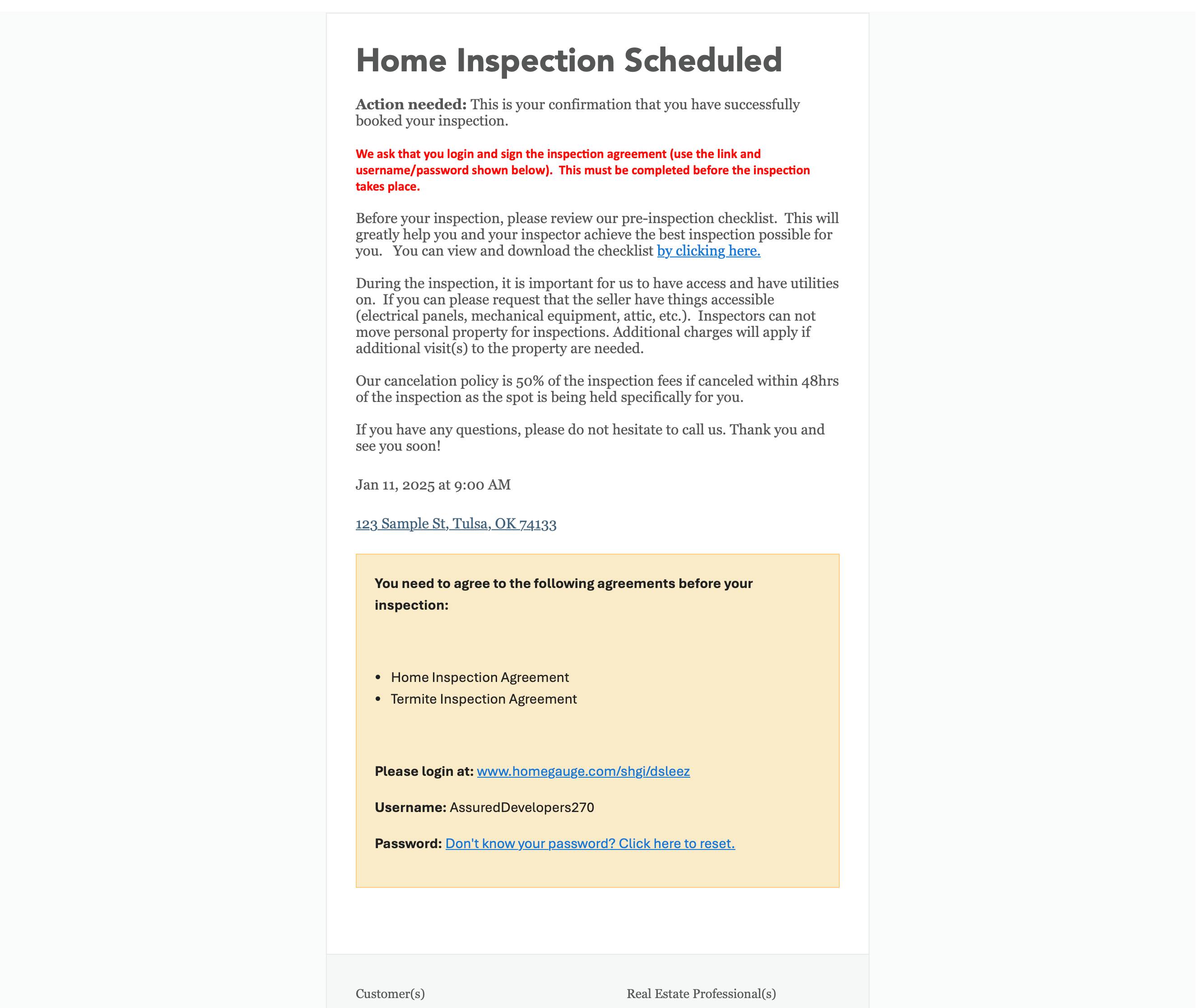
Step 2: Retrieve Your Report Online
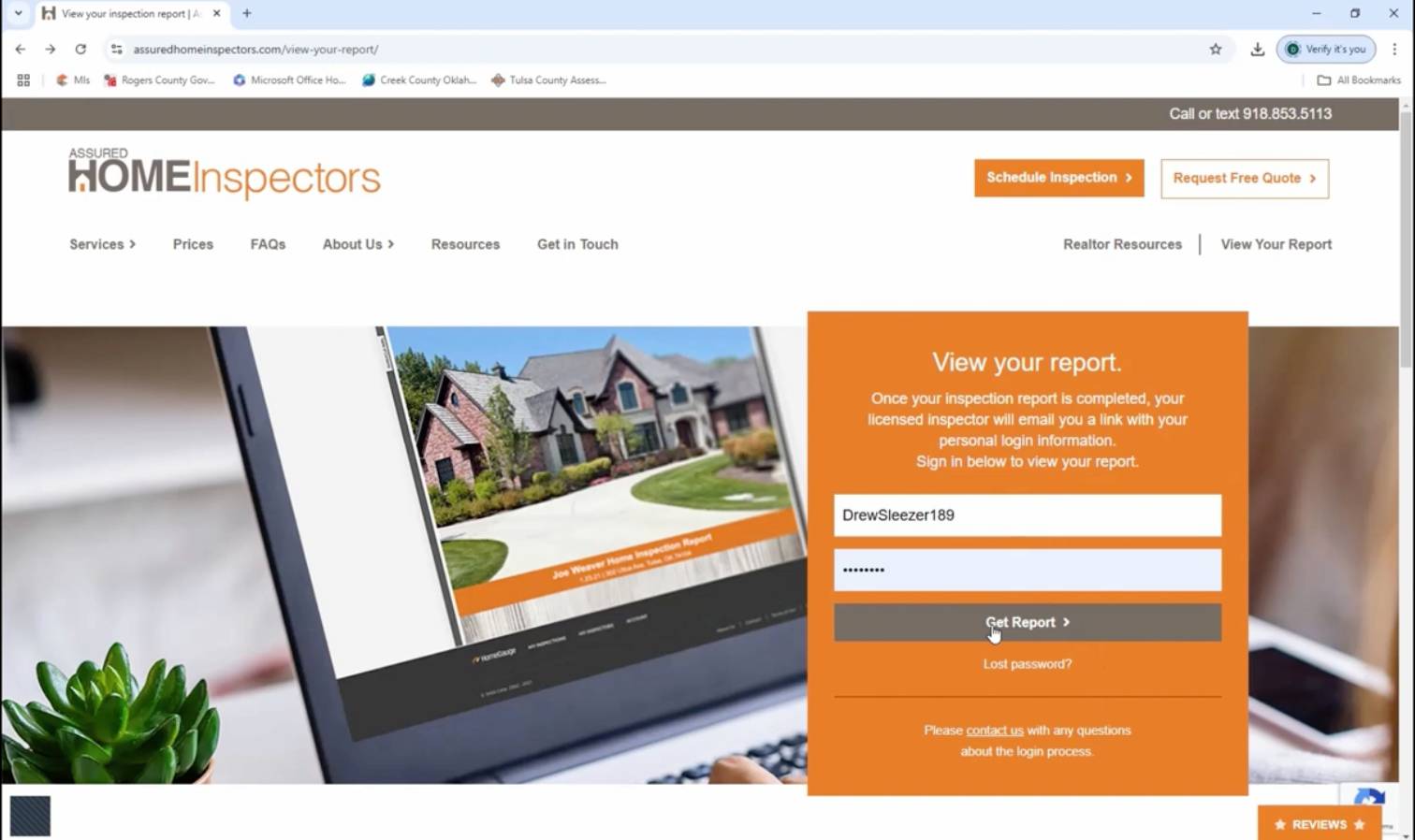
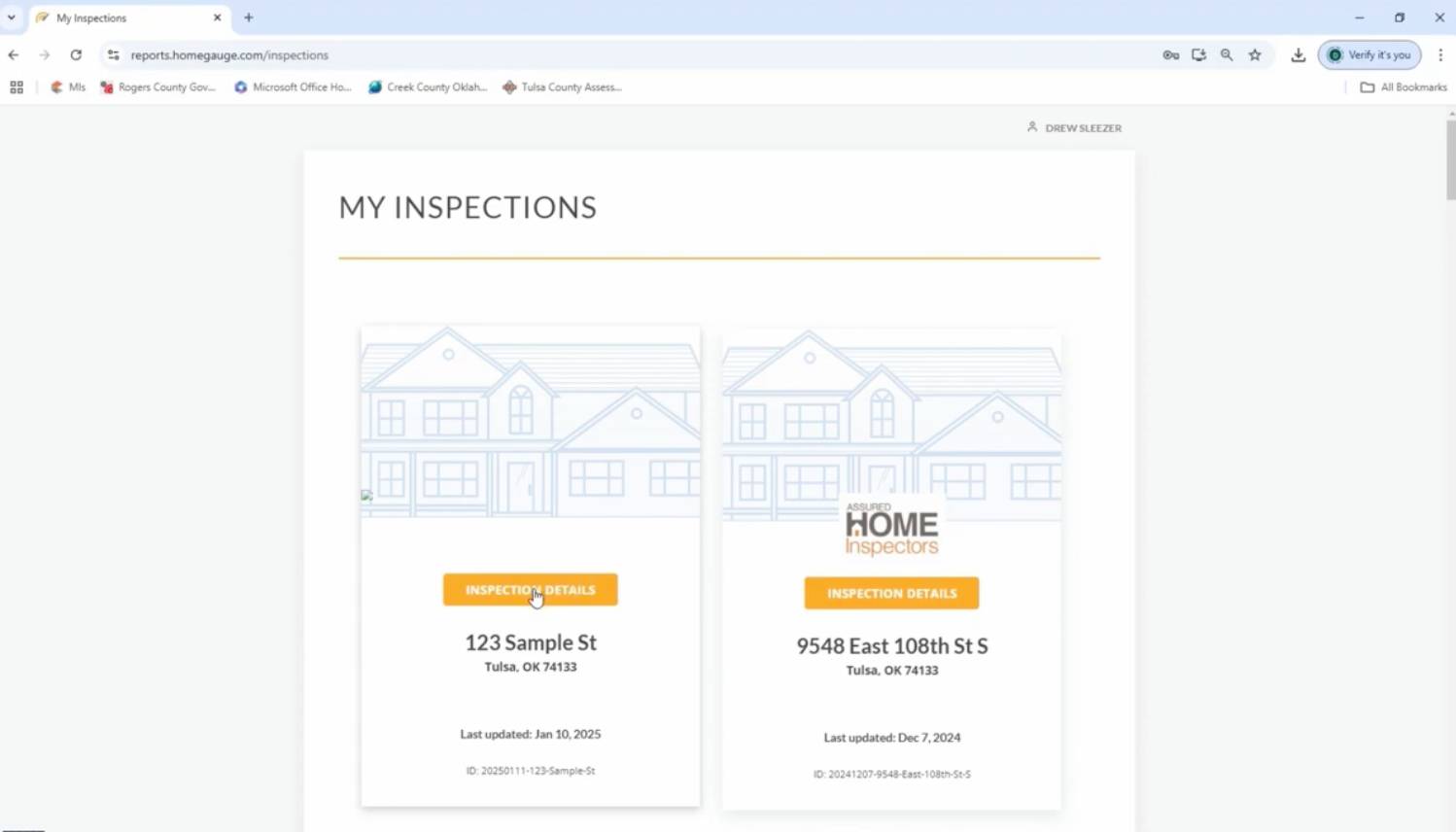
To retrieve your property inspection report or sign the agreement, follow the link in the email or visit assuredhomeinspectors.com. On the homepage, click “View Your Report” at the top right.
Step 3: Examine Your Inspection Information
Then you’ll see your inspection details including your inspector(s), contact information, your Realtor’s contact information, your account details, and agreements. Click the “View Agreement” button at the top.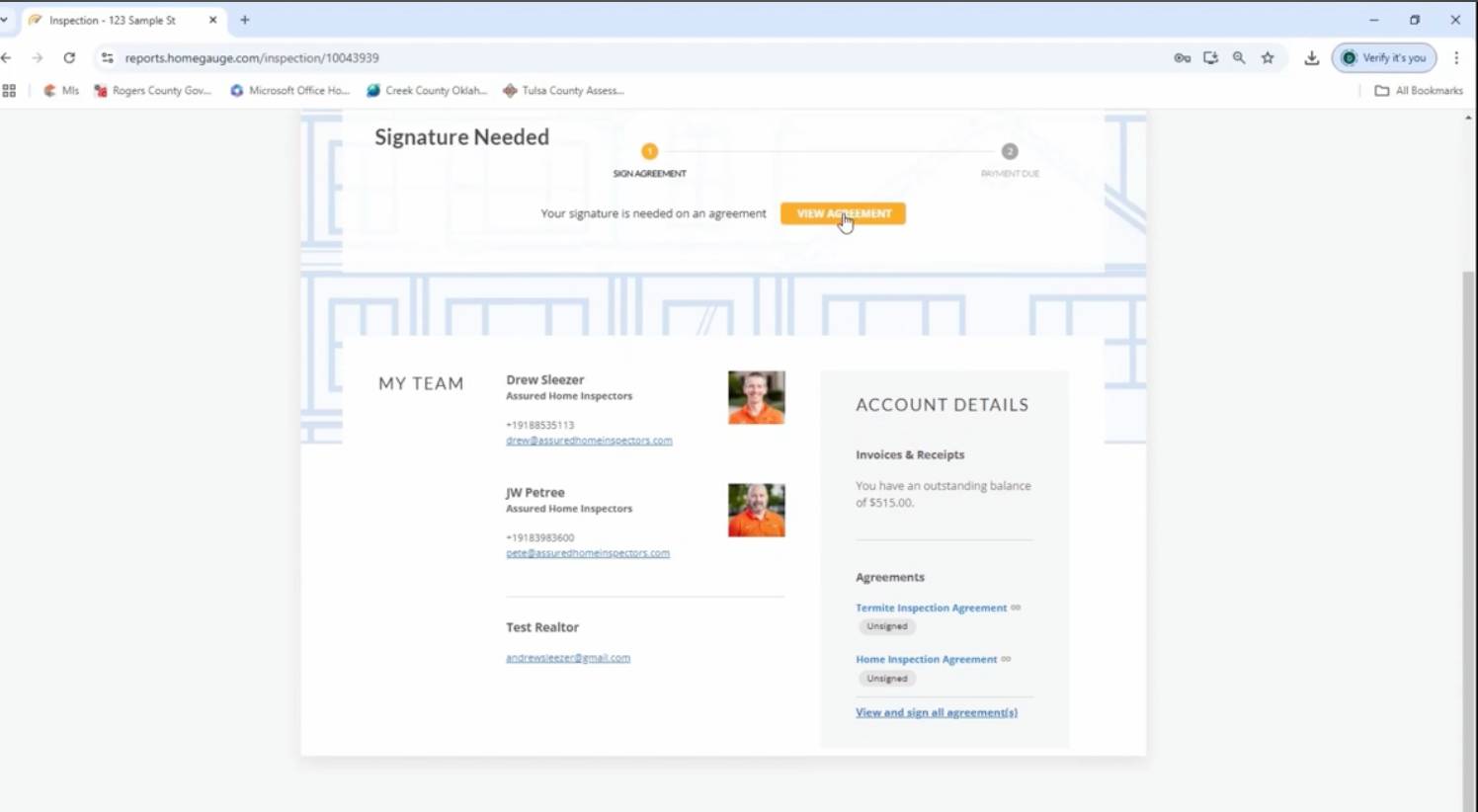
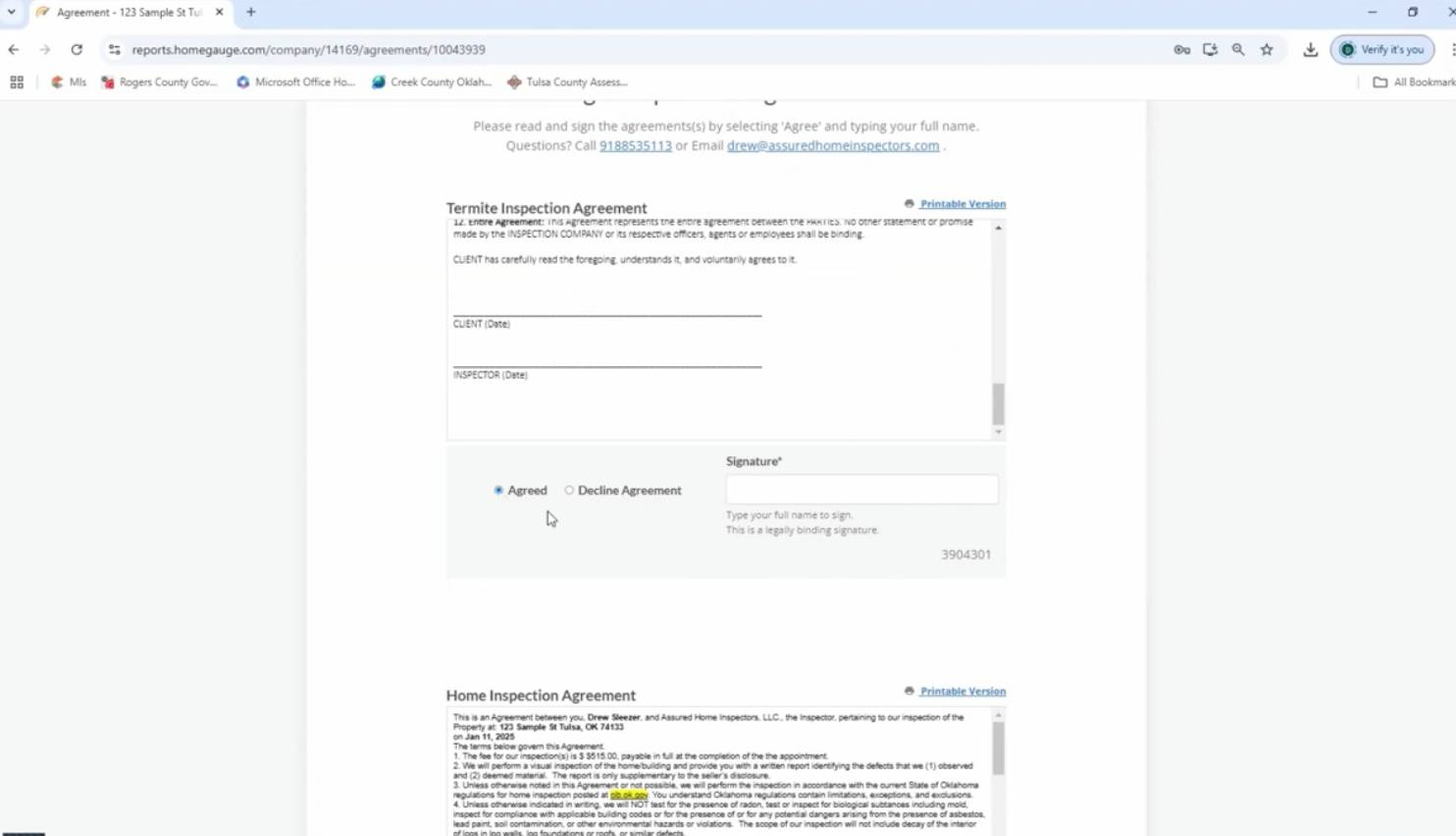
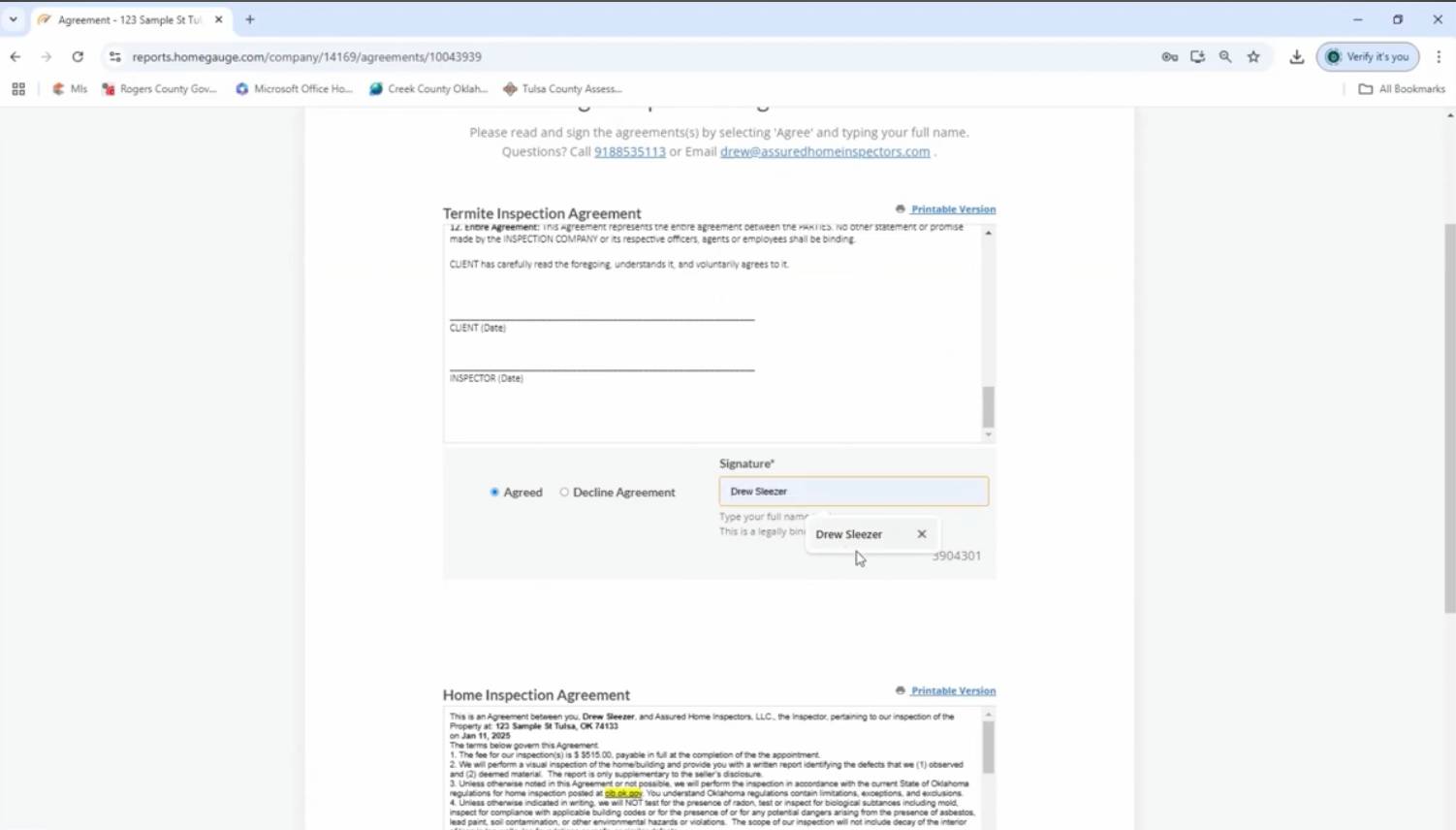
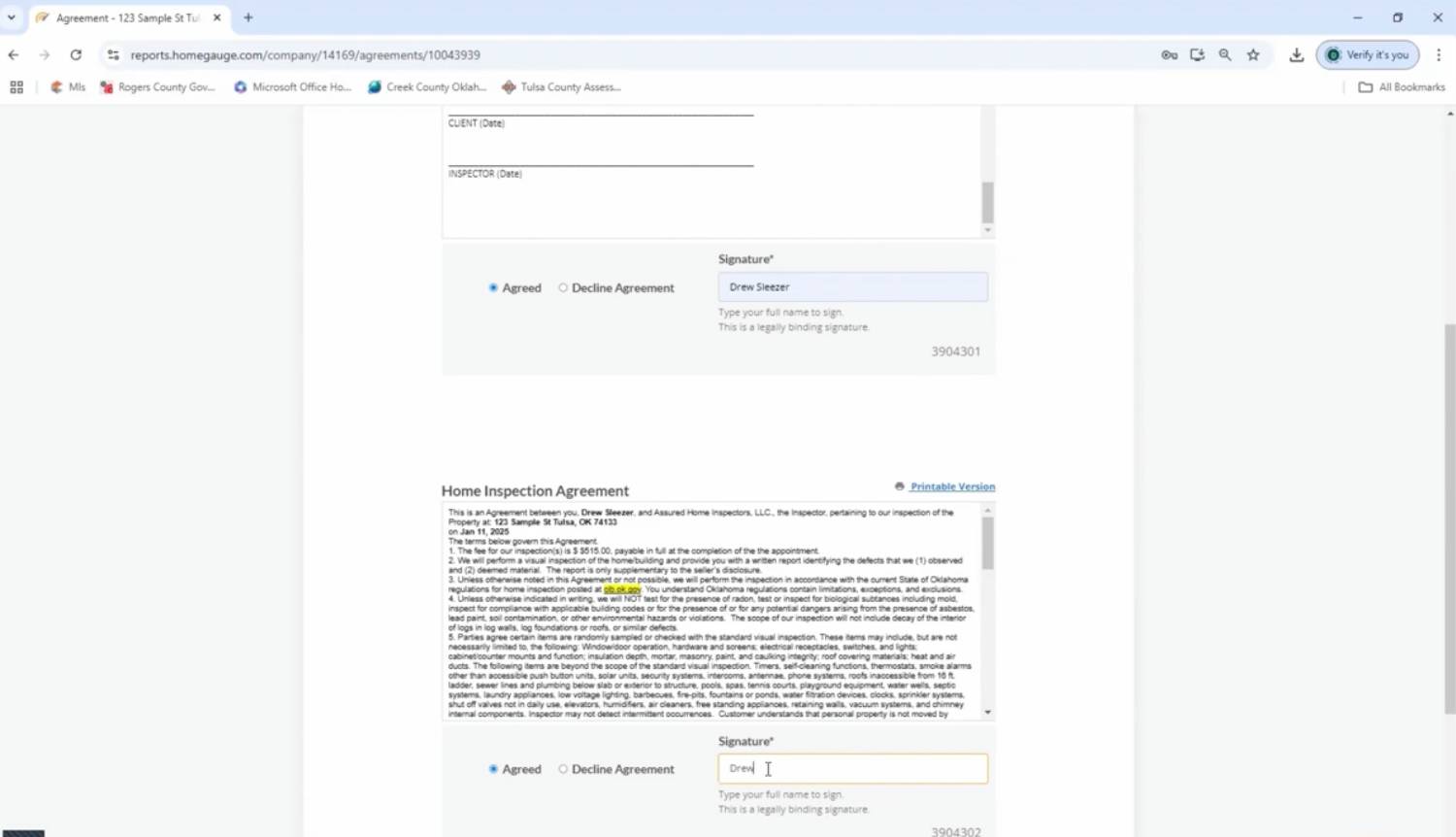
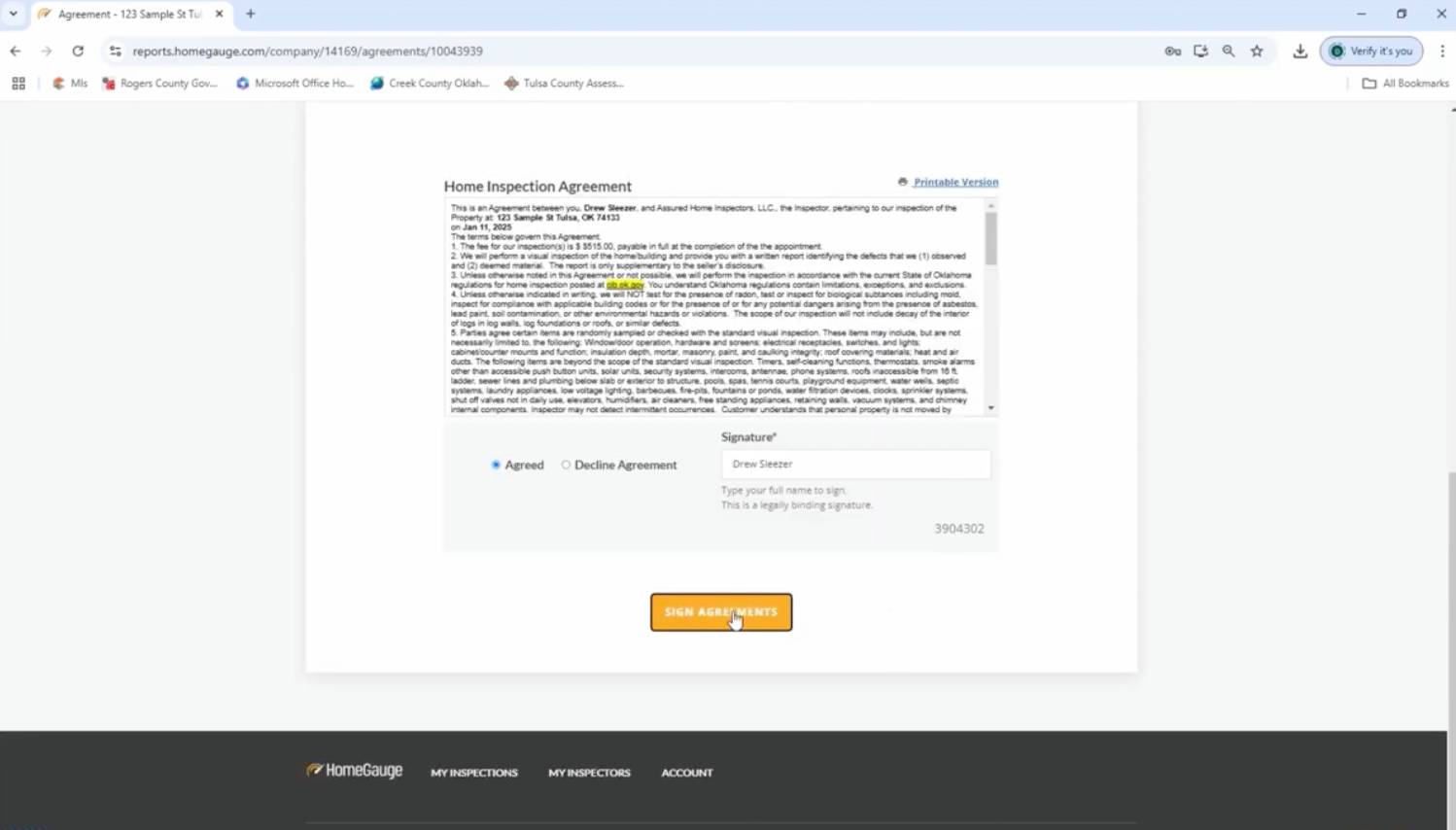
Step 4: Authorize Your Agreement
This will open the agreement document(s) for you to review.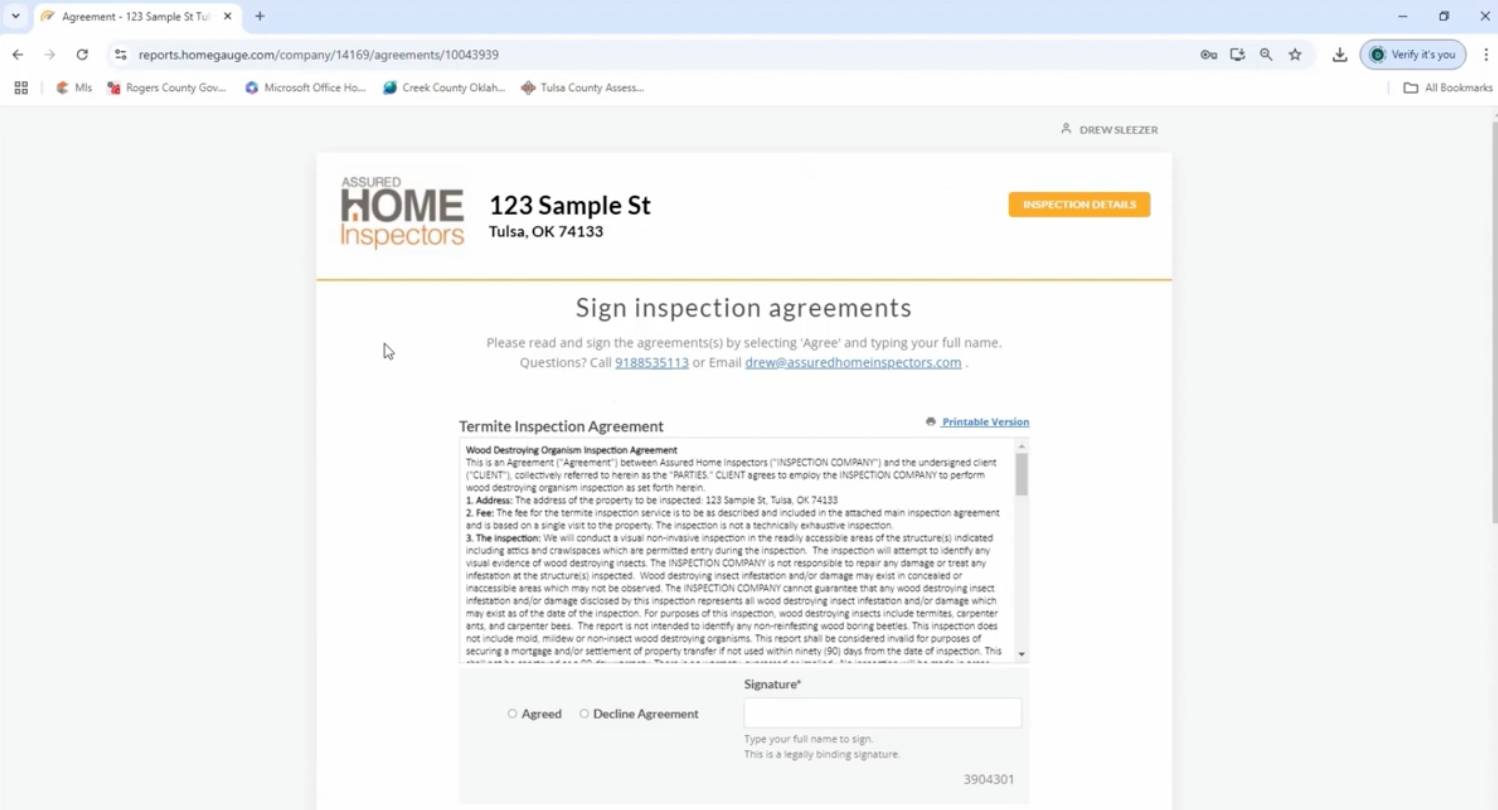
Step 5: Choose Payment Options
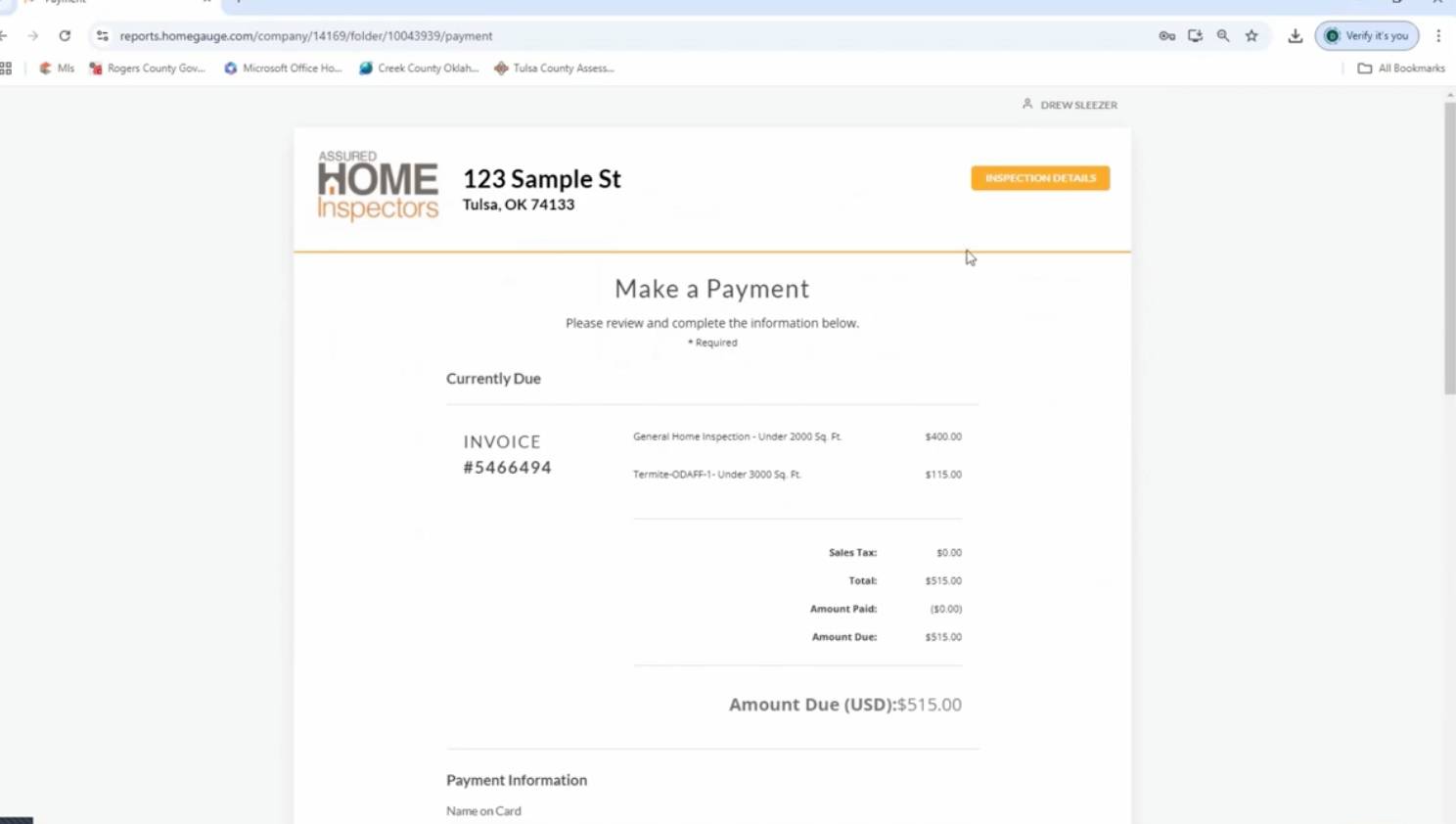
Assured Home Inspectors provides flexible payment options to accommodate your needs. You can choose to pay before or after your inspection. To handle payment in advance, click “Pay Now” to view your invoice.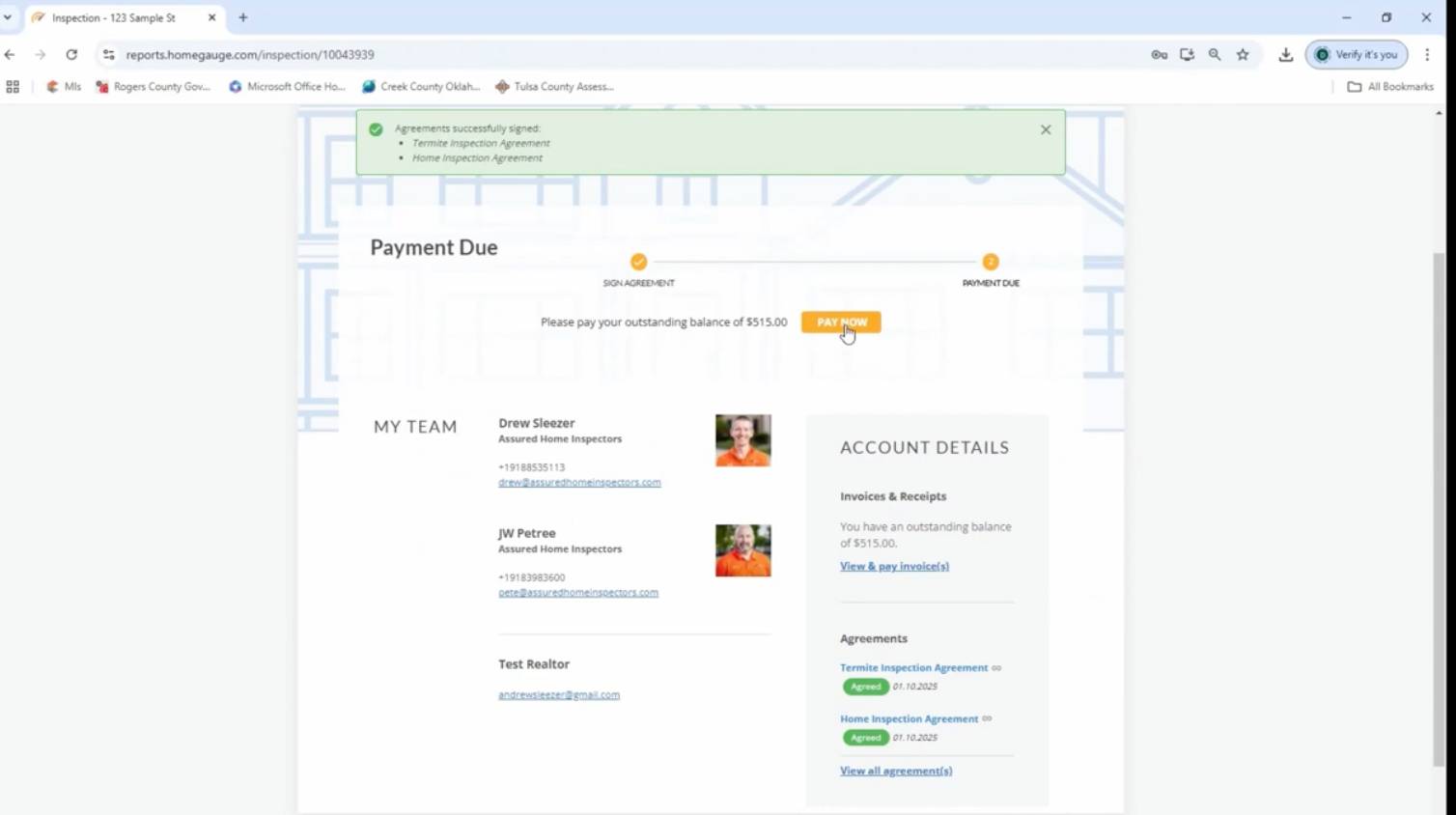
FAQs
Wrap-Up and Review
Choosing Assured Home Inspectors means you’re partnering with a team dedicated to thorough and transparent inspections. We ensure every aspect of the process is clear and easy, from accessing your report to finalizing your agreement and payment. During your inspection, our certified inspectors take the time to review the report with you, answer questions, and provide valuable insights about your property. This dedication guarantees peace of mind and confidence in your investment.
Our user-friendly system, coupled with our commitment to excellent customer service, makes the entire process seamless. Whether you are a first-time homebuyer or investing in commercial real estate, our detailed online reports and flexible payment options are designed to meet your needs. We are here to support you throughout the inspection process and find surprises before they become problems.
For any questions or to book your next inspection, get in touch at 918.853.5113.
Hi, this is Drew Sleezer with Assured Home Inspectors. Thanks for booking with us. Here’s a quick video to show you how to log into the system, sign the contract, and also pay for your inspections.
When you booked your appointment, we sent a confirmation email. In that email, you’ll find a username and password. You’re going to either use the link provided in the email or go to our website, assuredhomeinspectors.com. Click “View Your Report” and enter your username and password into the fields.
Once you’ve done that, click the “Get Your Report” button. That will bring up a page that shows all the inspections we’ve ever done for you. Click on the inspection details for the relevant inspection. If this is your first inspection, there will only be one listed.
Once you click on that, it will bring up another page. This page will show you who your inspectors are and provide a “View Agreement” button. Click “View Agreement” to open a page where you can read through the agreements and agree to them.
To agree, click the “Agree” button and type your full name into the box. Once you’ve done that, click the “Sign Agreements” button at the bottom of the page. That’s all we need to have done prior to the inspection.
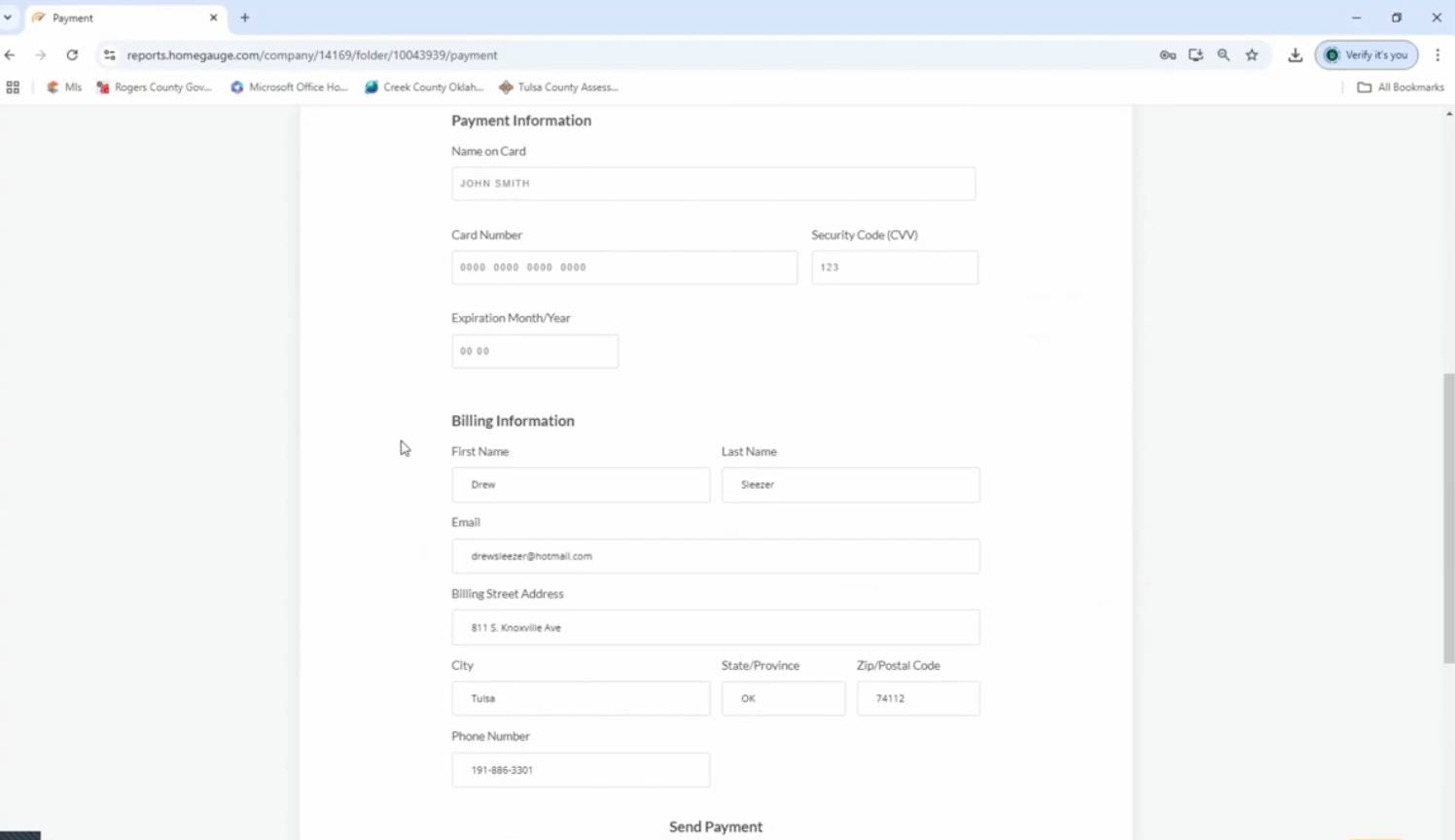
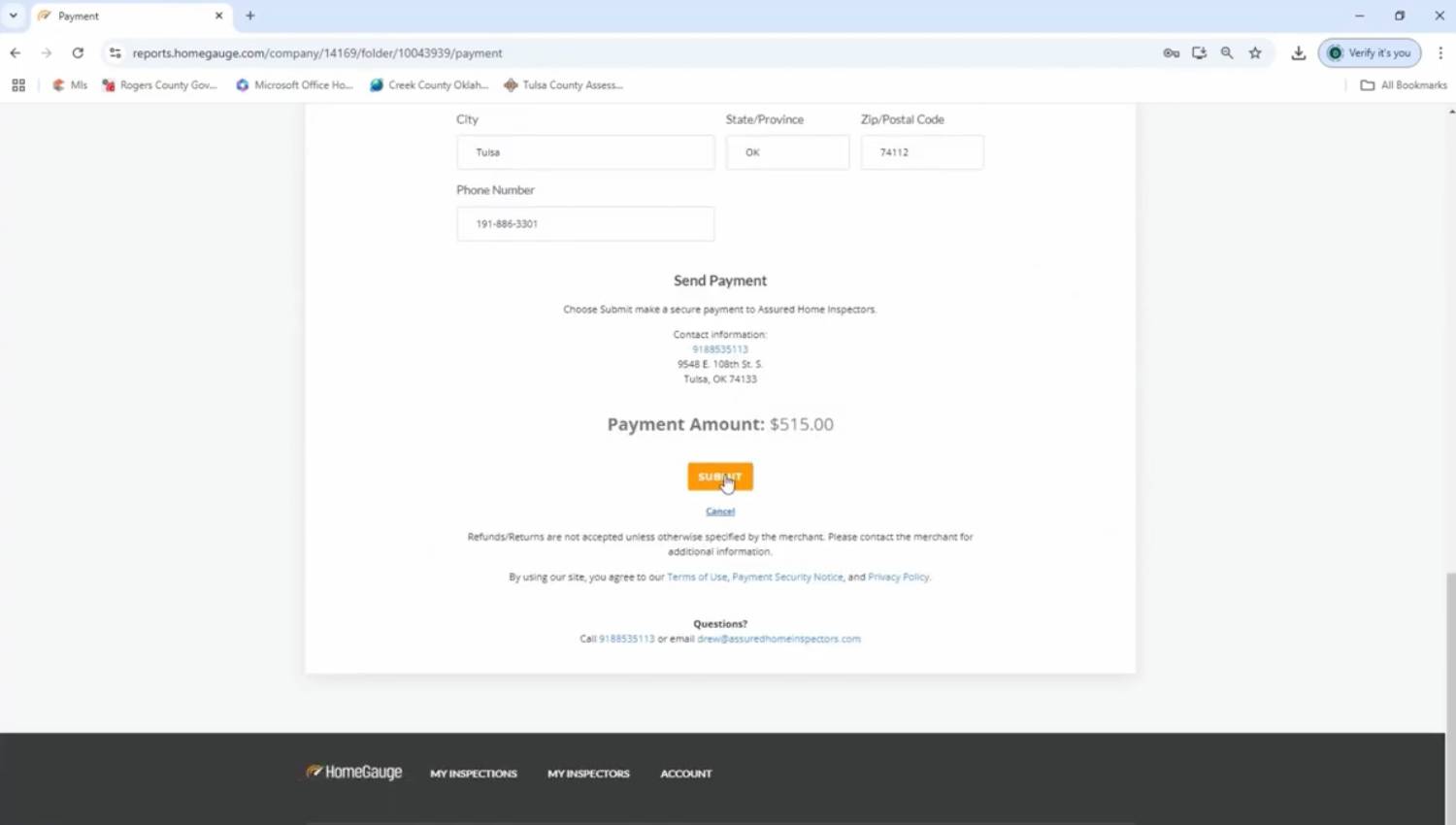
There is no requirement to pay for your inspection ahead of time. However, if you’d like to handle payment in advance, you can do so by clicking the “Pay Now” button. This will bring up your invoice, which shows the services booked. Simply enter all the required information into the form fields and then click the “Submit” button at the bottom.
If you have any questions as you go through this process, feel free to call us at any time. Our office number is 918-853-5113. If we can help in any way, please let us know.
Thanks a bunch, and we look forward to completing your inspection for you.
The post 5 Easy Steps to Get Your Report, Sign, and Pay with Assured Home Inspectors appeared first on Tulsa Home Inspections - Residential and Commercial Inspection Services in Tulsa, Oklahoma.
]]>The post What You Need To Know About Inspection Services. appeared first on Tulsa Home Inspections - Residential and Commercial Inspection Services in Tulsa, Oklahoma.
]]>
The post What You Need To Know About Inspection Services. appeared first on Tulsa Home Inspections - Residential and Commercial Inspection Services in Tulsa, Oklahoma.
]]>The post Six Tips To Prevent Termites From Invading Your Home. appeared first on Tulsa Home Inspections - Residential and Commercial Inspection Services in Tulsa, Oklahoma.
]]>
Termites are a topic nobody likes to talk about. However, the costs of not talking about termites — and the damage they can cause — is much worse. As one of Green Country’s most experienced termite inspection companies, we know how to spot the signs of termites.
However, an ounce of prevention is worth a pound of cure. Or in this case, an ounce of prevention can potentially save thousands of dollars in repairing termite damage. The following six tips will help prevent termite activity.
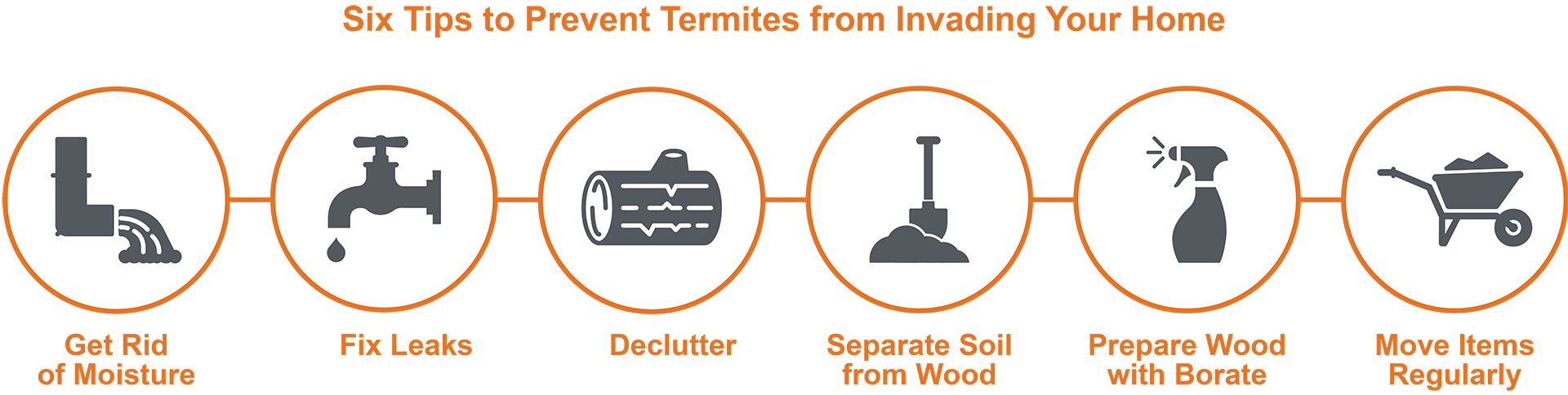
Get rid of moisture – Moisture is like beach-front property to bugs and can attract all kinds of pests and termites into your home. Subterranean termites need moisture to survive, so keep your gutters clean and make sure grading directs water away from your home.
Fix leaks – Pay close attention to any decay or leaks in your house. Termites love moisture-laden walls. Repair any leaks ASAP.
Declutter your house inside and out – Get rid of unneeded cellulose material at the interior and exterior of the home. Termites are constantly foraging for food and are looking for anything celulose. Get rid of wood piles, wood debris, piles of papers, cardboards, newspapers, and old magazines.
Separate soil from wood – Make sure you keep soil and wood apart. This will help act as a barrier and reduce chances for activity. If you do have activity, you are much more likely to see evidence.
Spray borate on wood before priming or painting – Borate is one of the most popular termite repellents, and should be sprayed on wood before priming and painting. Borate gets absorbed into the wood, preventing the wood from being a termite buffet. Once it’s absorbed, you can prime and paint it normally. Borate is safe, but extremely potent, and protects wood from termite damage for decades.
Move items regularly – Termites don’t like to be disturbed, by moving items regularly, activity and damage can be prevented. You are also more likely to observe activity if items are moved.
Think termites may have already invaded your home?
Schedule a wood destroying organism inspection with us. At Assured Home Inspectors, we will conduct a fast, thorough, and affordable inspection — including using state-of-the-art technology to spot signs of damage others might miss. We will also recommend pest control companies, how to repair termite damage and how to prevent future infestation.
Don’t let termites’ nests wreak havoc on yours. Schedule a termite inspection with us.
The post Six Tips To Prevent Termites From Invading Your Home. appeared first on Tulsa Home Inspections - Residential and Commercial Inspection Services in Tulsa, Oklahoma.
]]>The post Water Heaters 101: Everything To Know About Water Heaters. appeared first on Tulsa Home Inspections - Residential and Commercial Inspection Services in Tulsa, Oklahoma.
]]>
The post Water Heaters 101: Everything To Know About Water Heaters. appeared first on Tulsa Home Inspections - Residential and Commercial Inspection Services in Tulsa, Oklahoma.
]]>How is mold testing done?
The post What you need to know about mold. appeared first on Tulsa Home Inspections - Residential and Commercial Inspection Services in Tulsa, Oklahoma.
]]>
The post What you need to know about mold. appeared first on Tulsa Home Inspections - Residential and Commercial Inspection Services in Tulsa, Oklahoma.
]]>The post How to be ready before, during, and after your residential or commercial inspection! appeared first on Tulsa Home Inspections - Residential and Commercial Inspection Services in Tulsa, Oklahoma.
]]>
Whether it’s your family home, your home away from home, your future place of business, or an investment property, purchasing real estate is one of (if not the single) most important financial decisions you’ll make. Don’t be nervous or worried, though. We’re here to help you make your purchasing decision with confidence!
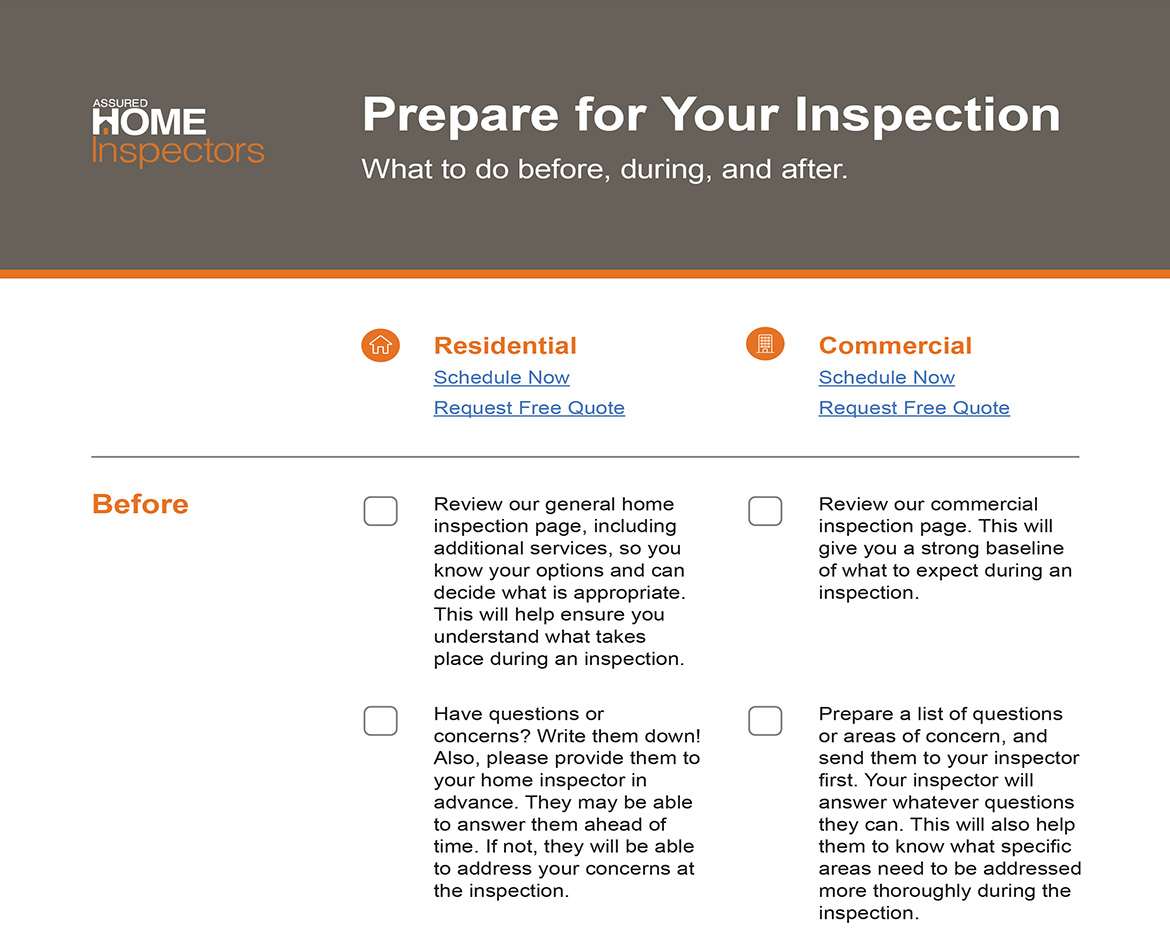
When it comes to buying or selling a home or commercial property, you can never be too prepared. At the same time, you might not know what to ask, especially if you’re a first-time home buyer, or you’ve never purchased commercial property before. To help give you peace of mind, and make the inspection process run as smoothly as possible, we’ve created a preparation checklist.
Just follow these simple steps and you’ll be ready before, during, and after your inspection.
Download your
Free Printable Checklist
 [contact-form-7]
Want an expert opinion? Or worried about your upcoming inspection? For your peace of mind (not to mention your budget), schedule a general home inspection, and let us find any surprises before they become problems.
The post How to be ready before, during, and after your residential or commercial inspection! appeared first on Tulsa Home Inspections - Residential and Commercial Inspection Services in Tulsa, Oklahoma.
]]>