
- Drew Sleezer
- 11 February, 2026
- How-toPreparationResidential
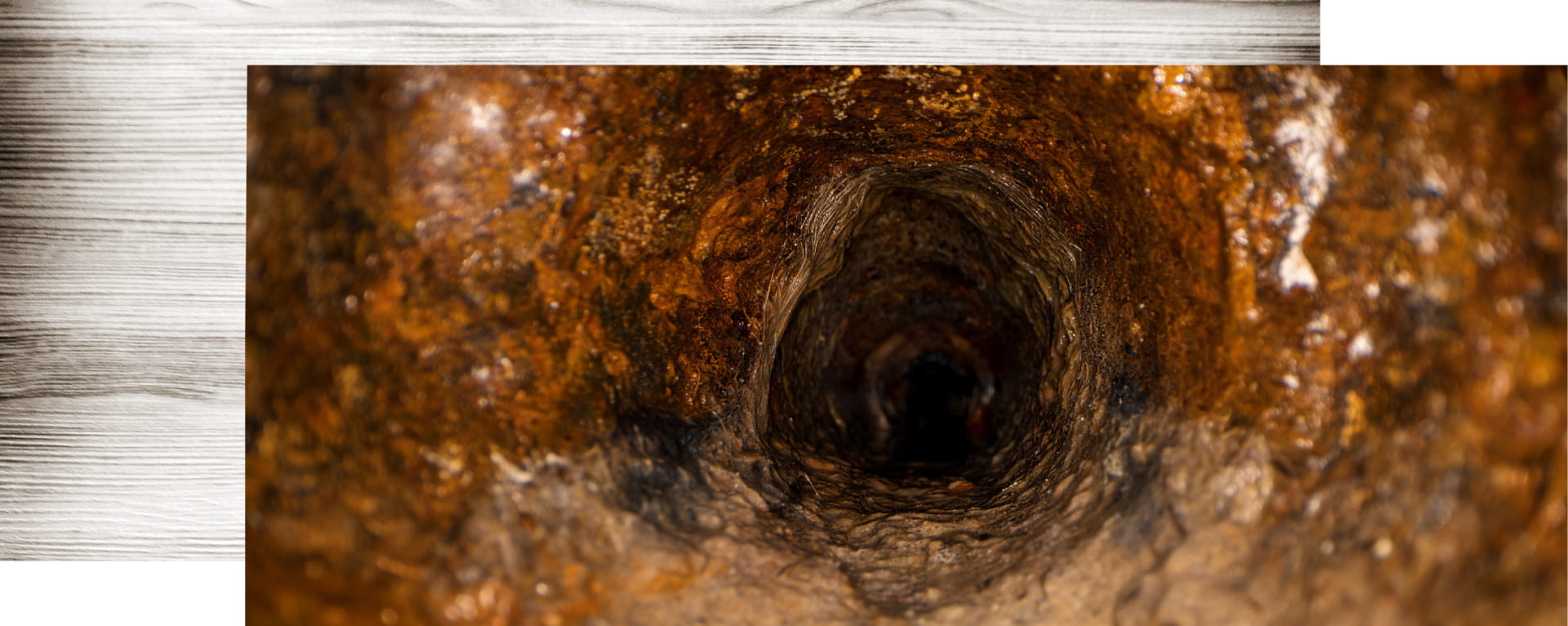
If there’s one inspection add on service we believe every Tulsa-area buyer should consider, it’s a sewer line inspection (also called a sewer scope or sewer camera inspection).
Why?
Because sewer lines are one of the most expensive “hidden systems” in a home — and unlike a roof leak or furnace issue, sewer problems usually stay invisible until they become urgent (and messy).
Here in Tulsa, Broken Arrow, Bixby, Jenks, Owasso, Glenpool, Sand Springs, Claremore, and BA/South Tulsa, many homes have conditions that increase sewer risk.
| Factors That Increase Sewer-Line Risk in Tulsa-Area Homes |
 Older clay tile or cast-iron sewer pipes Older clay tile or cast-iron sewer pipes |
| Shifting soils and settlement |
| Mature trees and root intrusion |
| Unknown repair history |
| Flip/remodel work that doesn’t address the buried line |
In this guide, we’ll cover what a sewer scope inspection is, what it finds, when it’s worth it, and how to protect yourself as a buyer or homeowner.
If you’re ready to book, check out our service page.
Table of Contents
- Sewer Line Inspections in Tulsa: What Home Buyers Need to Know
- What Is a Sewer Line Inspection (Sewer Scope)?
- Sewer Scope vs. General Home Inspection
- Why Sewer Line Inspections Matter in Tulsa
- What a Sewer-Line Failure Can Really Cost You
- When Should You Get a Sewer Camera Inspection?
- What Problems Can a Sewer Scope Find?
- Common Sewer Line Defects Found During Camera Inspections
- What Does the Sewer Line Inspection Process Look Like?
- Watch a Real Sewer Camera Inspection in Action
- Is a Sewer Scope Worth It?
- What a Sewer Scope Inspection Helps You Avoid
- Tulsa-Specific Sewer Red Flags Buyers Should Know
- Free Sewer Scope Inspection Buyer Checklist (Tulsa, OK)
- Oklahoma Disclosures and Why a Sewer Scope Still Matters
- FAQs: Sewer Line Inspections in Tulsa, OK
- Book a Sewer Line Inspection in Tulsa (AHI)
What Is a Sewer Line Inspection (Sewer Scope)?
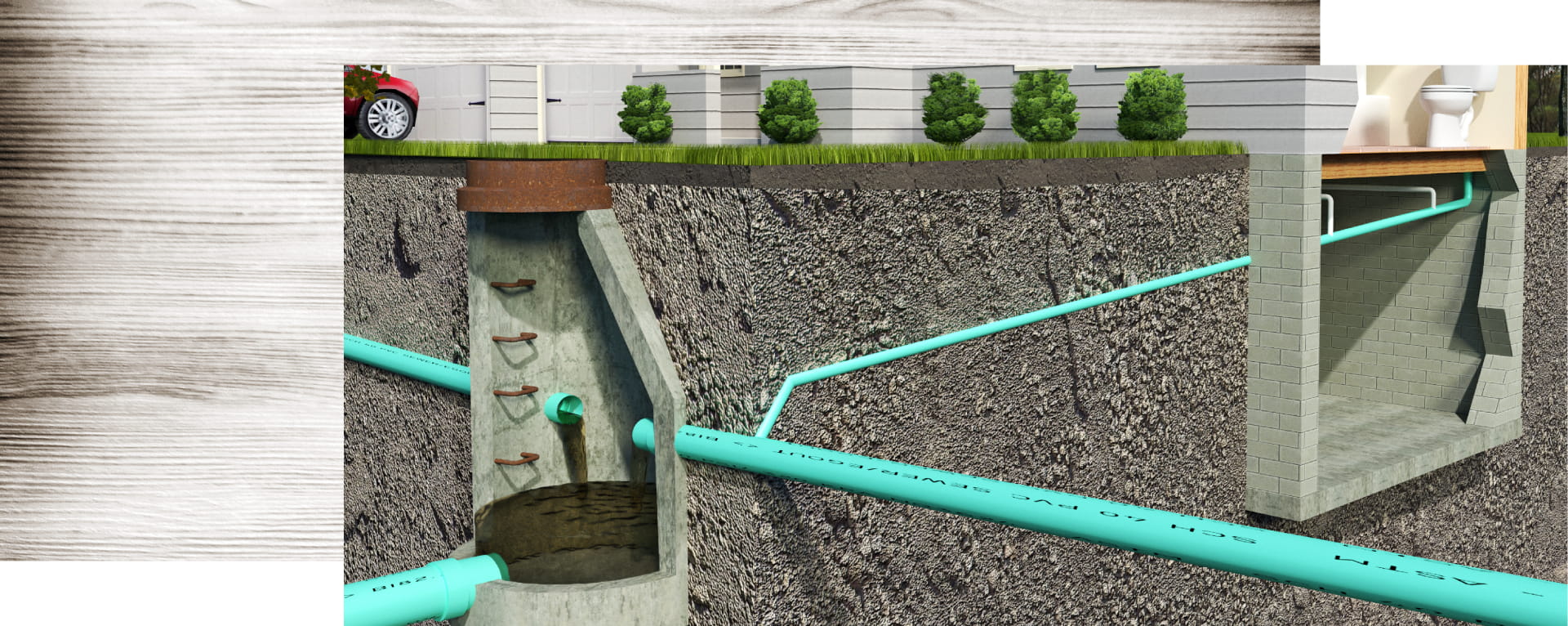
The homeowner is responsible for the sewer line between the home and the connection to the city sewer or their private system. A sewer line inspection uses a specialized waterproof camera to visually evaluate the condition of the home’s main drain — the underground drain line that carries waste from the home to:
- the municipal sewer main, or
- an on-site system (septic)
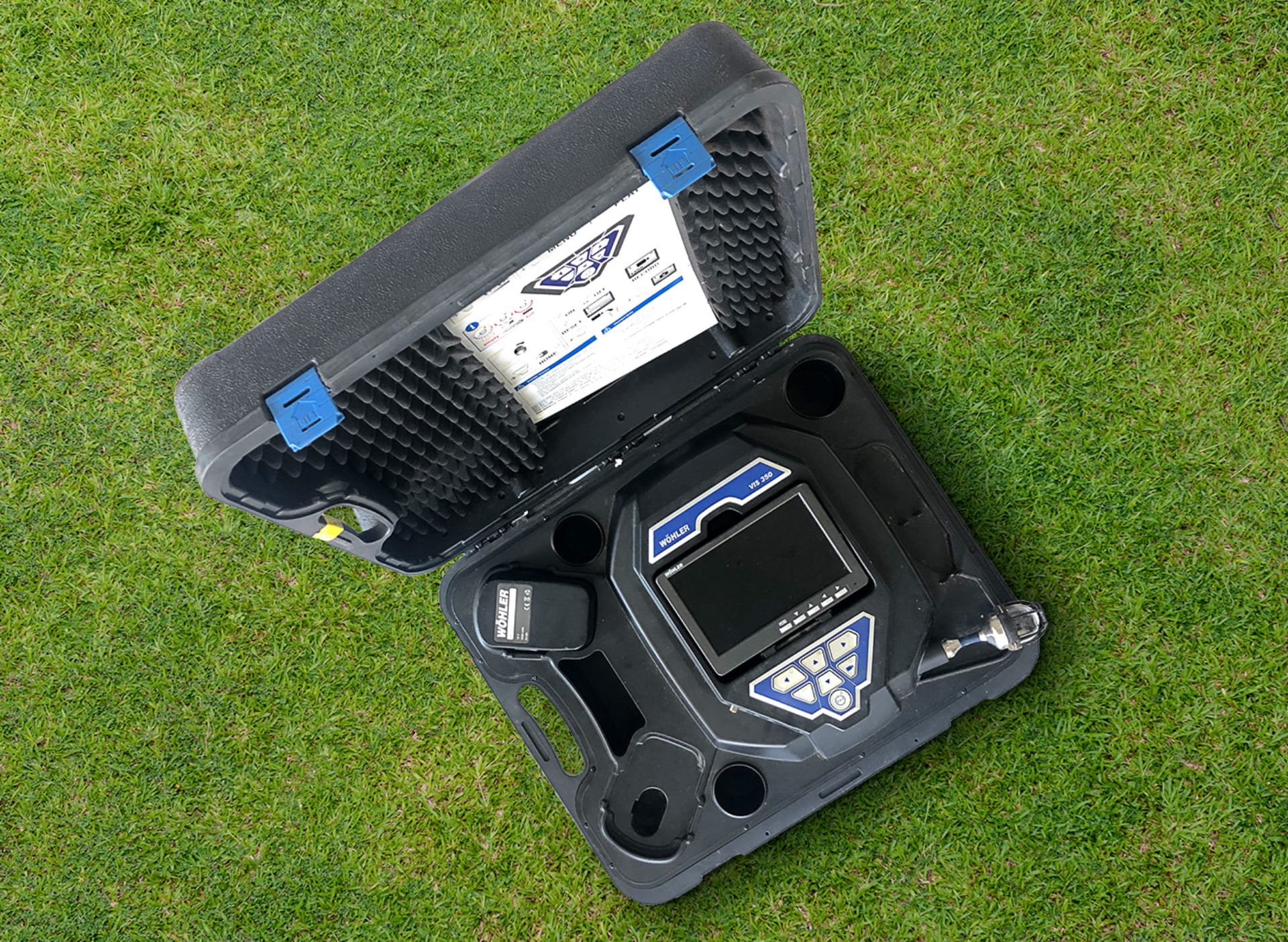
This is important because a sewer scope is one of the only ways to visually evaluate buried sewer piping without excavation. In a real estate transaction, sellers are required to disclose known sewer issues. However, problems are sometimes not disclosed because a temporary drain cleaning or snaking may have restored short-term flow without addressing the underlying defect. In other cases, sellers may be unaware of recurring or developing issues—or may not realize that prior maintenance does not constitute a permanent repair. A sewer camera inspection provides objective documentation of the line’s actual condition at the time of purchase.
Sewer Scope vs. General Home Inspection.
In Oklahoma, a standard home inspection is intended to be a visual inspection of readily accessible systems and is governed by state standards of practice. Sewer scoping is considered an additional service beyond basic inspection scope.
So, while a general inspection may identify symptoms, a sewer camera inspection confirms the cause. During a home inspection, the inspector will run water but this may not cause the system to malfunction. Inspectors are not able to fully test the system over time with debris and multiple users.
Why Sewer Line Inspections Matter in Tulsa.
Sewer repairs are rarely “cheap.” If a sewer fails, it can really cost you.
| What a Sewer-Line Failure Can Really Cost You |
| Excavation of the yard/driveway |
| Replacing collapsed sections |
| Trenchless lining (where applicable) |
| Tree root removal and repair |
| Plumbing access and cleanout work |
In many cases, homeowner insurance does not cover normal wear-and-tear failures. That’s why some homeowners opt into secondary insurances which cover the line. A good example of this is the City of Tulsa’s voluntary service line warranty program for sewer/water lines. Many home warranties also offer coverage as an add on service option.
Most of these warranties/insurances have a waiting period: So bottom line, if you buy a house with a bad sewer line, it may become your problem immediately after closing. If you opt into having these coverages, you should also be aware that they have plan limits and some exclusions. It is important to review the coverage details carefully.
When Should You Get a Sewer Camera Inspection?
We recommend a sewer scope inspection in all Tulsa-area purchases. We have found issues with drains on new construction and recently replaced lines. While we recommend it as an add on for all home inspections, it’s especially important if any of these apply.
| Condition | Why It Matters |
 The home is older than ~30 years
 |
Older Tulsa-area neighborhoods often have aging sewer materials such as clay tile, Orangeburg, or cast iron, which can deteriorate, shift, or corrode internally over time. |
 There are large trees near the home
 |
Tree roots are drawn to moisture inside sewer lines and can grow into joints, gaps, or cracks, leading to recurring blockages or pipe damage. |
 You notice slow drains or gurgling
 |
These symptoms can indicate partial blockages or venting issues. A sewer scope confirms whether the problem is occurring in the sewer lateral rather than inside the home. |
 The home has been vacant
 |
Vacant homes are not regularly testing the sewer system. A new homeowner’s usage may stress the system differently, revealing problems that weren’t apparent while the home sat unused. |
 The home is a flip or remodel
 |
Flips often focus on cosmetic upgrades, and the sewer line is frequently untested or undocumented. In many cases, the seller may have little to no history of the buried line’s condition. |
Not sure what to look for?
Download our Tulsa Sewer Scope Inspection Buyer Checklist and bring it with you to inspections and walkthroughs.
What Problems Can a Sewer Scope Find?
A sewer camera inspection can reveal issues like:
| Common Sewer Line Defects Found During Camera Inspections | ||
| Severity | Common Defects | Recommended Action |
| Minor |
Blockages and Heavy Buildup
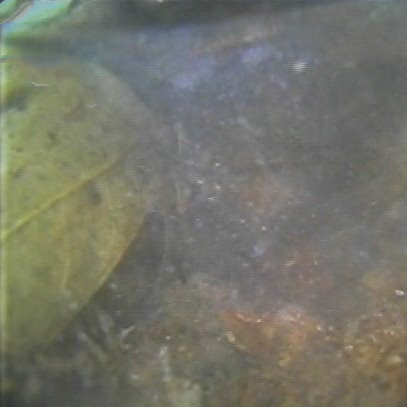 Grease, wipes, debris, or foreign objects (including construction debris or household items) restricting flow.
 |
Professional cleaning recommended. Continued monitoring advised to prevent recurrence or escalation. |
| Moderate |
Root Intrusion
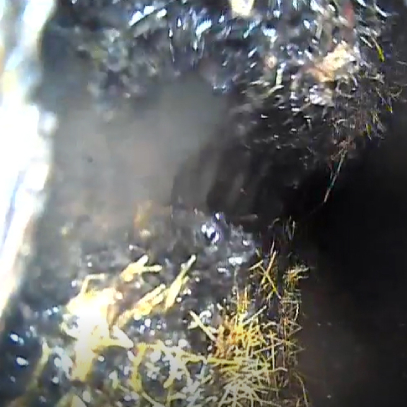 Roots enter through joints or cracks, creating recurring clogs and restrictions. This is one of the most common sewer defects we see in the Tulsa area.
 |
Clean roots and monitor. Further evaluation by a licensed plumber may be recommended depending on severity and frequency. |
| Moderate |
Offset Joints or Separations
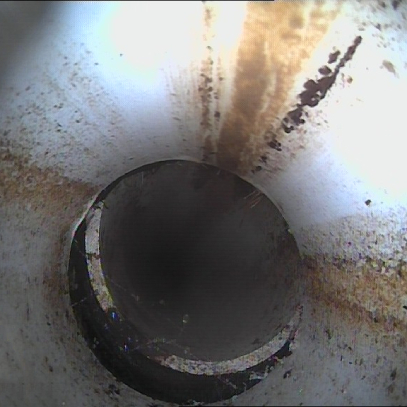 Pipe sections that have shifted due to soil movement. Tulsa’s expansive soils commonly contribute to this condition.
 |
Plumbing evaluation recommended. Repairs may be needed depending on offset severity and flow restriction. |
| Moderate |
Improper Repairs or Transitions
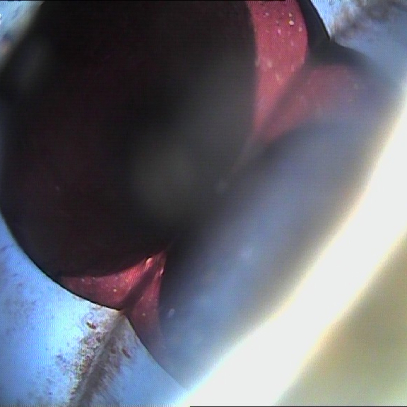 Including improper couplings, poor alignment, incorrect materials, or improper connections.
 |
Further evaluation by a qualified plumber. Corrections may be recommended to reduce failure risk. |
| Moderate to Severe |
Bellies / Sagging Pipe
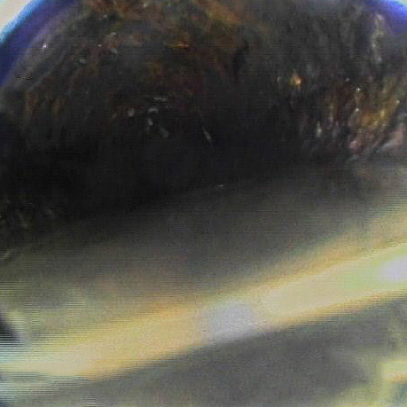 A low section of pipe where water and waste collect instead of flowing properly, allowing debris to accumulate over time.
 |
Further evaluation by a plumber. Repair or correction is often recommended if buildup or backups are present. |
| Severe |
Cracked, Broken, Damaged, or Collapsed Pipe
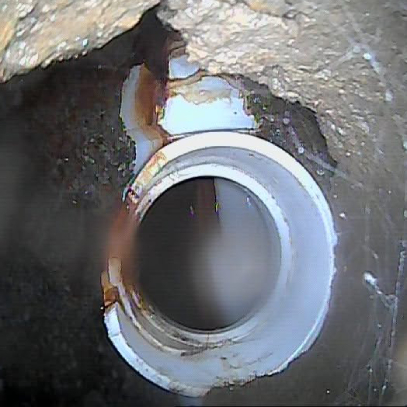 Structural failure of the sewer line that prevents proper operation.
 |
Repair or replacement by a licensed plumbing contractor is typically required. |
What Does the Sewer Line Inspection Process Look Like?
At Assured Home Inspectors, a sewer scope typically involves:
Locating an access point (cleanout preferred but we can also sometimes inspect from a roof vent).
Running a camera through the sewer main drain and recording the video.
Identifying defects, restrictions, and pipe material.
Documenting observed issues.
Advising what type of specialist is needed (plumber, drain specialist, excavation contractor).
Watch a Real Sewer Camera Inspection in Action.
Seeing it is helpful—knowing what it means is better.
Download our Sewer Scope Inspection Buyer Checklist to understand what inspectors look for and how to respond if issues are found.
Is a Sewer Scope Worth It?
Yes — especially during a purchase. A sewer scope inspection is one of the highest ROI inspections because it can prevent many things.
| What a Sewer Scope Inspection Helps You Avoid |
| Surprise emergencies after move-in |
| Major sewer excavation costs |
| Resale headaches |
| Insurance denials (wear/tear) |
| Ugly disclosure issues later |
The cost of the inspection vs the cost of potential repairs is why we recommend this be added on with every home inspection.
Even if the line is perfect, you gain:
- Documentation
- Peace of mind
- Knowledge to make an informed decision
Tulsa-Specific Sewer Red Flags Buyers Should Know.
Here are sewer-related warnings we commonly see in Tulsa-area transactions:
| Warning Sign | Why It Matters |
 No visible exterior cleanout
 |
Lack of an accessible cleanout can limit inspection options and may increase the cost and complexity of future sewer service or repairs. |
 Large trees between the house and city sewer
 |
Tree roots are commonly drawn to sewer lines and can enter through joints or cracks, leading to recurring blockages or pipe damage. |
 Interior plumbing backups in tubs or showers
 |
Backups in lower fixtures often indicate restrictions or failures in the main sewer line rather than isolated interior plumbing issues. |
 Stains around toilets or baseboards
 |
Staining may indicate past backups, leaks, or moisture intrusion related to sewer or drain issues. |
 Yard depressions or soggy patches
 |
Sunken areas or consistently wet soil can signal a leaking or damaged sewer line underground. |
 Odors near bathrooms or in the yard
 |
Sewer odors may indicate venting issues, blockages, or breaks in the sewer line allowing gases to escape. |
Free Sewer Scope Inspection Buyer Checklist (Tulsa, OK)

What to check, photograph, and negotiate before you close. Download our Sewer Scope Inspection Buyer Checklist to help you:
- Spot red flags during showings
- Know what to photograph and document
- Ask the right questions before closing
- Protect your negotiating position if defects are found
Oklahoma Disclosures and Why a Sewer Scope Still Matters.
Oklahoma uses the Residential Property Condition Disclosure Act (RPCDA) framework and related disclosure forms for many residential transactions. Even with disclosures, sewer risk remains.
| Why Sewer Line Risk Still Exists—Even With Seller Disclosures |
| Sellers may not know line condition |
| Issues may be intermittent |
| Repairs may be incomplete |
| Buyer still bears major risk after closing |
| Typically at close you are agreeing to buy the home in as-is/where-is condition |
A sewer scope is how buyers protect themselves with hard evidence. If there is a defect, the current homeowner does not have to fix the issue, but if they don’t, you don’t have to buy the home. They are responsible for disclosing the issue(s) to any other buyers in the future.
FAQs Sewer Line Inspections in Tulsa, OK
Book a Sewer Line Inspection in Tulsa (AHI).
A sewer line problem can turn into a nightmare fast — and it’s one of the easiest issues to miss without the right tools. If you want a clear, professional sewer camera inspection in Tulsa and surrounding areas, Assured Home Inspectors is ready to help.
Not Ready to Schedule Yet? Start With the Checklist. If you’re still in the research or showing phase, our Sewer Scope Inspection Buyer Checklist gives you a clear, practical way to:
- Identify warning signs early
- Document issues properly
- Understand next steps before committing
Learn more about our sewer inspections, or call/text us anytime at 918.853.5113.
Assured Home Inspectors serves Tulsa, Broken Arrow, Bixby, Jenks, Owasso, Glenpool, Sand Springs, Claremore and nearby communities.
