
- Drew Sleezer
- 9 December, 2025
- CommercialMaintenanceResidential
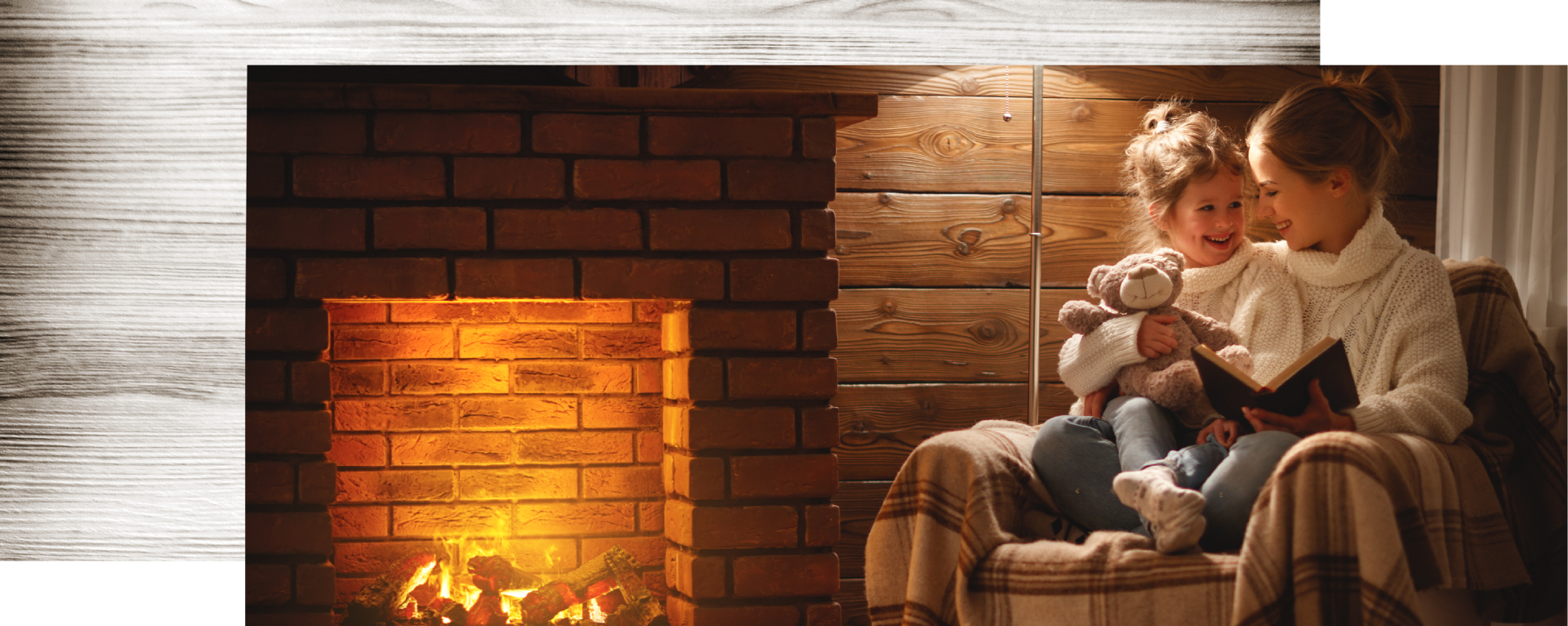
A chimney is more than a decorative or cozy feature — it’s a critical safety and venting system. In Tulsa and surrounding areas, chimneys are subjected to seasonal weather, thermal expansion, settling, and moisture intrusion that can degrade masonry, liners, flashing, and venting systems. During a home inspection, only the visible components are inspected. This means there could be significant defects that are not found because they are not as visible.
A Level II chimney inspection goes deeper using camera equipment to inspect otherwise inaccessible components. It is the inspection level typically required when a property changes ownership, when equipment is modified, or when a potential hazard is suspected. According to the NFPA 211 standard (the leading code for chimneys and vents), Level II is appropriate when:
- You are buying or selling a home with an active chimney
- There has been a change in fuel type or chimney appliance
- There has been a chimney fire, severe weather, or earthquake
- Any suspected damage or functional concern arises
(Level II includes everything in a Level I inspection plus more detailed evaluation and use of specialized tools like video scanning).
For real estate transactions, many professionals consider Level II inspections the gold standard: they help buyers, sellers, and agents uncover hidden issues before closing.
Who Benefits from a Level II Chimney Inspection?
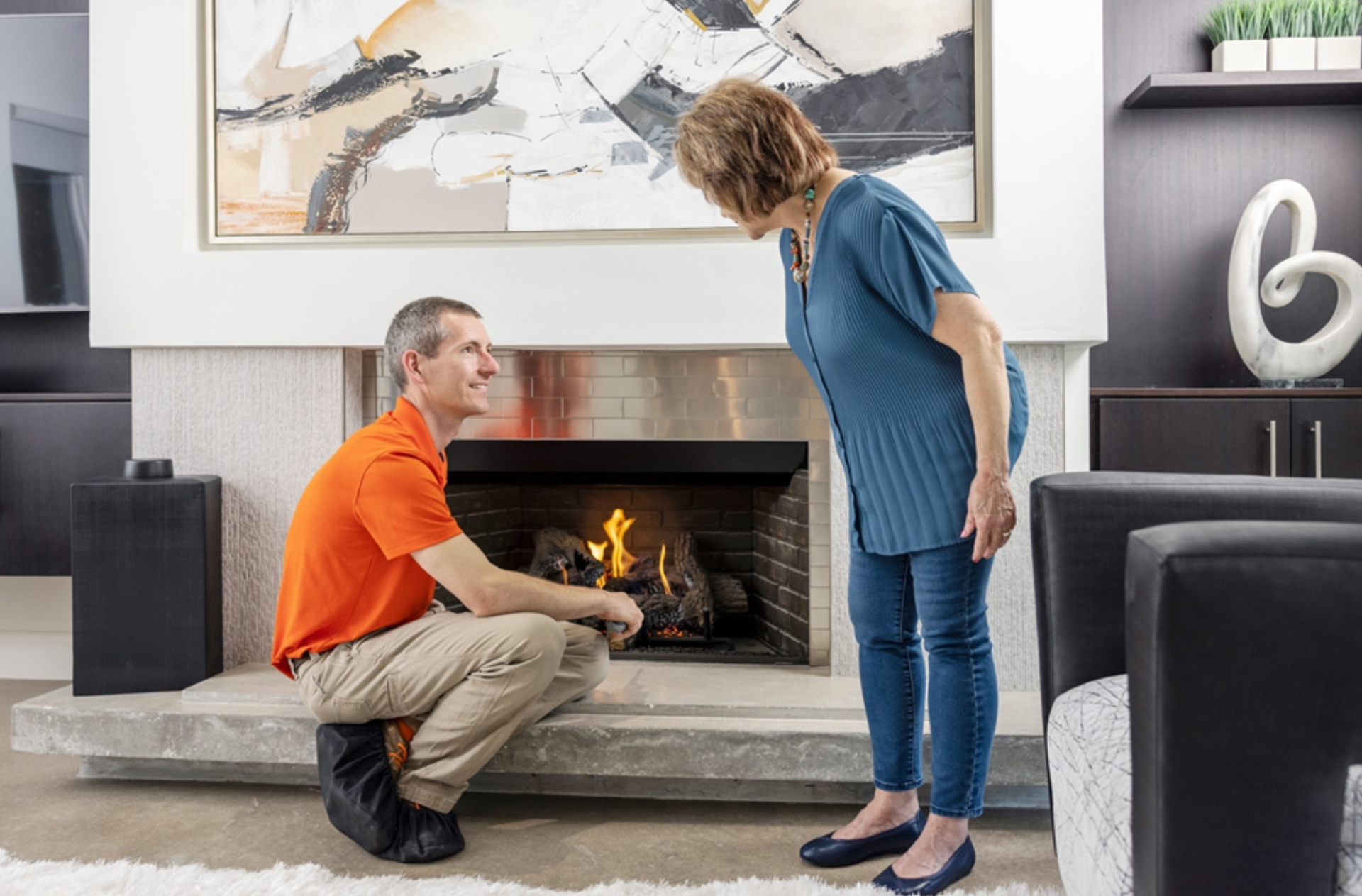
1. Home Buyers & Sellers
During a home purchase or sale, a Level II inspection offers peace of mind by revealing defects that a visual only inspection could miss. Sellers can proactively address issues and build buyer confidence; buyers can better negotiate or walk away if necessary.
2. Real Estate Agents & Realtors
Recommending a Level II inspection as part of due diligence distinguishes your service and reduces surprises that stall deals. It protects your buyer physically and financially.
3. Homeowners & Upgraders
If you convert from a wood-burning fireplace to gas logs (or vice versa), install new equipment, or suspect damage (after storms or fire), a Level II inspection can validate safety and compliance.
4. Commercial or Multi-unit Properties
Larger systems, multiple flues, or nonstandard venting arrangements carry more risk. A Level II inspection helps with risk management, insurance compliance, and maintenance planning.
What Exactly Does a Level II Chimney Inspection Cover?
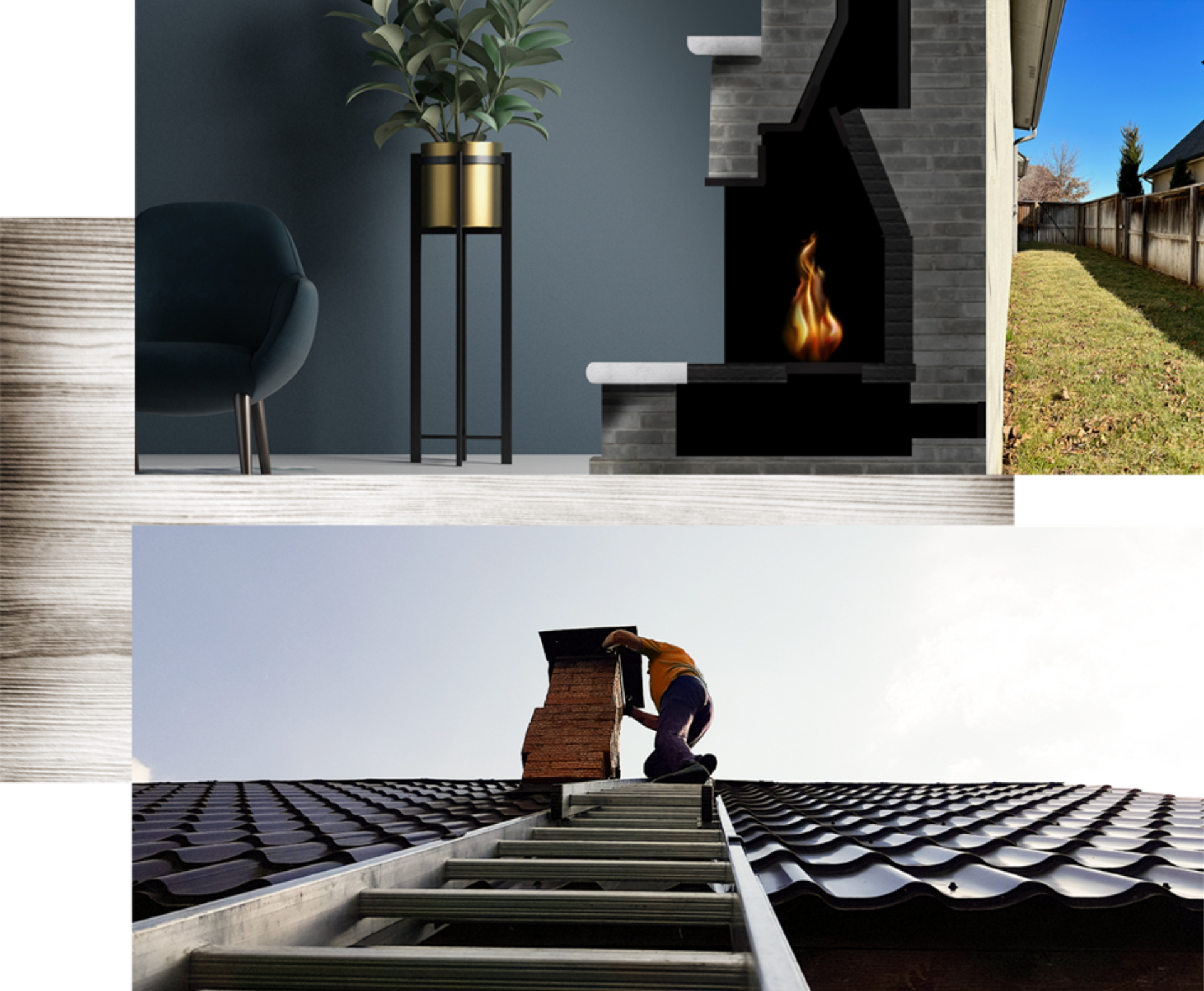
Here’s what your client should expect:
1. Full Visual Examination of Accessible Areas
The inspector examines all visible parts of the chimney structure: inside the building (basements, attics, crawl spaces), roof penetrations, flashing, chimney crown, cap, masonry, exterior structure, and connections to appliances.
2. Video Scan of Interior Flue(s)
A camera is inserted through the flue (or flues) to look for cracks, separations, liner damage, blockages, offsets, or deposits. This allows inspection of parts of the chimney that are not visible to the naked eye.
3. Appliance & Venting Review
The inspection includes verifying that connected appliances (fireplaces, stoves, inserts) are properly vented, that clearances and connections are proper, and that any changes in appliance rating or fuel type are compatible.
4. Report, Photos, & Recommendations
A detailed report is provided, with images and video clips, highlighting issues, safety hazards, and repair recommendations.
5. Follow-Up / Post-Repair Verification
If repairs are done, a reinspection should be done to confirm whether defects were properly addressed, and no residual problems remain.
Common Issues Found in Level II Inspections & Their Implications.
| Defect Type | What It Means | Risk & Impact |
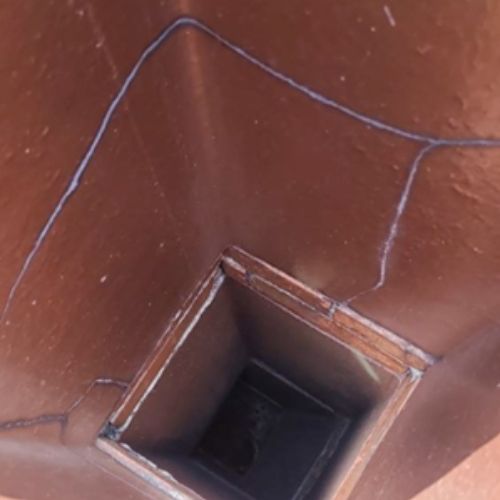 Cracked / deteriorated flue liner
 |
Liner may be compromised, allowing heat or gases to impact masonry or framing | Fire hazard, carbon monoxide intrusion |
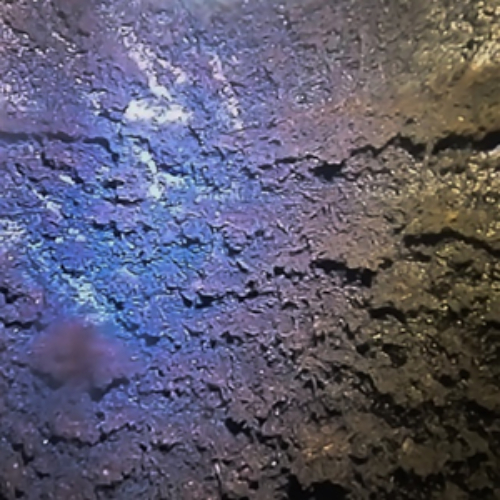 Blockages / obstructions
 |
Creosote, soot, debris, animal nests | Poor draft, backup of smoke, risk of flame reaching flammable materials |
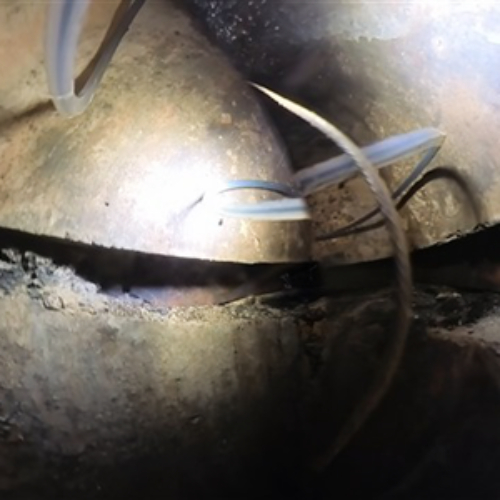 Joint separations / offsets
 |
Gaps or misalignment in liner units or mortar joints | Gas or heat leakage, weakened structural integrity |
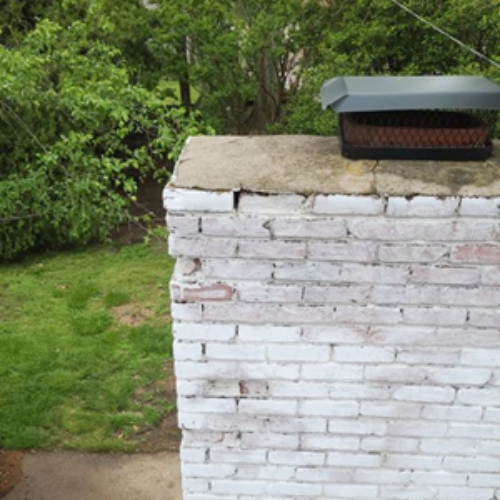 Corrosion or spalling masonry
 |
Brick degradation, mortar loss, mortar joints weakening | Water intrusion, structural instability, chimney leaks |
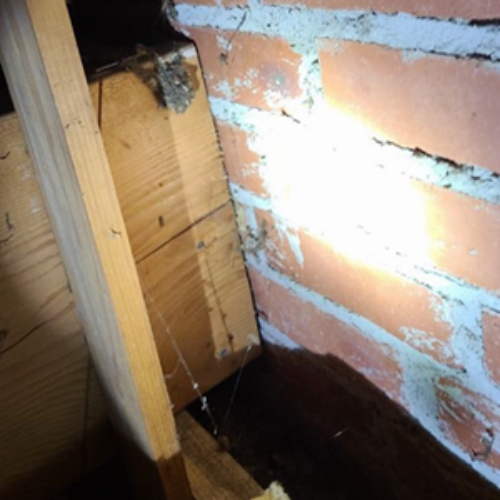 Improper clearances or combustibles encroachment
 |
Chimney or flue too close to wood, framing, drywall | Elevated fire risk |
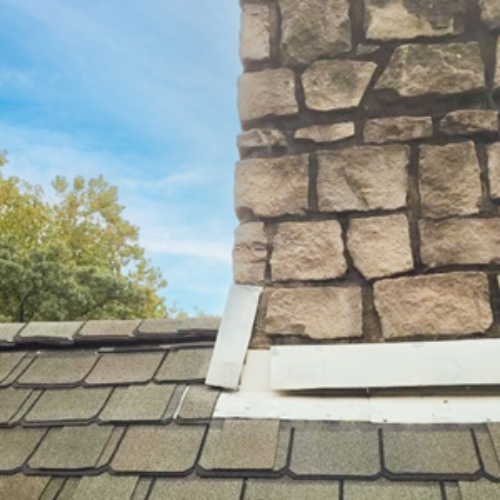 Roof flashings, crown, cap damage
 |
Cracks, failed seals, improper flashing | Water intrusion, freeze/thaw damage, deterioration over time |
These defects, if undetected, can evolve into serious hazards — structural damage, fire risk, indoor air quality problems, and expensive repairs.
Cost, Timing & Limitations.

$135+In many U.S. markets, Level II inspections start around $135 but can be much higher depending on chimney complexity. In the Tulsa/Oklahoma area, local pricing will vary according to height, number of flues, access difficulty, and review requirements. At Assured Home Inspectors, we charge 135 per chimney. |

<1 HOURMost level II inspections take less than an hour but can be longer depending on chimney configuration, accessibility, and reporting needs. |

Limitations & Caveats
This inspection should be treated as a comprehensive diagnostic tool to determine current condition — not a guarantee of lifetime performance. |
$135+
In many U.S. markets, Level II inspections start around $135 but can be much higher depending on chimney complexity. In the Tulsa/Oklahoma area, local pricing will vary according to height, number of flues, access difficulty, and review requirements. At Assured Home Inspectors, we charge 135 per chimney.
<1 HOUR
Most level II inspections take less than an hour but can be longer depending on chimney configuration, accessibility, and reporting needs.
Limitations & Caveats
- Video cameras may not traverse severely damaged or collapsed sections
- Hidden defects behind walls or deep in inaccessible areas may remain unseen
- Some structural issues may require partial dismantling (which is a Level III inspection)
- Interpretation depends on inspector’s experience and certification
- The inspection reflects condition at that moment; later events (settling, storms) may alter integrity
This inspection should be treated as a comprehensive diagnostic tool to determine current condition — not a guarantee of lifetime performance.
Why Level II Chimney Inspection (Not Just Level I)?

A Level I inspection is a basic check for obvious defects in accessible portions of the chimney system. It does not include video scanning of the flue or in-depth evaluation beyond visible areas.

A Level II broadens that with camera scanning, deeper access inspection, and is the recommended level for real-estate transactions or when changes or damage are suspected.

A Level III inspection is the most invasive — requiring removal of parts of the chimney structure — and is reserved for when significant hazards are suspected but not resolvable by Level II methods.
Because real estate transactions, appliance changes, or events like chimney fires or storm damage often require a deeper view, Level II is the “default elevated standard” for safety, documentation, and negotiation leverage.
Key Considerations for Tulsa & Eastern Oklahoma

Weather & Moisture Stress
Tulsa’s freeze-thaw cycles, heavy rains, and humidity can exacerbate mortar joint deterioration, cracking, and water infiltration — accelerating masonry failure.

Aging Chimneys & Materials
Many homes, especially older ones, use masonry or clay liners subject to decades of degradation, settling, or shifting.

Local Building Codes / NFPA Standards
While Oklahoma does not have a single mandated statewide chimney inspection law, many local building or fire codes refer to NFPA 211 standards or municipal regulations requiring inspections or compliance when remodeling or transferring property.

Insurance & Safety Risks
Some insurance underwriters may require recent chimney inspections or reports. A Level II inspection offers a documented assessment that can support claims or compliance.

Access Challenges
In Tulsa-area homes with steep roofs, multiple stories, or constrained space, accessing chimney crowns or flue tops may be difficult. The inspector must take safety precautions, sometimes limiting direct visual roof inspection.
Don’t leave chimney safety to chance.
Whether you’re buying, selling, or maintaining your home, a Level II chimney inspection can reveal hidden issues that a standard visual check can’t.
Add a Level II Chimney Inspection to your home inspection today — it’s the safest way to protect your investment, your home, and your family.
Schedule Your Inspection or Get a Free Quote.
FAQs Level II Chimney Inspections
How AHI Positions Level II Chimney Inspections in Our Services
At Assured Home Inspectors, we recognize that chimneys are critical and often neglected components of a property. To serve our clients effectively:
- We have a Chimney Sweep Institute of America (CSIA) comprehensive chimney inspection certification and are experienced in Tulsa-area conditions
- We recommend Level II inspections when appropriate (especially in real estate transactions)
- We provide detailed video and photo documentation and explanations you can share with buyers, sellers, or contractors
- We remain objective — we identify issues, but leave repair decisions to qualified trades. We are a truly independent party.
- We advise follow-up inspections or maintenance frequencies based on condition, age, and defects
By providing chimney inspections (especially Level II) into our inspection processes, AHI reduces surprises, supports smarter negotiations, and helps protect your investment.
Final Thoughts
A chimney defect is rarely obvious from a glance. Hidden flaws in the flue, liner, masonry, or venting can pose real risks of fire, smoke damage, or carbon monoxide intrusion. A Level II chimney inspection brings clarity, safety, and documentation to your transaction or maintenance plan.
If you’re a buyer, seller, real estate professional, homeowner, or investor in Tulsa or eastern Oklahoma, don’t settle for visual cursory checks. Ensure your chimney is truly safe.
To learn more about how Assured Home Inspectors handles Level II chimney inspections (or related services), or to schedule an inspection, get in touch. Call or text 918.853.5113, request a free quote, or add it on to your inspection. Let us help you protect your home, your safety, and your peace of mind.
