

- Drew Sleezer
- 18 September, 2026
- How-toPreparationResidential
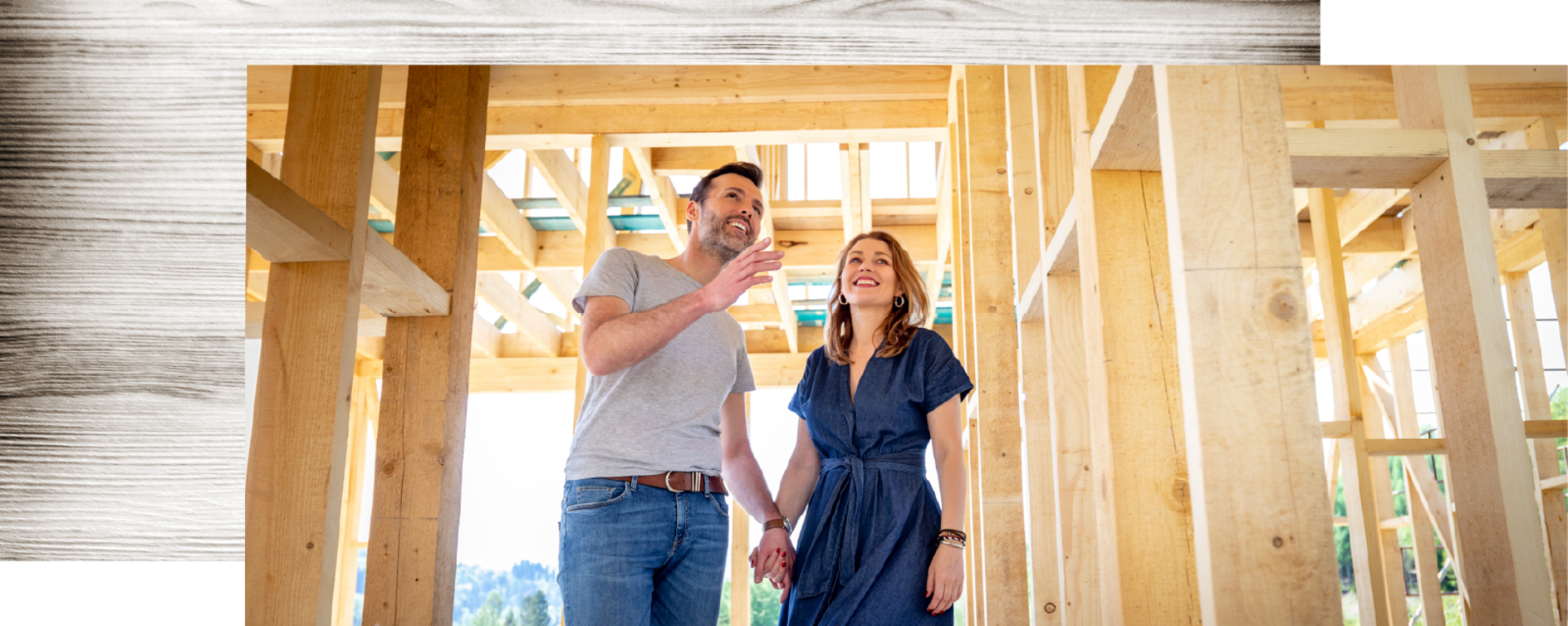
The most expensive problems in a new home are the ones sealed inside the walls. Once the drywall goes up, the framing, wiring, and plumbing behind it are out of reach, and builders miss more than buyers expect. We have walked brand-new homes with no cutouts for the AC vents, rooms with no outlets, missing nail plates over wiring, crushed or disconnected ducts, and more.
Most buyers assume the city inspector catches everything. However, a code inspector only spends a few minutes per house confirming the legal minimum, not the quality of the work. A joist hanger with three nails passes code, even when the manufacturer calls for ten.
If you build in the country there may be no inspector at all. Across much of rural Oklahoma, homes in unincorporated areas go up with no permit and no inspection of any kind, so an independent phase inspection is your only insurance.
A new-construction phase inspection reviews the home at each stage, while problems are still visible, still cheap to fix, and still the builder’s problem to solve. Whether you are building in Tulsa, Broken Arrow, Bixby, Jenks, Owasso, Glenpool, Sand Springs, or Claremore, the reasons to get one add up quickly.
| Why a New Home Still Needs an Independent Phase Inspection |
 Dozens of subcontractors work under tight schedules and deadlines Dozens of subcontractors work under tight schedules and deadlines |
| The next trade covers critical work before anyone reviews it |
| City code inspections verify minimums, not workmanship |
| Oklahoma soils shift and settle, which stresses foundations and slabs |
| Oklahoma disclosure law exempts brand-new, unoccupied homes |
In this guide we will cover what phase inspections are, the four phases that protect you, what we commonly find, and one Oklahoma-specific reason new-home buyers should pay extra attention. If you are ready to talk it through, request a free quote or call or text us at 918.853.5113.
Table of Contents
- What Are New-Construction Phase Inspections?
- The Four Phases of a New-Construction Inspection
- Why Brand-New Homes Still Have Defects
- The Value of Catching Problems Early
- City Inspections vs. a Private Phase Inspection
- Oklahoma Disclosures and Why a Phase Inspection Still Matters
- Free Phase-Inspection Buyer Checklist (Tulsa, OK)
- Who Benefits Most From Phase Inspections?
- FAQs: Phase Inspections in Tulsa, OK
- Schedule Your New-Construction Phase Inspection (AHI)
What Are New-Construction Phase Inspections?
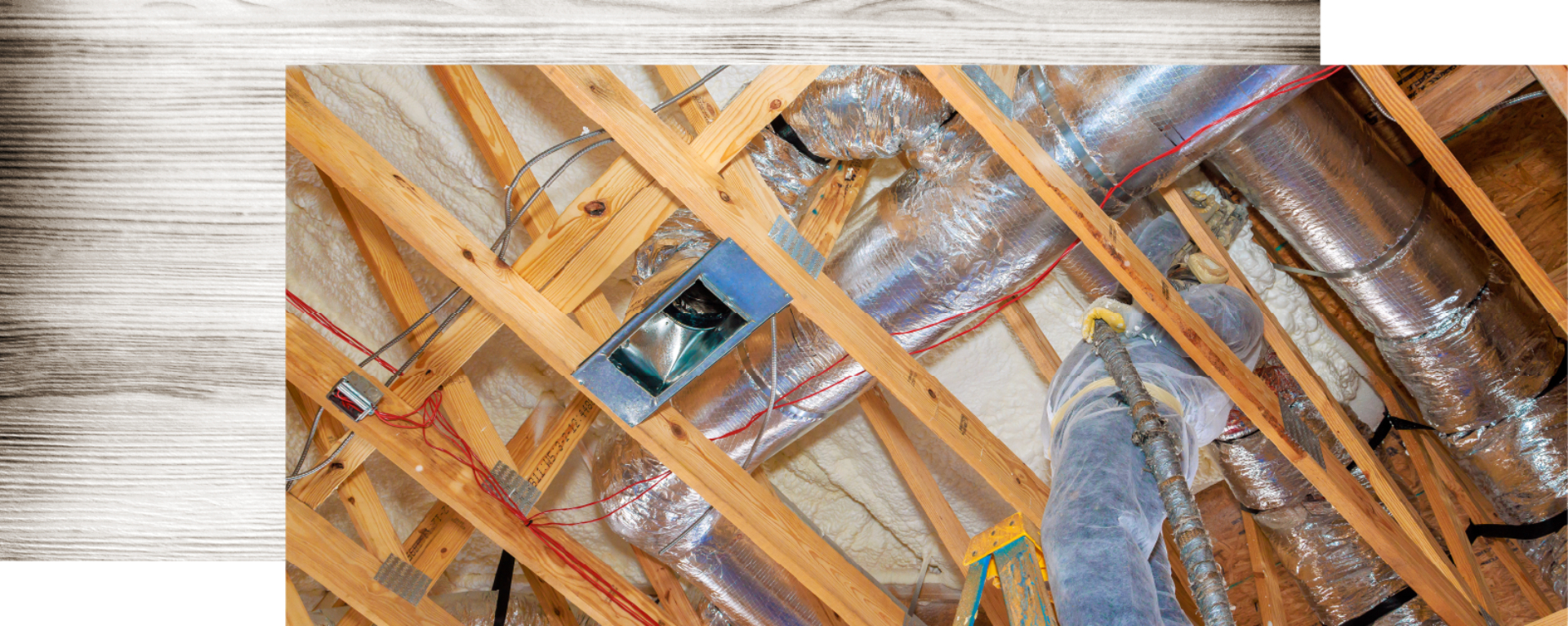
A phase inspection is simply an inspection we complete during construction rather than at the very end. A certified inspector reviews the home or commercial building at key milestones to catch problems before the next stage of construction.
This is different from the inspections the city performs. Municipal building officials verify minimum code compliance, and they work on behalf of the jurisdiction. A private phase inspection works for you, the buyer, focusing on workmanship, installation quality, and the conditions that affect how the building performs, holds up, and keeps your family, tenants or employees safe.
In Oklahoma, home and commercial inspectors carry a license from the Construction Industries Board under Title 158, Chapter 70. Those rules set the standards of practice as the minimum scope for a general home inspection and they let the inspector and client arrange additional services. Phase inspections fall into that category. We agree on the scope up front, so you know exactly what we check at each stage.
The Four Phases of a New-Construction Inspection
Ideally, we review a new build at four points. Each phase shows you something that becomes difficult or impossible to see later.
Pre-Pour Foundation Inspection
We inspect before the crew pours the slab. Once the concrete goes down, it seals and hides everything beneath it. If you have a defect after the pour, it becomes one of the most expensive fixes in the entire build. We review:
| Pre-Pour Foundation: What We Review |
| Site preparation and form layout |
| Reinforcing steel placement |
| Post-tension cable installation, when applicable |
| Plumbing rough-ins beneath the slab |
| Vapor and moisture barriers |
Here is what we most often catch before the pour, and what each issue means for you:
| Common Findings | Severity | Description | Recommended Action |
| Misplaced or Missing Rebar | Moderate to Severe | 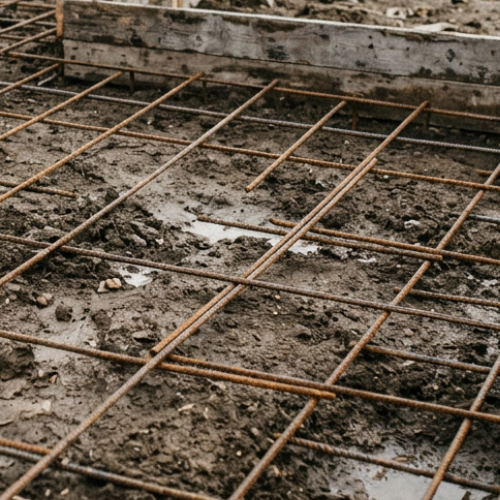 Rebar spaced too far apart, or too few bars.
 |
Correct spacing and support, and verify against the engineered plan before the pour. |
| Damaged or Mislocated Plumbing | Moderate to Severe | 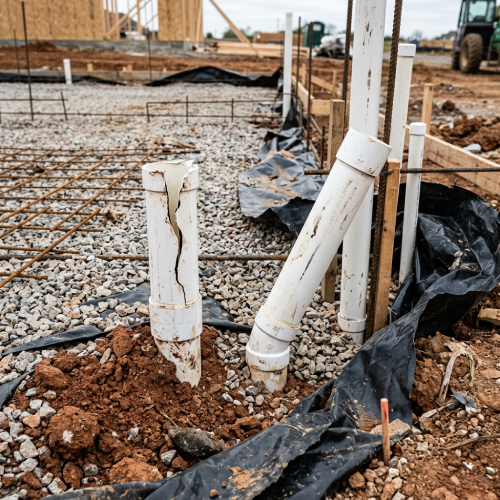 Supply or drain lines mislocated, unsupported, or damaged.
 |
Reroute or repair and confirm every location before concrete. |
| Torn or Missing Vapor Barrier | Moderate | 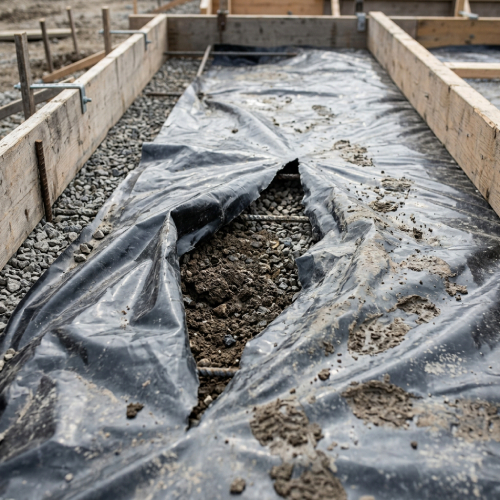 Gaps, tears, or missing sections that let ground moisture wick up into the slab.
 |
Patch or replace the barrier before the pour. |
| Misplaced Post-Tension Cables | Severe | 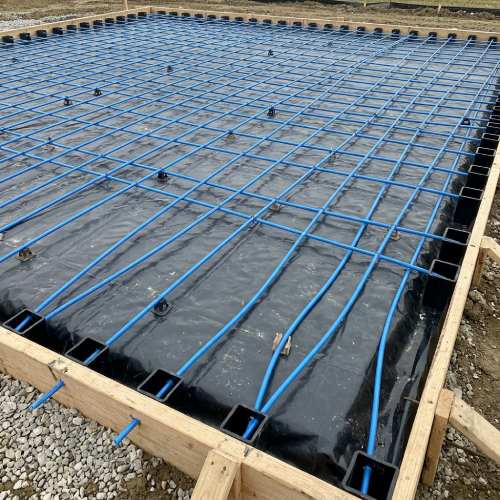 Cables positioned or spaced incorrectly, which weakens a post-tensioned slab.
 |
Reposition to the engineered layout before tensioning. |
| Out-of-Square Forms or Poor Grade | Minor to Moderate | 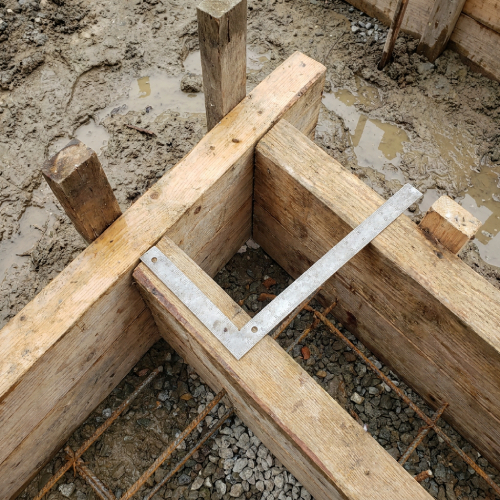 Forms out of square, level, or grade that will not drain away from the home.
 |
Reset forms and correct the grade before the pour. |
Pre-Drywall Inspection
We inspect after the crews finish the framing, electrical, plumbing, and HVAC rough-ins but before they install insulation and drywall. This phase often delivers the most value because the bones of the home are in plain view. According to InterNACHI’s pre-drywall standards of practice, this rough-in stage is your window to catch material defects before drywall covers them. We review:
| Pre-Drywall: What We Review |
| Wall framing and sheathing |
| Roof framing and trusses |
| Plumbing supply, drain, and vent installation |
| Electrical rough-in |
| HVAC ductwork and equipment |
| Window and door installation and flashing |
| Moisture management details and safety items |
These are the issues we see most often once the home is framed and roughed in:
| Common Findings | Severity | Description | Recommended Action |
| Framing & Connector Defects | Moderate to Severe | 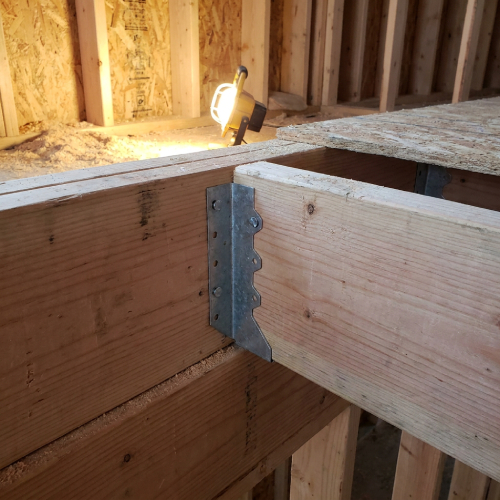 Cut or over-notched studs, missing connectors, joist hangers with too few nails, poorly supported beams.
 |
Builder corrects to plan and manufacturer specs before insulation. |
| Unprotected or Damaged Plumbing | Moderate | 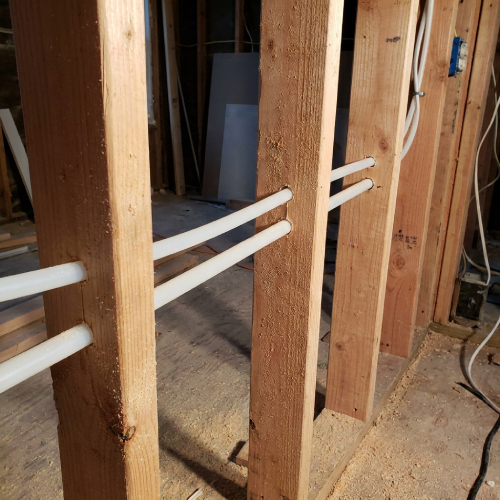 Damaged drain lines, improper venting, missing nail plates, inadequate pipe support.
 |
Repair and add nail plates before drywall covers the lines. |
| Unprotected or Damaged Wiring | Moderate to Severe | 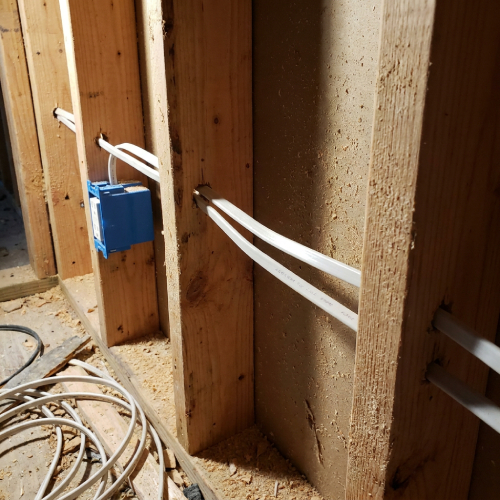 Missing nail plates, damaged wiring, improper cable routing, missing bonding.
 |
Correct and protect cables before they get covered. |
| Crushed or Disconnected Ducts | Moderate | 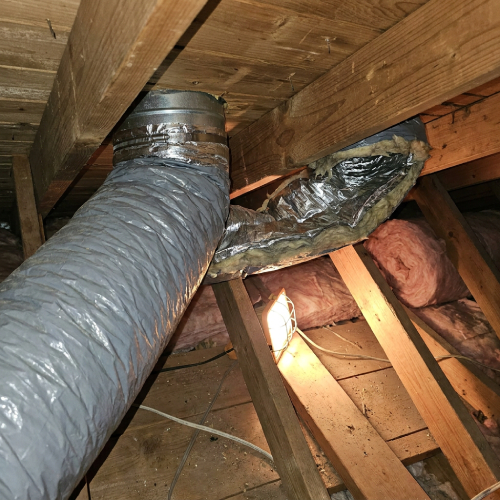 Crushed or disconnected ducts, poor support, weak return-air design.
 |
Reconnect, support, and correct the duct runs. |
| Poor Window Install or Flashing | Moderate | 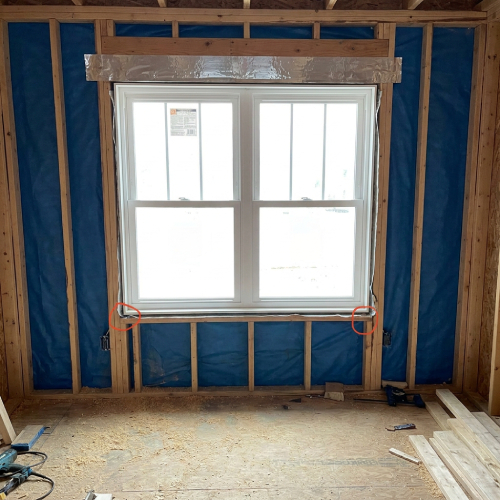 Improper installation or missing flashing that invites future leaks.
 |
Reinstall and flash per manufacturer instructions. |
Final Inspection
We inspect again once construction wraps up. This looks much like a standard home or commercial inspection, covering roofing, exterior, electrical, plumbing, HVAC, interior finishes, appliances, safety items, and general operation. It gives you a documented punch list to address before you close and before the builder’s warranty clock starts.
| Final Inspection: What We Review |
| Roof, flashing, and exterior finishes |
| Grading, drainage, and downspouts |
| Windows, doors, and weather seals |
| Electrical service, outlets, and fixtures |
| Plumbing fixtures, supply, and drain lines |
| HVAC operation and airflow |
| Interior finishes, insulation, and safety items |
Even a finished home can hide items worth addressing before you sign. Here is what we commonly find:
| Common Findings | Severity | Description | Recommended Action |
| Missing Caulk & Sealant | Minor | 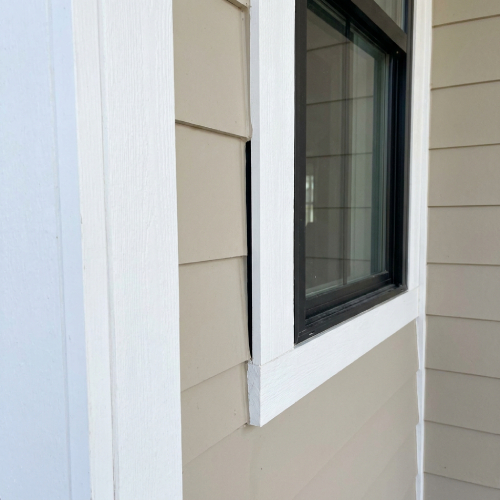 Gaps at trim, siding, windows, and wet areas that let air, water, and pests into the home.
 |
Builder seals before closing. A quick punch-list fix. |
| Roof & Flashing Defects | Moderate | 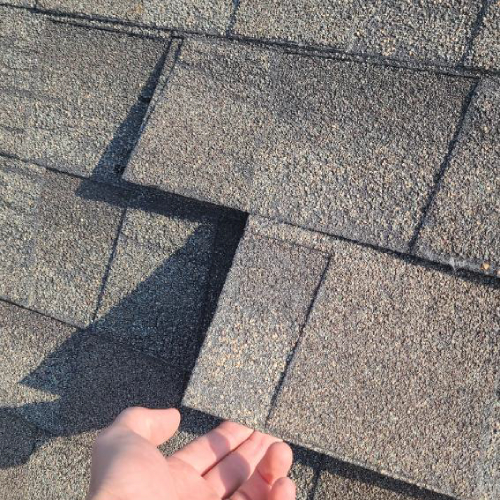 Loose shingles, exposed fasteners, or gaps in the flashing at valleys, vents, and the chimney.
 |
Builder repairs before closing to head off future leaks. |
| Grading & Drainage | Moderate | 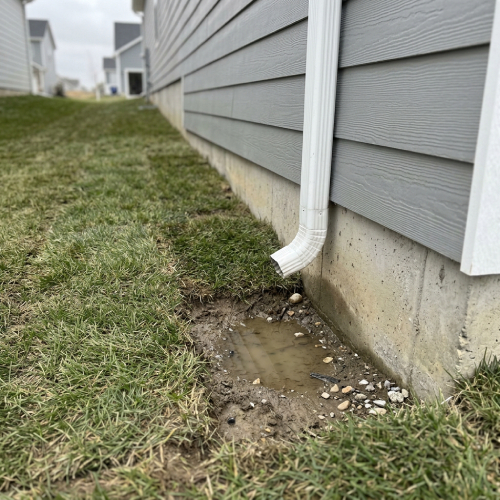 Soil that slopes toward the home or incomplete grading that sends water at the foundation.
 |
Re-grade to slope away from the home and confirm downspout extensions. |
| HVAC & Plumbing | Moderate to Severe | 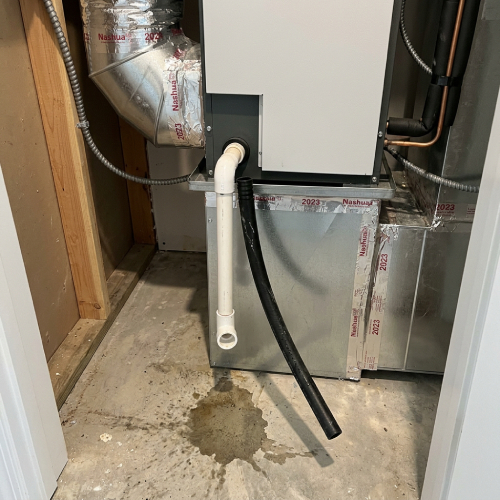 Weak airflow, uneven temperatures, or leaks at fixtures, supply lines, and connections.
 |
Builder corrects the issue and retests the affected system. |
| Damaged or Inoperative Components | Minor to Moderate | 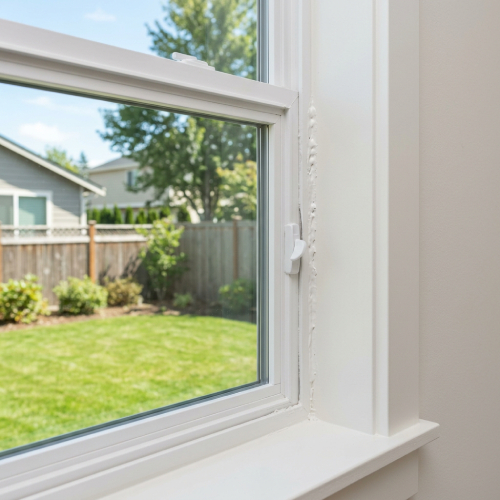 Scratched finishes, doors and windows that stick, or fixtures that do not operate.
 |
Document each item for the builder to repair or replace. |
| Missing Insulation | Moderate | 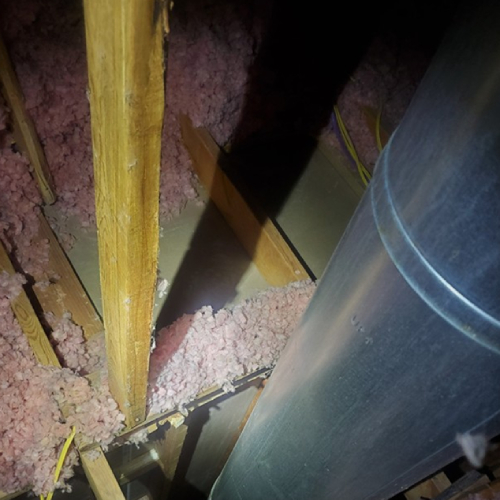 Thin or missing coverage in attics and walls that raises energy bills and hurts comfort.
 |
Builder adds insulation to spec before closing. |
Most builders appreciate receiving a clear, documented punch list before closing so they can handle everything efficiently in one pass.
11-Month Builder-Warranty Inspection
We inspect when the home is roughly eleven months old, just before the typical one-year builder warranty expires. The inspector evaluates the home the same way as the final inspection, but now after the new build has weathered Oklahoma’s seasons and a year of daily use. Settling, seasonal movement, and everyday wear can reveal additional problems. Our Builder-Warranty Inspection protects you and gives you one last opportunity to make the builder fix covered defects at no cost to you.
| 11-Month Builder-Warranty Inspection: What We Review |
| Foundation, slab, and settling cracks |
| Drywall, trim, and interior finishes |
| Grading and drainage after a year of settling |
| Roof, flashing, and exterior seals |
| Electrical, plumbing, and HVAC operation |
| Doors, windows, and hardware |
| Any warranty items from earlier phases |
After a year of settling and everyday use, these are the items we look for before the warranty ends:
| Common Findings | Severity | Description | Recommended Action |
| Settling & Foundation Cracks | Moderate | 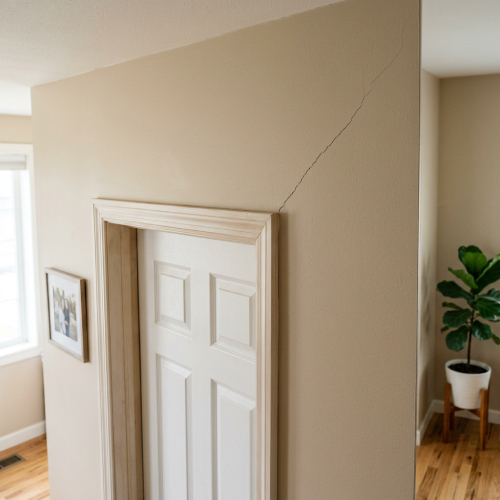 Cracks in drywall, brick, or the slab that appear after a year of soil movement.
 |
Document and submit to the builder before the warranty ends. |
| Drywall & Trim Separation | Minor to Moderate | 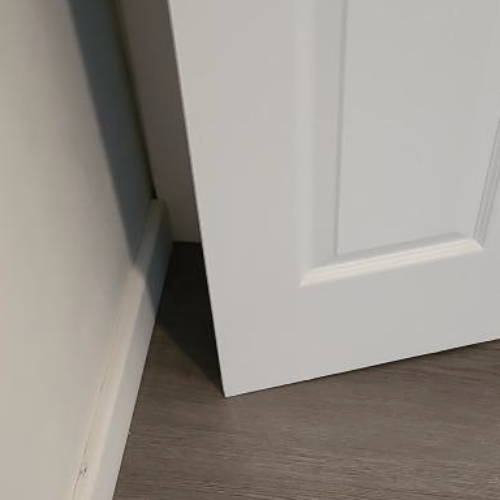 Nail pops, seam cracks, and gaps at trim from seasonal movement.
 |
Builder repairs under the warranty. |
| Grading & Drainage Shifts | Moderate | 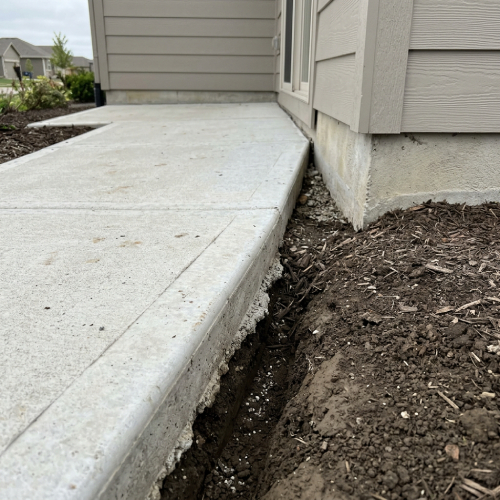 Soil that has settled and now directs water back toward the foundation.
 |
Re-grade and extend downspouts before water causes damage. |
| System Failures & Leaks | Moderate | 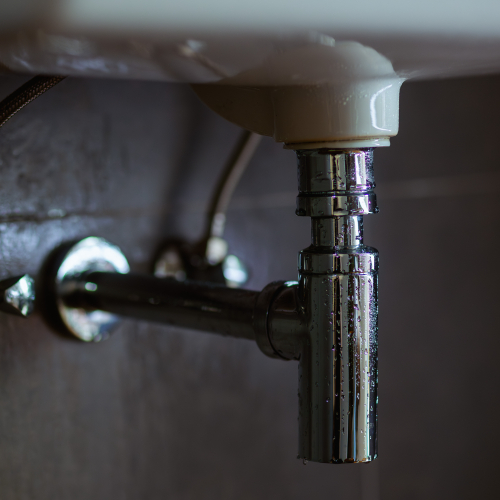 Performance problems, leaks, or fixtures that have failed during the first year.
 |
Builder repairs covered items before the deadline. |
| Exterior & Roof Wear | Minor to Moderate | 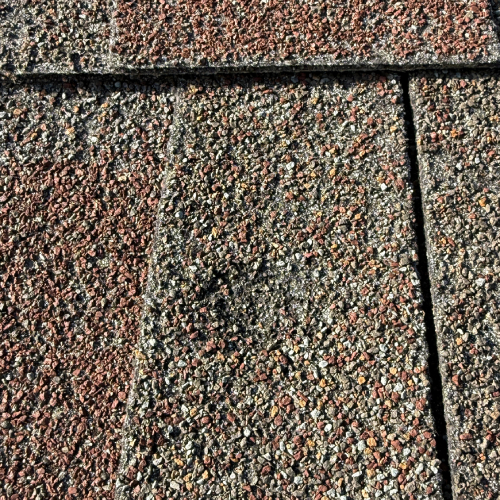 Caulk failure, flashing gaps, or seal failures revealed by a full season of weather.
 |
Builder addresses before the one-year mark. |
Not sure what to look for at each phase?
Download our Phase-Inspection Buyer Checklist and bring it to every site visit and walkthrough.
Why Brand-New Builds Still Have Defects
You would expect a brand-new home to be flawless. Very few are, and it has little to do with your builder. A single house passes through a dozen specialized crews on a tight timeline, from the excavators and concrete crew to the framers, roofers, electricians, plumbers, HVAC techs, insulators, drywallers, and finish carpenters, and each trade builds on the work of the one before it. Human error, scheduling pressure, material shortages, and simple miscommunication all set the stage for a missed connector or a crushed duct. None of that makes your builder a bad one. It just means a second, independent review at the right moment is cheap insurance.
The Value of Catching Problems Early
The earlier you catch a defect, the cheaper it is to fix, and some you can only catch early. Each phase has its own short window: what is open and visible at the pour, at rough-in, or at the final walkthrough gets covered or settled soon after. For example, a missing connector caught at pre-drywall phase inspection, while the framing is open, takes the builder minutes to add. Once drywall and paint hide it, no later inspection can catch it, and the fix, if it fails, means tearing out drywall, repainting, and paying for the labor.
Phase inspections pay for themselves. You catch mistakes while they are still cheap to fix and still the builder’s responsibility, and you get an expert second set of eyes and real peace of mind.
City Inspections vs. a Private Phase Inspection
One of the most common questions we get from new-build buyers is whether the city inspections make a private inspection unnecessary. They are not the same. City inspections matter, but they are built to check minimum code, not to protect your interests.
| City Building Inspection | Private Phase Inspection (AHI) |
| Verifies minimum code compliance |
Reviews workmanship and installation quality |
| Works on behalf of the jurisdiction |
Works on behalf of you, the buyer |
| Limited time per property |
Focused, documented review with photos |
| Cannot review every component |
Reports the material defects we observe for you |
The two work best together. The city inspector confirms the build meets minimum code on behalf of the jurisdiction, while your private inspector digs into workmanship and installation quality on behalf of you. Paired, they give you the most protection you can get on a new build.
Oklahoma Disclosures and Why a Phase Inspection Still Matters
When you buy an existing home, the seller generally must provide a disclosure under the Residential Property Condition Disclosure Act (RPCDA). That form tells you what the seller knows about defects in the home. However, new construction is different. The RPCDA specifically exempts newly constructed, previously unoccupied homes from that disclosure requirement. In other words, the buyer of a brand-new home often receives less documented protection up front than someone buying a thirty-year-old house. The builder’s warranty is valuable, but it covers only what you report, on the builder’s terms and timeline.
| Why New-Build Risk Still Exists, Even With a Builder Warranty |
| Oklahoma exempts new construction from seller disclosures |
| Crews seal defects behind concrete, framing, and drywall |
| Warranties cover only what you report, on the builder’s timeline |
| The buyer bears the repair risk once the warranty expires |
| An independent record gives you leverage to ask for corrections |
A phase inspection is how you create your own record. It gives you independent, photo-documented evidence of conditions at each stage, so you can ask for corrections with confidence instead of hoping every crew got it right where you could not look.
Free Phase-Inspection Buyer Checklist (Tulsa, OK)
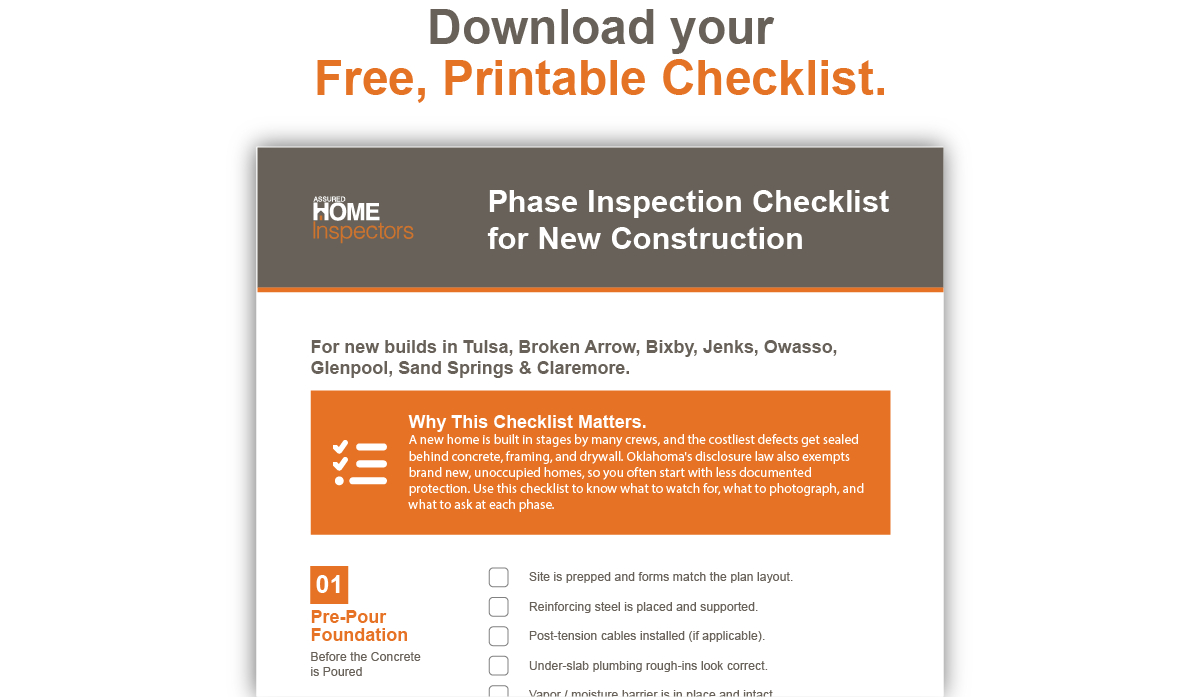
What to watch for, photograph, and ask about at every stage of your build. Download our Phase-Inspection Buyer Checklist to help you:
- Know what to look for at pre-pour, pre-drywall, final, and the 11-month mark
- Document conditions with the right photos at the right time
- Ask your builder the right questions before crews cover each stage
- Protect your position before closing and before the warranty expires
Who Benefits Most From Phase Inspections?
- First-Time and Move-Up Buyers
Building a home is one of the largest investments most people ever make. Phase inspections help you understand the quality of construction and surface concerns before you close. - Relocation and Out-of-State Buyers
If you cannot visit the site regularly, phase inspections give you independent, documented eyes on progress and conditions at each milestone. - Investors
Catching issues before completion helps reduce future maintenance costs, warranty disputes, and surprises that eat into returns. - Realtors
Agents who recommend phase inspections protect their clients and keep deals from unraveling late, leaving time for corrections while the builder is still responsible. - Custom-Home and Commercial Buyers
Even high-end custom homes and new commercial builds have defects. Phase inspections verify that the workmanship matches what you are paying for, and on a commercial scale the savings can be even larger.
FAQs: New-Construction Phase Inspections in Tulsa, OK
Schedule Your New-Construction Phase Inspection (AHI)
Building a new home is one of the biggest investments you will ever make, and the costliest defects are the ones crews seal out of sight. After more than 6,000 inspections across the Tulsa metro, our InterNACHI-certified inspectors know how homes go up here and what tends to go wrong, and we deliver clear, same-day reports so you can make informed decisions. Because we work for the buyer and not the builder, your assessment comes with no agenda. That is what we mean by The Assurance to Decide.
Not ready to schedule yet? Start with the checklist. If you are still in the research or showing phase, our Phase-Inspection Buyer Checklist gives you a clear, practical way to spot warning signs early, document issues properly, and understand the next steps before committing.
Learn more about our Builder-Warranty Inspection and General Home and Commercial Inspection services, request a free quote, or schedule your inspection online. You can also call or text us anytime at 918.853.5113.
